A Booklover’s Guide to Texas
More on the state’s indie bookstores, storytelling champions, and literary destinations turning the page
Free Admission
The archive at Texas State University in San Marcos focuses on the cultural heritage of Texas, the Southwest, and Mexico. Cofounder Bill Wittliff, screenwriter of the 1989 Lonesome Dove miniseries, began the collection when he purchased Texas writer J. Frank Dobie’s papers and, in 1986, donated them to the university. The archive later expanded beyond literature to include photography and music. “The purpose of an archive is to show the story behind the stories, to show the process of how something is made,” says Carrie Fountain, the Wittliff’s literary curator.
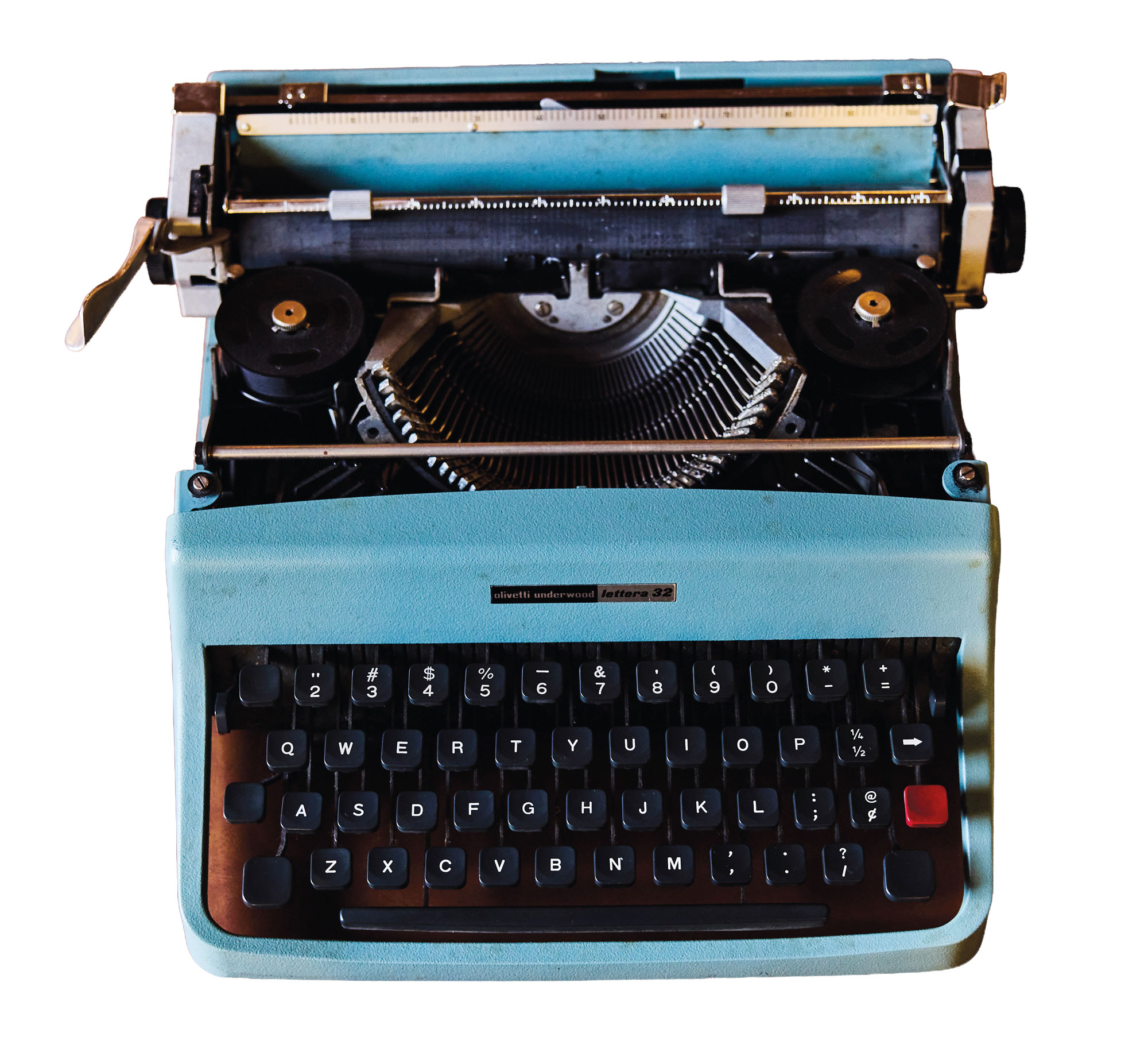
Workstation
The archive preserves equipment used by these famous authors:
J. Frank Dobie
Cormac McCarthy
Headliners
Sandra Cisneros
John Graves
Stephen Harrigan
Cormac McCarthy
Larry McMurtry
Naomi Shihab Nye
On View
The Spirit of the Wittliff in 40 Objects, celebrating the archive’s 40th anniversary. It includes an underwater writing slate used by author Stephen Harrigan while scuba diving to collect material for his 1992 book Water and Light, and a 13-page letter with suggested revisions for writer Elizabeth Crook’s second book, Promised Lands, written by Crook’s editor at Doubleday, Jackie Onassis.
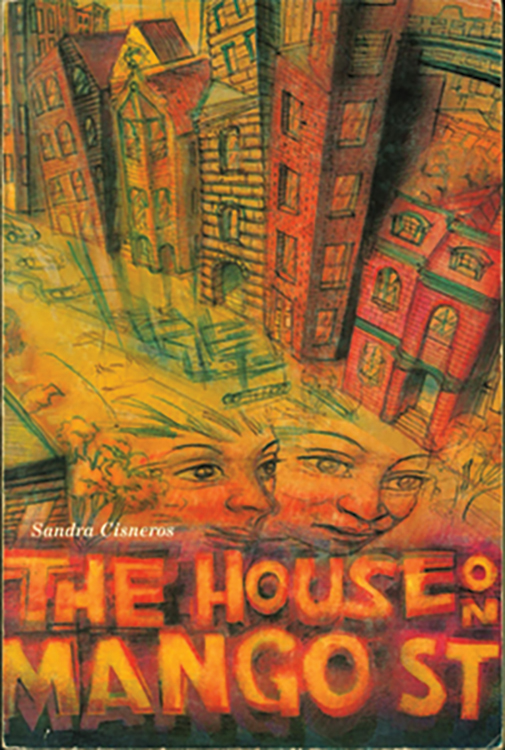
Fun Find
The Wittliff’s papers include early drafts of now-famous works, such as a piece Sandra Cisneros wrote as a graduate student titled The House on Mango Street. Those pages eventually developed into Cisneros’ acclaimed novel by the same name. Another example: the first iteration of Naomi Shihab Nye’s frequently shared poem Kindness. “You could put the finished draft of the poem against the draft that she’s jotted down in this notebook, and what’s incredible to me is how little changes,” Fountain says.
500+
Collections at the Wittliff
2,170
Hand-annotated books the Wittliff Collections received from Cormac McCarthy’s 20,000+ volume personal library
Free Admission
On the campus of the University of Texas at Austin, the Harry Ransom Center collects the manuscripts and correspondence of accomplished authors from around the world. Established in 1957 as the Humanities Research Center by Harry Huntt Ransom, a UT English professor who eventually became chancellor, the archive specializes in the work of writers from the 20th and 21st centuries. It also holds extensive collections of photography, film, art, and the performing arts.
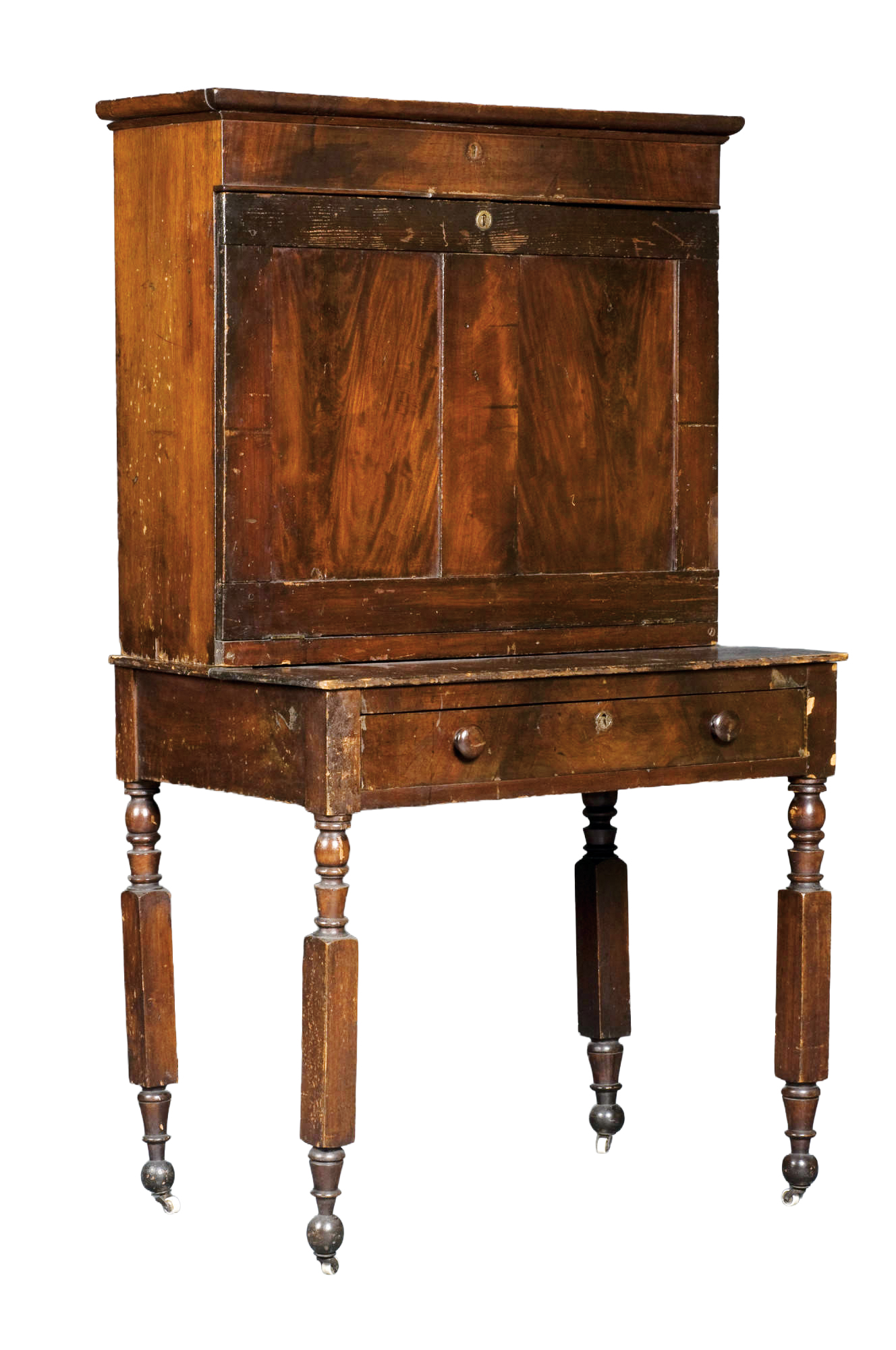
Workstation
The archive preserves equipment used by these famous authors:
Edgar Allan Poe
Sir Arthur Conan Doyle
John Fowles
42 million+
Manuscripts in the Harry Ransom Center’s holdings
Fun Find
The HRC holds the records of the Alfred A. Knopf, Inc. publishing company, including reports by manuscript readers who recommended whether a book should be considered for publication or rejected. Contemporary writers fearing rejection can take heart: The reports reveal that Knopf declined On the Road by Jack Kerouac, The Bell Jar by Sylvia Plath, and The Diary of a Young Girl by Anne Frank.
On View
The Worlds of Gertrude Stein, featuring manuscripts and personal items of the writer Gertrude Stein and her partner, Alice B. Toklas.
Houdini’s Library, focused on the magic- and theater-history collection of illusionist Harry Houdini.
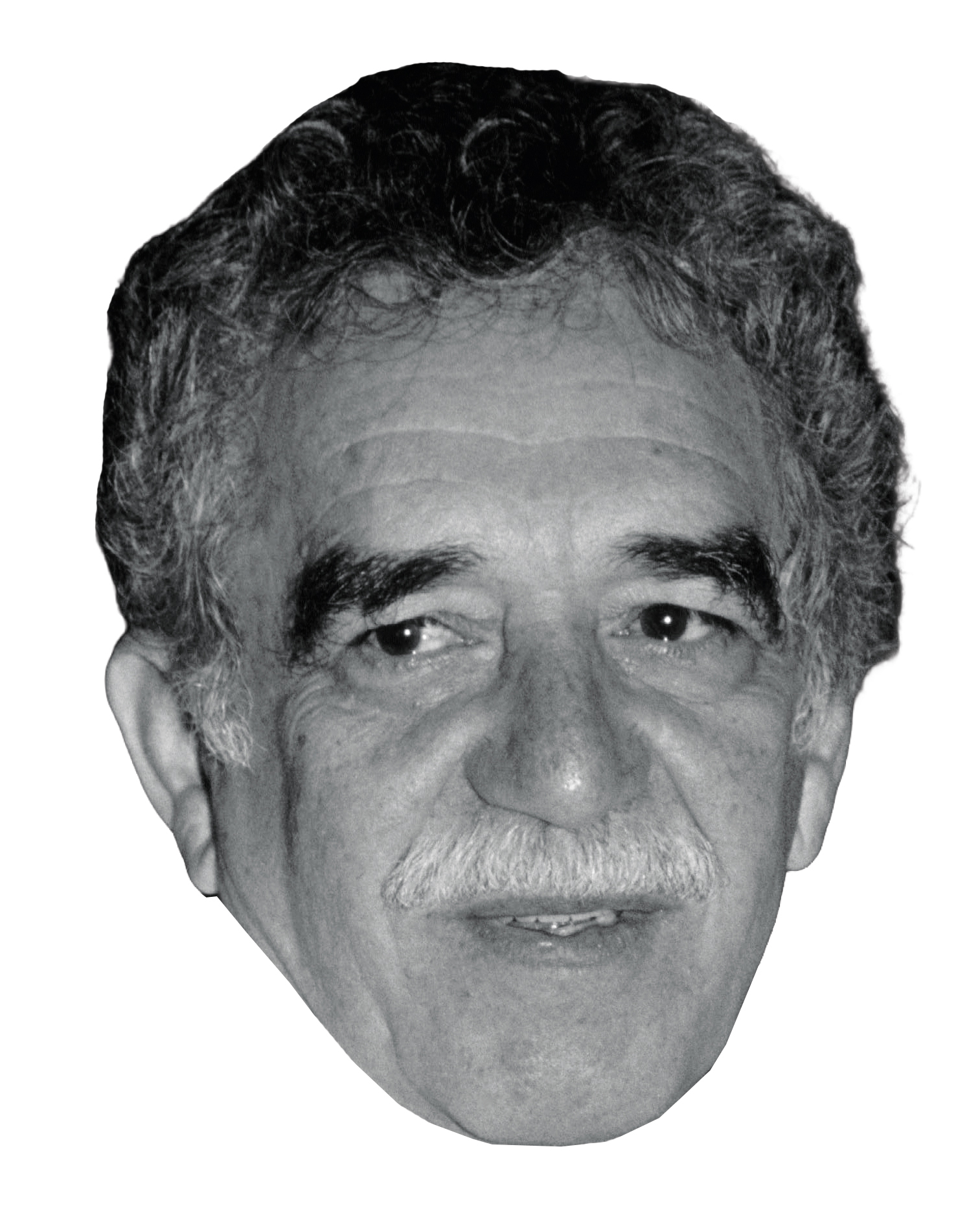
Headliners
Julia Alvarez
Norman Mailer
Gabriel García Márquez
Arthur Miller
Anne Sexton
David Foster Wallace
Big Book
The HRC owns one of about 20 extant copies of the Gutenberg Bible. Each copy is unique, says deputy director and chief curator Megan Barnard, because the pages were annotated by previous owners and decorated with hand-drawn illuminated letters and embellishments. The book reflects “a moment in the history of literacy when a culture of manuscript practice is colliding with this new technology of printing,” Barnard says. The Bible is always on view under glass, and the page displayed changes every three months.