

When visitors walk into the first-floor gallery at the University of Texas’ Harry Ransom Center on Sept. 20, past a Gutenberg Bible and a print of the very first photograph, they’ll step into an exhibition that might stand out in a world-renowned humanities library revered for its collections of manuscripts and literary relics. That is, a bounty of memorabilia from the life and career of Saturday Night Live’s creator, producer, and showrunner Lorne Michaels, who also contributed to movies and television series such as Mean Girls, 30 Rock, and Portlandia.
The expansive showcase, fittingly titled “Live From New York! The Making of Lorne Michaels,” will run through March 15, filling all 7,200 square feet of the center’s gallery—a space usually reserved for two simultaneous exhibitions. After all, the exhibition must live up to the man who provided every artifact on display.
“The range of the creativity that we collect and preserve and make available here is wide,” Ransom Center Director Steve Enniss says. “Part of the genius of Lorne Michaels is how he brings all of these creative energies into synchronicity.”

In January, the Ransom Center announced that Michaels had donated all of his personal archives—which date back to his childhood and cover the five-decade history of SNL—to be enshrined in a permanent collection within the center’s library and a temporary exhibition in their gallery space. At the end of 2023, two semi-trucks arrived in Austin, transporting 700-plus banker boxes of documents and artifacts. Inside the boxes, there were the famous blue, yellow, and pink SNL skit index cards; DVD and VHS tapes with never-before-seen cast auditions; notes from musical guests (and two of Michaels’ favorite Pauls), Paul McCartney and Paul Simon; storyboards from the Wayne’s World movies; and the first-draft screenplay for Mean Girls with hand-written edits. The list goes on.
Depending on who you ask, some might find it odd or confusing that the archives of a born Canadian and now longtime New Yorker, would end up housed forever in Texas’ capital city. Not to mention that Michaels is also the most Emmy-nominated individual in television history, the producer and showrunner for one of the longest-running American TV series, and a recipient of the Presidential Medal of Freedom.
“He was simply aware of the excellence of the Ransom Center and contacted us first out of anyone to explore a donation of his archive,” Enniss says.
Famously elusive, Michaels hasn’t given a statement on why he sought out the Ransom Center. However, Susan Morrison, his biographer, has a few hunches.
Michaels may have heard about the Ransom Center from his longtime neighbor Robert DeNiro, who donated his archives to the Texas literary museum in 2006. But Morrison also suspects that Michaels appreciated the breadth of the Ransom Center’s collections—boasting archives from literary giants including John Steinbeck, Ian McEwan, and Arthur Miller, as well as old Hollywood icons such as David O. Selznick and Ernest Lehman, whose work once dominated pop culture.
As to why he donated the archives at no cost, Morrison can only guess.
“He doesn’t need the money,” says the New Yorker articles editor who wrote the 2025 bestselling biography, Lorne: The Man Who Invented Saturday Night Live. “And he’s a person with charitable impulses.”
The arrival of Michaels’ archives marked the start of a 21-month-long frenzy for the HRC staff who have been preparing both a collection for public use and a major exhibition—a process that Erica Nunn-Kinias, the associate director of exhibitions and public programs, says typically takes three to five years. As archivist Ancelyn Krivak and her staff began cataloging artifacts for the research collection (which will be made public at the beginning of 2026), curator Steve Wilson and Nunn-Kinias began going through their work, pulling pieces for the exhibition.
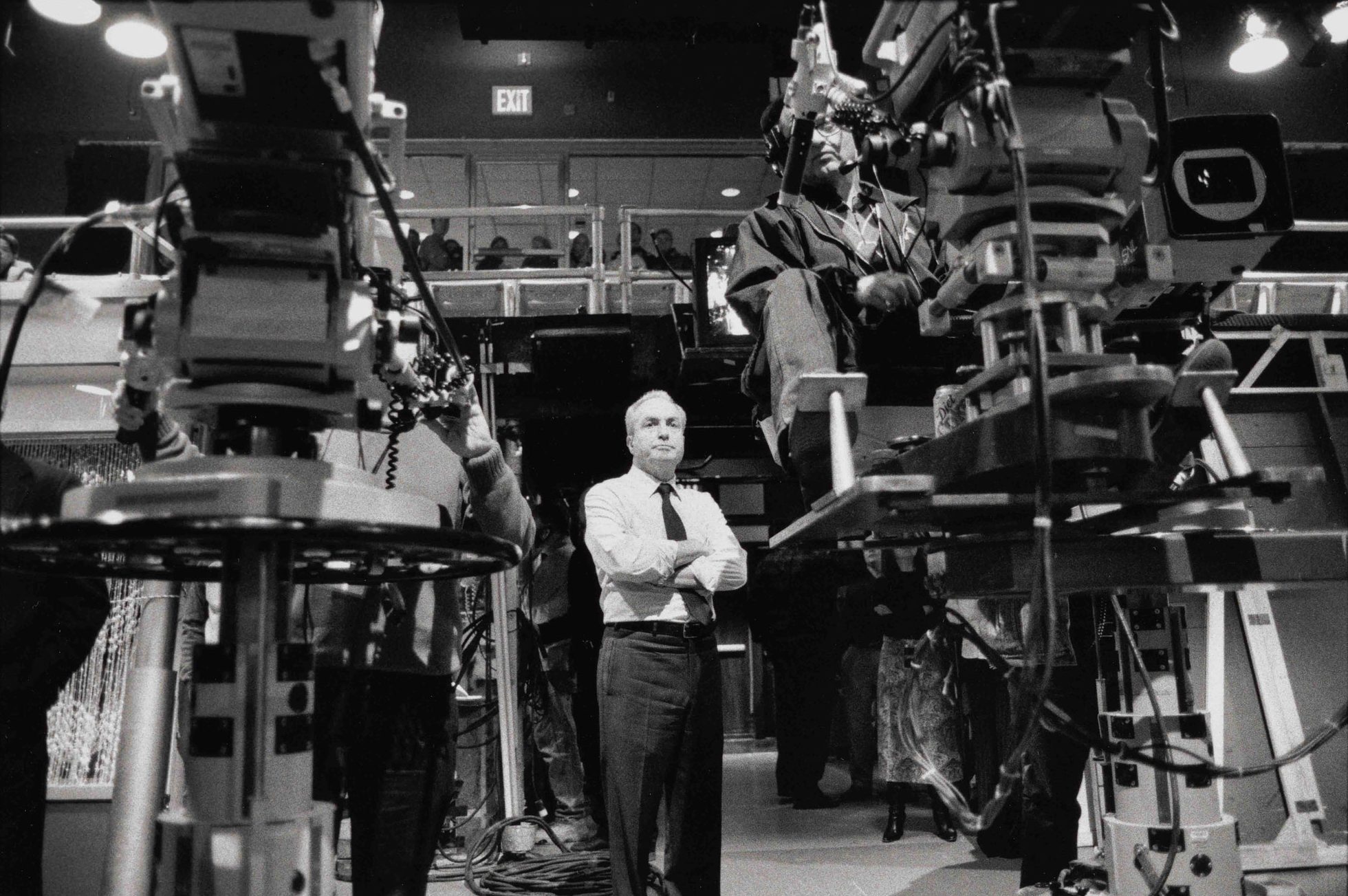
The collection invites visitors to review and study individual artifacts in order to answer a specific research question. But the exhibition, which includes only a fraction of the collection’s artifacts, Nunn-Kinias says, is carefully curated to tell a specific story. When she and Wilson began looking through the archives, it quickly became clear what that story was. “The story was Lorne Michaels’ remarkable career,” Nunn-Kinias says.
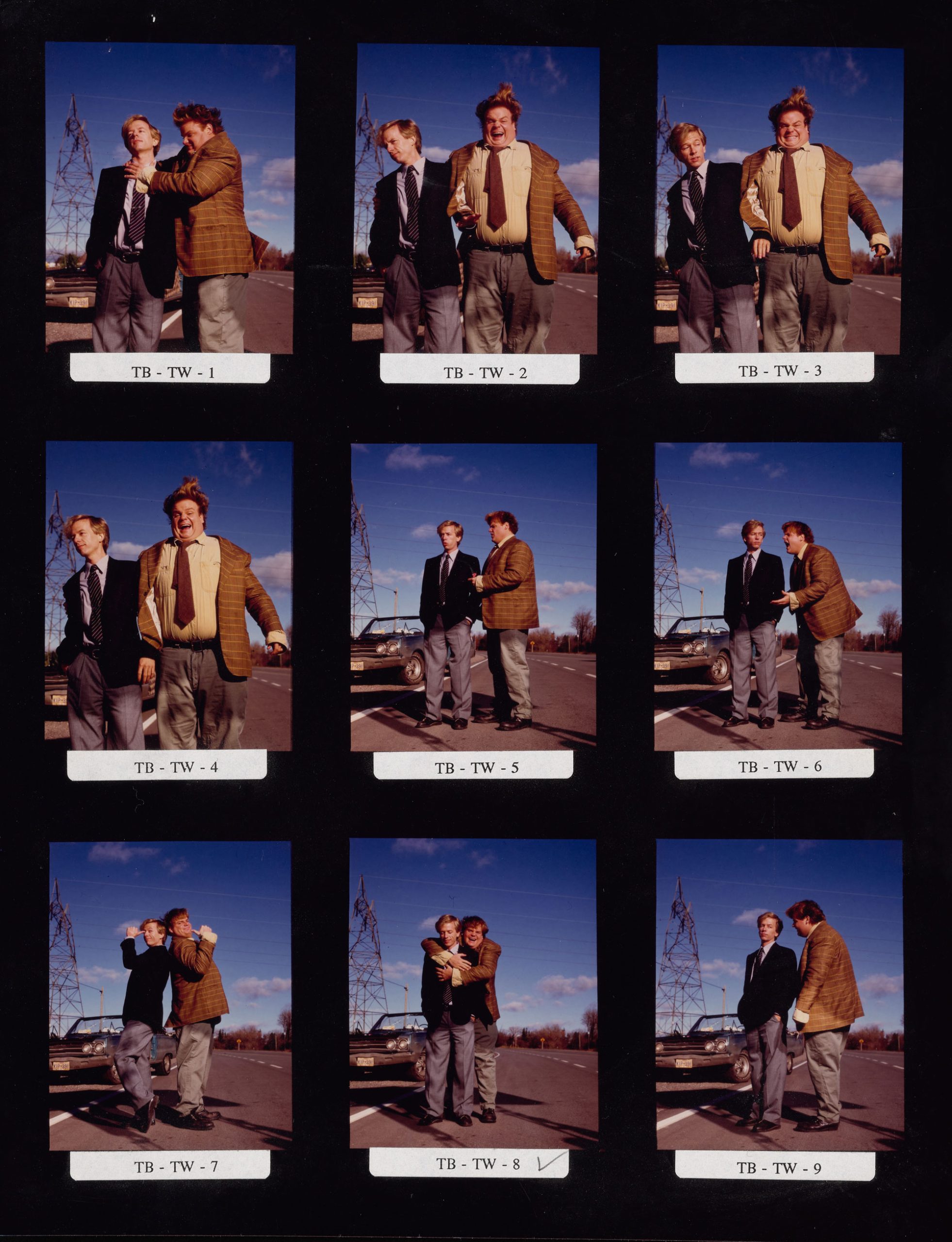
It starts with Michaels’ interest in comedy and performance from when he was as young as 12, writing letters home from summer theatre camp. The exhibit tracks his evolution through humor columns clipped from his high school newspaper and reviews from productions he put on in college. But the heart of the exhibit is the artifacts that show Michaels’ work on SNL, and the TV and movie projects that grew out of it. His contributions to these projects, and community reactions to them, are captured in backstage photographs, scripts with Michaels’ notes, fan mail, and even hate mail—including one particularly vulgar complaint scrawled on a piece of toilet paper about the lack of 1987 sketches with Dana Carvey’s Church Lady character.
The exhibition is designed to be informative, Nunn-Kinias says, to give the public a look into how one of their favorite shows is produced. But it’s also meant to be lively, experiential, and, well, fun—just like the comedy show that the exhibit’s featured artifacts came from.
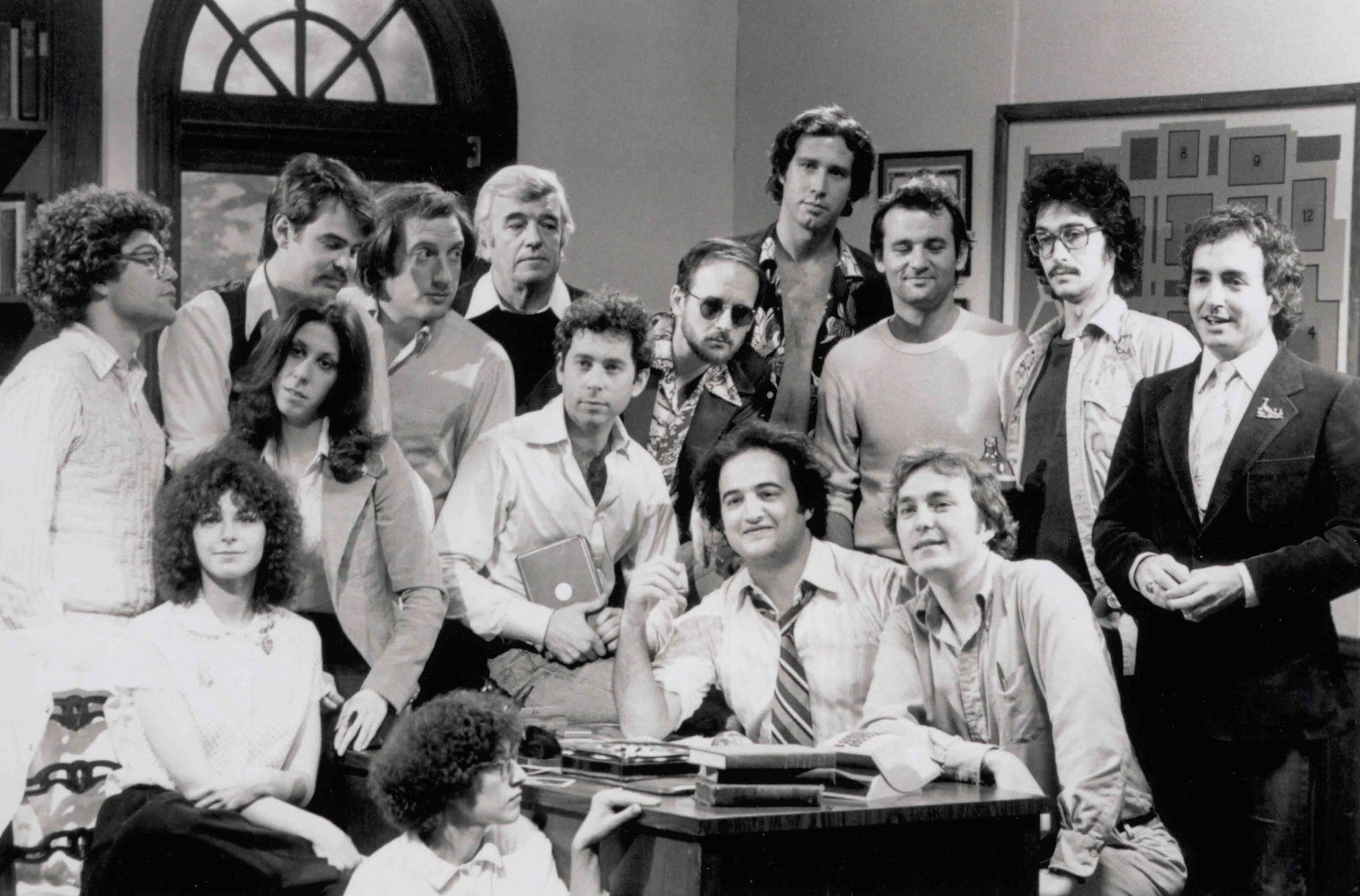
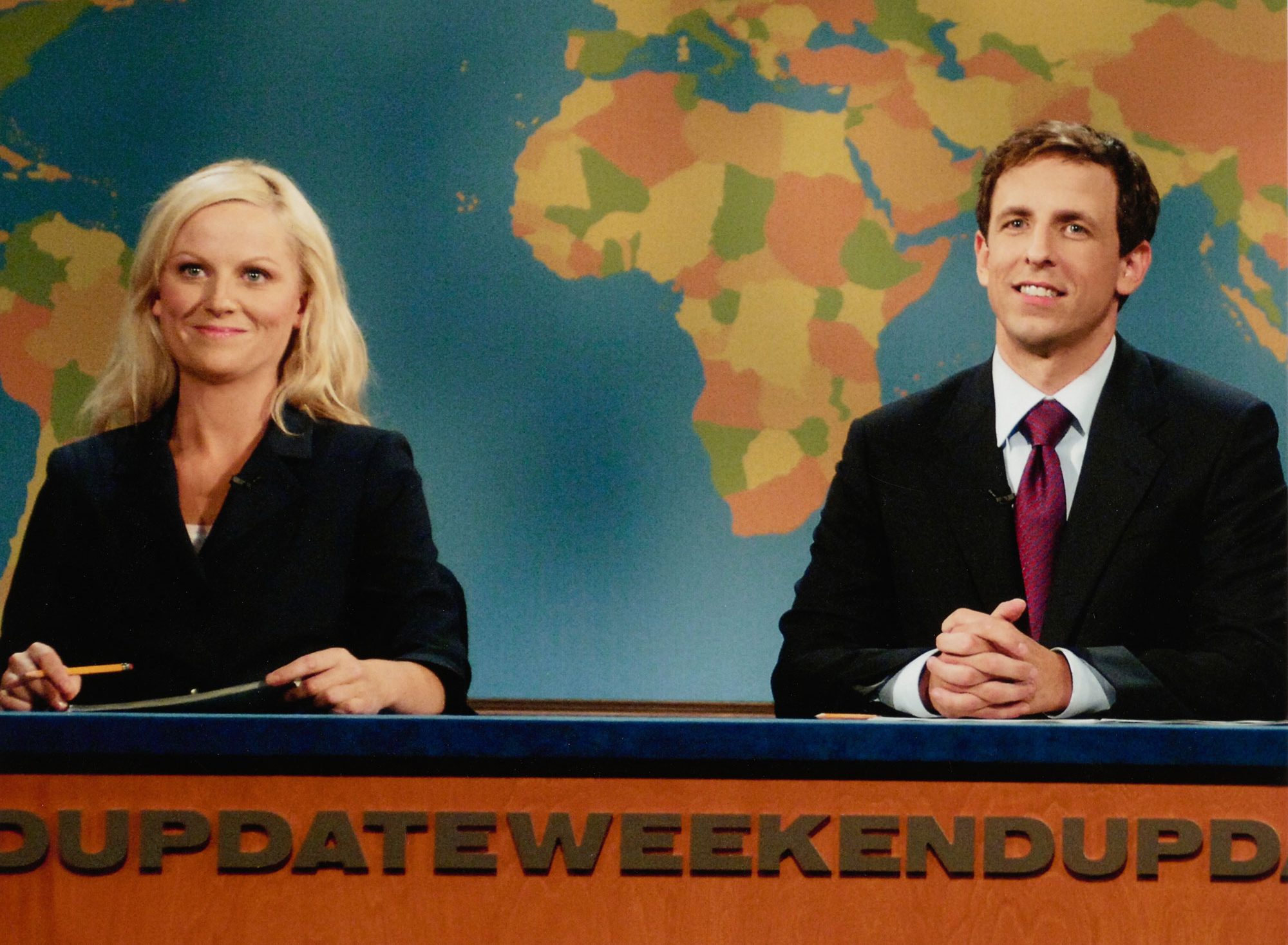
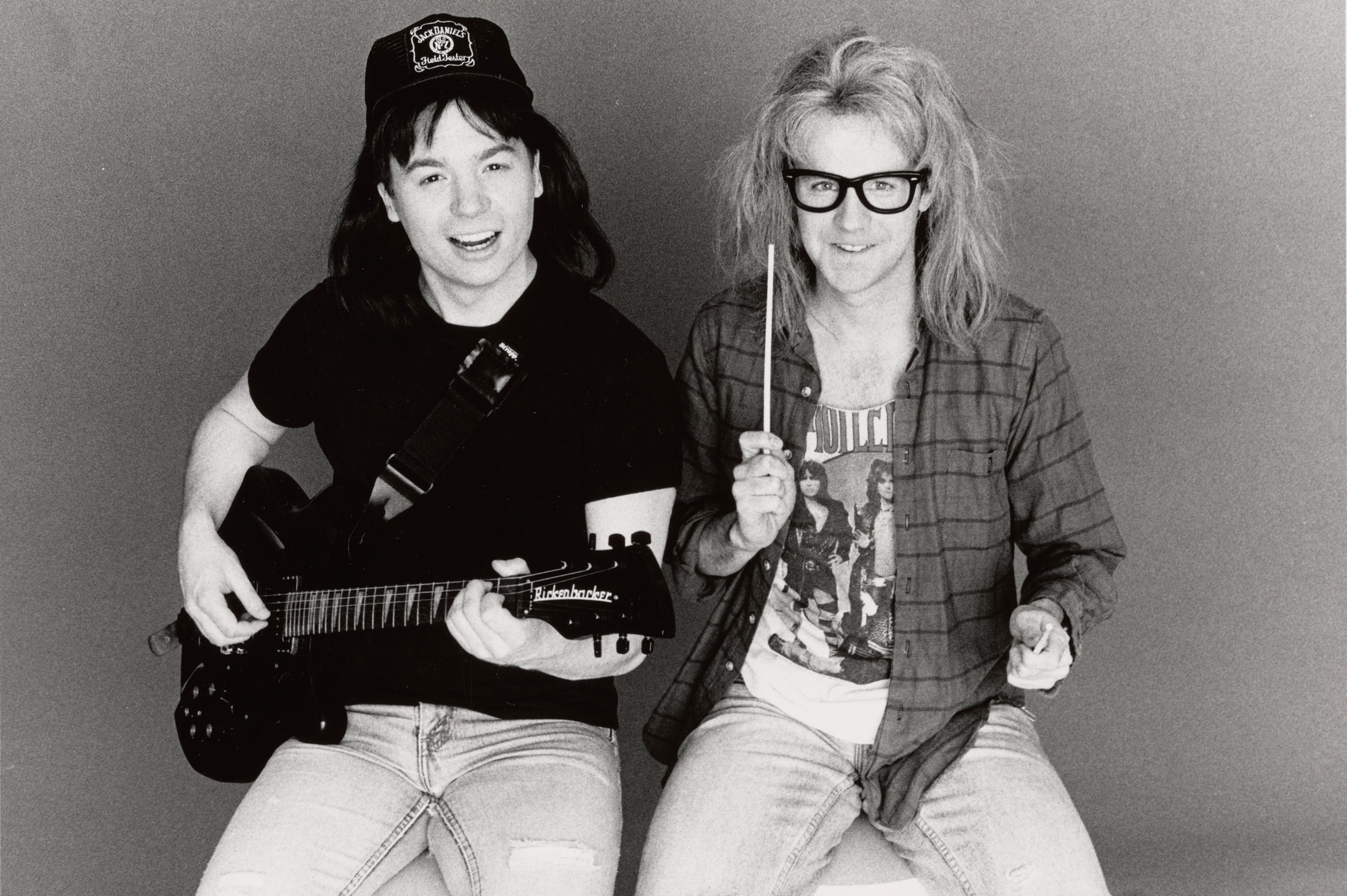
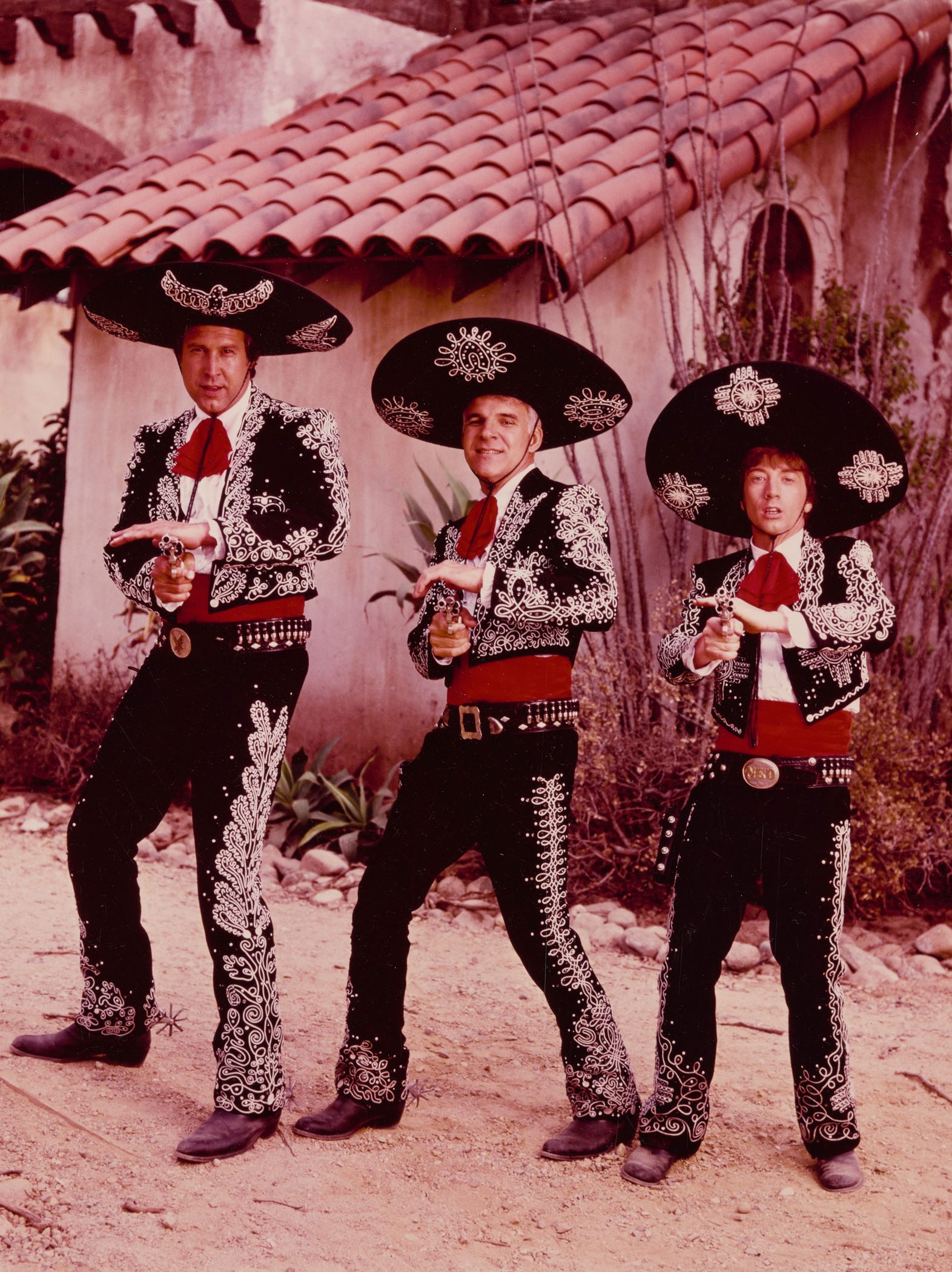
That’s why, in addition to the gallery space, there will be a screening room showcasing notable SNL sketches and video clips from Michaels’ other projects. Even traditionally static items like photographs have been given interactive elements, like a series of behind-the-scenes Polaroids from the first episode of SNL that are paired with QR codes linking to recorded interviews with cast members recounting the early days of the show. The exhibition will also include set pieces, props, and costumes featured in iconic SNL skits that are on loan from NBC. Nunn-Kinias says a personal favorite is the outfit Chris Farley wore when in character as Matt Foley, the motivational speaker hired by frustrated parents.
“We’re celebrating Saturday Night Live and what made it so successful and interesting and fun, but it’s also in the spirit of separating the divide between things that you normally don’t think are publicly accessible,” Nunn-Kinias says.
Enniss says he anticipates a wide range of researchers coming to the center to view the collection and its corresponding exhibition. Those interested in film and television may want to study Michaels’ approach to producing one of the most popular TV shows of all time. Historians may want to analyze the record that SNL skits have kept of notable events from the last 50 years, as well as the public’s reaction to those moments. But Nunn-Kinias says there’s a third group of people who will be drawn to the exhibition and collection. It’s a group made up of regular, everyday individuals—a group that spans generations: SNL fans.
“The fact that we have really important elements from the entirety of the show means that it doesn’t matter if you just learned 10 or five years ago what SNL is,” Nunn-Kinias says. “You’re going to find something that you connect with.”
As Morrison points out, SNL is a show that has shaped generations. It introduced catchphrases and comedic memes into everyday language—sayings that fans have even used in their wedding vows. The show’s skits and characters became more than just water cooler conversation topics, they became tenants that continue to live rent-free in viewers’ minds.
“SNL just immediately had this effect on the culture,” Morrison says. “It almost reprogrammed the way people think. People have favorite characters and favorite sketches. They really feel an ownership of them.”