

Only in El Paso
At the intersection of the United States and Mexico, El Paso is a Nexus of cultures and countries
As a writer, I’m fortunate I get to travel across the country. Far away from my home on the El Paso-Ciudad Juárez border, I visit destinations I never thought I’d see. But every time, after a few days, I’m ready to return. At the airport gate, waiting for the final flight back home, I can feel how much I’ve missed being around the familiar. Because even from hundreds of miles away, there’s always someone there wearing a T-shirt or cap from the University of Texas at El Paso or Minor League Baseball team the Chihuahuas, or, less often, Juárez teams Los Bravos or Indios de Juárez. The conversations, along with the rhythm of speech, slang, and accent, are always a distinctive mix of English and Spanish. Hearing that, I’m flooded with the relief of getting closer to home and the city I love. The place whose people, culture, and history, and even its struggles, have shaped how I view the world and how I express myself. I’m grateful to visit places I never imagined. But there’s no place I’d rather live than the El Paso-Juárez border. –Roberto José Andrade Franco, guest editor
The Way West
By James Hernández
El Paso has always been a crossroads—the collision zone between two countries and three states. It was the narrow break between mountains carved by the Rio Grande where Juan de Oñate and his Spanish expedition marched north in 1598. They called this low-lying valley “El Paso del Norte,” or Pass of the North. A permanent settlement under the same name was founded on the river’s south bank in 1659, with a mission built to Christianize the Mansos, one of many Indigenous groups that originally inhabited the land.
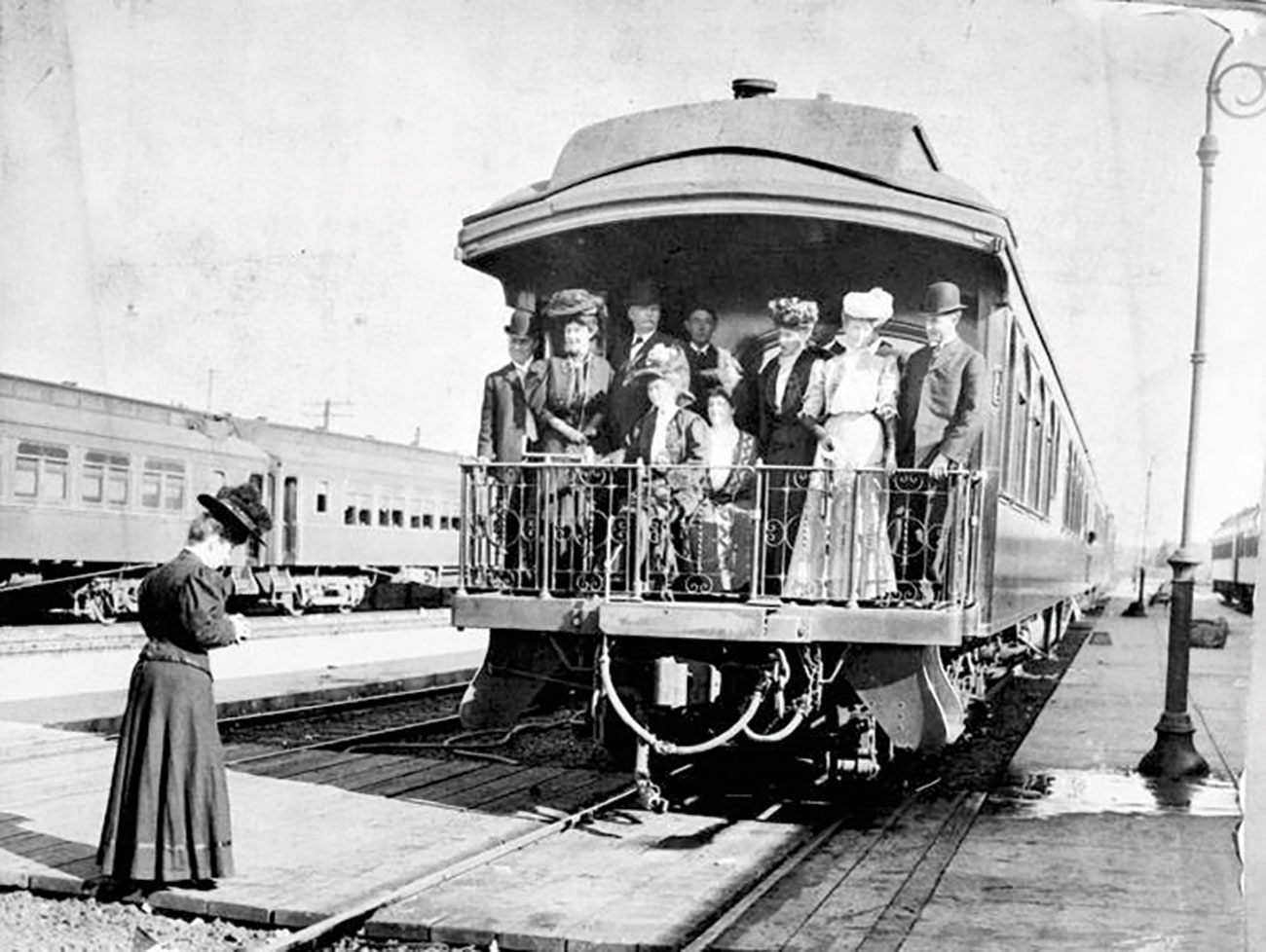
Almost 200 years later, El Paso del Norte effectively split after the 1848 Treaty of Guadalupe Hidalgo set the Rio Grande as the boundary between the U.S. and Mexico. The south side eventually became known as Ciudad Juárez, and the north was called El Paso—a city officially incorporated in 1873. Railroads blazed through starting in 1881 and cemented this sleepy settlement as a continental nexus. “It changed everything,” says Yolanda Chávez Leyva, a history professor at the University of Texas at El Paso. “The railroads made agriculture a part of our economy. Anglos came from all over the U.S. It made migration from Mexico easier, especially during the Mexican Revolution.”
Along the way, there have been moments of political and cultural triumph, from the 1963 Chamizal Treaty peacefully resolving a century-long land dispute with Mexico to the 1966 Texas Western Miners national basketball title with an all-Black starting lineup— a watershed moment for sports and civil rights.
Today, 680,000 people call the city home. “We’re hardy folk who have learned to live within complex identities together,” says Erica Marin, director of the El Paso Museum of History. “The desert is not an easy place to live, yet we’ve found a way to do it together and to find joy in that.”
What’s in a name?
El Paso has long been known as the “Sun City” because of its annual average of 302 days of sunshine. But locals use a different nickname: “El Chuco.” The moniker can be found on apparel, stickers, and even helmets worn by UTEP’s football team, but the origin is up for debate. Most cite the pachucos, a Mexican American subculture in the 1930s and ’40s. Others reference a bygone shoe company: Mexican employees crossing the river would say “pa’el shoe co.,” or “to the shoe co.” when asked where they were going. Others argue it’s derived from the Spanish word “chueco” (crooked) because of the city’s lawless reputation during the late 1800s, while yet another theory credits migrants from Pachuca, Mexico. El Paso native PoloTeo Medina has pondered the origins over the last few years while researching pachucos and their signature zoot suits. “It’s fun having conversations of ‘Hey, this is what I heard,’” he says. “But we’ll never be 100% sure.”
ON THE MARK
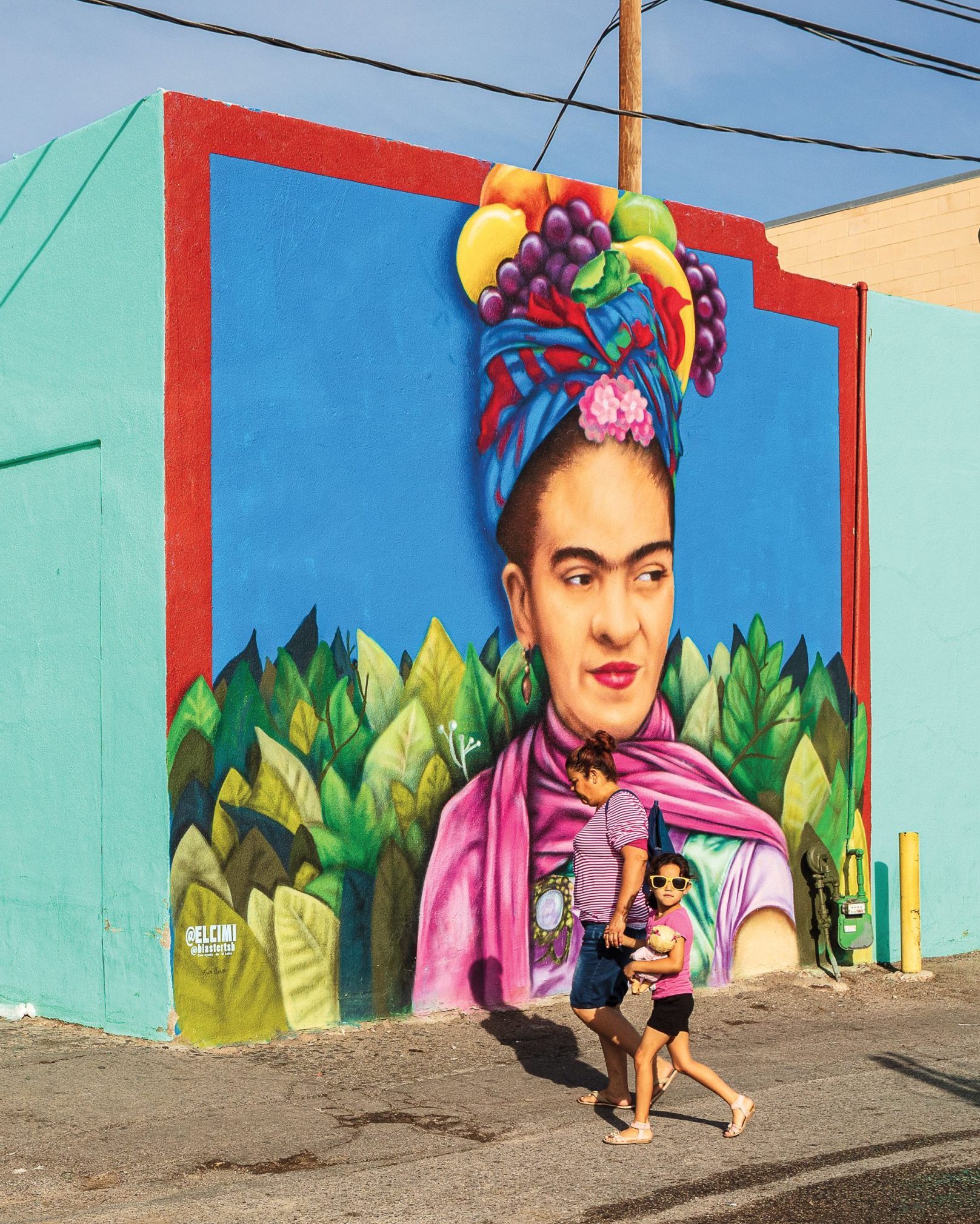
Perhaps the most accessible way to survey El Paso’s history is through its graffiti—the human-made markings, paintings, and carvings that illuminate centuries of history. The city’s graffiti ranges from minor to massive in scale. The latter is seen in the giant capital letters—acronyms for local schools—formed by whitewashed rocks on the Franklin Mountains. Even more prominent, though, is the monumental inscription, in Spanish, on Juárez’s Cerro Bola mountain: “City of Juárez. The Bible is the truth. Read it.” Not to be overlooked are the dozens of street art pieces scattered around Segundo Barrio and the freeway columns at Lincoln Park. Most illustrate local heroes or everyday experiences and people. To view the region’s earliest graffiti, head to Hueco Tanks State Park & Historic Site, about 40 miles northeast from downtown. There, hidden among pockmarked rocks famous for bouldering, is a vast collection of native pictographs and petroglyphs accumulated over thousands of years of human activity. It’s proof that El Pasoans have always had the impulse to leave their mark.
Three Amigos
A trio of historic structures trace El Paso’s early history
By James Hernández
Nearly a century before the 13 colonies waged war on Great Britain, a different battle for independence unfolded in the West. In August 1680, after years of enduring harsh colonial rule, the Pueblo peoples of New Mexico reached a breaking point. Led by Tewa religious leader Popé, they coordinated a series of attacks that sent Spanish colonists scurrying south in retreat. While the natives briefly reclaimed cultural autonomy and their ancestral lands in what’s referred to today as the Pueblo Revolt, approximately 400 Spaniards were killed.
The survivors, along with a group of hostages and allied natives, eventually reached present-day Juárez. There, they took refuge at a mission founded in 1659—Misión de Nuestra Señora de Guadalupe, which still stands in its original structure. It served as a staging ground of sorts until a new chain of settlements was formed, where the Ysleta and Socorro missions—built by Native American laborers—came to be. The missions primarily functioned to convert the natives: Ysleta for the Tigua and Socorro for the Piro, among other groups.
“We consider the revolt as the first American Revolution,” says Rick Quezada, Tigua tribal member and director of cultural preservation for the Ysleta del Sur Pueblo. “It was our own quest to overthrow a European empire.”
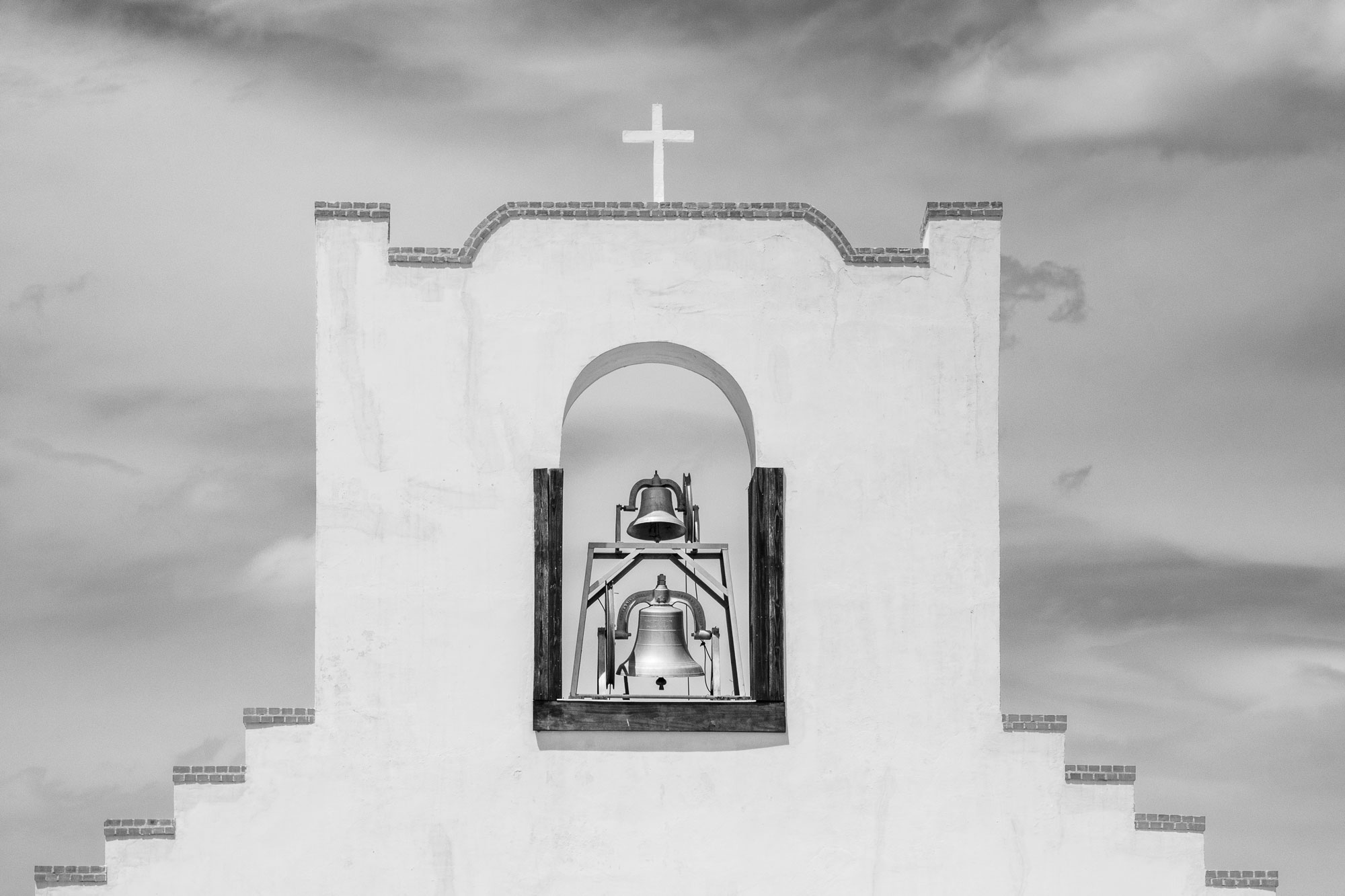
Both the Ysleta and Socorro missions have stood in one form or another since they were established in the 1680s. It’s these churches and the San Elizario Presidio Chapel, built in 1789, that comprise El Paso’s Mission Trail. All three have been relocated, rebuilt, or renovated. What you see today is not how they first appeared, yet nowhere else are the region’s Spanish and Indigenous roots more plainly exposed. That blend is best illustrated every June during Ysleta’s Feast of St. Anthony, a more than 300-year-old tradition marked by a Catholic Mass and ceremonial dances.
“The church is the center of our religious belief system,” Quezada says. “Everything is conducted at the mission—death rites, christenings, marriages. Even our ancestors are buried in and around the mission. It’s a central part of our history.”
New Meets Old
Few places have blended the past and present as seamlessly as the Mission Valley in southeastern El Paso. The area’s revamp first took root in the late 2000s when Al Borrego, then president of the El Paso Art Association, began renovating old adobes on San Elizario’s main street and eventually founded the town’s art district. “Before, there was nothing. It was all boarded up,” he says. “Suddenly I had over 100 artists represented in the district.”
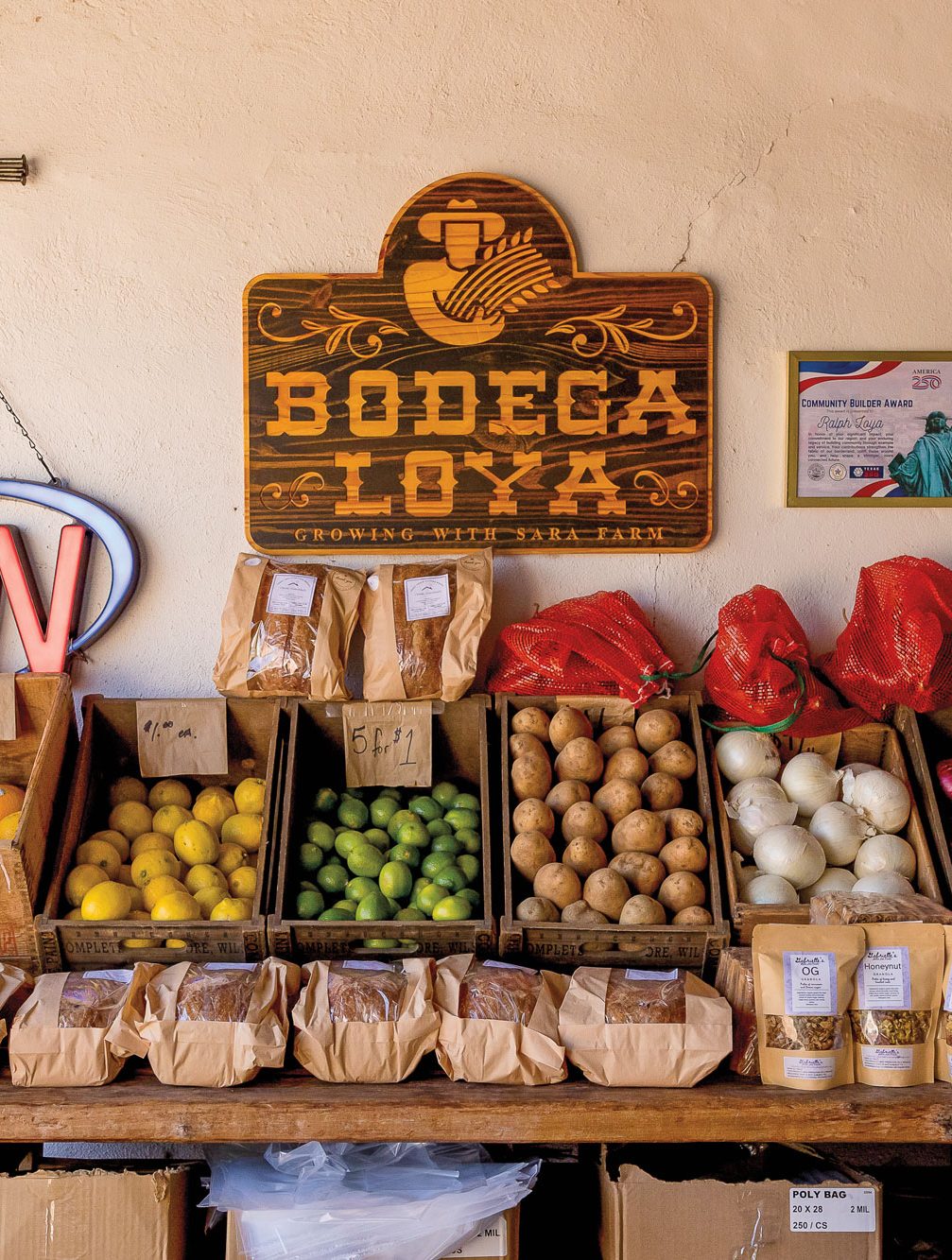
In recent years, a vibrant hub of culture, cuisine, and history has coalesced around the 9-mile Mission Trail. These days, visitors can stroll through exhibits at the Ysleta del Sur Pueblo Cultural Center and Los Portales Museum, take a hike inside the 372-acre Rio Bosque Wetlands Park, or procure fresh produce at Bodega Loya farm and market. Try the local cuisine at a host of homegrown eateries including Cafe CoCol, Three Missions Brewery, and Café Piro, which is owned by James Beard-nominated chefs Gabe and Melissa Padilla.
Peak Mythology
Explore the 26,000-acre Franklin Mountains state park, entirely within city limits
By Nicole Beckley
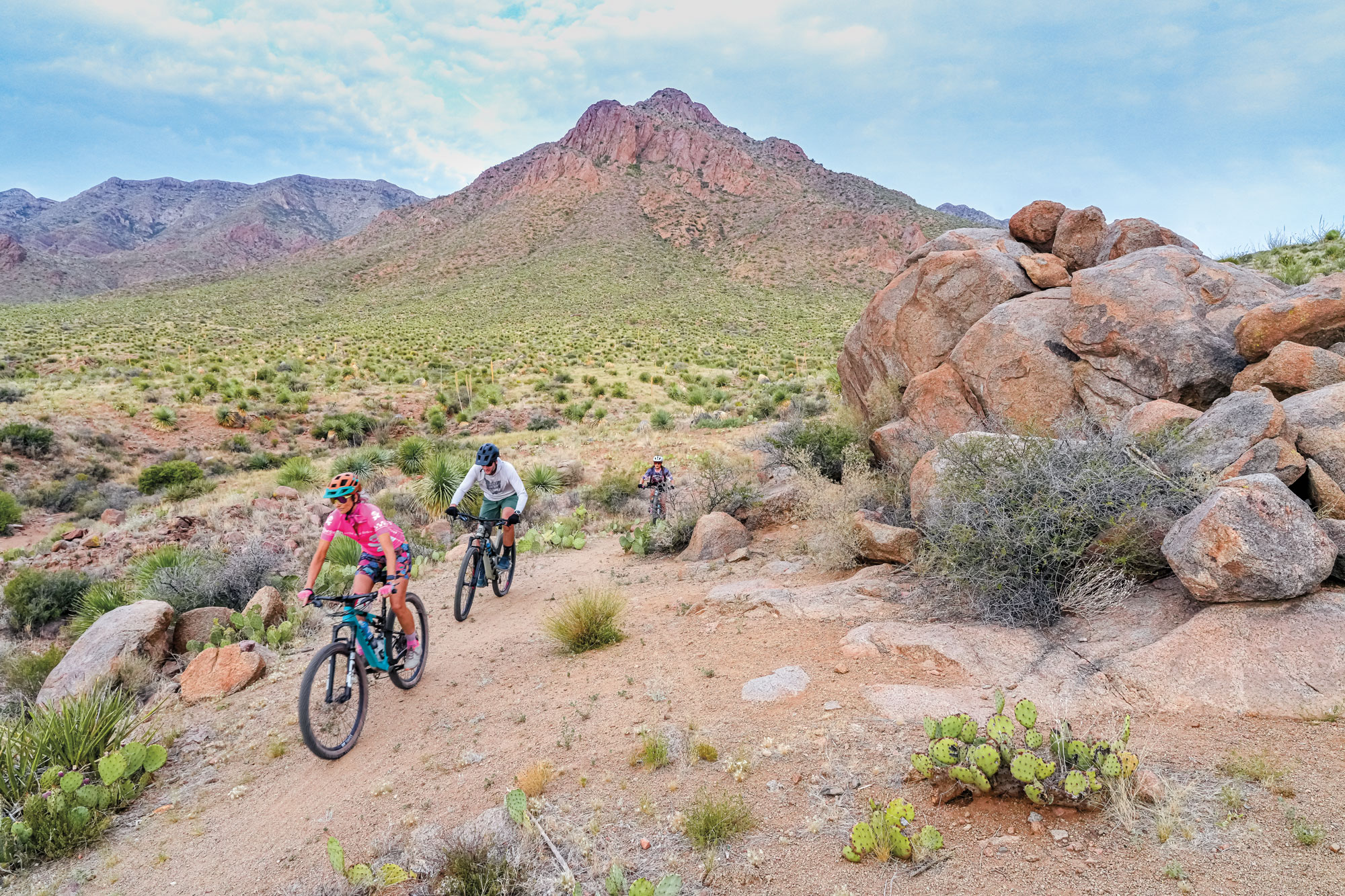
Ocotillo, YUCCA, and Southwestern barrel cactus dot the high desert terrain of Franklin Mountains State Park. More than 100 miles of trails, with options for hiking and mountain biking, reveal desert wildlife, including cottontail and jackrabbits, coyotes, mule deer, quail, and roadrunners. In the fall, keep an eye out for head-butting bighorn sheep and tarantulas.
“One of the things that definitely catches people off guard when they come to Franklin Mountains State Park is how rugged the trails are,” park interpreter Lydia Pagel says. “It’s very rocky, strenuous terrain, but it’s also incredibly beautiful.”
Beginners can find their footing on the Nature Walk trail, an easy loop that starts with a bird blind and runs less than 1 mile, or Agave Loop, which is under 1.5 miles. For a better view, the more challenging Mundy’s Gap takes hikers up to the ridgeline, gaining about 1,000 feet of elevation. One of the park’s most challenging hikes is North Franklin Peak, which brings visitors to the highest point in El Paso at an elevation of 7,192 feet. The 8-mile round trip includes 2,000 feet of elevation gain. The most popular trail is the Aztec Caves Trail, according to Pagel. “It’s moderate difficulty but gets you up to a large rock shelter,” she says.
Many of the trails are open to mountain bikes. From Chuck Heinrich Memorial Park in the northeast, beginners can ride nearly 7 miles along the Lazy Cow Trail or scale up to the more strenuous 6-mile Tin Mines Trail. More technical trails can be accessed from the visitor center on the Tom Mays Unit side of the park. Whether biking or hiking, there’s rarely shade on the trails, so water, sunscreen, and hats are a must.
The good news for beginners is civilization is never far away. “Franklin Mountains State Park is an urban wilderness park, so you can be in a neighborhood within five minutes,” Pagel says.
SLOW FLOW
It’s been 178 years since the Rio Grande was established as the boundary between the U.S. and Mexico, and now the river is mostly dry. But there are areas where you can chart the river’s path. In the Upper Valley, runners, walkers, and cyclists can access the paved 5-mile Rio Grande River Trail, which runs parallel to the riverbed near the border of New Mexico. It is largely unshaded, so be prepared for intense sun exposure.
ROCK ON
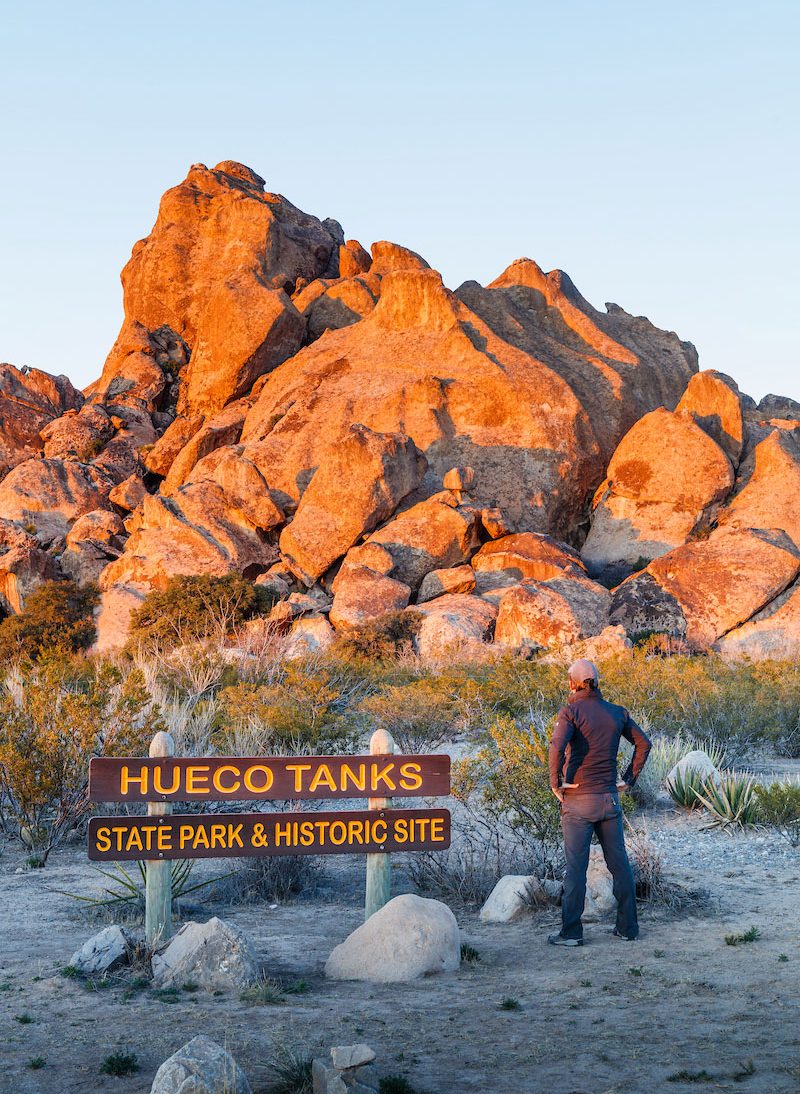
On the eastern edge of El Paso County lies Hueco Tanks State Park, a desert sanctuary known for its striking rock formations and huecos—natural rock basins where rainwater pools.
For thousands of years, nomadic tribes found refuge and water in the caves, leaving behind pictographs, rock wall illustrations painted with natural pigments. To preserve the historic site, the park only allows 70 people in at a time. To avoid longer queues in the morning and on peak holidays and weekends, park interpreter Wendy Diaz recommends booking a guided tour.
Hueco Tanks is also a must-visit spot for climbers and has more than 1,900 bouldering problems to solve. Sessions Climbing Gym in West El Paso offers group bouldering tours at Hueco Tanks throughout the year.
Fair Warning: Visitors are asked to avoid stepping into the huecos because each one contains its own ecosystem, where ancient tadpole and fairy shrimp live their entire life cycles. tpwd.texas.gov/state-parks/hueco-tanks; sessionsclimbing.com
Deep Dish
Four must-try foods originated or perfected in El Paso
By Priscilla Totiyapungprasert
MENUDO
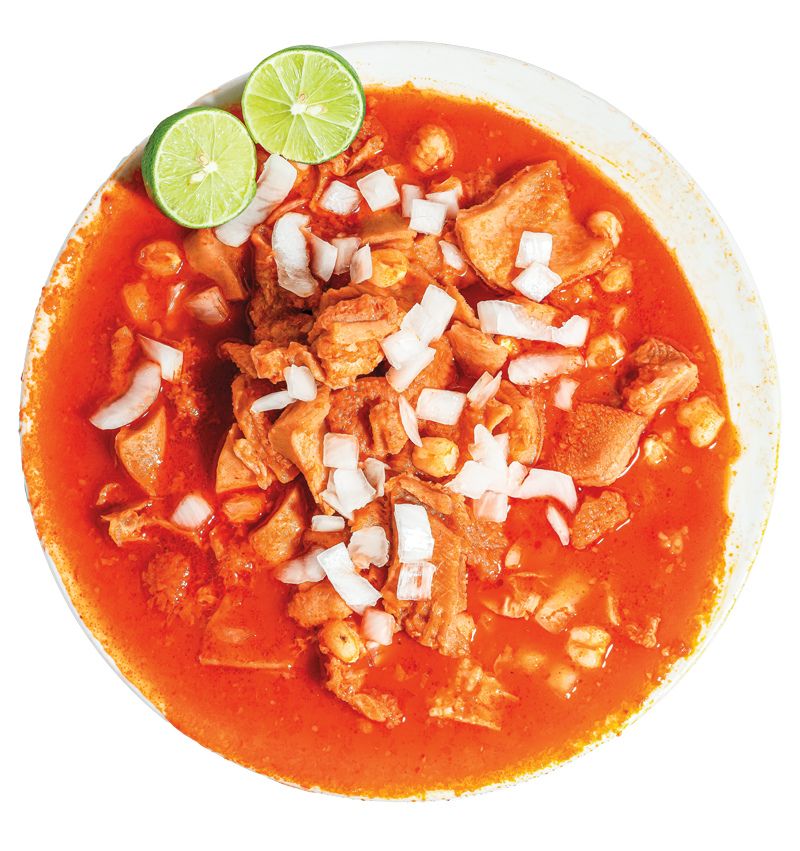
Join the local morning ritual of waiting in line for menudo—a soup made with beef tripe—at Good Luck Cafe. The old-school diner doesn’t take reservations, and the wait can reach an hour on weekends after 9 a.m. But good things come to those who wait for what many consider the best version in the city.
The soup is simmered for hours and contains hominy and a red chile broth. The fiery hue comes from dried guajillo chiles, while dried ancho chiles add a smoky undercurrent. Common accompaniments include bolillos, diced white onion, cilantro, lime wedges, Mexican oregano, and crushed chiles.
In panaderías across town, you’ll often find patrons bringing pots from home to order takeout menudo on the weekends. From Sunday morning breakfast to holiday comfort dish, menudo tastes like home. goodluckcafe.net
CHICO’S TACOS
El Pasoans have strong (and mixed) feelings about their most recognized restaurant. On one hand, Chico’s Tacos is a family-owned institution where many memories have been formed over the past seven decades. On the other hand, some question whether the smothered rolled tacos are worthy of the hype. Pull up to the city’s most famous restaurant and decide for yourself. Chico’s Tacos has multiple locations, and the original still stands in El Paso’s Lower Valley.
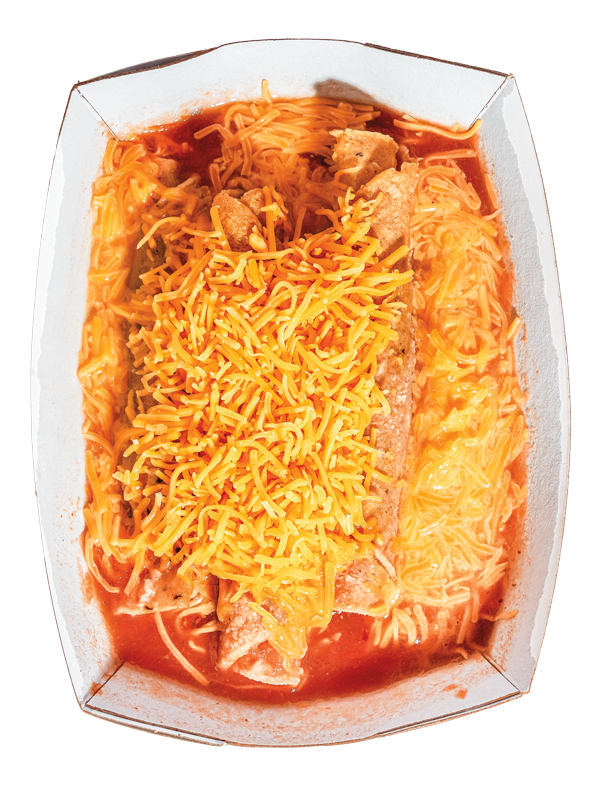
Founded by local boxing promoter Joe Mora and his wife, Emma, the no-frills, cash-only joint has been slinging cheap eats since 1953. A single order consists of three rolled, deep-fried tacos stuffed with seasoned ground beef drowning in a soupy, tomato-based sauce and topped with a mound of shredded yellow cheese, all served in a paper boat with a side of salsa verde.
The restaurant’s signature dish is born from nostalgia and necessity. To feed his siblings while his parents were at work, a teenage Mora cooked tacos using simple, inexpensive ingredients. Then in 2017, Chico’s Tacos caused a minor uproar after switching from government-style imitation cheese to Wisconsin cheddar cheese. Nonetheless, the iconic tacos remain a messy delight and are now served at additional restaurants around the city.
Where to try: Chico’s Tacos, four locations; El Cometa, 4131 N. Mesa St., 915-594-7686; Mama’s Mexican Restaurant, 1461 Lee Trevino Drive, Suite 301, 915 595-1990.
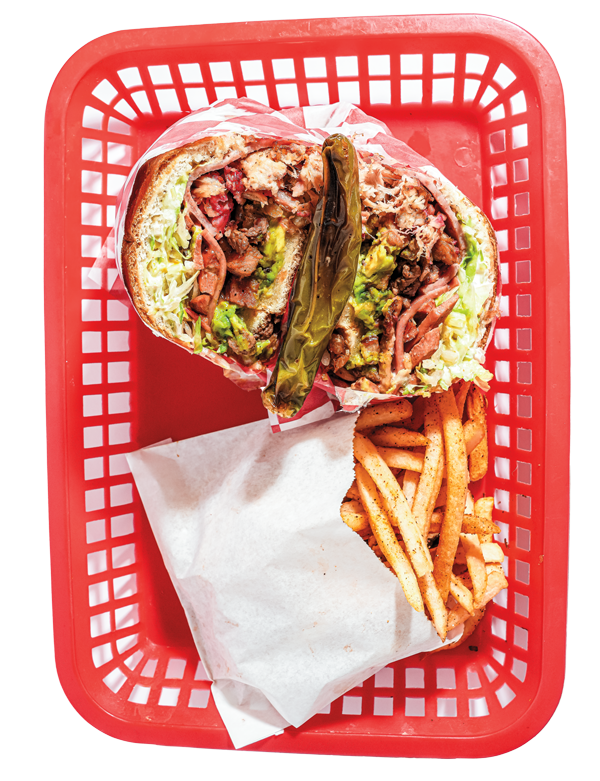
COLITA DE PAVO
This regional delicacy remains underappreciated outside of El Paso and Juárez. While colita de pavo translates to turkey tail, the meat is actually the fatty oil gland located below the tail. Rich in flavor, a perfect bite has a mix of copper-colored crispy skin and tender, juicy meat.
The common way to cook colitas de pavo is to braise them so the fat renders, then fry them on a plancha, creating a texture similar to carnitas. They then get a rough chop before filling tacos and sandwiches, also known as lonches or tortas.
Like other El Paso specialties, colita de pavo reflects the environment it came from and the resourcefulness of its residents. After World War II, the U.S. poultry industry began discarding this piece due to the preference of most Americans for white meat. Meanwhile, borderland butchers appeared happy to turn one man’s trash into a tasty treasure.
El Paso carnicerías such as Flores Meat Market sell fried turkey tails with tortillas made in-house. Martinez Brand is best known for its chicharrones but always has a tray of colitas de pavo on deck. One of the most popular ways to serve colitas de pavo is between two halves of a pillowy bolillo bun.
Where to try: Flores Meat Market, 1781 N. Zaragoza Road, 915-857-6666; Martinez Brand, 515 S. Mesa St., 915-532-3629; Lonches Juaritos, multiple locations; Super Lonches, 210 N. Copia St., 915-843-3562.
BURRITOS
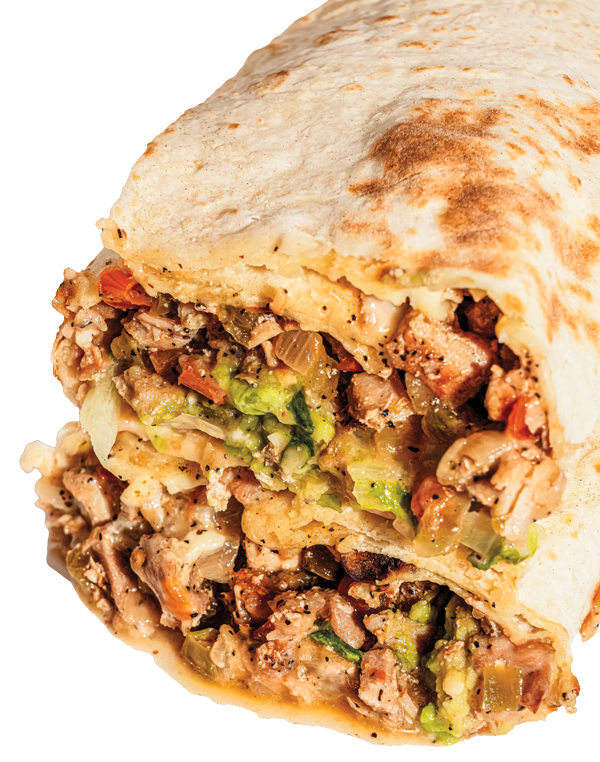
According to The New York Times, “no one questions that Juárez was the birthplace of the burrito.” There are several theories as to who exactly invented them. One credits a street vendor named Juan Mendez who sold guisados wrapped in flour tortillas from a donkey-pulled buggy during the Mexican Revolution. No matter the origins, a Juárez-style burrito keeps things simple. It comes loosely wrapped in a flour tortilla with one or two fillings, such as chile relleno—a stuffed poblano pepper fried in egg batter—or a guisado of stewed beef or pork.
Juárez chains such as Burritos Crisostomo have made their way to El Paso, bringing along their tinfoil-wrapped burritos—refried beans optional. The longstanding La Colonial Tortilla Factory, family-
owned since the 1970s, prepares burritos using house-made flour tortillas and ready-cooked fillings such as chile verde and chicharrón in cafeteria trays behind the counter.
If you’re craving one of those big guys, try Rafa’s Burritos. The “super burro” measures the length of an adult forearm and the “chico” burrito isn’t small either. Come hungry.
Where to try: Burritos Crisostomo, multiple locations; La Colonial Tortilla Factory, 212 N. Copia St., 915-533-9691, lacolonial tortilla.com; Rafa’s Burritos, 1831 Montana Ave., 915-543-6310, orderrafasburritos.com
Creative Spark
The city is home to a dynamic art scene
By Nicole Beckley
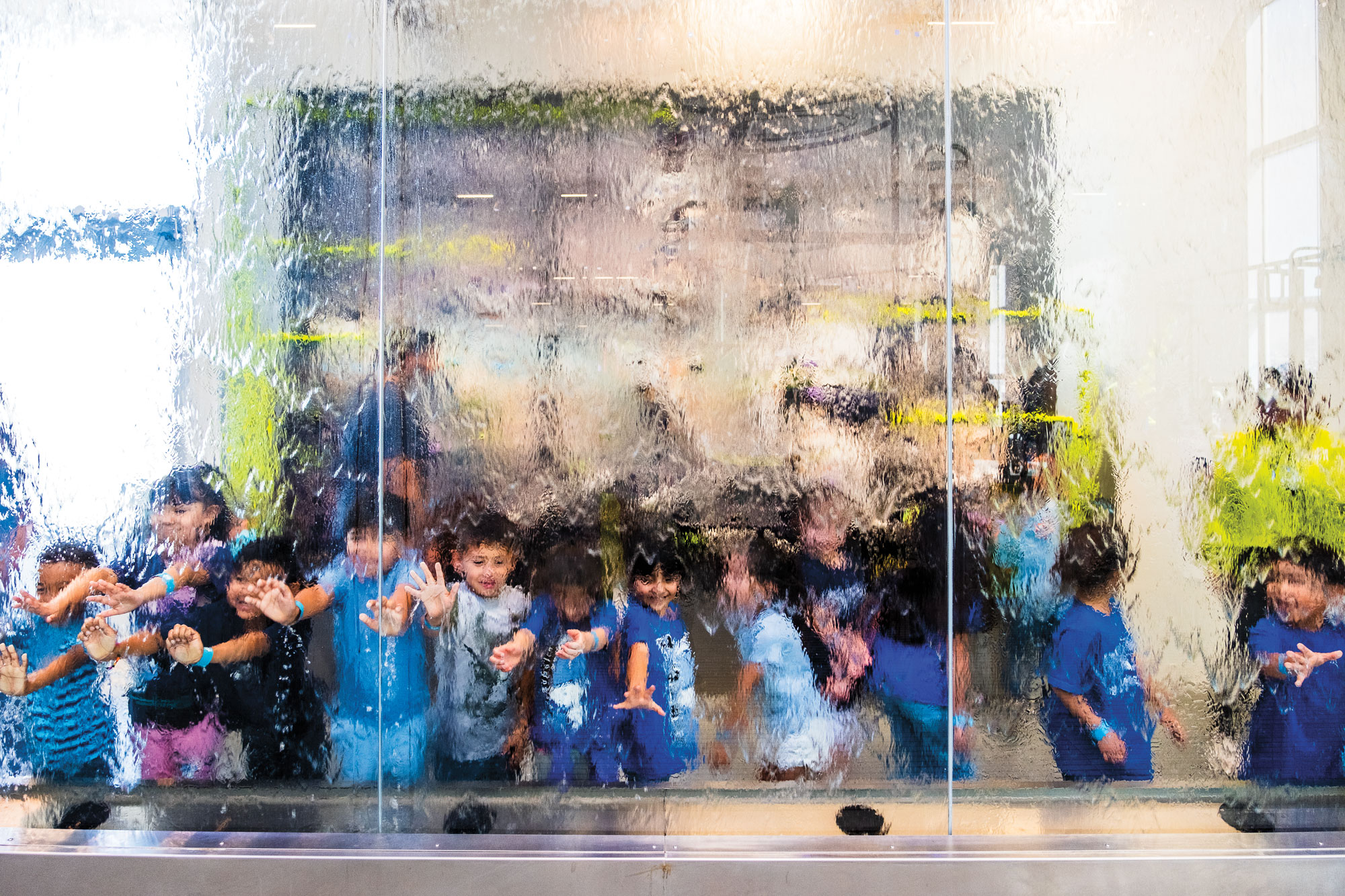
Art is everywhere in El Paso. Within a five-block stretch downtown, visitors can experience artwork, history, science, and culture via a number of museums. The Downtown Arts District was formally recognized in 2011, leading to the development of the four-story, cloud-shaped children’s museum, La Nube, which opened in 2024, and the Mexican American Cultural Center, which debuted last year. A short walk away, the El Paso Holocaust Museum honors survivors and World War II troops with El Paso connections, and the El Paso Museum of History showcases the borderland’s multinational heritage.
Murals splashed throughout the downtown area explore border culture and identity. Highlights include El Paso Masters on North Oregon Street and Fronterizos on the El Paso Museum of Art, both by local artist Jesus “Cimi” Alvarado. Inside the art museum, bright colors pop from a recent commission by artist Marianna Olague. “A lot of her work portrays everyday life in El Paso in these hyperrealistic paintings,” says Michael Reyes, senior curator at the El Paso Museum of Art. “It’s really exciting to see the community come forth and look at these works and say, ‘Wow, I recognize this space,’ or ‘This individual looks like a family member or someone I know.’”
Reyes says part of his job is to look for the next generation of artists in the region who may take after renowned El Paso artists like the late Luis Jiménez, a sculptor known for his large-scale fiberglass creations. “He was very much celebrated for his unique approach to portraying individuals and iconography,” Reyes says, noting that Olague and mixed-media artist José Villalobos share those sensibilities.
In Central El Paso, The Falstaff has emerged as a hub for creatives while Galeria Cinco Puntos spotlights community artists. “There are more independent spaces than there were previously, and artists are working across all mediums,” says Kerry Doyle, former director of the Rubin Center for the Visual Arts at UTEP. She points to Indigenous textile artist Cynthia Gutierrez-Krapp and printmakers Suzi Davidoff and Francisco Delgado. Of Delgado she says, “The sort of characters that show up in his prints and drawings and paintings, they’re a reference to what it is to live here on the border.”
TROST WORTHY
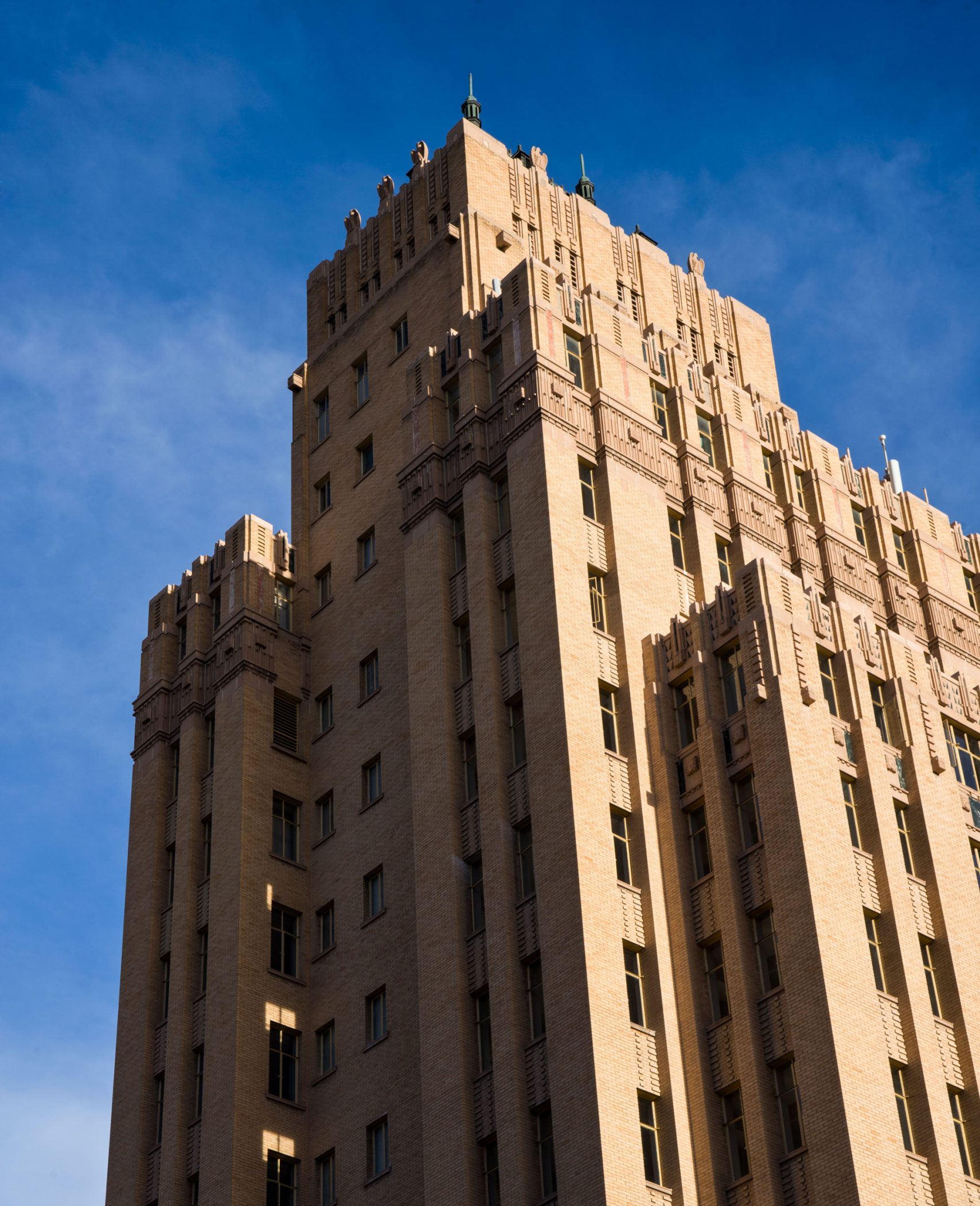
Although not from El Paso, architect Henry Trost certainly shaped the city. Originally from Toledo, Ohio, he worked in Fort Worth, Galveston, and Chicago before relocating to El Paso in 1903 and forming the firm Trost & Trost with his brothers. Inspired by the work of Louis Sullivan and Frank Lloyd Wright, Trost built homes throughout the city, including 1013 Yandell Drive in Sunset Heights, where he lived with his siblings. With its pitched gable roof, horizontal exterior lines, and stained-glass, it bears similarities to Wright’s Prairie School-style Dana-Thomas House.
Trost also built downtown’s first towers, including the Anson Mills Building in 1911 and the Hotel Paso del Norte in 1912. His work endures in the Spanish Renaissance-style Loretto Academy and the neoclassical El Paso High School. “Because his buildings were very high quality, that set the bar for other architects here,” says Claudia Rivers, head of special collections at the UTEP Library.
Grave Expectations
Ghosts and outlaws haunt the city
By Priscilla Totiyapungprasert
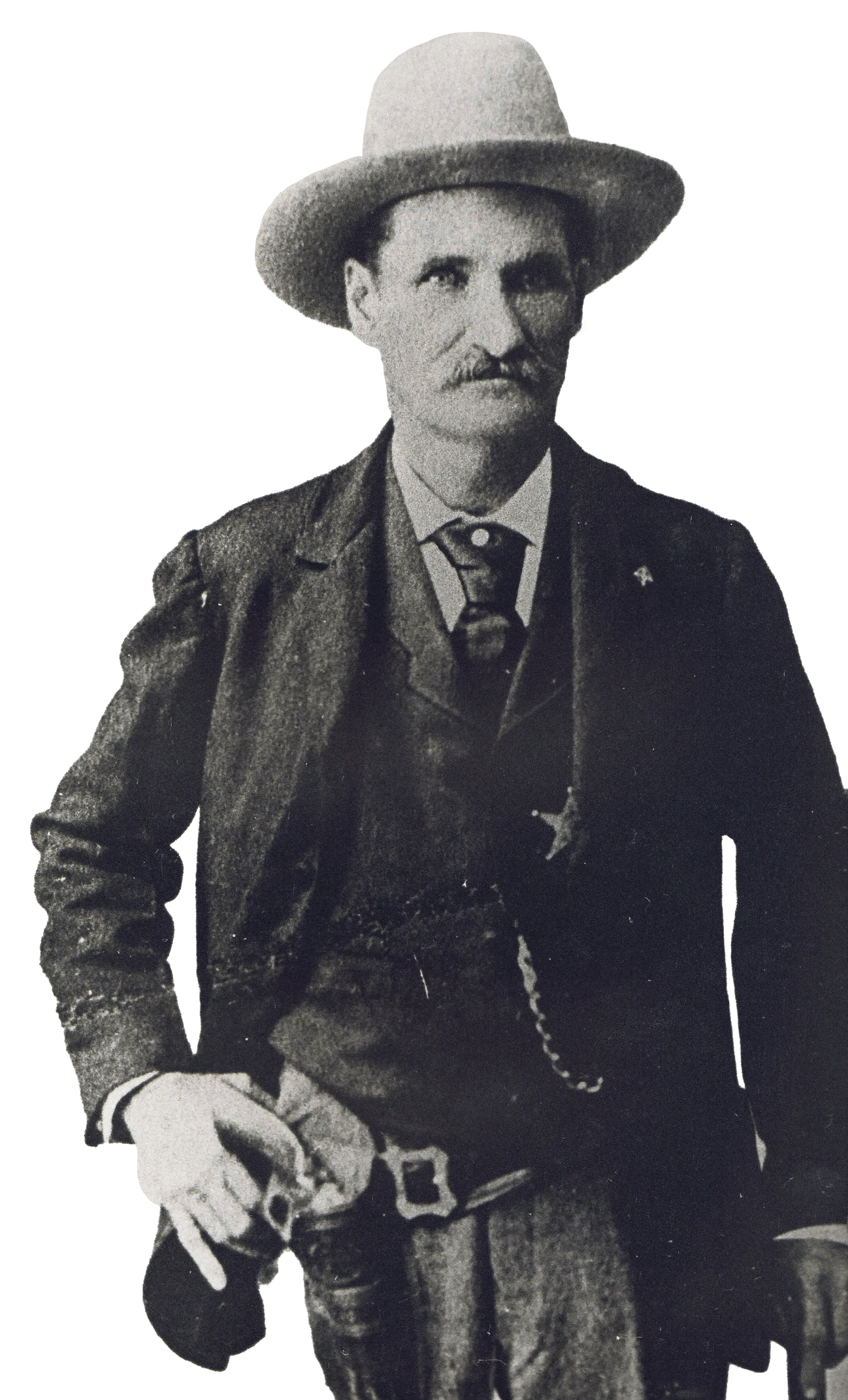
In the late 19th century, drinking, gunslinging, and gambling flourished in El Paso—and stories abound of spirit sightings from that bygone era. One legend involves a ghost named Lily, who is said to haunt the basement of the former Wigwam Saloon. According to Paso del Norte Paranormal Society president Bonnie Juarez, Lily likes getting cheeky with police officers and Fort Bliss soldiers, though they usually get spooked and run away.
Upstairs, the building houses the museum and headquarters for the paranormal society, started in 2007 by a group of El Pasoans investigating ghostly activities in the region. Juarez, who leads tours with her husband, Peter Stone, and other volunteers, says the city is a hotspot for paranormal activity. Due to its once-frequent shootouts, “El Paso was called the Six-Shooter Capital of the World during the railroad days,” Juarez says. “There were more than 90 saloons on two streets. It was very rough-and-tumble.”
She describes the ghost tours as history tours first and foremost, with supernatural elements mixed in. The most requested tour is for the historic Concordia Cemetery, where notorious outlaw John Wesley Hardin was buried after his fatal shooting by lawman and outlaw John Henry Selman in 1895 at El Paso’s Acme Saloon. Others include the haunted brothel tour that takes people through the city’s former red-light district. ghosts915.org
Family Ties
It’s an easy jaunt from downtown El Paso to sister city Juárez
Provided you have your passport, crossing the border from El Paso to Juárez is as easy as an 880-foot walk over the Stanton Bridge. If you visit the bustling sister city, here are four locally beloved destinations.
The most famous bar in Juárez holds more than 100 years of stories, some revealed in its walls, where portraits of matadors and Mexican celebrities hang above the booths. The Kentucky Club opened two years into the Prohibition Era and became the premier destination for Americans looking to imbibe. Local lore claims a bartender in the 1930s invented the club’s signature drink, the margarita. The bar still sells more than 800 a day on weekends.
The Plaza de Toros Alberto Balderas may look deserted most of the year, but the bullring comes alive in the fall. Bullfights returned to the arena in 2024 after a short hiatus, bringing renewed interest to the controversial bloodsport. Previous bullfights have featured young and veteran matadors from Mexico and Spain.
Pan & Prints
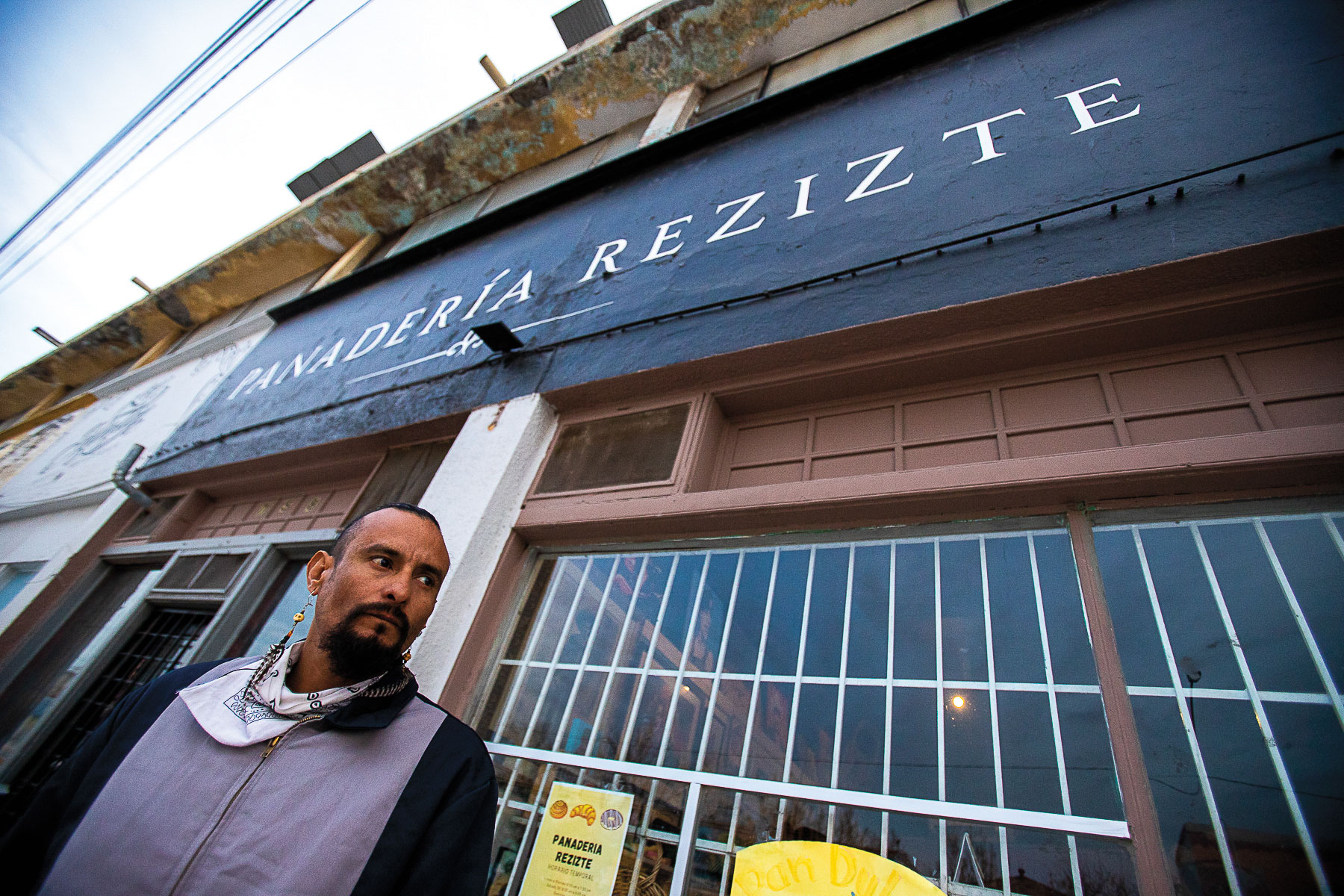
Nestled in a pocket of vibrant street art, this bakery and printmaking studio serves both conchas and graphics in an ode to the binational community. Owner and artist Jorge Pérez, known as “Yorch,” has turned his project into a gathering space for artists. Their prints and murals, painted on the banks of the Rio Grande, depict images of unity between people and celebrate the region’s natural beauty. 1366-22 Ignacio de la Peña
Considered one of the great musical icons of Mexico, the late Juan Gabriel spent much of his childhood in Juárez. Known for his flamboyant stage persona, the singer sold more than 100 million records, garnered six Grammy Award nominations, and received a star on the Hollywood Walk of Fame. After his death in 2016, Gabriel’s estate converted the grandiose two-story property into a museum. Guests can purchase tickets at the gate to explore the grounds or book a tour of the house in advance.