
Dust off the binoculars and fire up the Merlin, eBird, and Sibley apps: It’s prime time for Texas birding. Late February through May is spring migration, when avian species on the continent head north for the summer. One in three migrants pass through Texas.
Spring migration in Texas means the squawking and honking of crane, heron, geese, and ducks thousands of feet overhead. It’s seeing flocks forming and reforming their chevron flight as they ride the southerlies up the Central Flyway to summer homes as distant as Canada, Alaska, and Siberia.
This season also means the arrival of songbirds and hummingbirds from Mexico and Central and South America for nesting season. The songbirds’ melodic calls crescendo into a noisy symphony, accompanied by the high-pitched squeaks and chirps of the hummers zipping around.
Along the Texas coast, spring migration means the possibility of a fallout. Millions of birds fly across the Gulf from Mexico’s Yucatan toward the Texas coast every night during the season, often tracked on Doppler radar. The 600 to 800 mile jaunt is strenuous.
If the wind is blowing from the north, the migrants will set down at the first sight of land—the coast—rather than fly farther inland before resting. This is called fallout: many species hanging out together, thanks to exhaustion and headwinds.
Flight Path
A new
seasonal newsletter for Texas’ novice birders and longtime enthusiasts
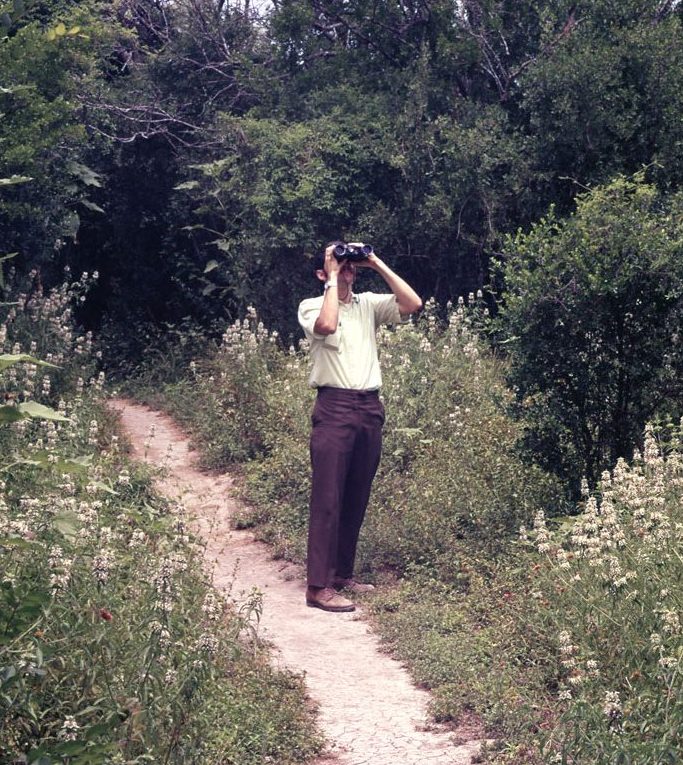
No matter where you are in Texas, this is the best time to look for birds. These six hotspots are particularly dependable places to find them. —Joe Nick Patoski
South Padre Island
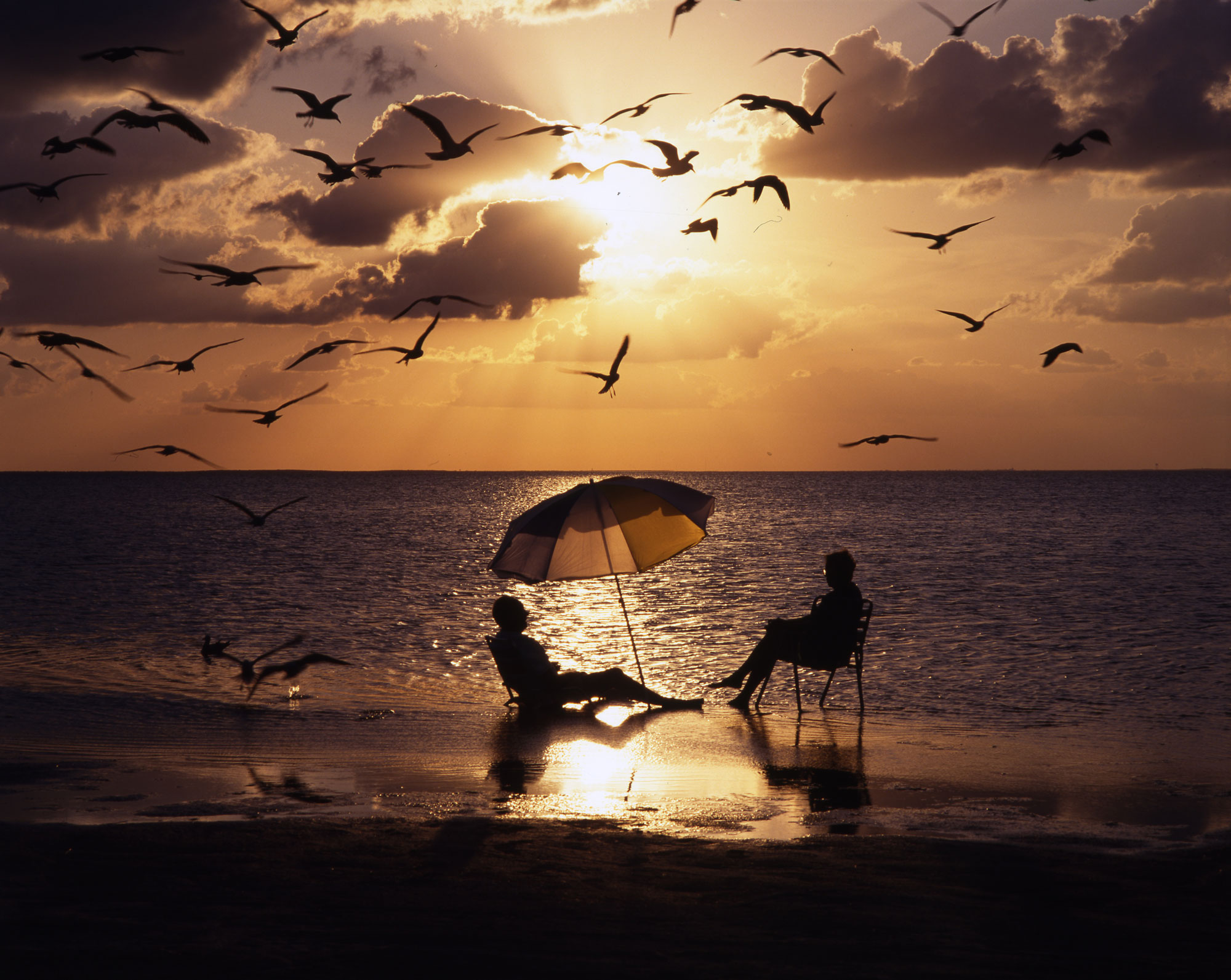
Two boardwalks over Laguna Madre wetlands at the SPI Birding Center and Alligator Sanctuary and adjacent convention center, and the not-quite-half-acre string of empty lots known as the Valley Land Fund Migratory Bird Lots make the town of South Padre Island a compact paradise for migratory birding. The empty lots on Sheepshead Street are landscaped and loaded with fruit, water, and feeders for fresh arrivals from their Trans-Gulf flight, meaning buntings, orioles, and warblers.
Viewing migrants is easy, says Javi Gonzalez, the naturalist at the SPI Birding Center. “Since they’re tired from the flight, they’re not too concerned with folks. They’re just concerned with feeding.”
South padre island
SPI Birding Center and Alligator Sanctuary
6801 Padre Blvd., South Padre Island. spibirding.org
Valley Land Fund Migratory Bird Lots
119 W. Sheepshead St., South Padre Island.
Gonzalez explains the spring difference on the island. “The warblers, the vireos, the tanagers, the buntings are all in their bright breeding plumages,” he says. “There’s also migrating shorebirds, seabirds, and wading birds on the Laguna Madre; they’re in their bright colors as well. Even our residents, like herons and spoonbills, come into their bright colors. It’s just so vibrant.”
Gonzalez says that the birds strut around, as if they know how stunning they are.
“I personally see more than 200 species each migration,” he says, “and I don’t even try.”
Rookery at Smith Oaks SAnctuary
High Island is birding nirvana. Close to 400 species have been documented in and around this salt dome building 32 feet above the surrounding marshes.
World-famous for its fallouts, “The upper Texas coast is critically important to billions of migratory birds,” says Zinnera Seth Chong of Houston Audubon, which owns four sanctuaries around High Island. “Birders and nature enthusiasts from all 50 states and more than 20 countries visit High Island during peak spring migration.”
high island
Smith Oaks Bird Sanctuary
2205 Old Mexico Rd., High Island. houstonaudubon.org
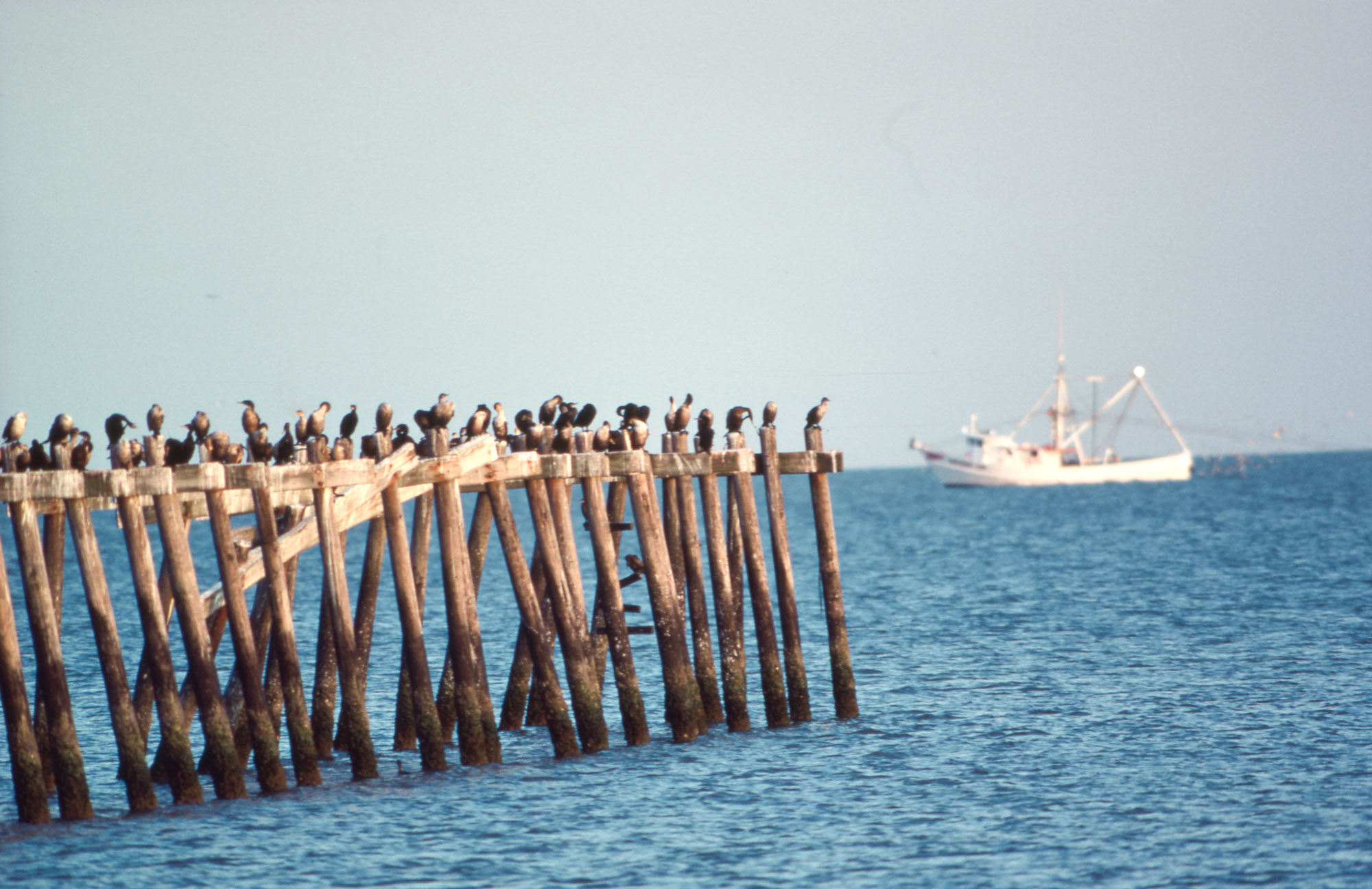
My favorite go-to destination on High Island is Rookery Island at Clay Bottom Pond in Smith Oaks, a protected area where thousands of herons, egrets, cormorants, spoonbills, and other water birds weigh down tree branches with nests as they raise their young. Sunset promises the most activity, with a canopy walkway offering the best views and a respite from mosquitos.
The High Island sanctuaries are free on the first Saturday of April.
“By removing cost as a barrier, we’re inviting more of our community to connect with birds and wildlife,” Seth Chong says. “We believe growing a diverse community of bird lovers is essential in preserving the habitats they depend on long term.”
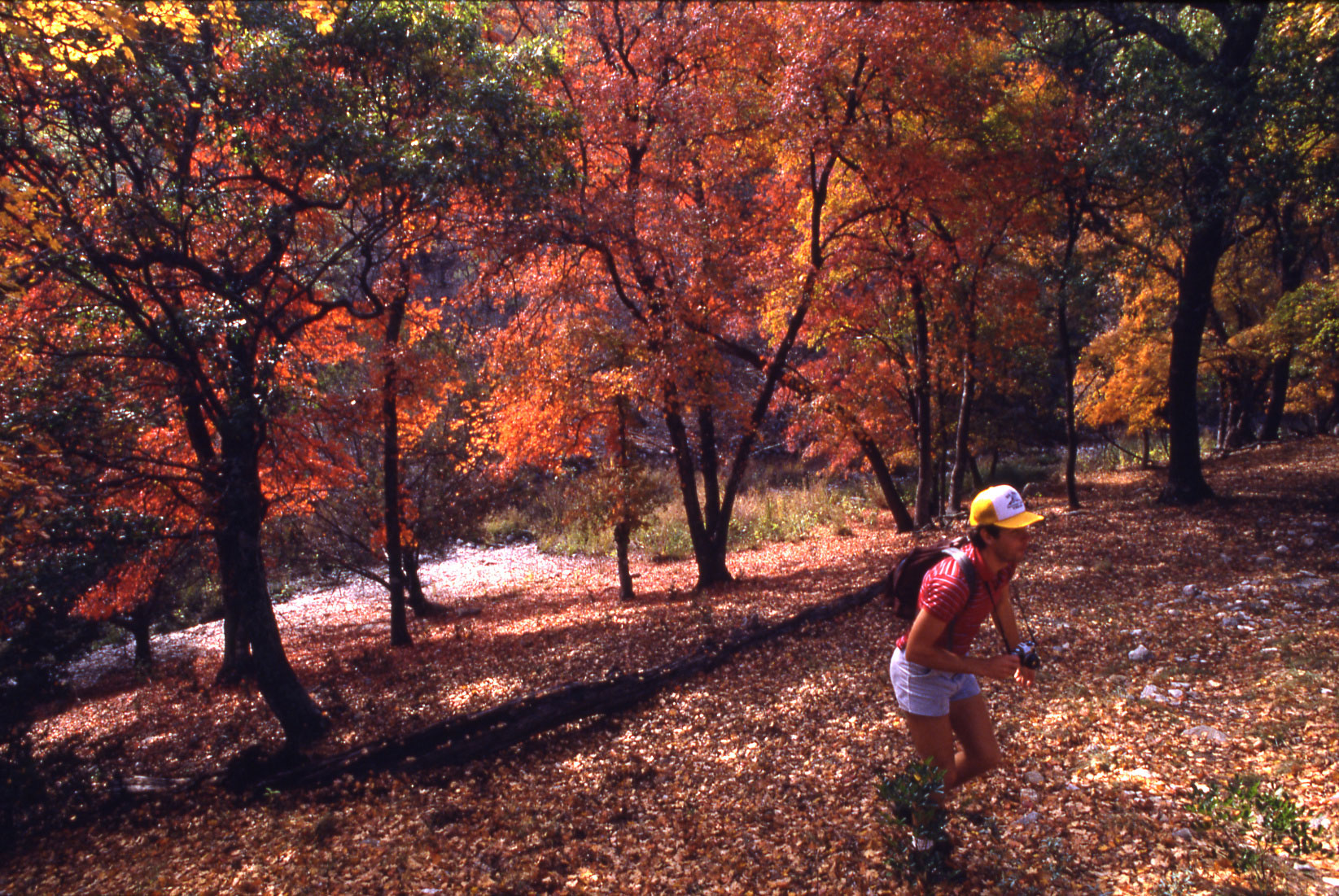
Lost Maples State Natural Area
Victor Emanuel founded his birding business in Austin in 1967 when the hobby was more an idea than a popular pursuit. Since then, VENT has grown into one of the largest companies specializing in birding and nature tours, with more than 40 experts guiding groups to more than 100 locations around the world.
vanderpool
Lost Maples State Natural Area
37221 RM 187, Vanderpool. tpwd.texas.gov
“Victor was among the first with the idea of showing birds to people as a profession,” says Barry Lyon, CEO of VENT. “It wasn’t just the joy of birds, which was his lifeforce. It was the desire to share that passion with others. Nobody did it better.”
Emanuel was the first to lead tour groups searching for golden-cheeked warblers and black-capped vireos, endangered songbirds that only nest in the Hill Country. A year after Emanuel’s death, VENT remains the Hill Country authority.
“The Texas Hill Country in the spring is very dynamic,” Lyon says. “It’s the blend of eastern songbirds and birds associated with the desert southwest and the western United States and it’s in the Central Flyway path of songbird migration.”
VENT focuses on the southern Hill Country north of Uvalde around Concan, Garner State Park, and Lost Maples.
“You have birds from both western and eastern North America, plus birds from southernmost Texas that rarely come north, like Couch’s kingbird, long-billed thrasher, green jay, Audubon’s oriole,” Lyon says. “West of Austin, Pedernales Falls State Park, Enchanted Rock State Natural Area, and the Kerr Wildlife Management area offer excellent birding opportunities as well. The visiting birder can’t go wrong.”
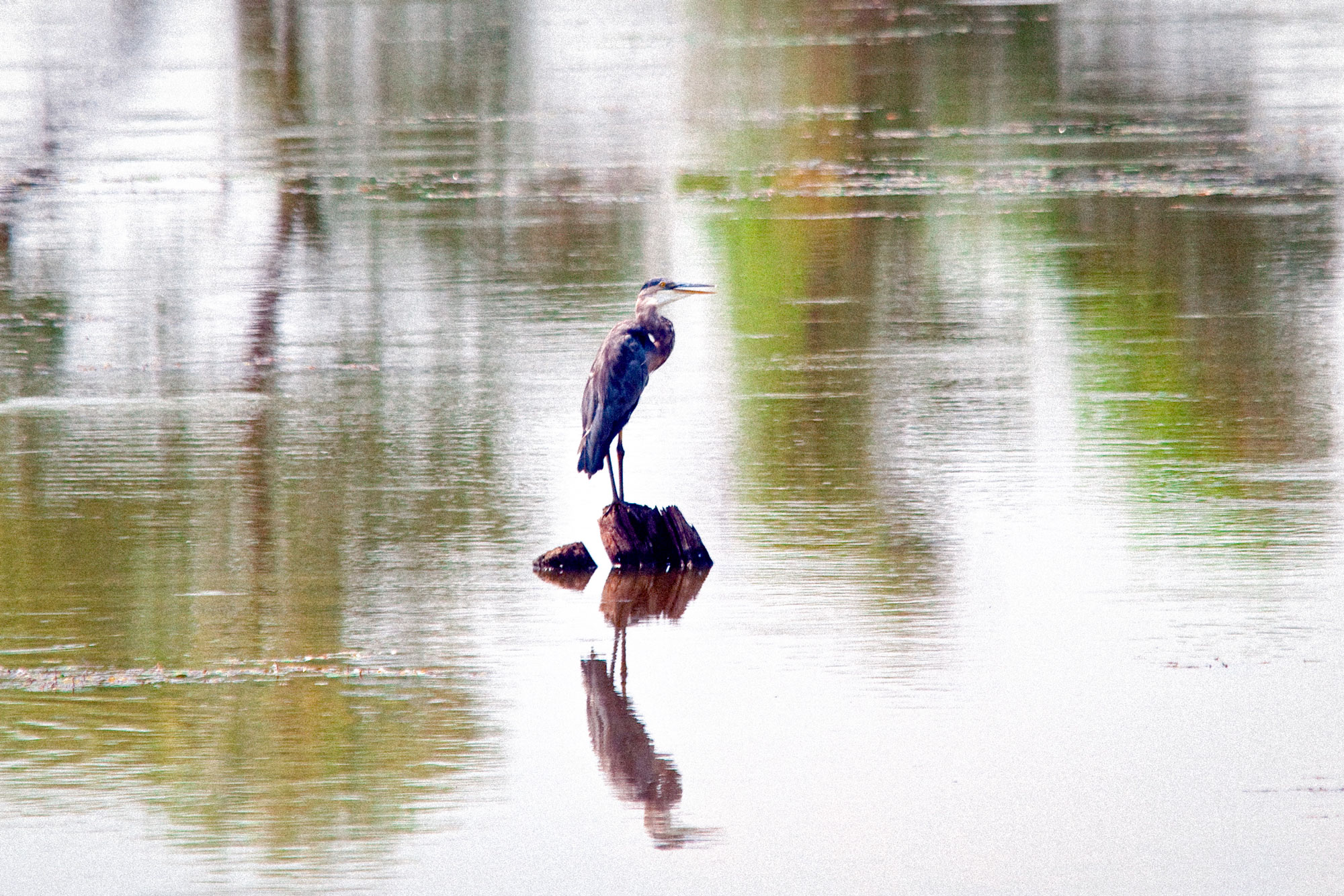
Hagerman National Wildlife Refuge
Birds both little and big draw crowds to Hagerman NWF, an hour and a half from the DFW metro. More than a quarter-million visitors passed through its gate last year.
“This is a very good stopping place for shorebirds,” says Jack Chiles, a master naturalist who has led weekly bird counts for the past 37 years. “After they leave the coast, there aren’t many good stopovers in Texas.”
sherman
Hagerman National Wildlife Refuge
6465 Refuge Rd., Sherman. fws.gov
Chiles says that the refuge has marshes that are flooded on a regular basis for shorebirds. Because of that, 35 species come through regularly, including sandpipers, stilts, plovers and most of the shorebirds found in Texas. The diminutive species are joined by painted buntings, which arrive in late April, and male bobolinks, which pass through in May.
Bald eagles, the refuge’s other main attraction, are year-round refuge residents. Two pairs are currently nesting on site.
Hagerman has a new visitor center, tram tours on weekends, and has programs visitors can join including Chiles’ weekly bird count every Tuesday, and earlybird counts the first and second Saturdays of every month.
“You’ve got pretty good access at the refuge,” Chiles says. “You’re able to drive on pads that were built for oil rigs and be right next to the marshes.”
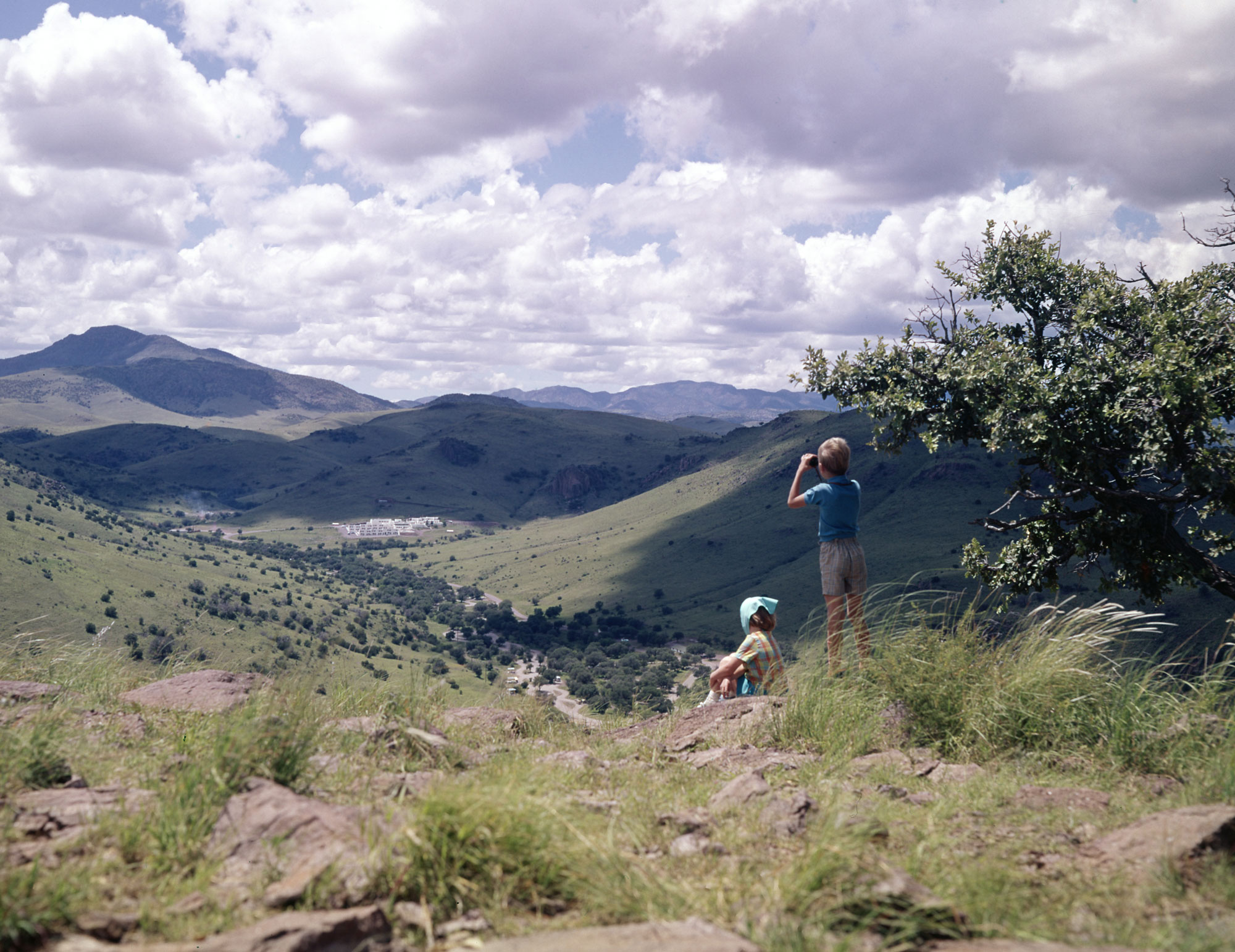
Davis Mountains State Park
Spring at the two bird blinds at Davis Mountains State Park means white-crowned sparrows, hermit thrush, black-throated sparrows, Scott’s orioles, Bullock’s orioles, Western tanagers, cedar waxwings, and lesser goldfinch passing through. They join year-round residents such as woodhouse scrub jays, acorn woodpeckers, ladder-backed woodpeckers, house finches, yellow-rumped warblers, cardinals, pyrrhuloxias, phainopeplas, canyon towhees, and black-crested titmouse.
fort davis
Davis Mountains State Park
TX-118 N., Park Rd. 3
Fort Davis. tpwd.texas.gov
The Emory Oak Wildlife Viewing Area is along the main Park Road 3. “The blind on Park Road 3A behind the Interpretative Center has been dubbed The Taj Mahal, for its unique audio-immersive experience,” says park ranger Charlie Ewing. “A microphone, cleverly disguised as a feeder, captures the sounds of the area, piping it into the speakers.”
Ewing says that people come specifically to see the Montezuma quail, though it hasn’t been spotted much since last May when the summer rain fell. He says in drier years, they can be spotted at the blinds daily. “We got 21 inches over the summer, which provided grass and grass seed for the quail,” he says. “Since they nest in the mountainside grass on the ground, they haven’t needed to venture down to our bird blinds.”
WHO TO SEE
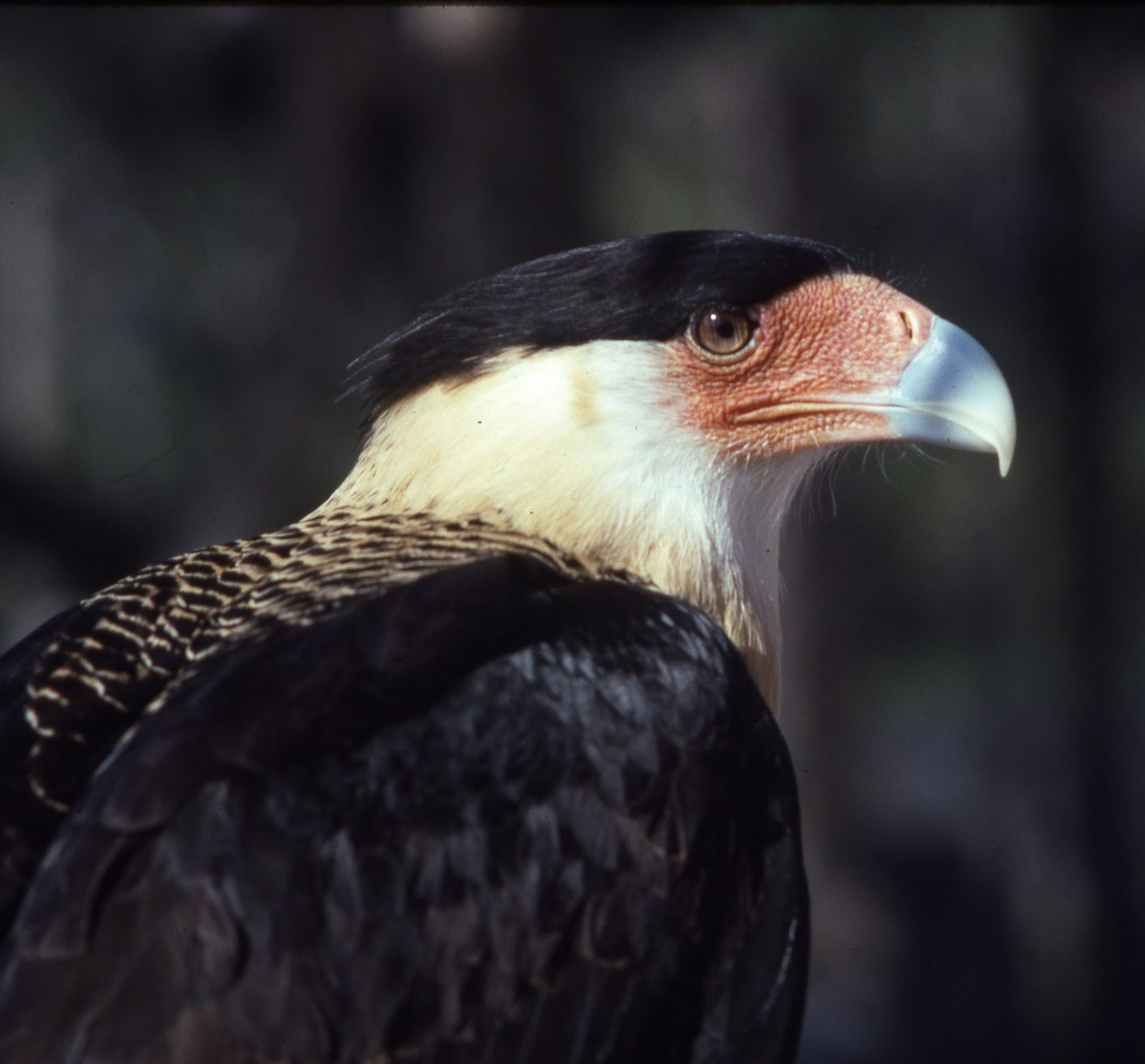
Northern crested caracara
Sometimes called the Mexican eagle, the caracara is actually a falcon that has been expanding its range north over the past few decades. The slender omnivore has a prominent white neck and white wingtips and tail, making it easy to distinguish from hawks and vultures.
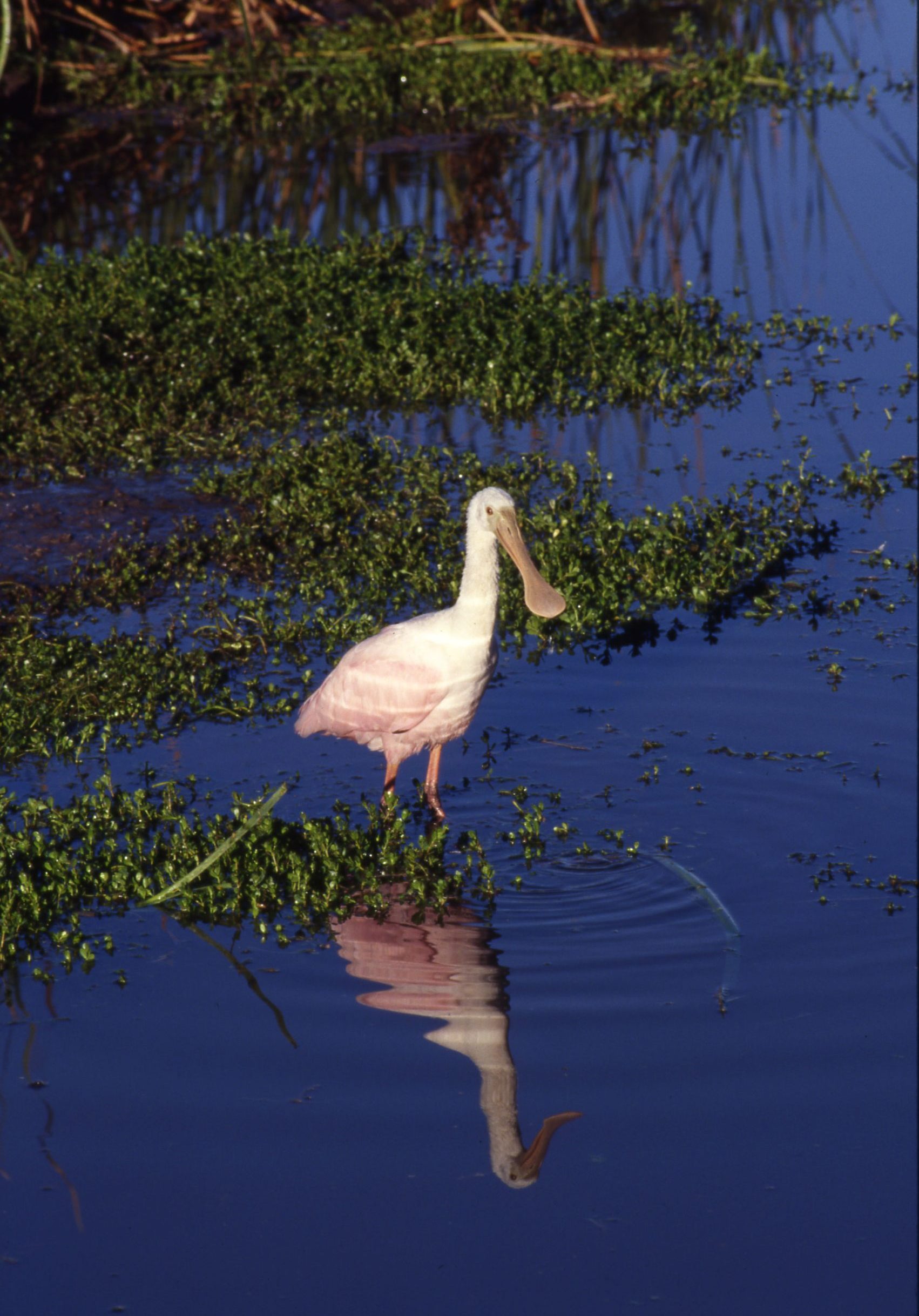
Roseate spoonbill
These wading birds inhabit the Texas Gulf Coast year-round can be spotted during their breeding season from March to June . They are thought to get their distinct pink color from their diet of carotenoid-rich organisms like shrimp.
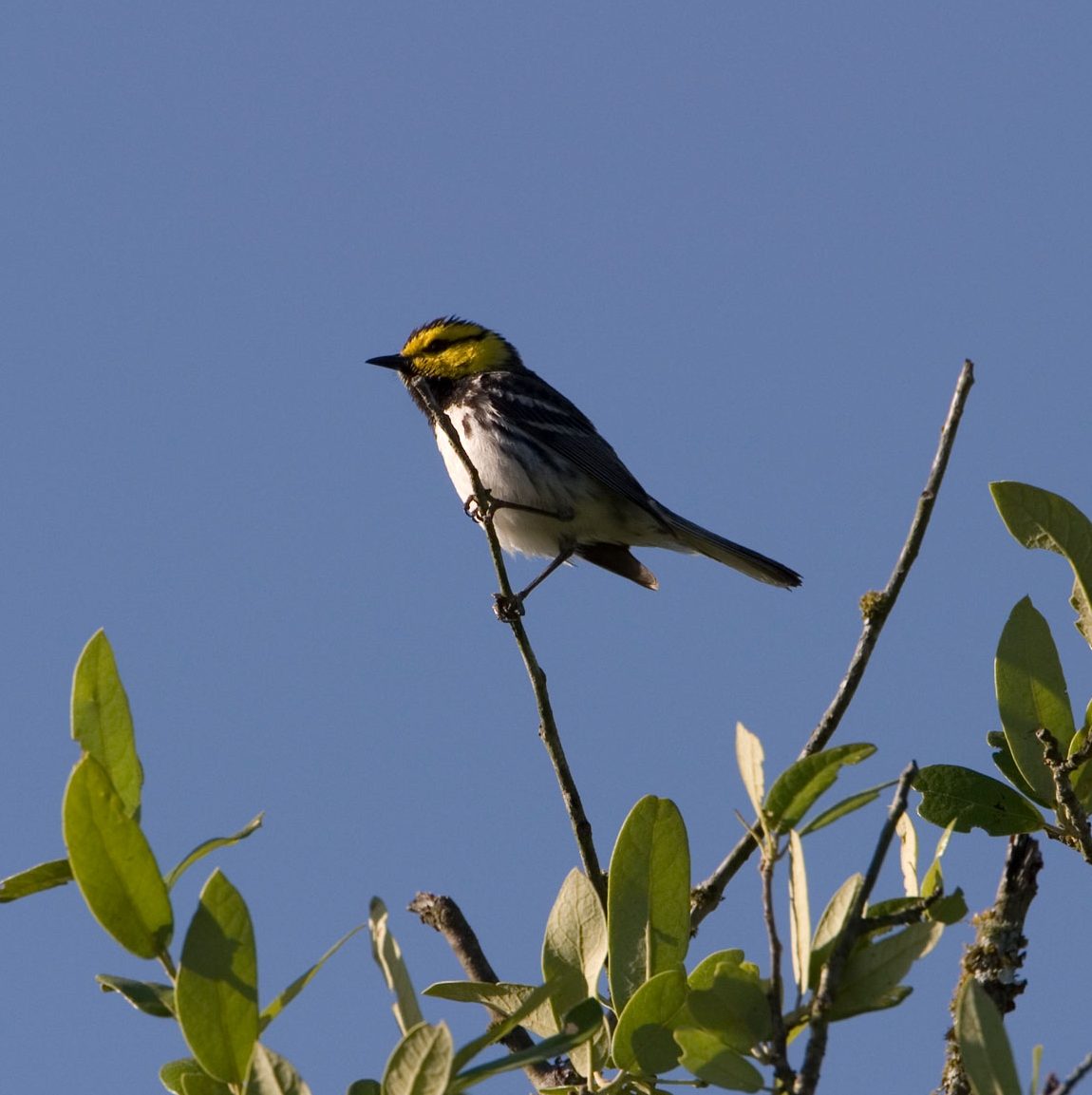
Golden-cheeked warbler
The endangered icon of the Hill Country is exceptionally stealthy. They come to central Texas to nest in March in mixed Ashe-juniper and oak woodlands. They leave in July to spend the winter in Mexico and Central America.
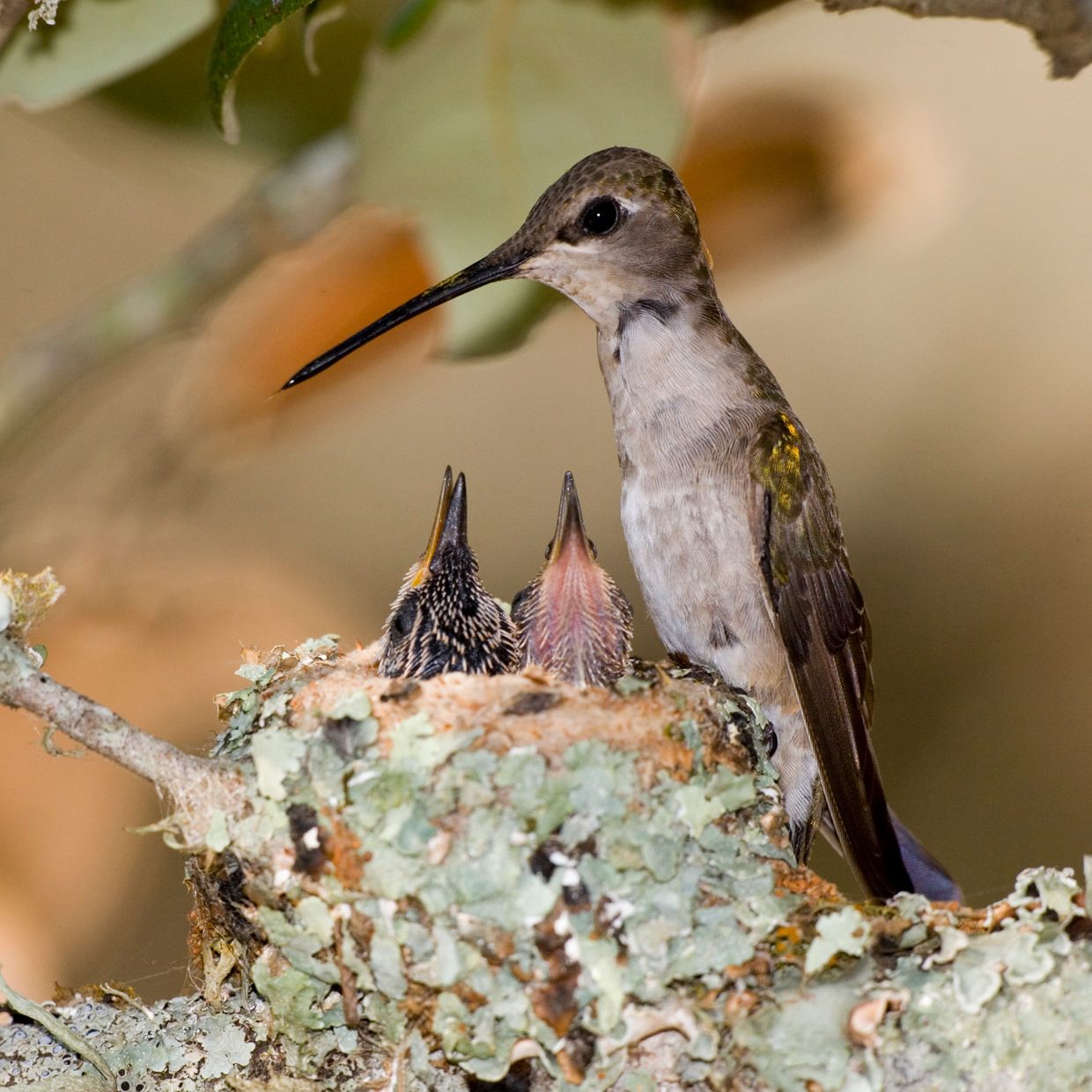
Black-chinned and ruby throat hummingbirds
Black chins are found in the western part of Texas. Ruby throats on their way north are more common in eastern and central Texas, but significant numbers tough it out through summer.
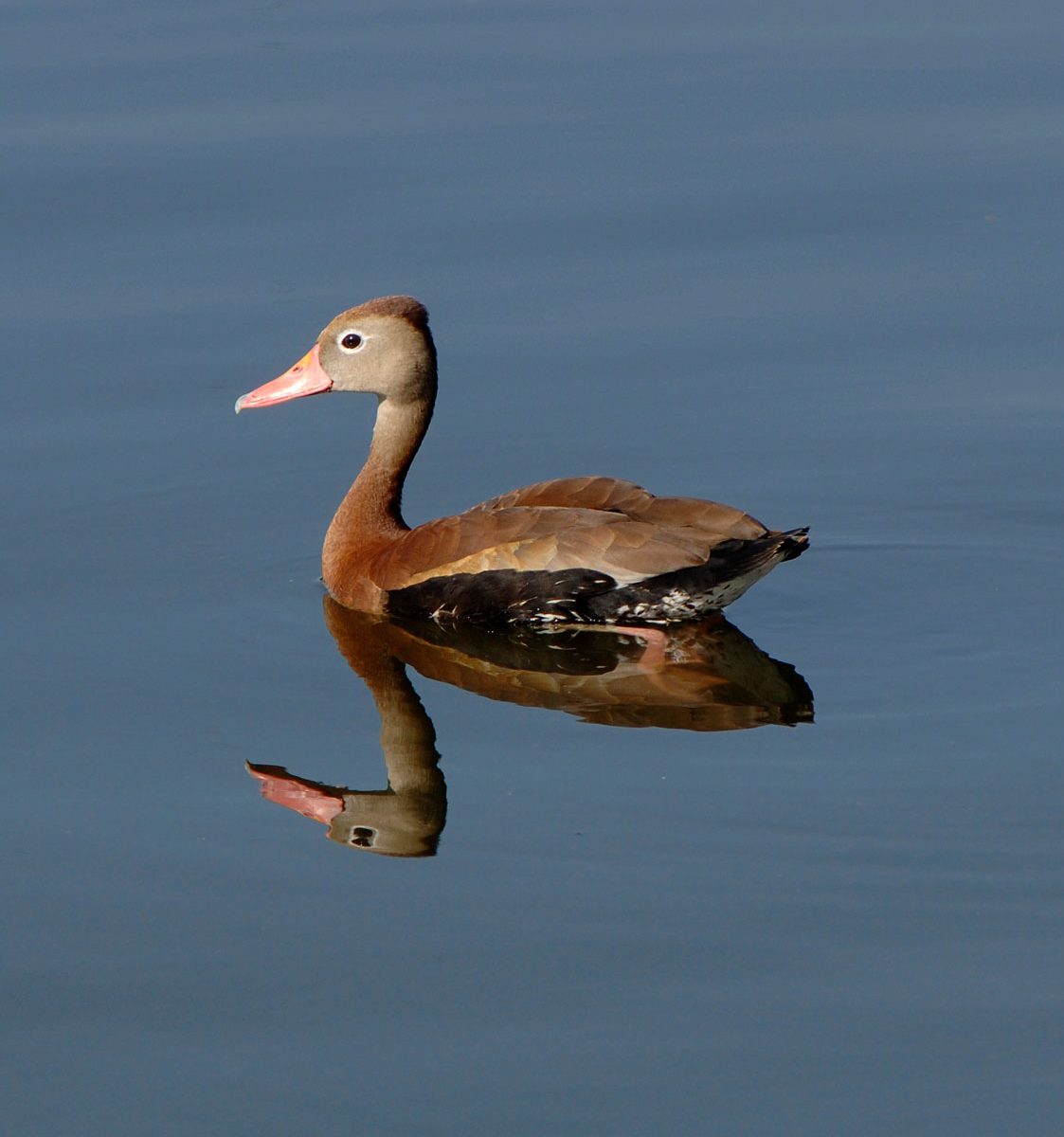
Black-bellied whistling duck
This South Texas year-round native with the bright pink bill is sometimes described as part goose and part duck. If you’ve ever heard a whistle while walking along a South Texas river or lake, it may just be one of these black-bellied beasts.
Attwater’s prairie-chicken
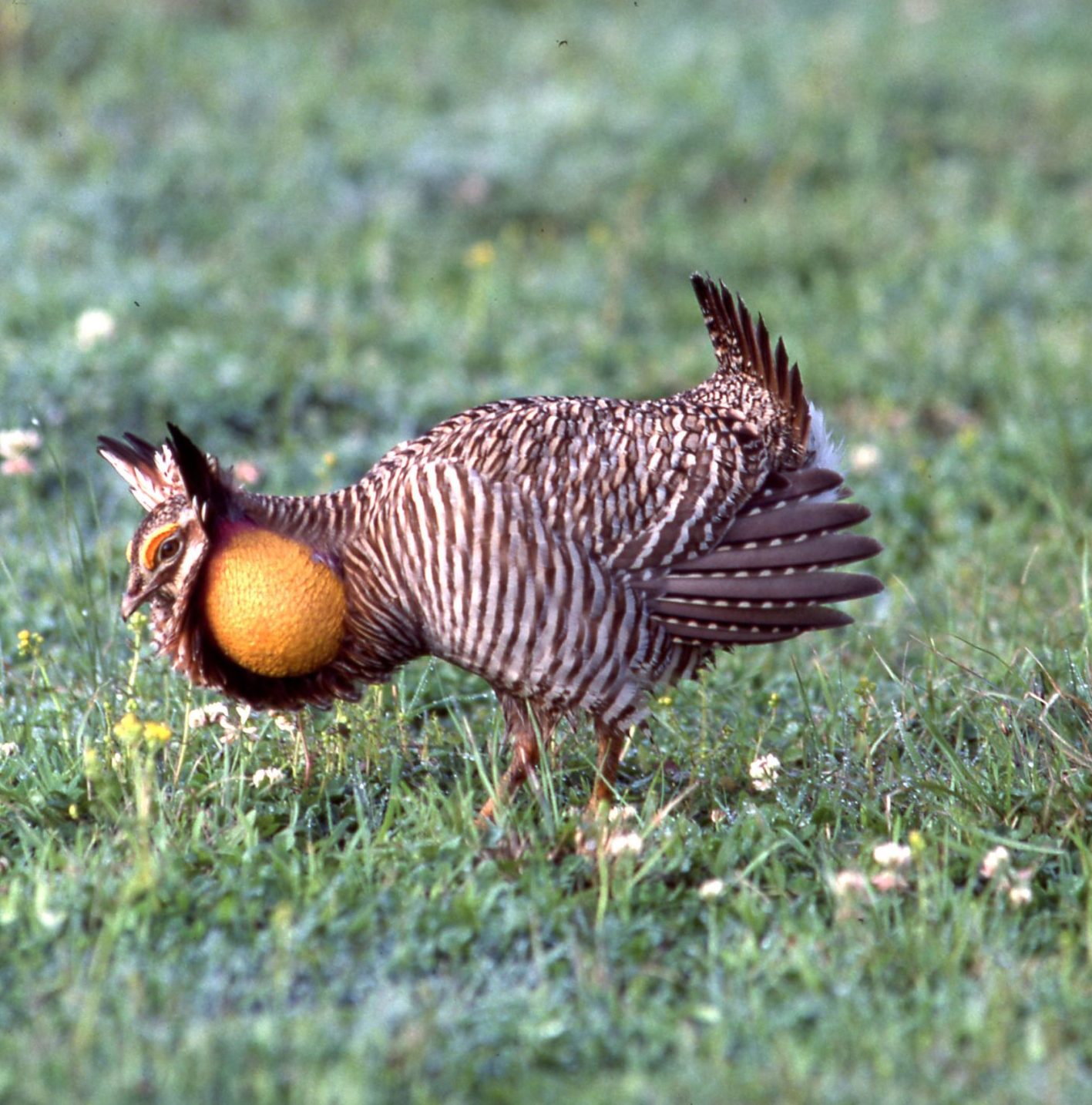
As tallgrass prairie have been plowed for farms and cities, these small brown birds have dwindled in number. Today there are less than 200 remaining but places like the Attwater Prairie Chicken National Wildlife Refuge in Eagle Lake are dedicated to preserving the species.