
SEE THE FULL BIRDING GUIDE HERE
When it comes to birding in Texas, spring and fall migrations get all the headlines. Winter, however, is a sublime time for Texas birds and birders.
Texas wetlands are wintering grounds for much of North America’s waterfowl. Four-and-a-half million ducks winter in the state. Similarly, 80% of the redhead duck population in North America spend January and February in and around the Laguna Atascosa Wildlife Refuge in Los Fresnos.
“The mild weather combined with a large number of native species and good chances for rarities to show up make it both pleasant and exciting to bird around the state,” says Jesse Huth of Huth Avian Services in Wimberley.

Birding hot spots in January and February are pretty much the same hot spots during migrations: the Rio Grande Valley, the Coastal Bend, the Upper Coast, and Big Bend. Huth is partial to the Valley for winter birding.
“You can get an amazing variety of species in a relatively small area, including a number of neotropical species whose U.S. range just barely extends up into South Texas,” he says, including the signature green jay.
Tiffany Kersten of Mission agrees. She set a Lower 48 states record in species sighted during her Big Year in 2021 before founding Nature Ninja Birding Tours.
“Aside from April for migratory species, January and February is peak birding in the RGV,” she says. “The local specialty birds—great kiskadee, green jays, chachalaca, Altamira oriole, Audubon’s oriole—are not yet nesting and are most easy to see during the winter months.”
Mexican rarities such as crimson-collared grosbeaks, golden-crowned warblers, blue buntings, and rose-throated becards appear in South Texas whenever cold fronts reach nearby mountains in Mexico. “To find food, the birds move to lower elevation and are more likely to ‘wander’ while they are already moving around,” Kersten explains.
The best part about winter birding in the RGV (besides all the birds) is the Goldilocks weather: not too hot, not too humid, and not too windy. Yet.
Farther up the coast, the stretch of the Coastal Bend from Padre Island to Port O’Connor promises excellent winter birding for shorebirds, waterfowl, and raptors.
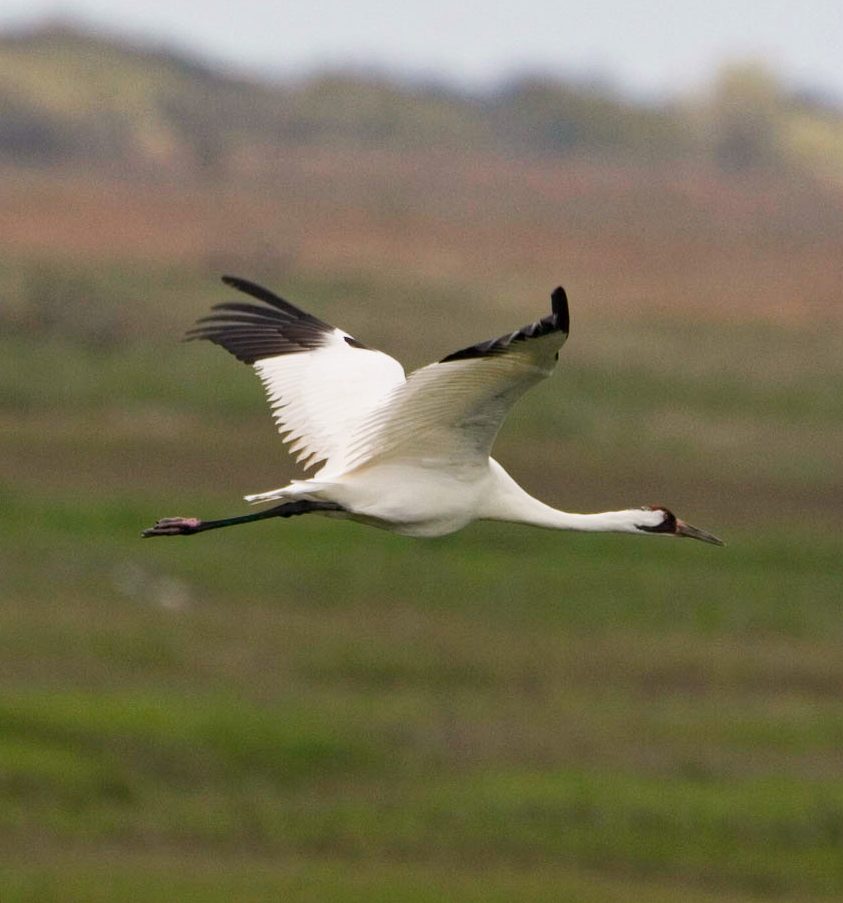
“The obvious winter bird is the whooping crane,” says journalist and photographer David Joseph Sikes of Corpus Christi. “They’re easiest to view near The Big Tree in Lamar, just north of Rockport near Goose Island State Park.”
Less iconic but no less majestic, sandhill cranes mix and mingle with the whoopers in the coastal flats and bays. “Of course, we also have thousands of ducks,” Sikes says. “And you can’t overlook the hundreds of white pelicans.”
Winter raptors, including peregrine falcons, American kestrels, merlins, and northern harrier hawks, join the year-round resident crested caracara. Sikes notes that three nesting pairs of aplomado falcons each fledged three chicks on Mustang and Padre islands in 2025.
“There are many species of interesting birds that only winter on the upper Texas coast,” Glenn Olsen notes in the Houston Audubon Audublog. “Among them are common birds like the yellow-rumped warbler and rarities like the mountain bluebird that was seen in the Katy Prairie area this year.” The upper coast is especially abundant in waterfowl.
Out in Big Bend, winter is brief.
“By mid-February, overwintering migrants, particularly geese, ducks, and shorebirds, and sparrows are joined by sandhill cranes and tree swallows beginning their spring migration,” says Mark Flippo, a retired birding guide and former ranger.
Birders from the north generally focus on residents such as scaled quail, Mexican duck, greater roadrunner, ladder-backed and golden-fronted woodpecker, Say’s phoebe, vermilion flycatcher, gray vireo, black-tailed gnatcatcher, curve-billed and crissal thrasher, phainopepla, and black-throated and rufous-crowned sparrow. Sometimes they even spot Anna’s and rufous hummingbirds.
And then there are sparrows. Over-wintering species in the Big Bend alone include green-tailed towhee, lark bunting, Cassin’s, chipping, clay-colored, Brewer’s, vesper, lark, savannah, and Lincoln’s sparrows.
“I love looking for sparrows anywhere in Texas,” Jesse Huth says. “There are quite a few who only visit us in winter.” —Joe Nick Patoski
WHERE TO GO
Santa Ana National Wildlife Refuge, Alamo
This tight little 2,088-acre subtropical reserve 70 miles inland from the Gulf is regarded as a top global birding destination, harboring birds not seen elsewhere in the United States including green jays, chachalacas, and great kiskadees, along with more than 500 other species of migrants and year-round residents. Birding amenities include an observation tower and elevated canopy trail. fws.gov
Bentsen-Rio Grande Valley State Park, Mission
This nearly 800-acre park 21 miles west of the Santa Ana refuge has recorded 358 species. The Hawk Observation Tower, viewing stations, and tram make the park one of the most birder-friendly in Texas. tpwd.texas.gov
Packery Channel Nature Park, Corpus Christi
The point where the upper Laguna Madre, Mustang Island, Padre Island, and the Gulf converge attracts a diverse array of shorebirds, waterfowl, and raptors. The 38-acre park has a boardwalk for better viewing, and the Audubon Outdoor Club’s Oak Motte Sanctuary, a hub for warblers, is a short walk away. nuecesco.com
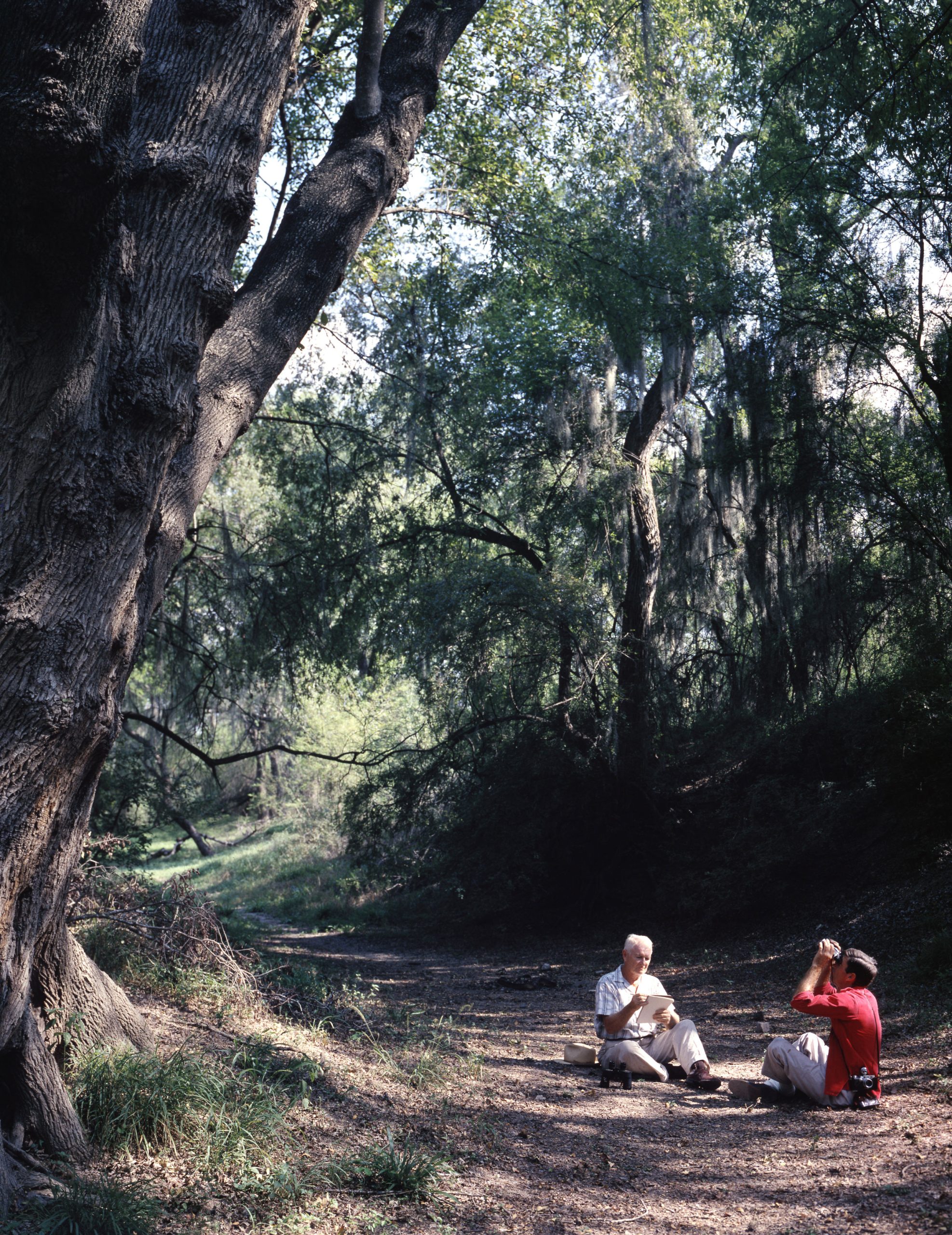
Big Tree, Goose Island State Park, Lamar
Visit this beautiful dry land site overlooking St. Charles and Aransas bays with tram tours and guided walks for spotting whooping cranes, ducks, loons, cormorants, grebes, geese, terns, roseate spoonbills, and 300 other species recorded within the park. Large populations of neotropical songbirds nest in the distinctive wind-sculpted oaks. tpwd.texas.gov
Brazoria National Wildlife Refuge, Freeport
This 44,413-acre tract of coastal estuary and prairie hosts over 100,000 snow geese, Canada geese, pintail, northern shoveler, teal, gadwall, American wigeon, mottled ducks, and sandhill cranes each winter. Big Slough Wilderness Area and the newly opened Cannan Bend Recreation Area are popular birding sites. fws.gov
WHO TO SEE
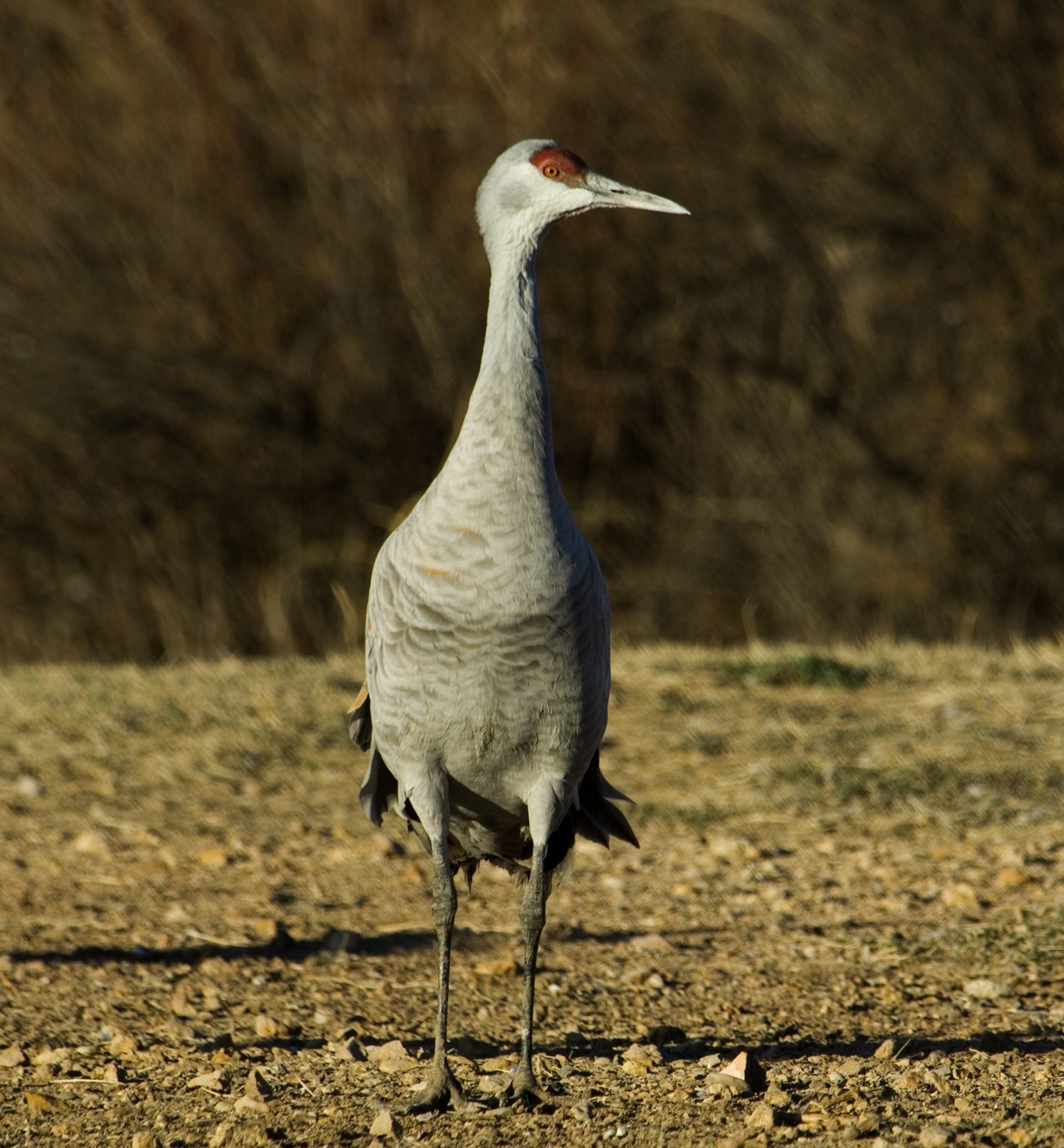
Sandhill crane
This large bird that winters on the Texas coast grows up to 5 feet tall. Sandhills are one of Texas’ most accomplished migrants, flying in every fall from as far away as Siberia.
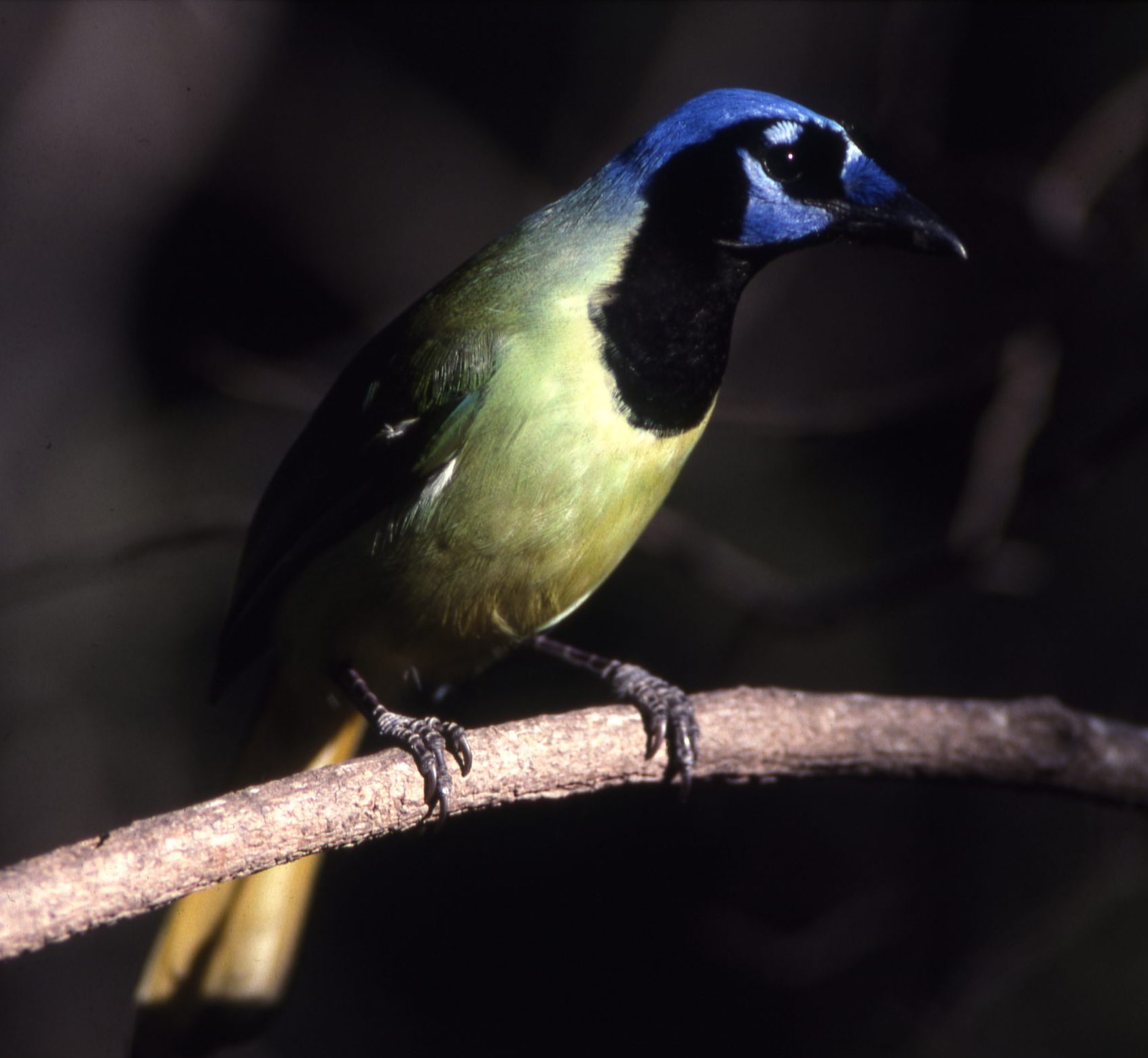
Green jay
These year-round Valley residents are rarely seen farther north and put on a dependable show of colors at feeders across the RGV. They are frequent visitors on this Sabal Palm Sanctuary webcam.
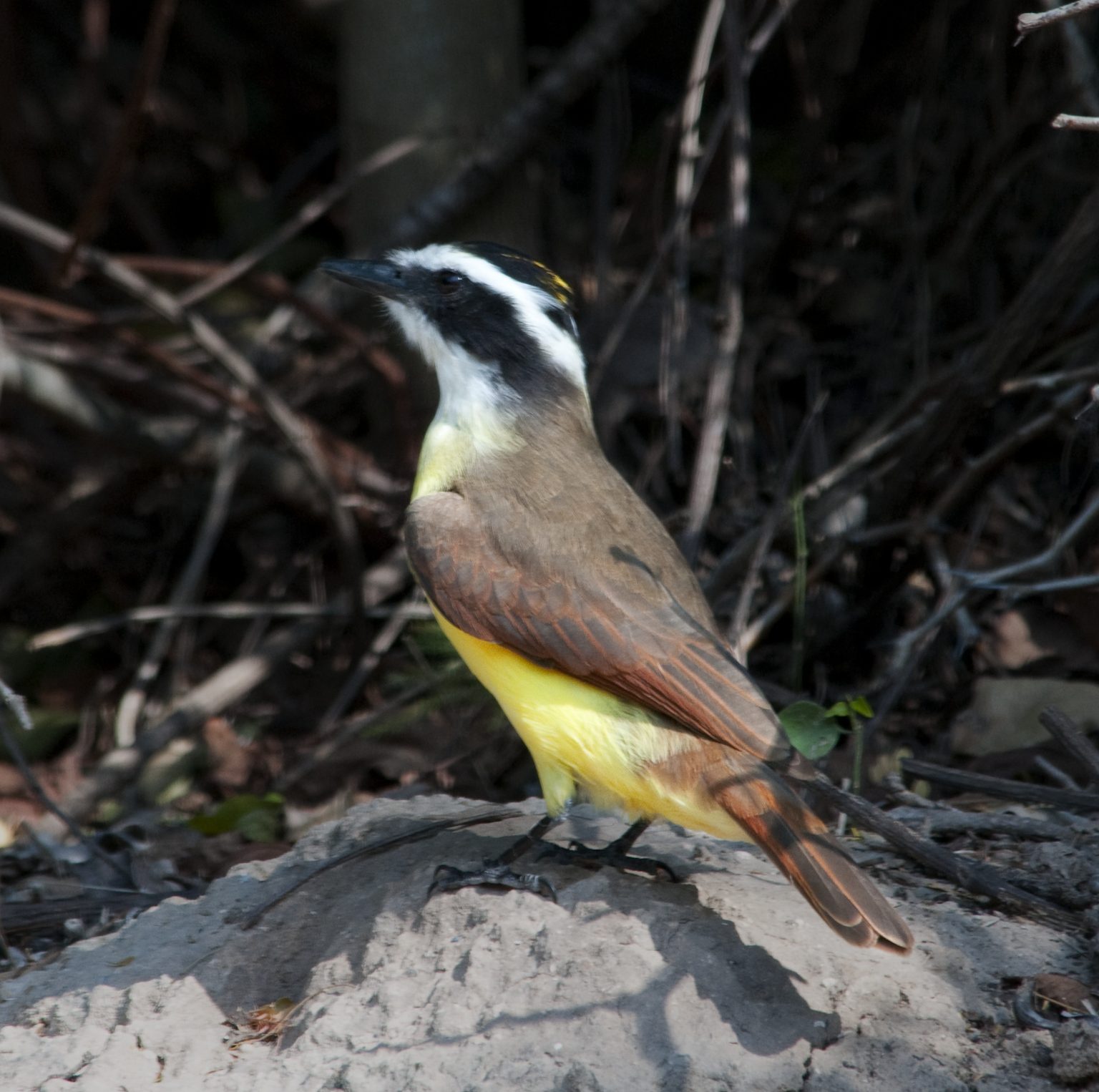
Great kiskadee
Like the green jay, this little bird is another reliable Valley regular. A common flycatcher with a sharp, sassy call, kiskadee thrive all the way down to Argentina; deep South Texas marks its northernmost range.
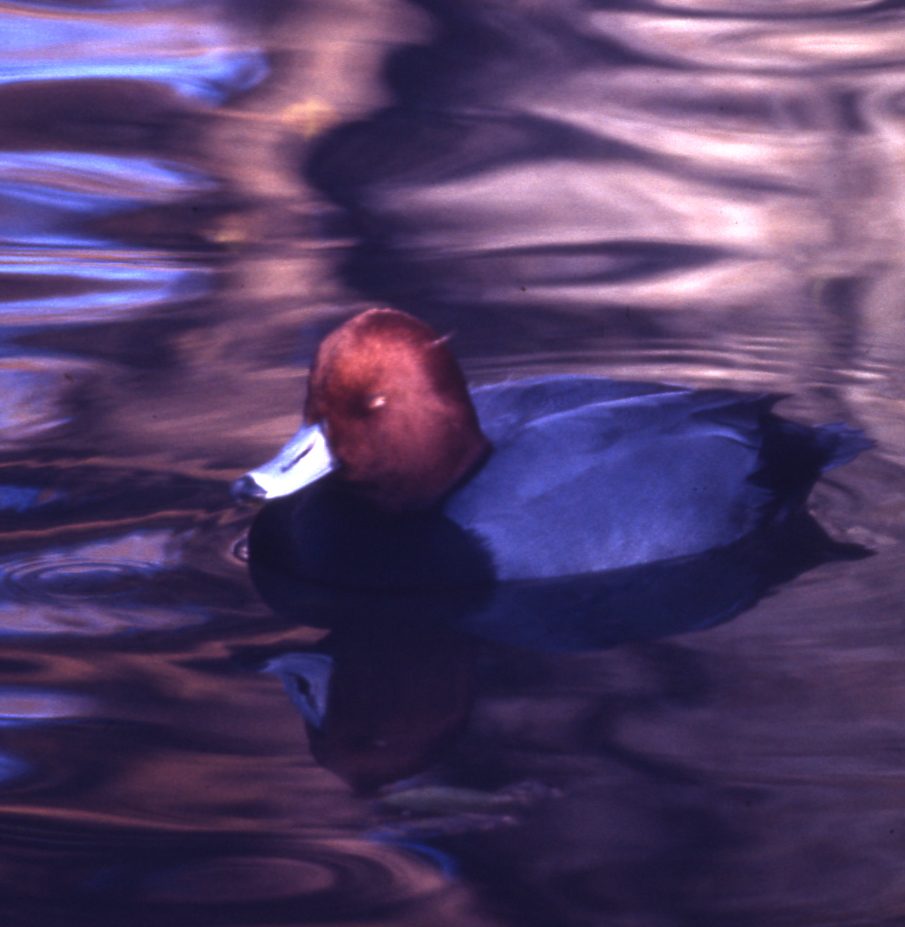
Redhead duck
These medium-sized diving ducks with bright red heads and two-toned bills are ubiquitous all along the Laguna Madre of South Texas during cold-weather months. Thousands hang out together on the water in what is known as a raft in one of the greatest concentrations of wintering redheads in the world.
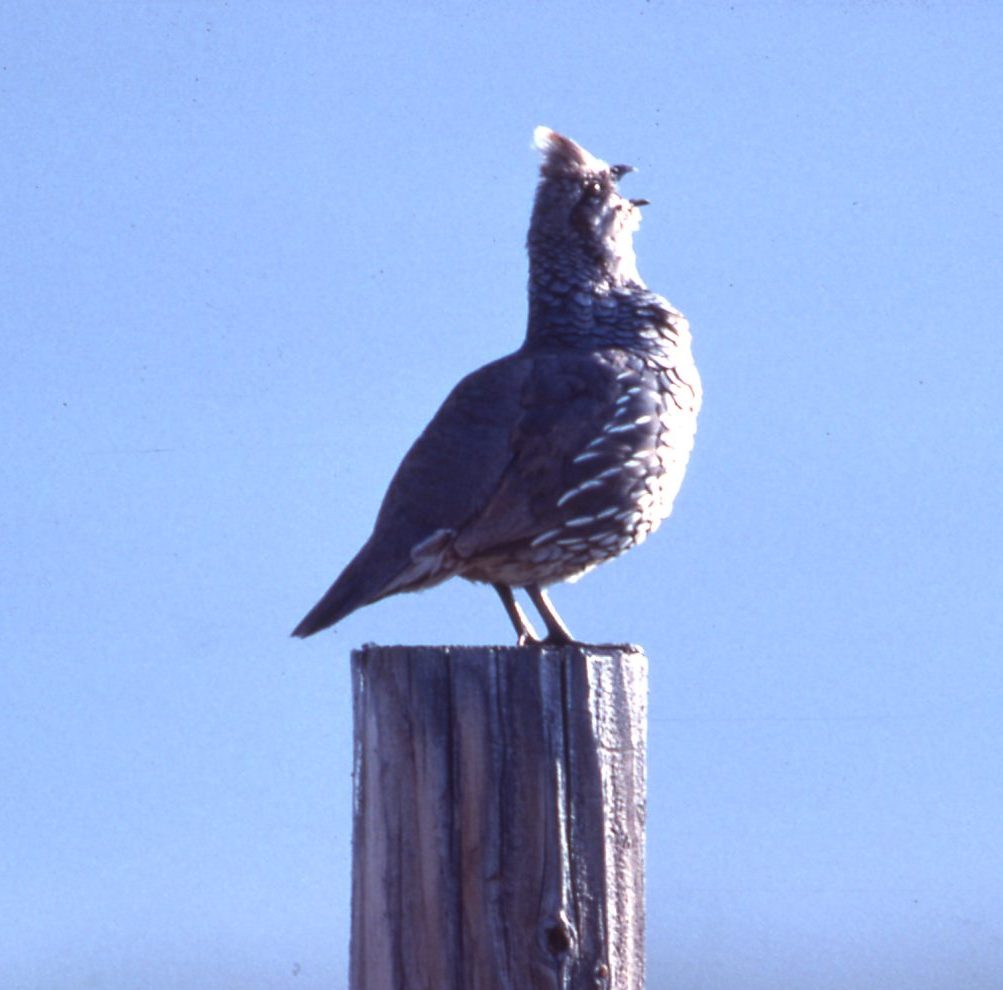
Scaled quail
These upland game birds are icons of the Big Bend, found only in the western third of Texas. Plump in stature and wobbly in gait, these personable, chatty quail are everywhere, starting on the nature trail right next to the Panther Junction Visitor Center at Big Bend National Park.
Whooping crane
The cranes that winter in Texas comprise the last remaining wild flock of whooping cranes in the world. While they spend most of their time in Wood Buffalo National Park in Canada, the best chance to see them is at the Aransas National Wildlife Refuge in Austwell.