The Bones of Texas
A new photo book visually explores forgotten spaces and lesser-known stories
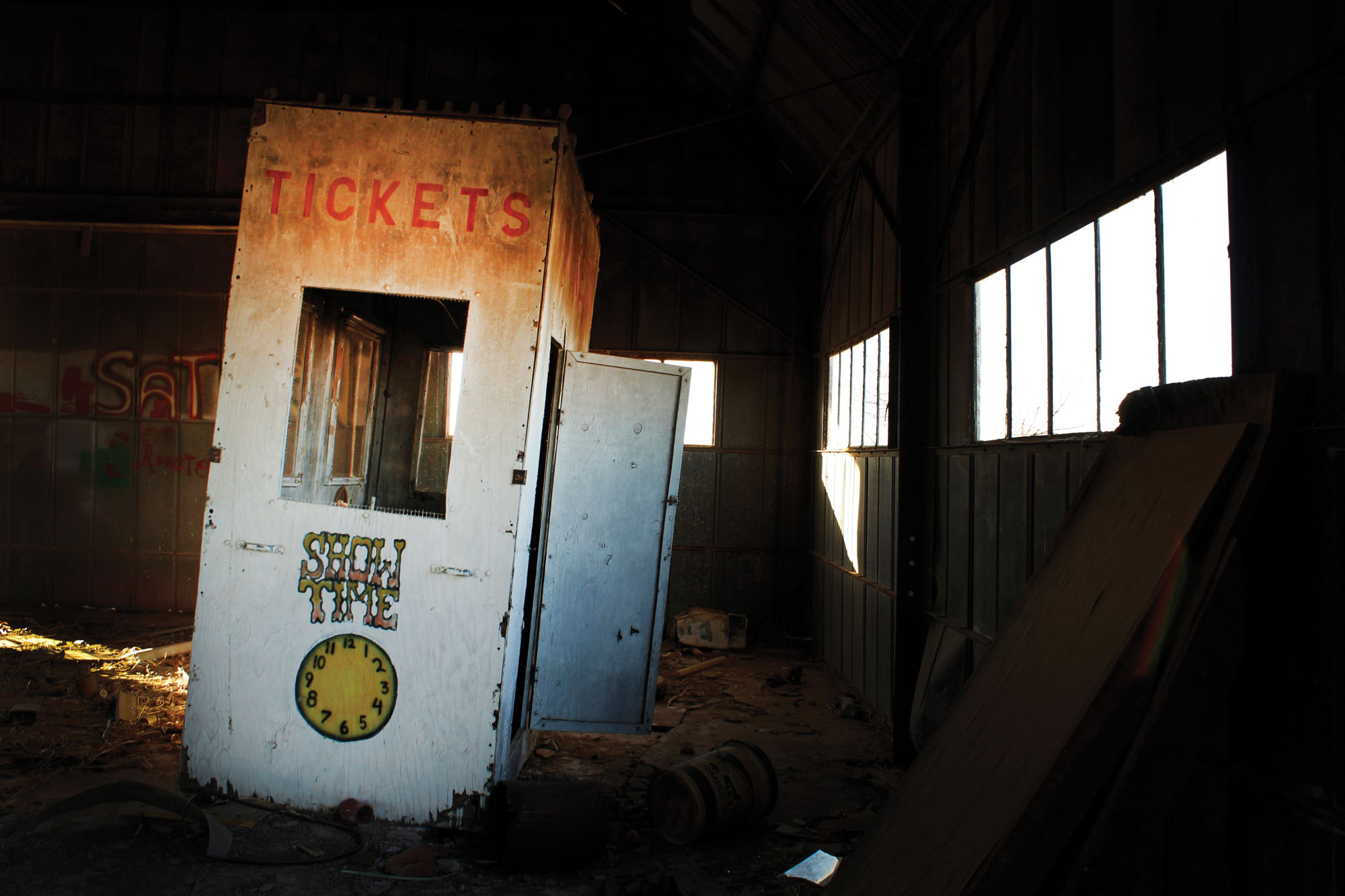
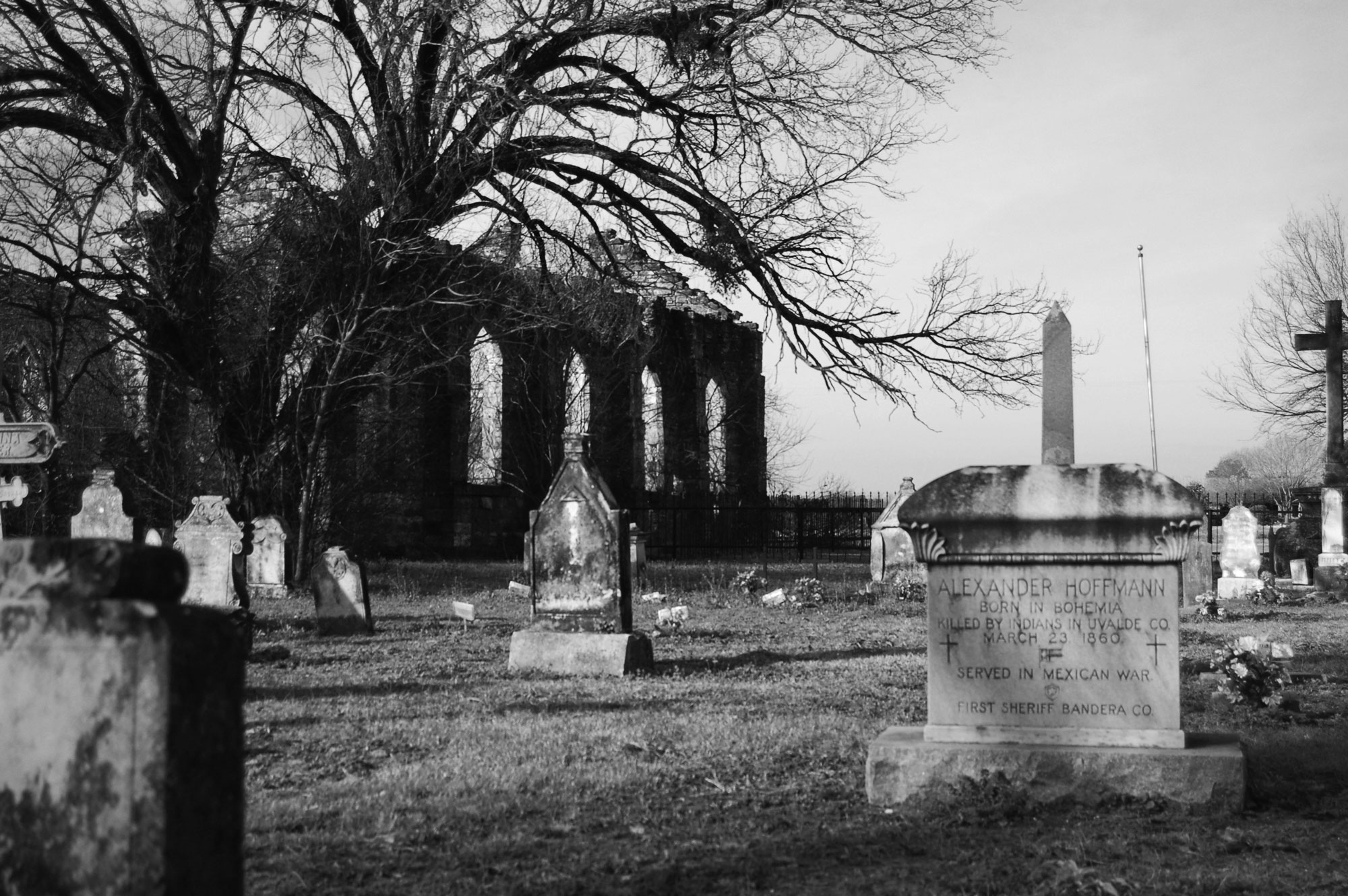
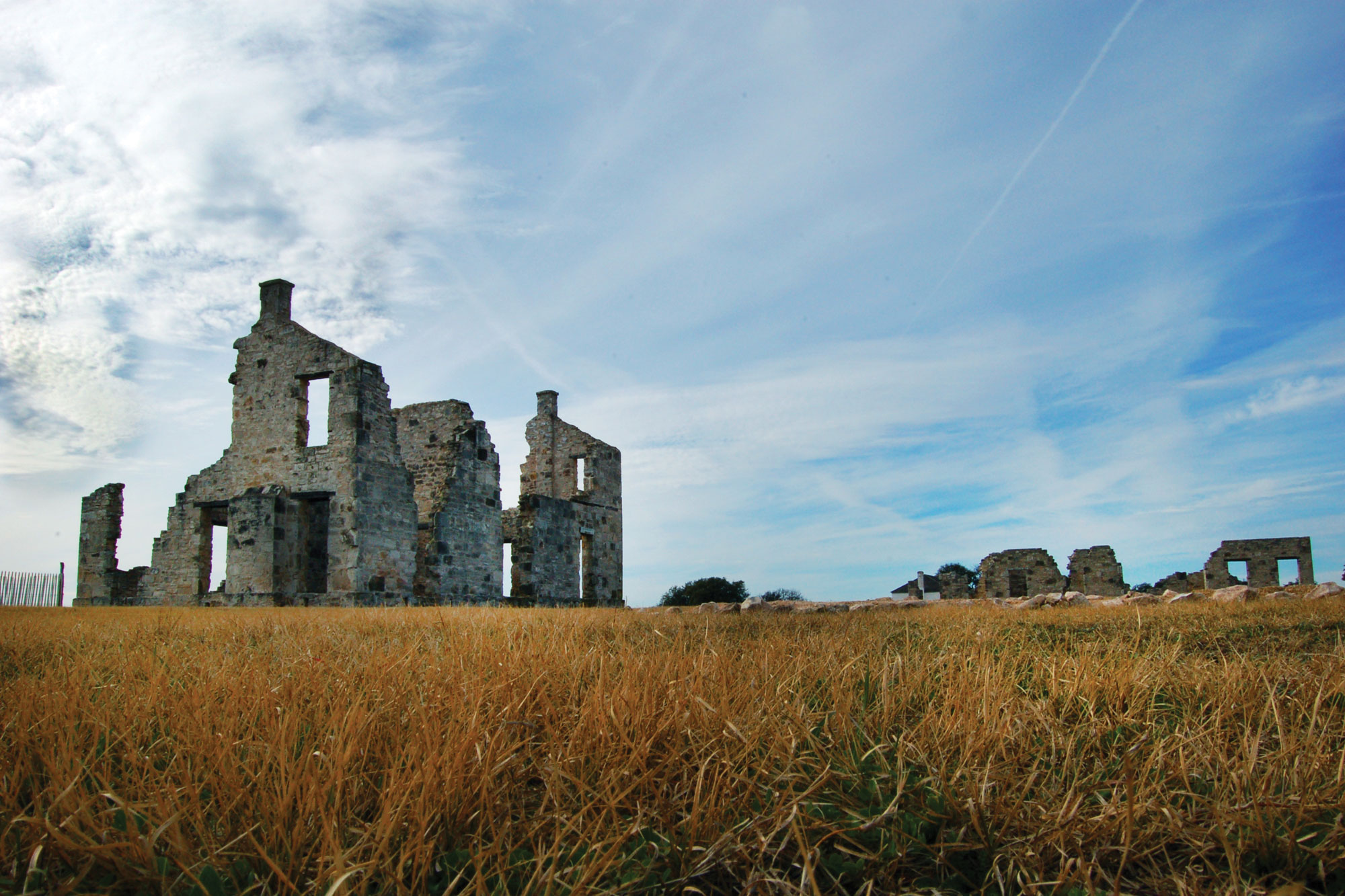
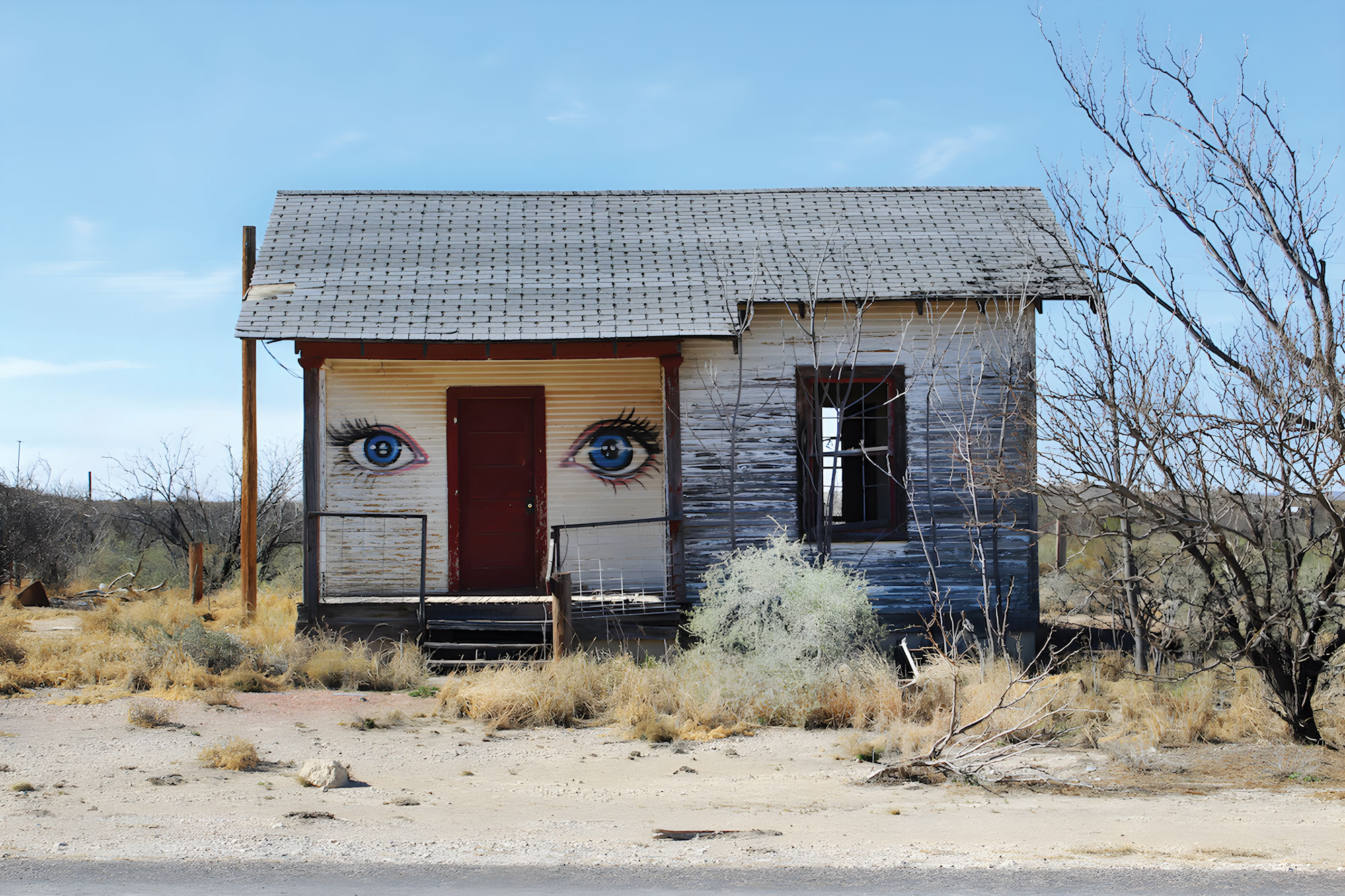
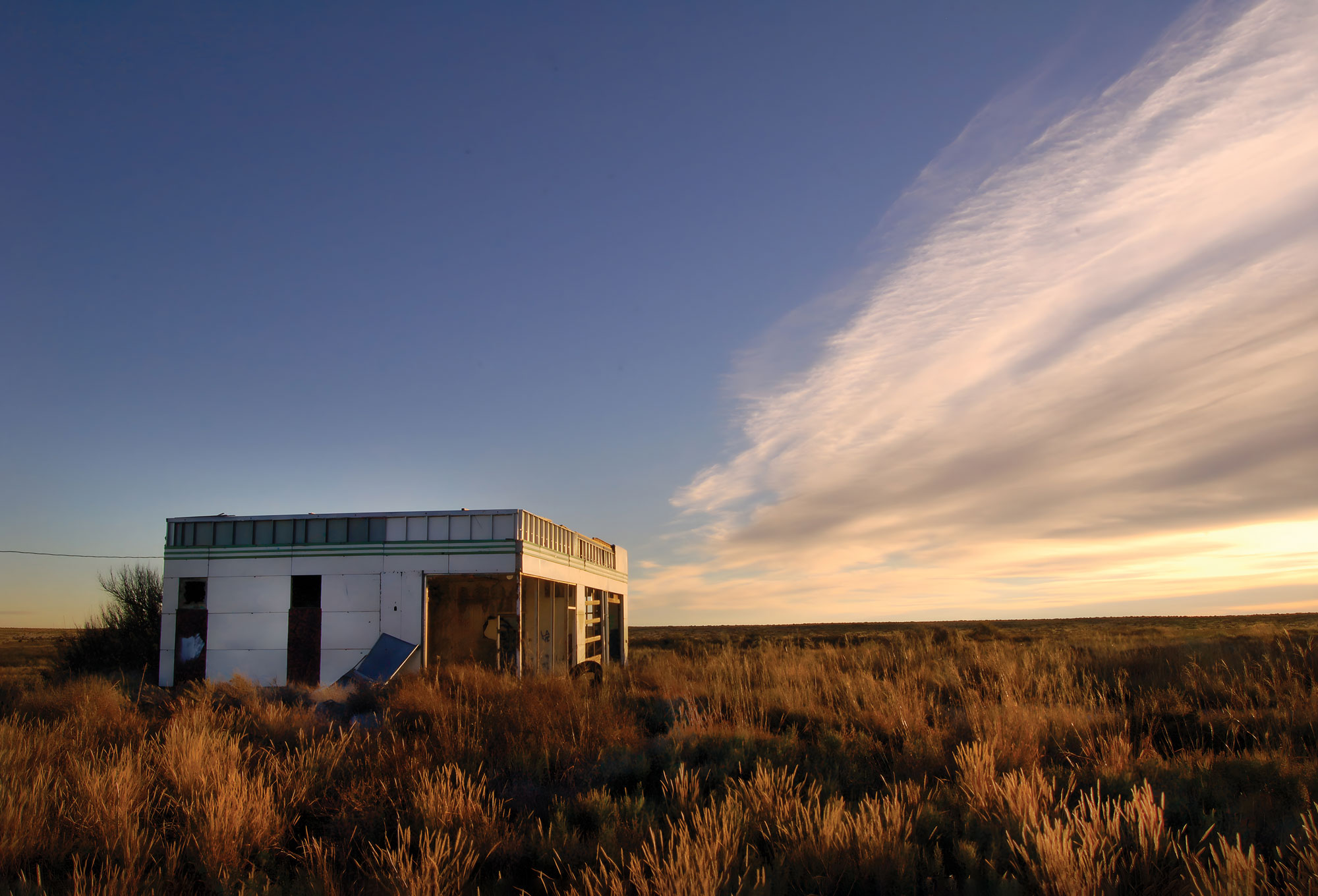
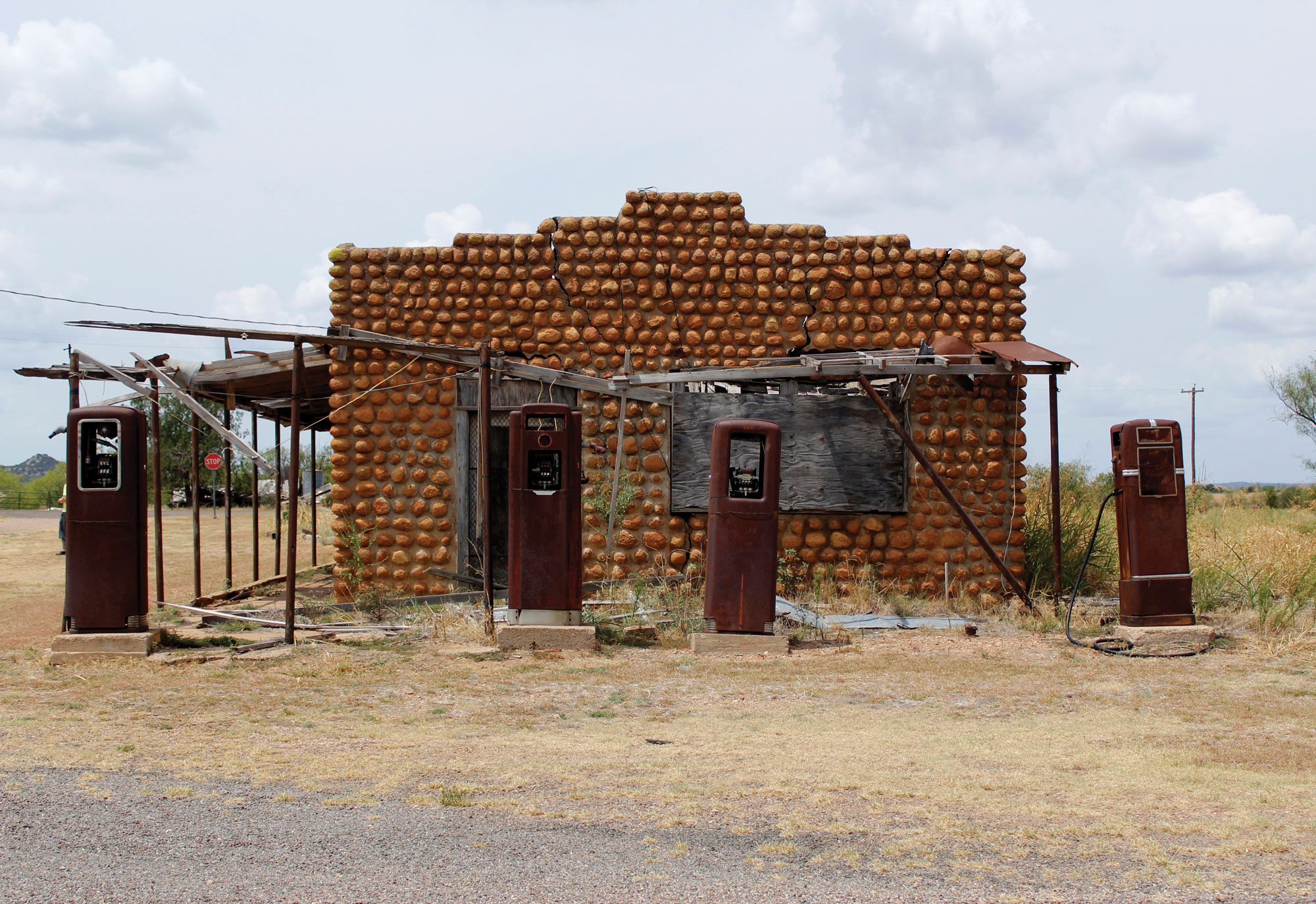
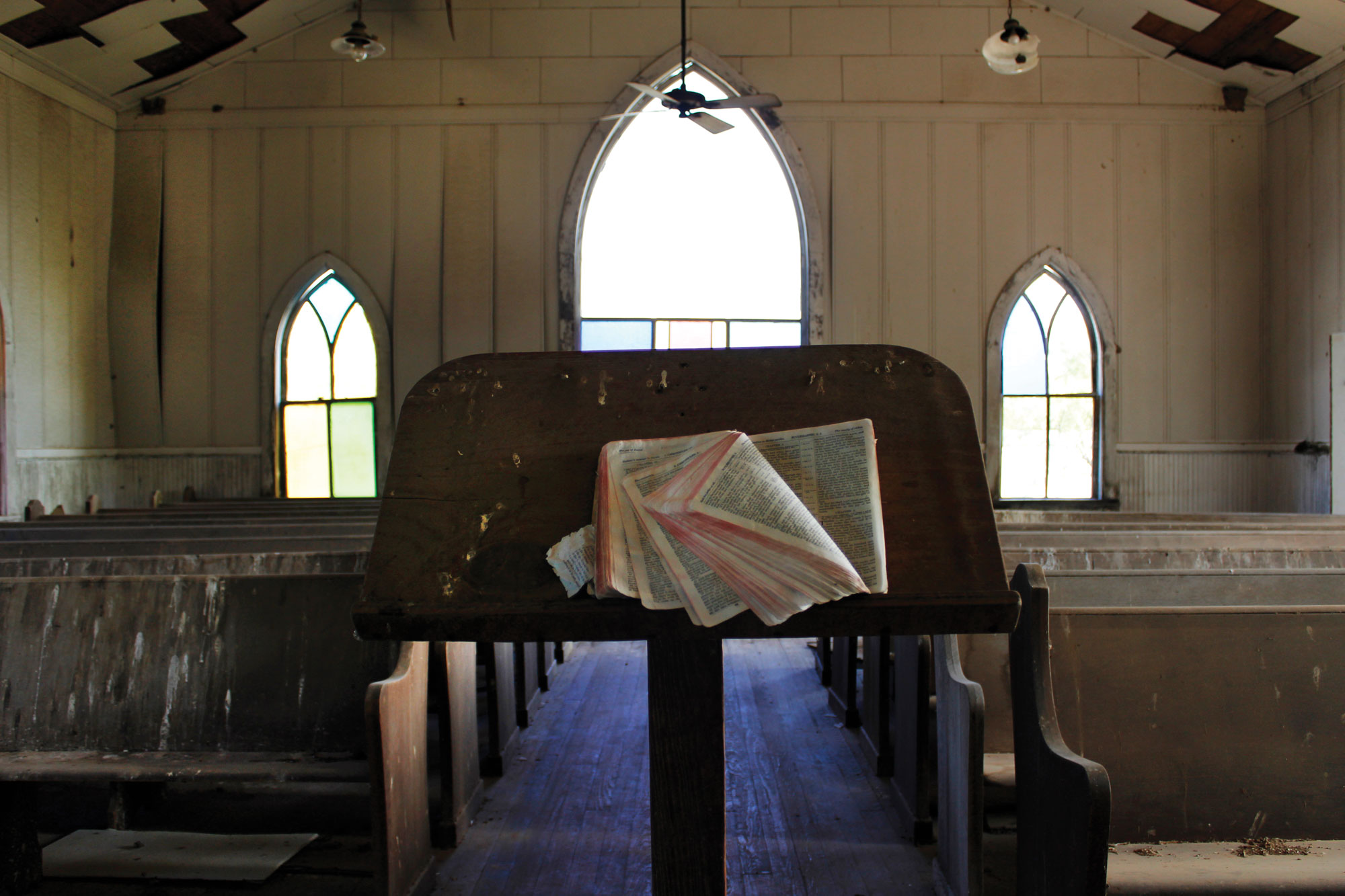
When Morgan Page and Dustin Rice were in the early days of their relationship, they went on a date to explore Spanish Fort, a ghost town near Wichita Falls. That simple, impromptu outing in 2018 turned into years of driving thousands of miles around Texas, discovering abandoned spaces and preserving them through photography. The collection of their photographs and related tales are now the subject of the just-released book Bones of Texas: Photos and Stories from Bygone Places, shedding light on some of Texas’ lesser-known histories.
“I think we began visiting these sites in hopes of documenting their frailty, because we knew there was something really special about them,” Page says. “As time went on and our project grew, we learned about extraordinary events and people that were seemingly forgotten but had a hand in building the ethos that is Texas today.”
Containing 28 historical stories accompanied by nearly 100 color photographs, the book opens with a visit to Medicine Mound, located outside of Vernon in North Texas. While not much remains of the town itself, the Medicine Mounds, a sacred Comanche site west of town, is made up of four rock outcroppings, each slightly larger than the next. The formations, regarded as a source of powerful medicine, once served as a place of worship as well as a meeting location.
The subsequent histories, dating from precivilization to the 1970s, are presented chronologically, laying out a timeline of events in the state’s evolution. Among the featured sites are the Aldridge sawmill in Angelina County, which was active from the early 1900s until 1927; an abandoned zoo in Cisco, now a popular hiking trail; and the former property of the late sculptor Octavio Medellín, who retired from teaching to Bandera.
The couple points out that most of these stories and places are not widely covered in Texas history. “I hope readers feel excited to track these towns down and think about the people who inhabited them at different turning points in our state’s history,” Page says.
Rice says the book is a capping off of a yearslong process, highlighting the project’s transformation from a date to an exhibition to a publication from a national press.
“It has consisted of tens of thousands of miles, thousands of photographs, hundreds of towns, dozens of shows, and more than a few new friends along the way,” he says.
See a preview of the new book below.