


How To Texas is a recurring column offering step-by-step instructions on how to be Texan. We’ll guide you through the cultural traditions, customs, eccentricities, lifestyles, and activities you’ll find on your travels that make the state uniquely Texan.
NATURE
Camp Out on a Texas Beach
Rough it on the Gulf Coast like a seasoned camper
By Sean Cronen
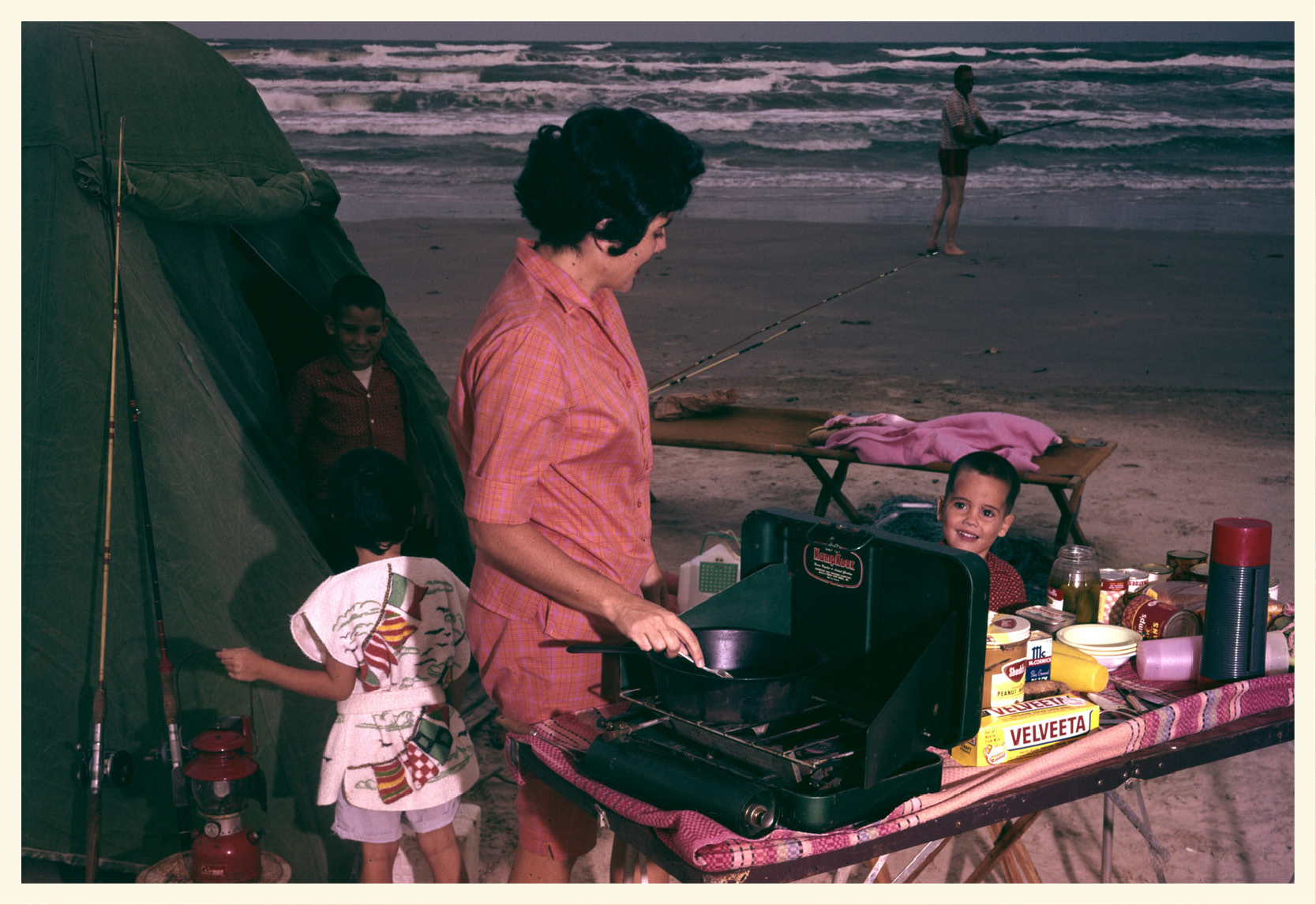
Texas has 367 miles of Gulf Coast shoreline, and much of it is open to overnight camping. Options range from state parks with showers and electrical hookups to remote stretches of sand where campers are entirely self-sufficient.
Texas beach camping is something of a coastal exception. In many states, shoreline development, private ownership, or local regulations make overnight camping on the beach difficult or prohibited. Texas’ combination of public beaches on an accessible coastline paired with a climate that often allows comfortable outdoor recreation well beyond summer means a Gulf Coast camping trip can be a realistic spring or fall getaway. Pretty remarkable for a state with only 4% public land.
Before loading up the cooler and heading for the coast, It’s worth understanding how beach camping differs from a typical trip to the woods. A few things are nearly universal on the Texas coast: the wind rarely stops blowing, sand gets into everything—truly, everything, and pretty much forever—and conditions can shift quickly with the weather. Success often comes down to preparation.

Tip No. 1: Find the Season for your Reason
Spring and fall generally offer the most comfortable conditions, with lower humidity and milder temperatures. Summer remains the most popular season, but daytime highs, intense sun exposure, and frequent afternoon storms can make camping uncomfortable without adequate shade and water. RVers have the upper hand here.
Before any trip, check forecasts for hazards like tropical systems, strong winds, or strong tides. Beach conditions, such as the location of sand bars or rip tides, can change dramatically in a matter of days.
Tip No. 2: Gear Up for the Coast
Beach camping requires a few adjustments from a traditional camping setup. Wind-resistant tents with sturdy stakes and extra guylines (for anchoring your tent to the earth) are essential. Natural shade is scarce on most Texas beaches, making canopies, tarps, or portable shelters some of the most valuable pieces of gear you can bring.
Heat is often the biggest challenge. Plan to drink more water than you think you’ll need, limit strenuous activity during the hottest part of the day, and seek shade whenever possible.
Tip No. 3: Be Safe, Camper
The Texas coast supports a surprising amount of wildlife. Mosquitoes, snakes, raccoons, coyotes, jellyfish, and stingrays are common in many areas. Food should be secured whenever possible, and beachgoers entering the surf should use the “stingray shuffle” (sliding your feet along the sandy ocean floor to scare away any potential stingrays in your path) to avoid stepping directly on rays concealed beneath the sand.
Campers should also watch for driftwood, fishing gear, and other debris washed ashore. These objects can damage vehicles, puncture tires, or create hazards around camp.
Tip No. 4: Drive Like a Texan
Many Texas beaches allow camping directly on the sand, but driving conditions vary. Hard-packed sections near entrances may be accessible to most vehicles, while softer sand farther down the beach can quickly leave drivers stuck.
Four-wheel drive or all-wheel drive is recommended for more remote destinations. Airing down tires improves traction, but newcomers are generally better off staying closer to access points until they become familiar with local conditions.
Tip No. 5: Leave the Beach at the Beach
You’ll never keep sand out of your campsite entirely, but it can be managed. While enjoying your beach excursion, try not to fret too much about it getting everywhere and instead focus on guarding a few key areas, like your bedding.
If you are short on fresh water or just don’t want to haul out more than you plan to drink and cook with, baby powder, when applied liberally to the body, makes sand easy to brush off with your hands.
Check if the beach you’re visiting has fresh water rinsing stations, usually placed by the entrance or public restrooms.
Consider bringing plastic storage bins for sand containment with the return trip home in mind, even if you can rinse off your belongings. Damp water shoes can quickly add some additional funk to your car for the return trip.
Before packing your tent up, be sure to open the doors and shake it out in the breeze. You won’t get all of the sand out, but you’ll minimize the amount of sand you see in your yard after you hose it down (which you definitely should do; salt water is corrosive).
In short, the less sand that makes it into your tent and vehicle, the lower chance you’ll be finding gritty reminders of your bygone beach camping trip later on.