
License to Trill
A beginner’s guide to birding in Texas
By Robyn Ross
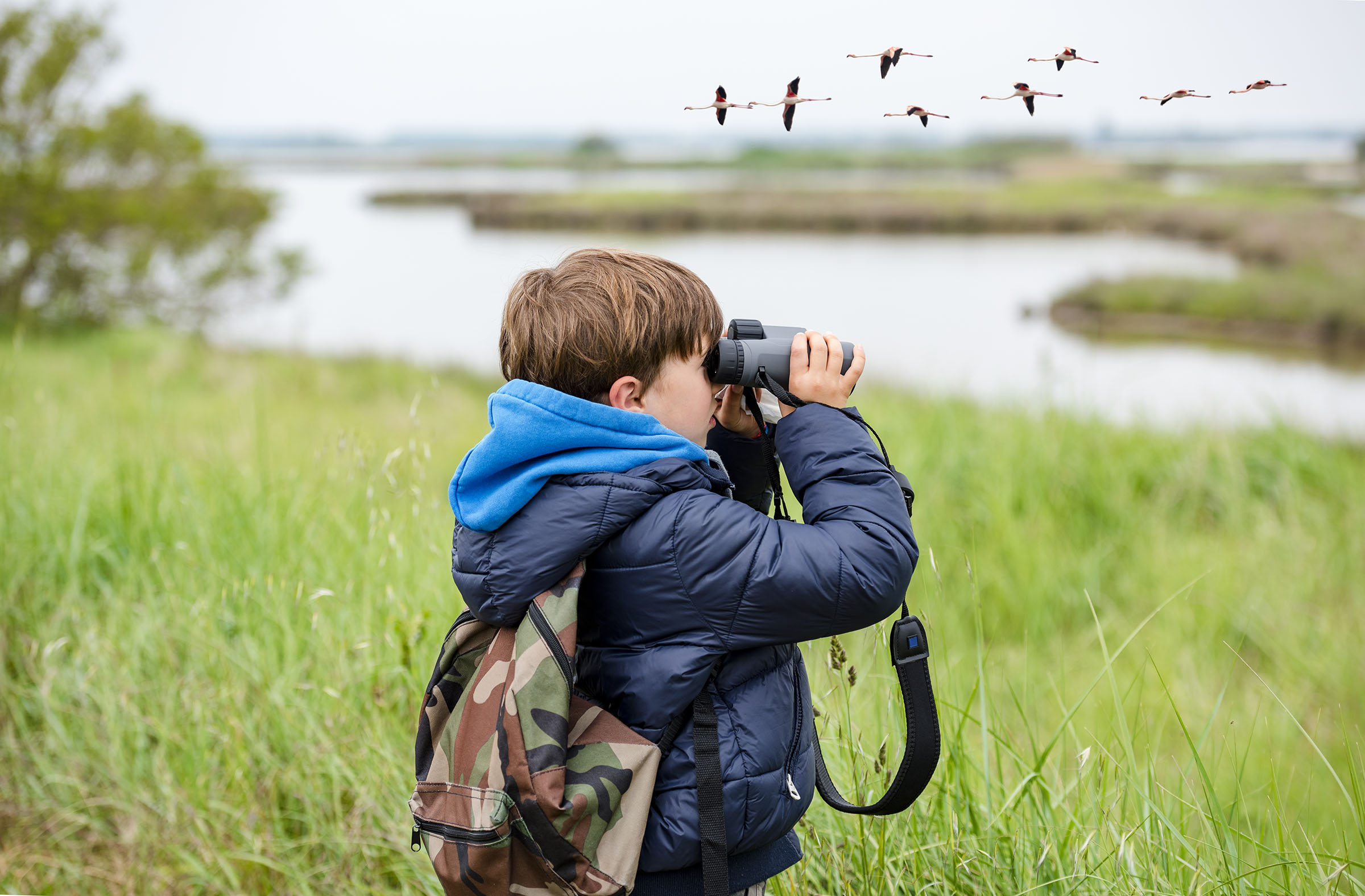
Impressed? You’re not alone. In 2016, a U.S. Fish & Wildlife survey found that interest in “wildlife watching” had grown 20 percent since 2011. More than 45 million people nationwide identify as birdwatchers. Join them by finding a nearby Audubon chapter or attending a festival, where experienced birders will take you under their wing. In a world of distractions, birding is the rare pursuit that forces you to remain in the moment. “When I’m out on a bird walk, I’m totally present,” Texas Ornithological Society president Shelia Hargis says. “Birding makes you a much better observer of the world around you.”

Choose native plants, and avoid pesticides, to offer habitat and food to backyard birds.

Drink “shade-grown” coffee from farms that preserve forest habitat.

Keep cats, which kill billions of birds each year, indoors.

Resist the urge to “rescue” a young, feathered bird you find on the ground–chances are it’s just learning to fly.

Use less plastic, a major hazard for seabirds.

Get involved with local conservation groups to help with habitat- preservation efforts.
A Bird in the Hand: Free Birding Apps
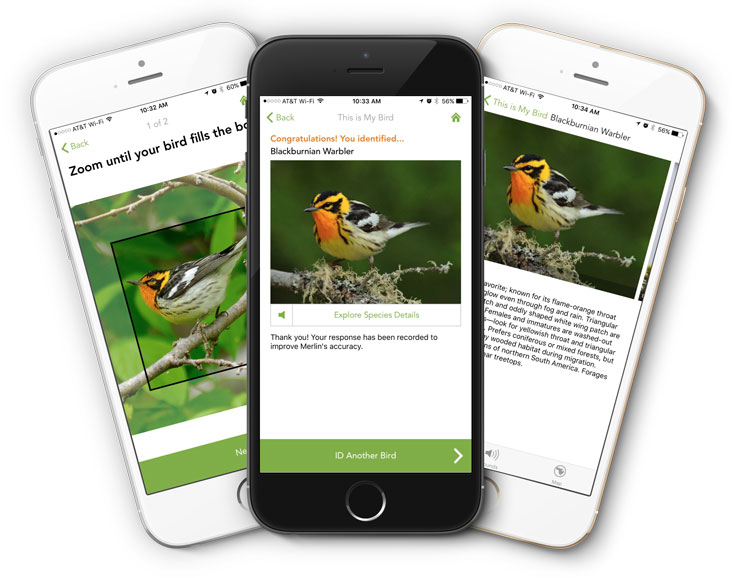
ebird.org
audubon.org/app
merlin.allaboutbirds.org
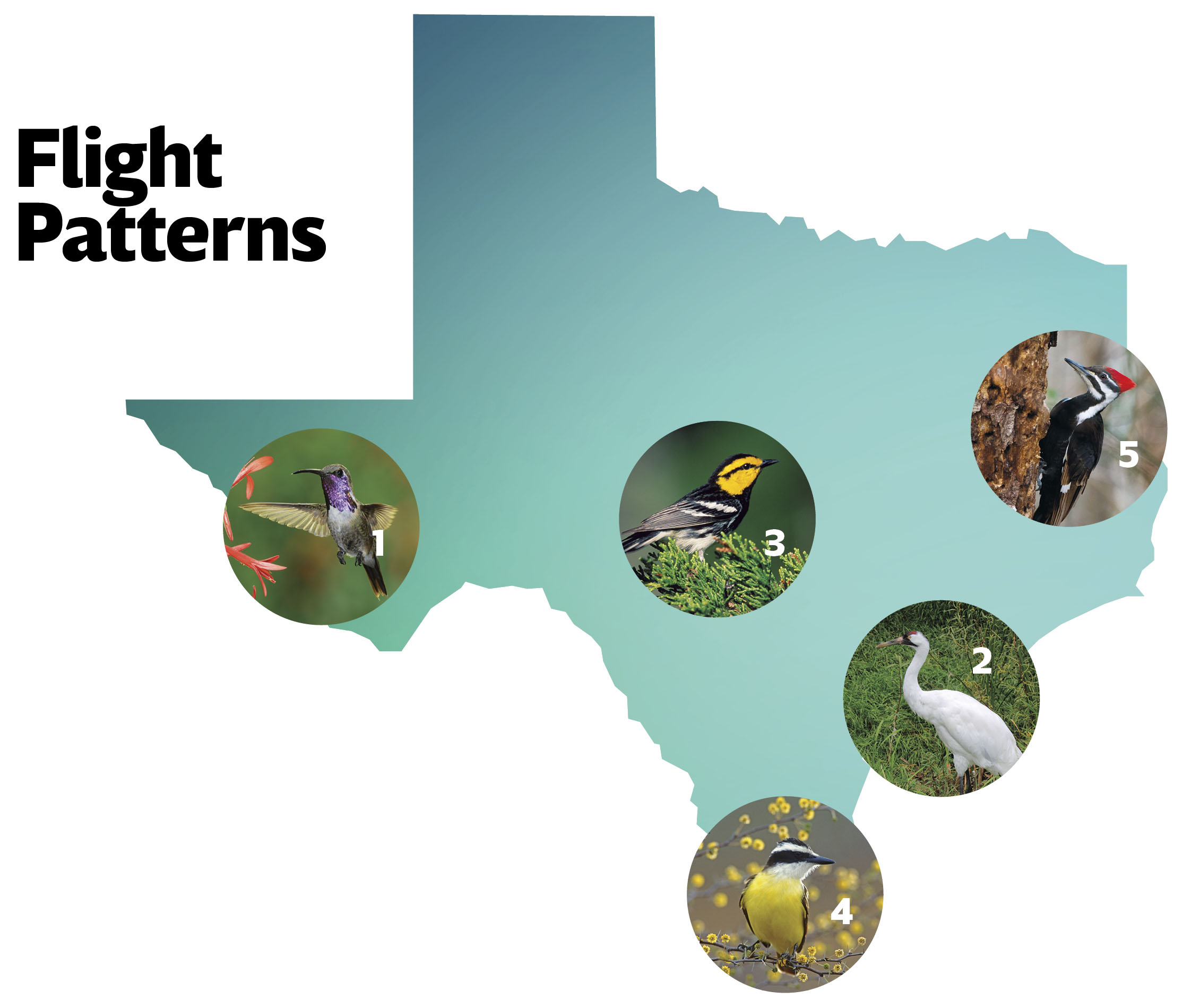
2. In February, Port Aransas hosts the Whooping Crane Festival. Endangered whoopers winter in the Coastal Bend, and you can spot them between December and March from the Leonabelle Turnbull Birding Center and the Port Aransas Nature Preserve at Charlie’s Pasture.
3. The Texas Hill Country is the only place in the world where the endangered golden-cheeked warbler breeds, building nests exclusively from Ashe juniper–aka “cedar”–bark. Look for warblers between March and July at the Balcones Canyonlands National Wildlife Refuge northwest of Austin.
5. The pine forests of East Texas shelter several species of woodpeckers, including the pileated woodpecker and the endangered red-cockaded woodpecker. Keep an eye out walking the trails in Martin Dies, Jr. State Park and Boykin Springs Recreation Area in the Angelina National Forest.