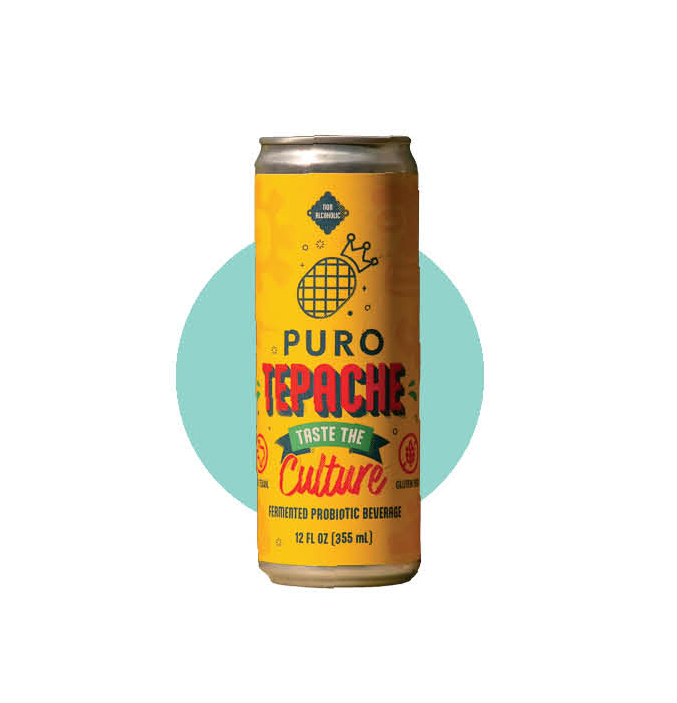


On annual trips to his birthplace in Mexico City with his father, Emmanuel Casasola’s first stop was always to a street vendor serving the sweet and tangy fermented pineapple drink called tepache. For years, the beverage made from pineapple rinds, piloncillo, and spices was practically unheard of in his San Antonio home. So when his wife, Jennifer, started an anti-inflammatory diet that mandated eating a daily dose of the tropical fruit, he saw not only the raw materials to make his own version at home but also an opportunity to fill a void in Texas’ culinary consciousness.

Casasola teamed up with Kevin Rodriguez, a colleague at the biotechnology nonprofit where he worked, and they began selling their own concoction in aluminum cups at the Arbor Park farmers market on weekends in early 2024. Although the California-based brand De La Calle was technically the first to sell a canned iteration of the drink in the U.S. starting in 2020, Casasola and Rodriguez weren’t far behind with their own label. Puro Tepache, Texas’ first ready-to-drink version of the ancient beverage, is now at the forefront of a trend gaining popularity at restaurants and on retail shelves across the state.
Originally called tepiātl, the drink was initially made from fermented corn and consumed by the Nahua people and Mayans during rituals and for a boost of energy. Beginning around 700 B.C., it evolved into its more modern incarnation, with pineapple and piloncillo substituted for corn. Almost 3,000 years since its creation, tepache is finding a new audience because of heightened demand for health-conscious alcohol alternatives as well as a swelling interest in Indigenous Mexican cuisine and spirits.
For the batches brewed each week at Puro Tepache’s micro-canning operation, east of downtown San Antonio, Casasola and Rodriguez begin by picking up rinds and cores from pineapples that have already been juiced at local fruterías. Using only five natural ingredients—hence the name “puro,” which is also a nod to their city’s unofficial catchphrase, “Puro San Antonio”—they combine the fruit with piloncillo, cinnamon, cloves, and monk fruit sweetener. Tapping into his food safety and biopharmaceutical background, Rodriguez conducts rigorous pH checks throughout the short fermentation process, then adds the microflora lactobacillus to control bacteria levels and create a more consistent product.
“When I started manufacturing tepache, I felt like I was reconnecting with something I had lost during assimilation here,” says Casasola, who moved to Texas when he was just a year old.
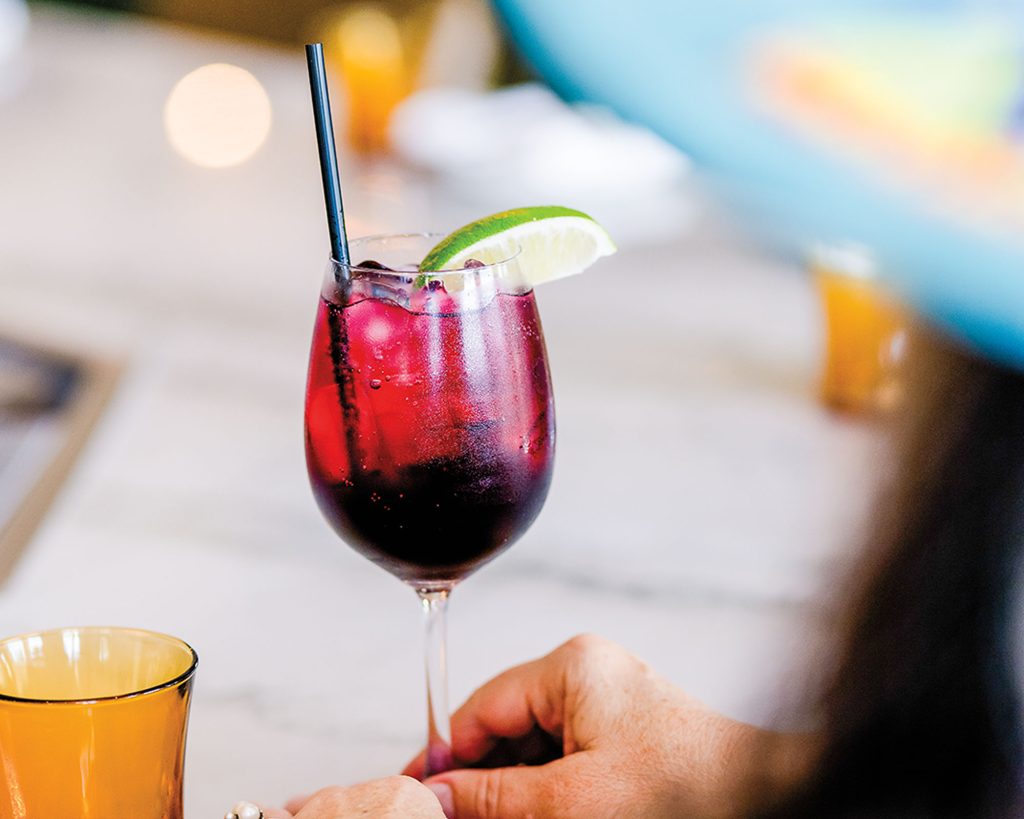
Similarly, the urge to get back in touch with one’s roots is what drove Ayahuasca Cantina co-owner Mauricio Gallegos to introduce tepache at his candlelit speakeasy in Dallas’ Oak Cliff neighborhood. Named one of America’s top bars by Esquire, Ayahuasca Cantina focuses on Mexican agave spirits, wine, and other fermented beverages. Gallegos’ version of tepache is brewed with reverse-osmosis water, molasses, clove, star anise, and cinnamon sticks. Fermented for 72 hours, it’s served straight up or in cocktails, like the Ayahuasca, where the tepache is shaken with mezcal, ginger, and lime juice. “My grandmother and great-grandmother used to make tepache,” he says. “It’s generational. That’s why it’s important to us.”
Gallegos compares tepache’s current boom to that of kombucha over the past two decades. To his point, Puro Tepache has seen 50% growth every month since canning commenced last summer. In order to keep up with demand, Casasola and Rodriguez have increased overall production by 400% and are now on the verge of going national. It remains to be seen if tepache can reach the heights of kombucha’s ubiquity, but its newfound awareness and adoration are hard to ignore, especially in Texas where so many have a deep cultural connection with the beverage.
“It’s a celebration of a culture that I really didn’t have a full understanding of because of being raised Mexican American,” Casasola says. “Having something that is uniquely pre-Columbian—knowing it goes back to my cultural ancestry—is powerful.”