

Texas is one of the best places in the world to birdwatch. Its diverse landscapes—deserts and mountains out west, piney woods to the east, coastal regions in the south, and the Hill Country in the center—house a vast number of species (677 to be exact, according to the Texas Bird Records Committee, putting us just behind California), and its location along major migration routes means nearly 2 billion birds pass through annually. South Texas is especially popular, as vagrant birds enter from Mexico and allow birders to glimpse species they can’t see anywhere else in the U.S.
“We have these sites that are internationally known as great birding destinations, and people come from all over the world to visit them,” says Shelly Plante, nature tourism manager at the Texas Parks and Wildlife Department.
Each region boasts interesting avians. The golden-cheeked warbler, the only bird that nests exclusively in the state, calls Central Texas home. Red-cockaded woodpeckers roost in East Texas pines. In the Rio Grande Valley, you’ll find an abundance of green jays, great kiskadees, and plain chachalacas. Whooping cranes, of which fewer than a thousand remain, winter on the Gulf Coast.
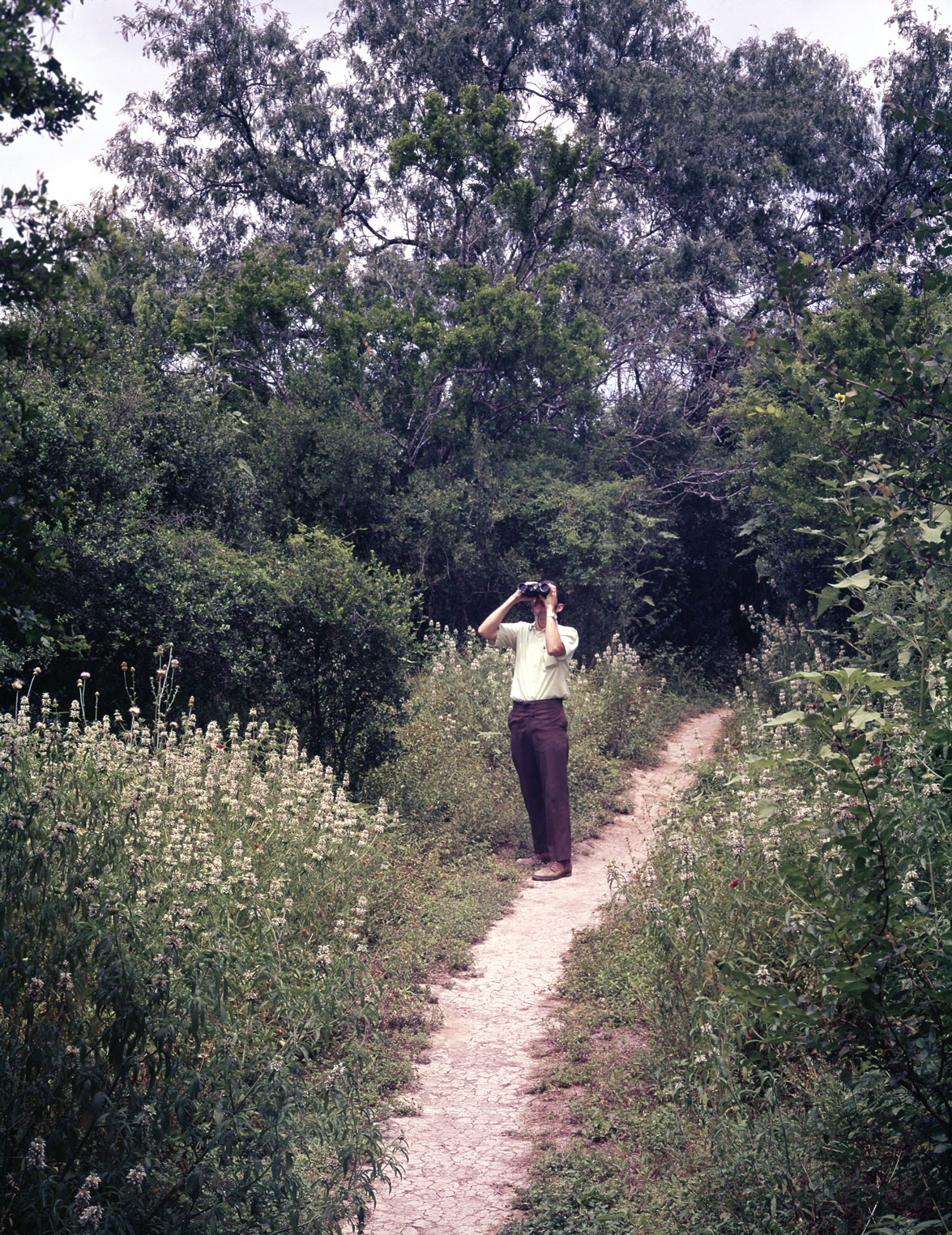
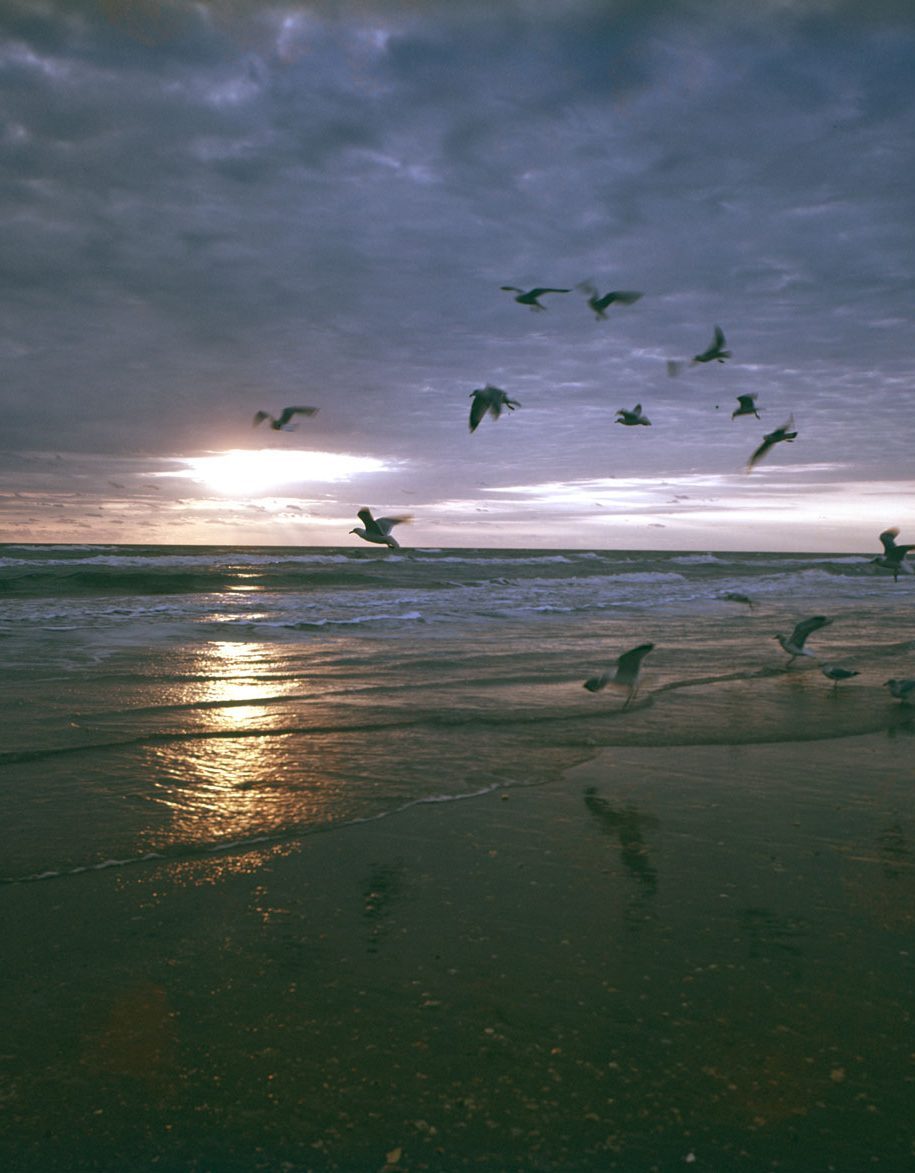
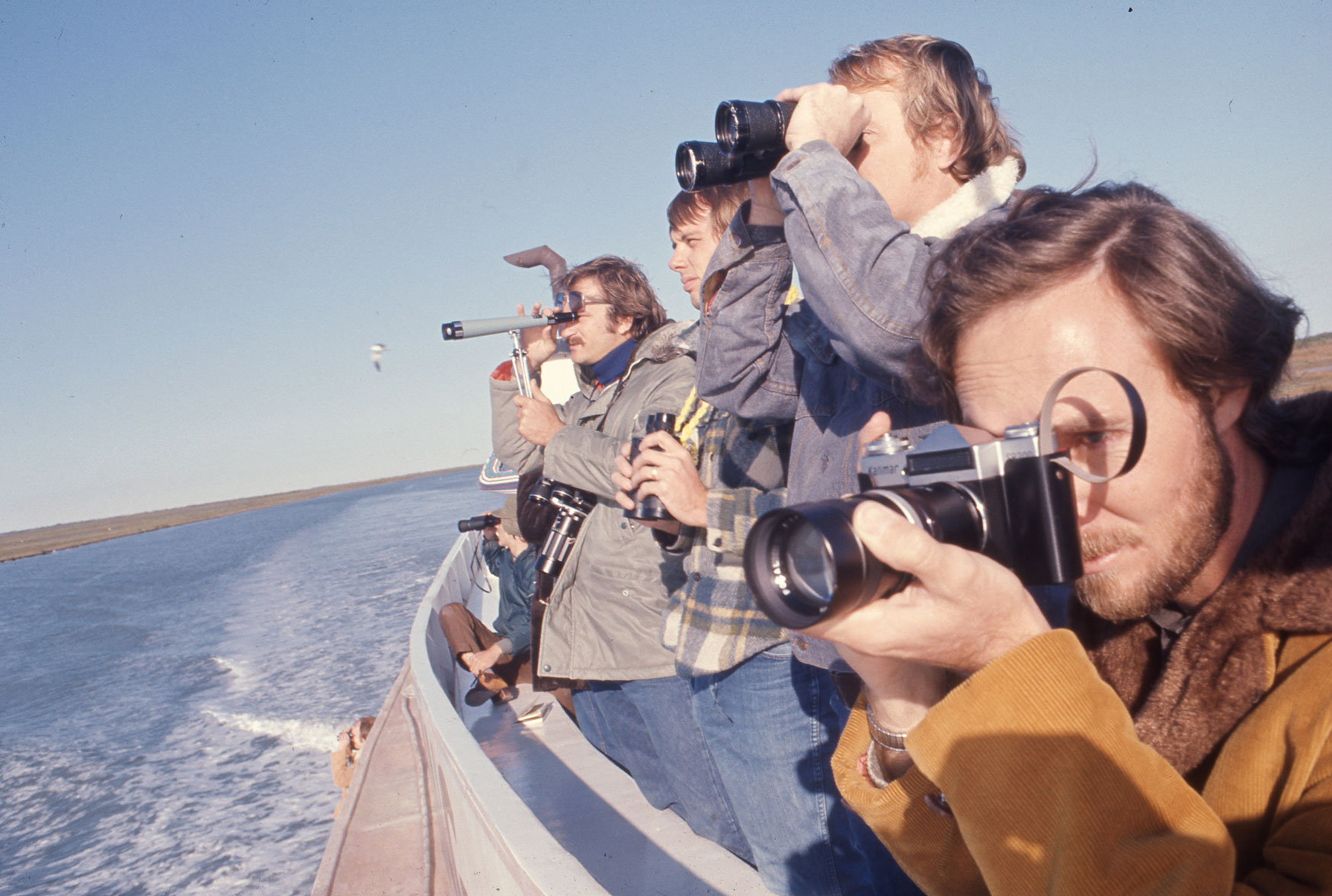
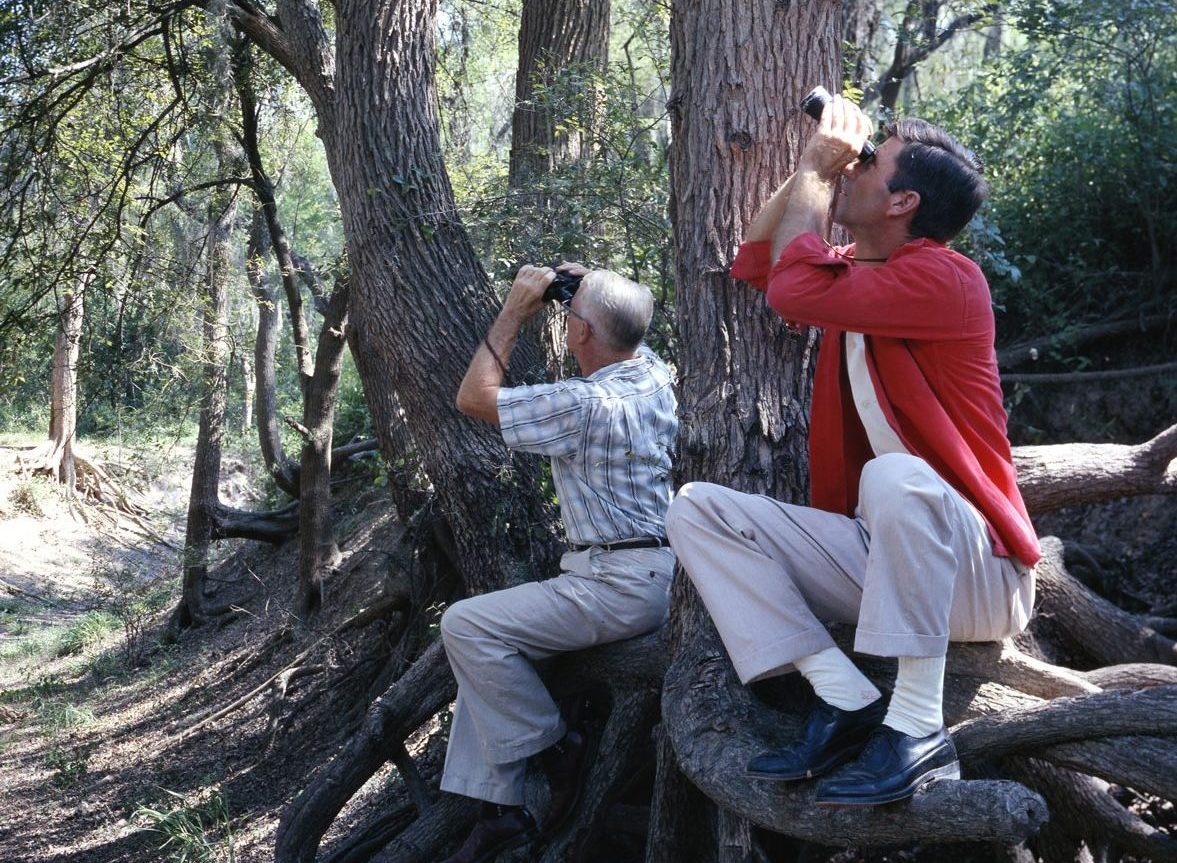
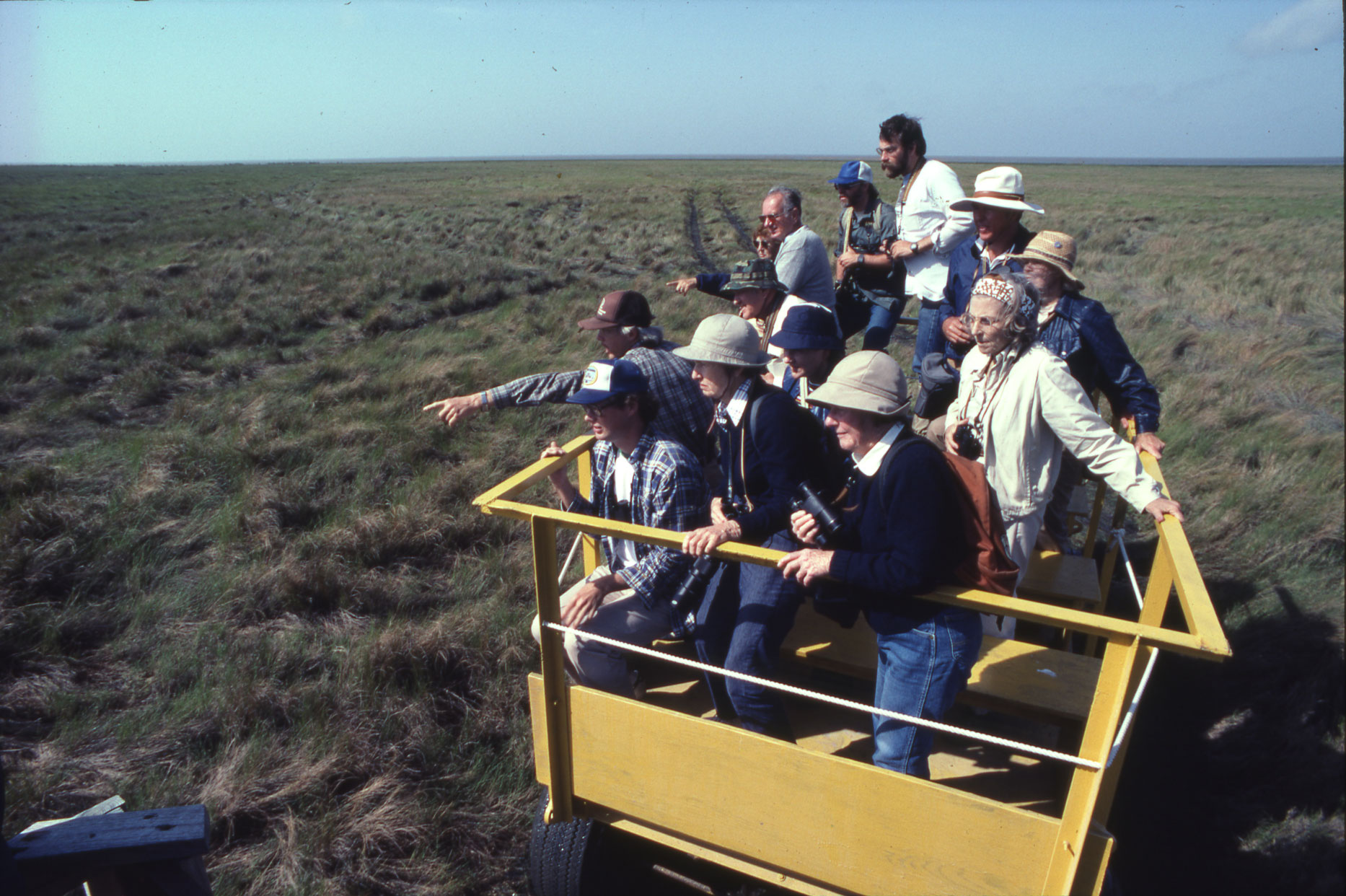
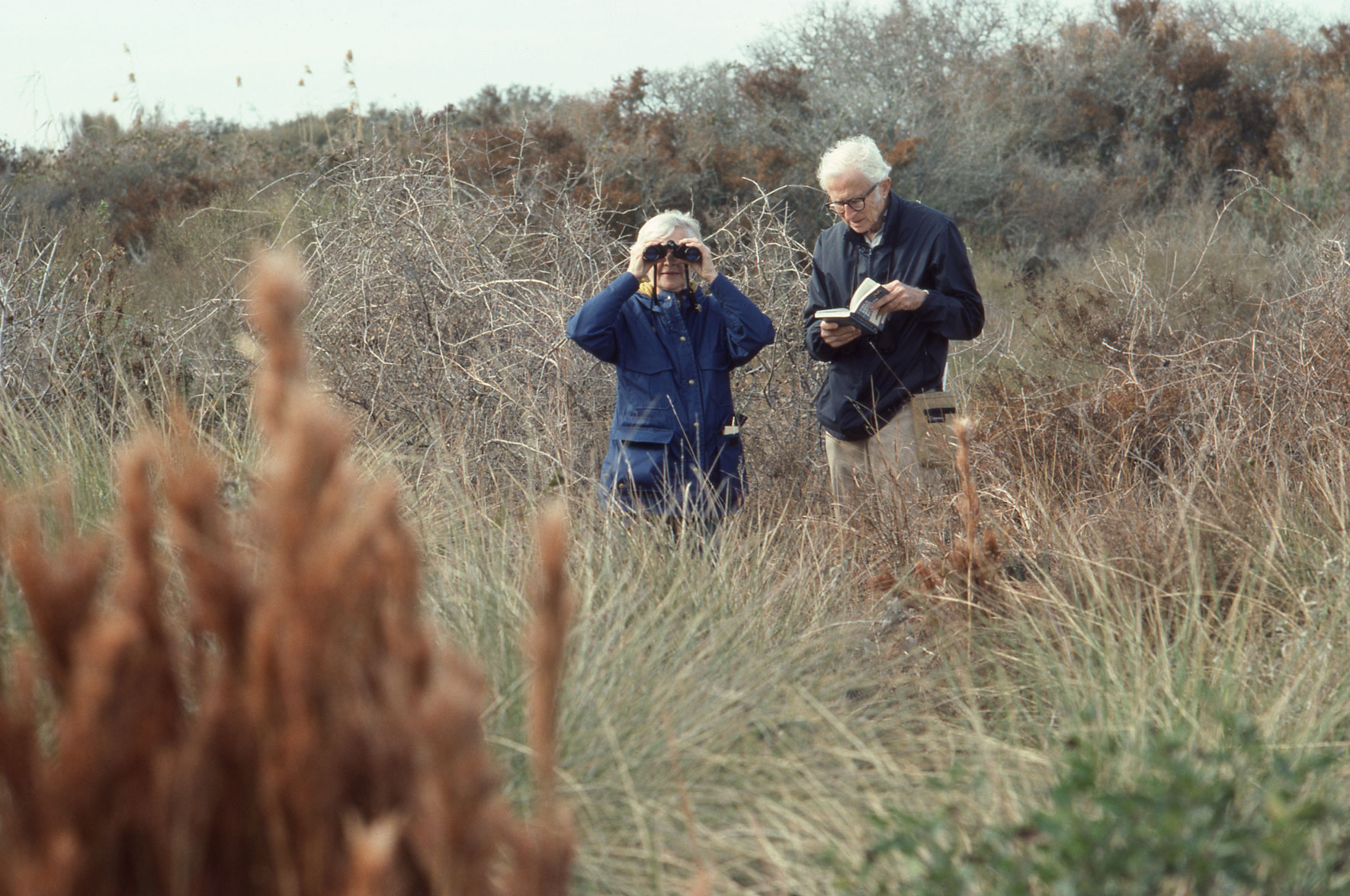
People are drawn to birdwatching for a variety of reasons: the peace and calm of being in nature, the rush of spotting and identifying a rare creature, the desire to contribute data to community science efforts. While some avid birders travel and hike to track hard-to-find species, others prefer to “slow bird,” simply observing the feathered individuals as they zip around their backyard or a nearby park. “There’s no wrong way to engage with nature,” Plante says, “The important part is just getting out there.”
From regional festivals to statewide bird counting tournaments, there are plenty of ways to get involved in Texas’ birding culture. Here’s how to get started.
RESOURCES
A good field guide is essential for identifying species. The Sibley Guide to Birds and National Geographic’s field guide are popular choices. You can find them at bookstores or your local library. Some Texas libraries allow patrons to check out Library Explorer Adventure Packs, backpacks that contain field guides and tools for exploring the outdoors.
There are also plenty of apps to help you identify birds, like the Audubon Bird Guide and Merlin. Some apps, like eBird and iNaturalist, allow you to track bird sightings and contribute data to science and conservation efforts.
EQUIPMENT
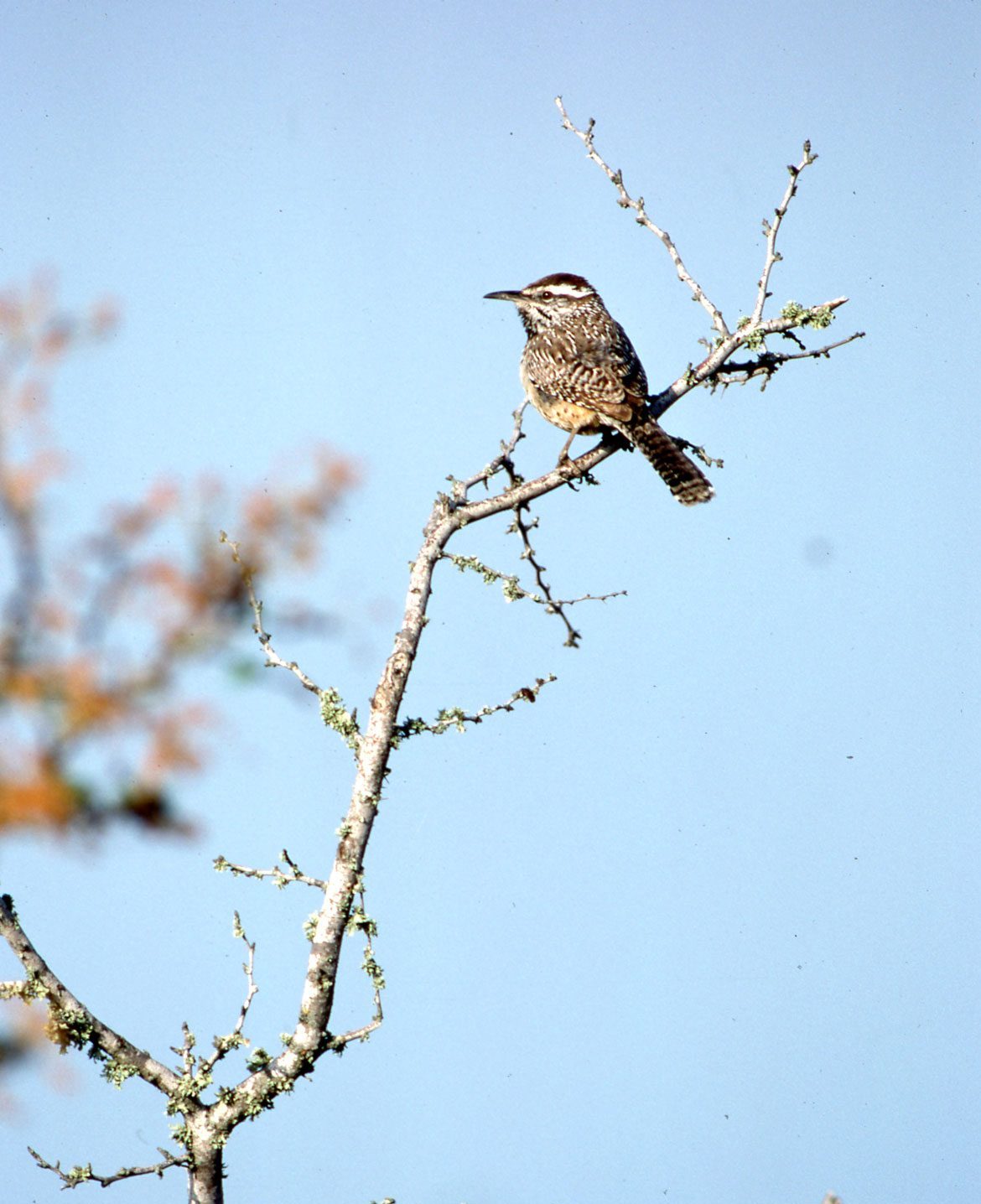
You don’t need much to birdwatch, other than a field guide and weather-appropriate clothing. You might also want to bring:
Pair of 7- or 8-power binoculars

Smartphone & portable charger

Hiking boots & trekking poles

Snacks & water

Notebook & pen

Sunscreen & bug repellant

MUST-VISIT TEXAS BIRDING SITES
While you can go birding anywhere in Texas, here are some top locations:
Bentsen-Rio Grande Valley State Park
Mission
Santa Anna National Wildlife Refuge
Alamo
Jocelyn Nungaray National Wildlife Refuge
Anahuac
Aransas National Wildlife Refuge
Austwell
Laguna Atascosa National Wildlife Refuge
Los Fresnos
Bolivar Flats Shorebird Sanctuary
Port Bolivar
High Island Sanctuaries
Highland
Big Bend National Park
Brewster County
FROM OUR PARTNERS AT TEXAS PARKS & WILDLIFE MAGAZINE
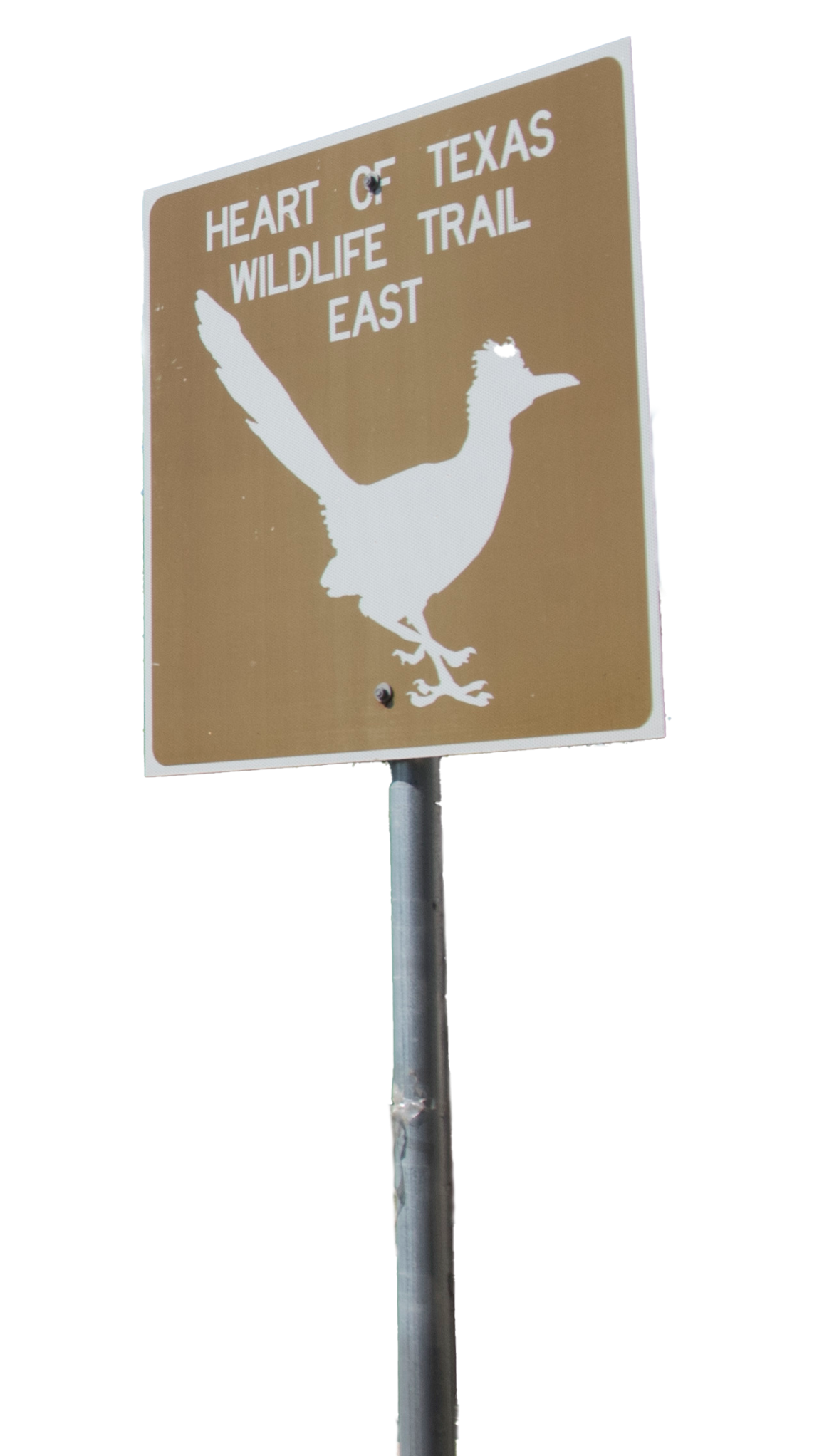
The Great Texas Wildlife Trails
Texas Parks and Wildlife offers nine interactive driving maps of the Great Texas Wildlife Trails, which highlight birding hot spots around the state.
Texas Bird Bingo
Stay tuned for more information on Texas Parks & Wildlife Magazine’s annual game of Bird Bingo, which kicks off in May.
GET CONNECTED
Find your local Audubon chapter and see if they have a bird club or classes you can join. Your local Texas Master Naturalist chapter might also offer birding activities.
EVENTS
Parks regularly offer birding tours. Texas Parks and Wildlife has a calendar of events that you can filter by “birding.”
Whooping Crane Festival, Feb. 19-22
Great Texas Birding Classic, April 15-May 15
FeatherFest, April 16-19
Rio Grande Valley Birding Festival, Nov. 11-15
ETIQUETTE
When birding, it’s important to respect birds, their habitat, and other people in the area. That means not disturbing nests, being quiet, staying on designated trails, and picking up your trash. The American Birding Association has a detailed Code of Birding Ethics.
TEXAS BIRDING BY THE SEASONS
Tune in every quarter for the next installment of our birding guide.
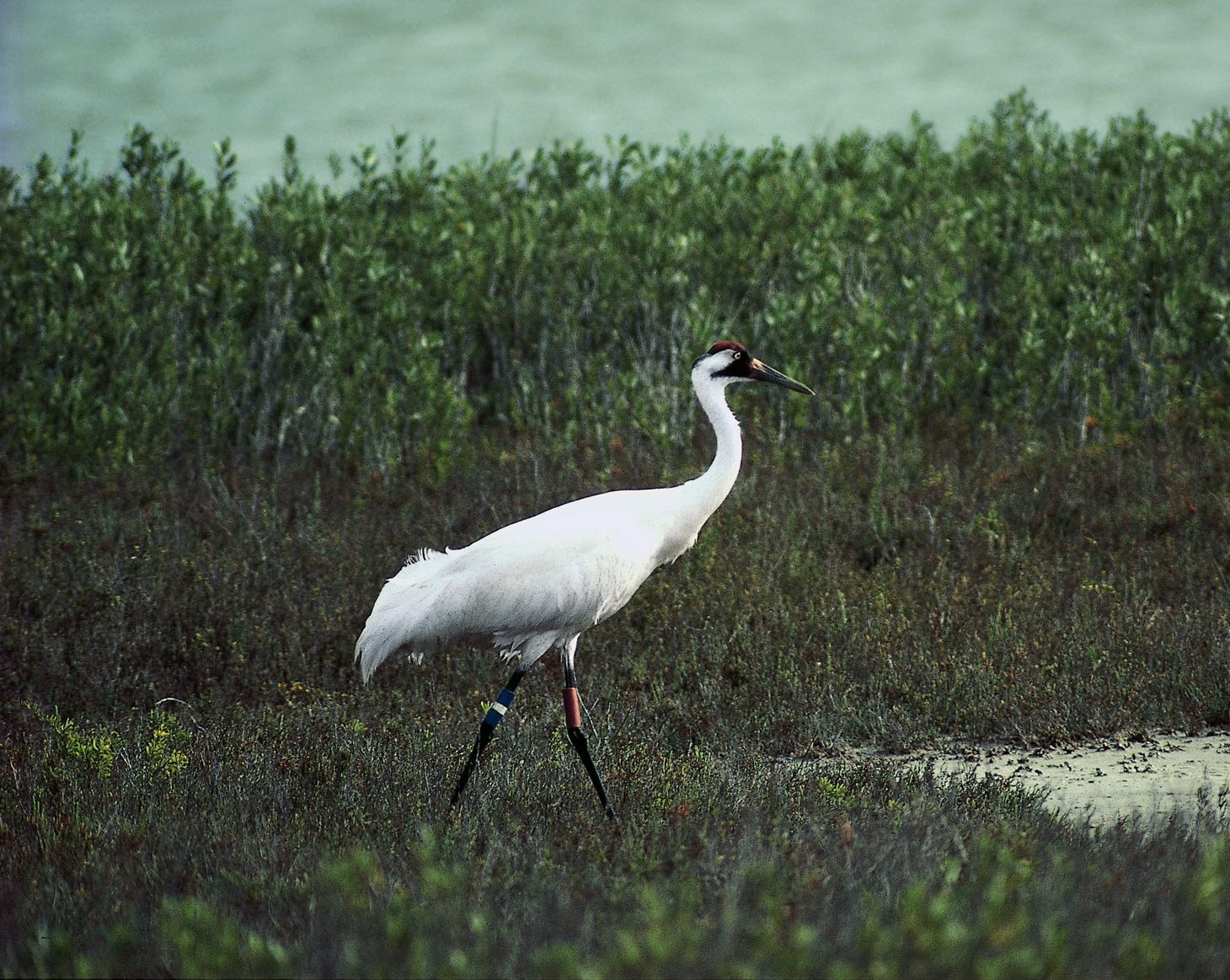
WINTER
Winter Is the Unsung Season of Birding in Texas
Mild weather and a large number of native species make the colder months an exciting time to bird around the state.
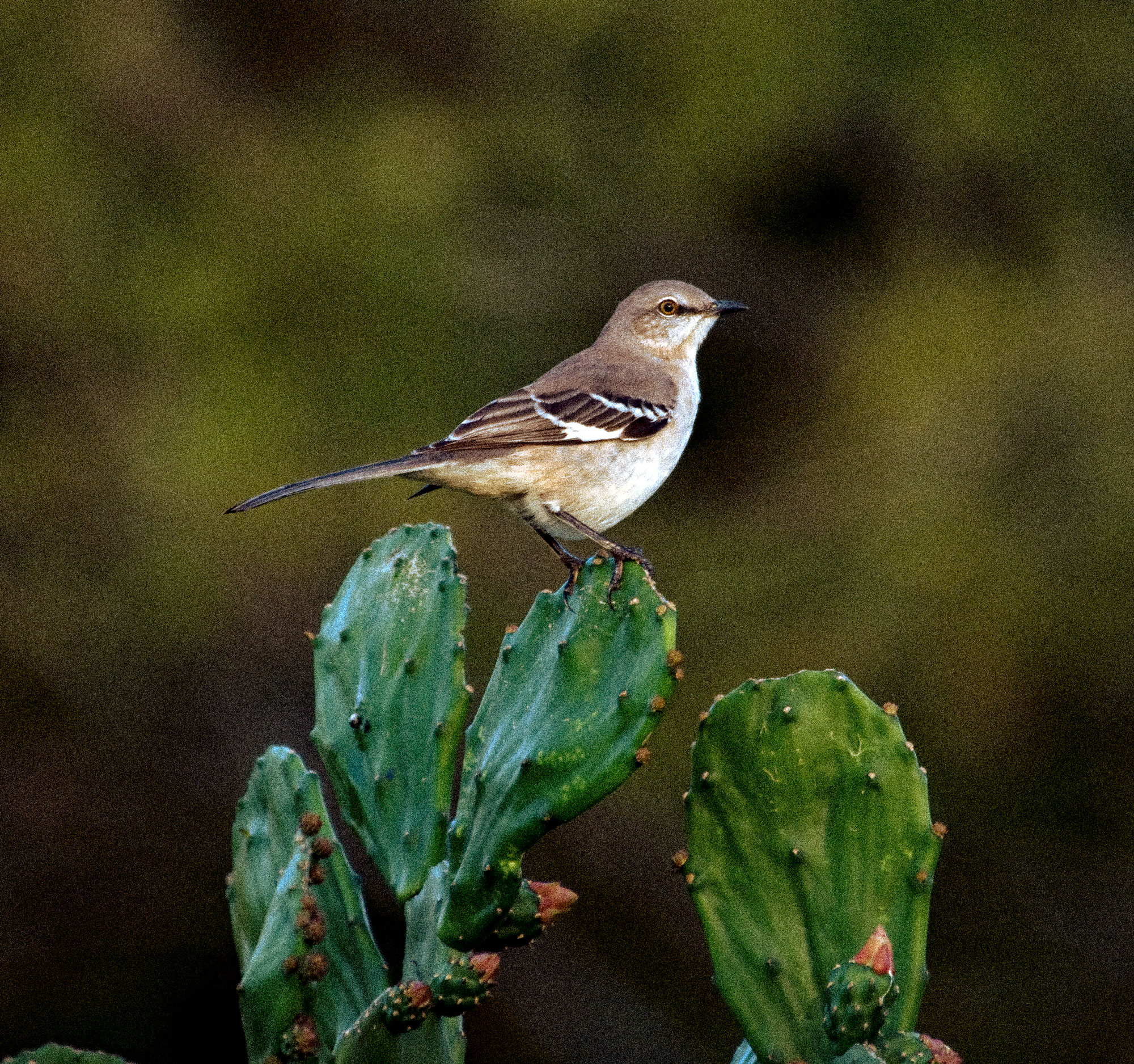
SPRING
Texas Spring Brings a Bounty of Birds
It’s prime time for Texas birding. Late February through May is spring migration, when avian species on the continent head north for the summer.
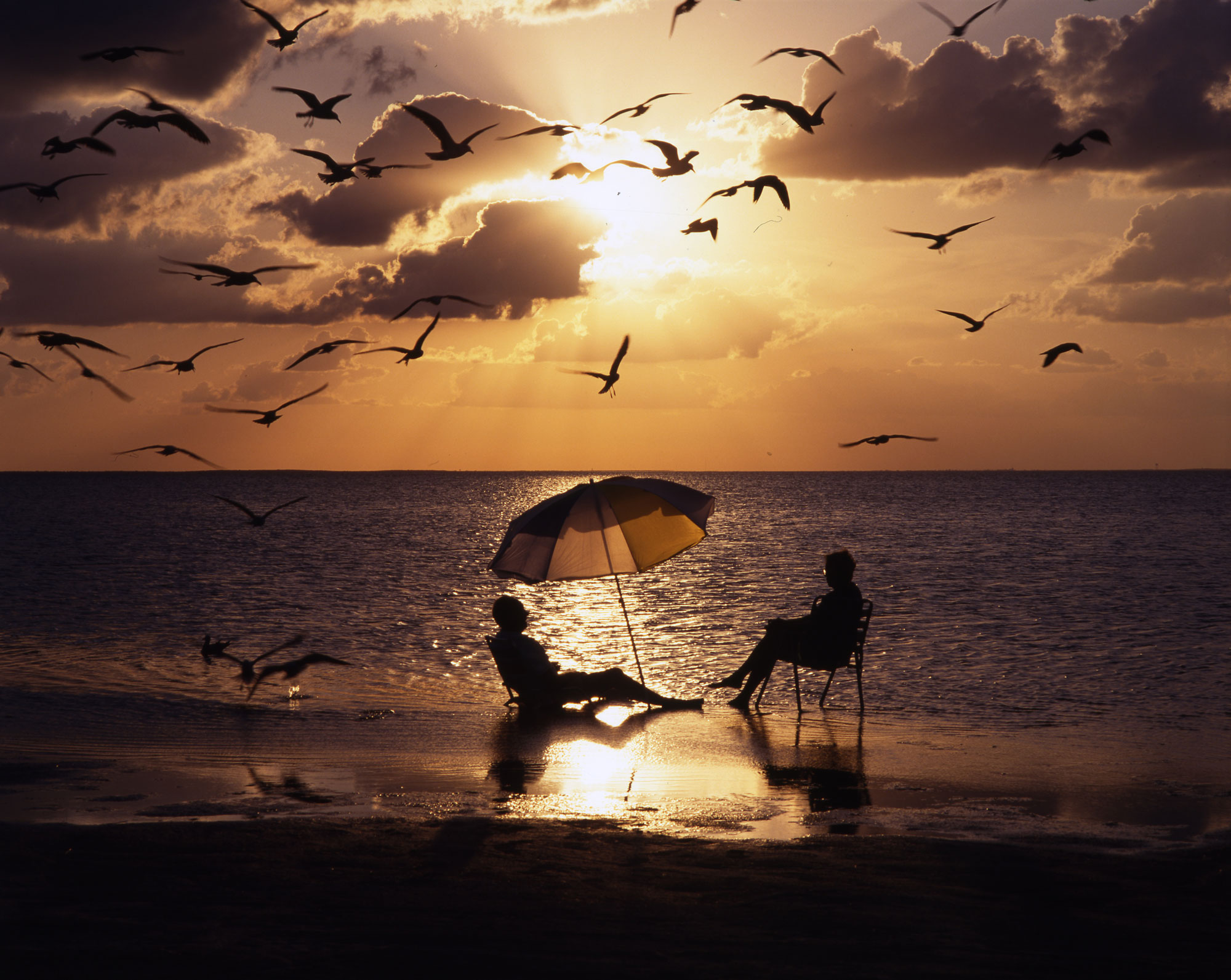
SUMMER
Summer Birding in Texas Rewards the Patient and the Brave
Hotter temperatures and slowed migration mean shorter windows for birding during Texas summers.