
A TEXAN’S GUIDE TO BIRDING
FALL EDITION
Fall migration in Texas is underway long before the first cool air blows in from the north. The appearance of the black-and-white warbler and shorebirds on the upper coast in July marks the first wave of the billions of birds—encompassing 400 species—on their great return to Texas. Most are passing through on their way south of the border to Mexico or Central America, but there are a significant number who will make Texas their winter home.
Peak fall migration runs from mid-August, when broad-winged hawks and Mississippi kites arrive, to the end of November when sparrows move in for the season.
The migration south may lack the drama of a spring fallout when all kinds of exhausted songbirds encounter headwinds after crossing the Gulf at night and stop at the first sight of land. But fall is no less enjoyable. As in spring, fall migrants tend to hug the Gulf Coast and occupy nearby prairies and wetlands. And as always, fall species are most abundantly found in the Rio Grande Valley, where the two main stems of the Central Flyway converge.
The whole state is suitable habitat for numerous species that summer in Canada and the Arctic, particularly waterfowl and raptors—further affirmation of Texas’ status as a world-class birding destination.
Fall migration also means more comfortable birding. By the time the autumnal equinox rolls around on Sept. 22, mornings will have cooled ever-so-slightly to make birding in the field tolerable, although midday heat can still discourage bird and birding activity.
The majority of migrants have passed through by Thanksgiving as winter residents settle in, forage, and nest. Leaves may have dropped as the landscape transitions from green to brown, and the buzz of insects goes silent. Yet there is plenty of sustenance for avian visitors.
Come January, the whole dance begins again, in reverse, as the first northbound migrants appear, leading to the crescendo three to four months later known as spring migration.—Joe Nick Patoski
Flight Path
A
seasonal newsletter for Texas’ novice birders and longtime enthusiasts
HAWK SPOTS
Hawks are the big stars of fall migration in Texas. Thousands of broad-winged hawks pass through a single viewing site on any given September or October day. Near the coast, Smith Point on the Bolivar Peninsula features a 30-foot tower built by the Gulf Coast Bird Observatory at Candy Cain Abshier Wildlife Management Area. Stewart Road on the west end of Galveston Island is known as Hawk Alley for its abundance of Swanson’s and red-tailed hawks, kestrels, osprey, and crane.
Port arthur
Candy Cain Abshier WMA
10 Parks and Wildlife Drive, Port Arthur. tpwd.gov
Down the coast, the HawkWatch Platform at Hazel Bazemore County Park is the focal point of the Celebration of Flight festival. Occurring this year from September 25-27, it coincides with peak broad-winged hawk migration. Hosted by HawkWatch International and the Audubon Outdoor Club of Corpus Christi, Celebration of Flight features live birds of prey, a parade of raptors, food trucks, games, and Indigenous dancing.
COrpus Christi
Hazel Bazemore County Park HawkWatch Platform
4343 County Road 69, Corpus Christi. hawkwatch.org
HUMMERBIRD Celebration
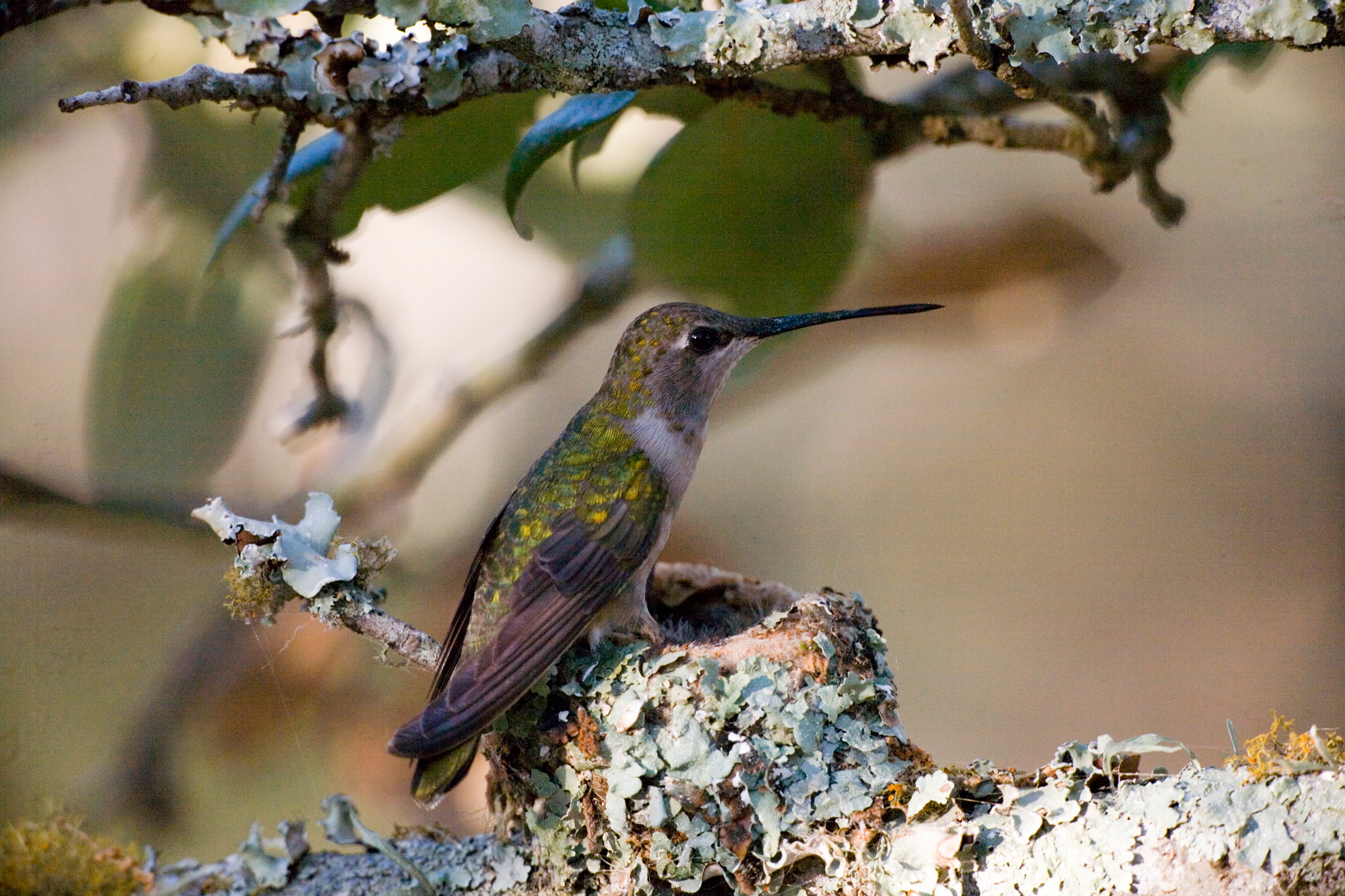
The Rockport-Fulton 38th annual HummerBird Celebration (Sept.17-20) celebrates the staging area for ruby-throated hummingbirds as well as rufous, black-chinned, buff-bellied, and calliope hummingbirds, fueling up for their long flight across the Gulf to winter grounds. The 6 acre Connie Hagar Cottage Sanctuary and its mix of windswept oak mottes and open coastal grasslands honors self-taught ornithologist Connie Hagar—nicknamed the Bird Lady of Rockport—who, with her husband Jack, ran the Rockport Cottages on this site and championed the city as a major birding destination. This slice of wild in Rockport is action central during the fest and a dependable site for wetland birds year-round.
Rockport-fulton
Rockport-Fulton Chamber of Commerce and Visitors Center
319 Broadway St., Rockport. rockport-fulton.org
RIO GRANDE VALLEY BIRDFEST
The Rio Grande Valley is as good as it gets for birding. The development of birding infrastructure in the RGV over the past 30 years has been as remarkable as the increased visitor count.
The main event is the Rio Grande Valley Birding Festival in Harlingen, now in its 33rd year. Staged at the convention center Nov. 11-15, the fest features guest speakers, a raptor show, and a trade show with global vendors from around the globe promoting birding travel.
The big draw is the field trips. Festgoers can sign up for one of 150 guided birding tours to prime Valley sites. “We have field trips going everywhere,” field trip and guide coordinator Justin LeClaire says. “Last year we had 600 participants and 100 guides.”
Harlingen
Harlingen Convention Center
701 Harlingen Heights Drive, Harlingen. rgvbf.org
Field trips to chase vagrants from Mexico and rarities like the Amazon kingfisher—which was found during the 2013 festival, the second sighting ever in the U.S.—keep hardcore birders engaged.
LAKE LIVINGSTON
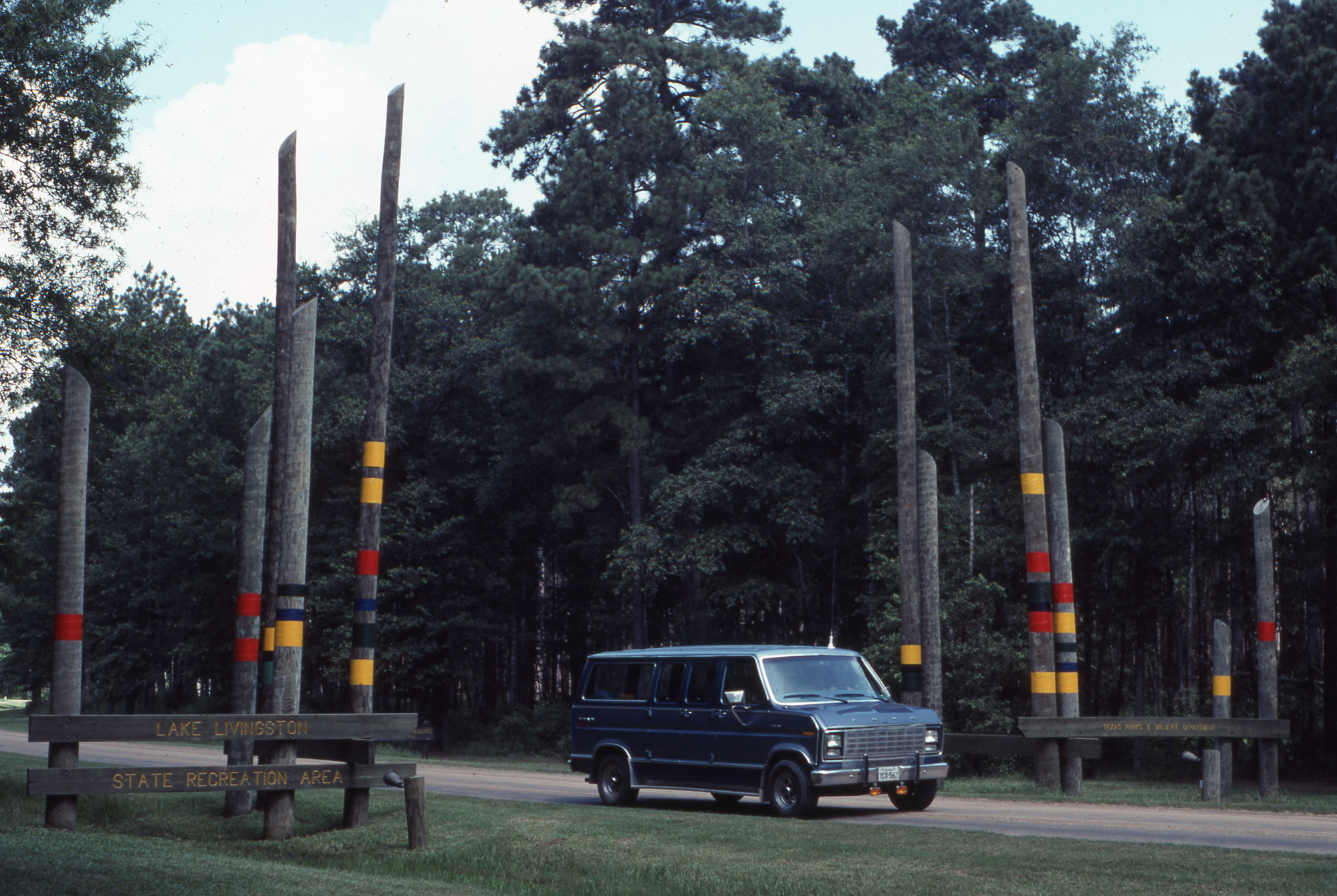
Tony Galluci spent more than 20 years birding in East Texas, writing the original checklist for Birds of Lake Livingston and starting four Christmas Bird Counts. Though he lives in Kerrville now, Galluci champions his favorite East Texas lake as a fall birding hotspot. “Beginning with blue-winged teal showing up in late August, almost all species of North American ducks move through in significant numbers into December,” he says.
East Texas’ mix of hardwood and pine forests, sandy uplands, and lowland swamps makes for a perfect stop for many species coming from eastern North American forests, Galluci says. The late arrival of migrating cedar waxwings signals the winding down of fall migration around Lake Livingston. “They come through in flocks of generally 20 to 100 birds,” Galluci says. “Most head to the mountains of Mexico, but a fair number hang around East Texas if berry crops are substantial.”
Livingston
Lake Livingston State Park
300 State Park Road 65, Livingston. tpwd.gov
The 33-acre Gazebo Nature Preserve adjacent to the hydroelectric plant below the Lake Livingston Dam and bordering the Trinity River has trails and natural features installed by the Piney Wood Lakes Chapter of Texas Master Naturalists. The preserve’s marsh and pine savannah attracts bald eagles, osprey, pelicans, blue herons, and other waterfowl.
Livingston
Gazebo Nature Preserve at Lake Livingston
538 Recreational Road 5, Livingston
MITCHELL LAKE
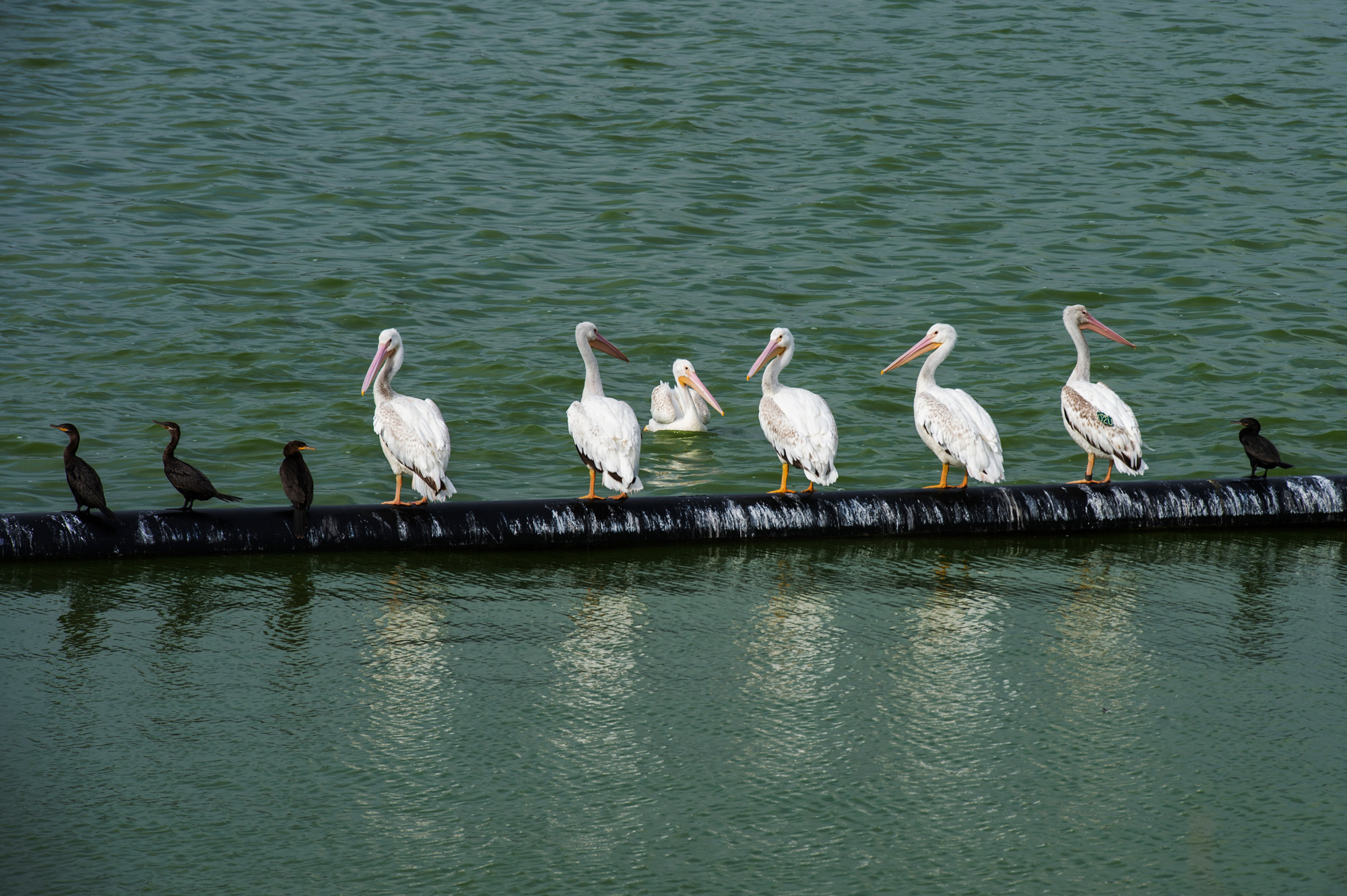
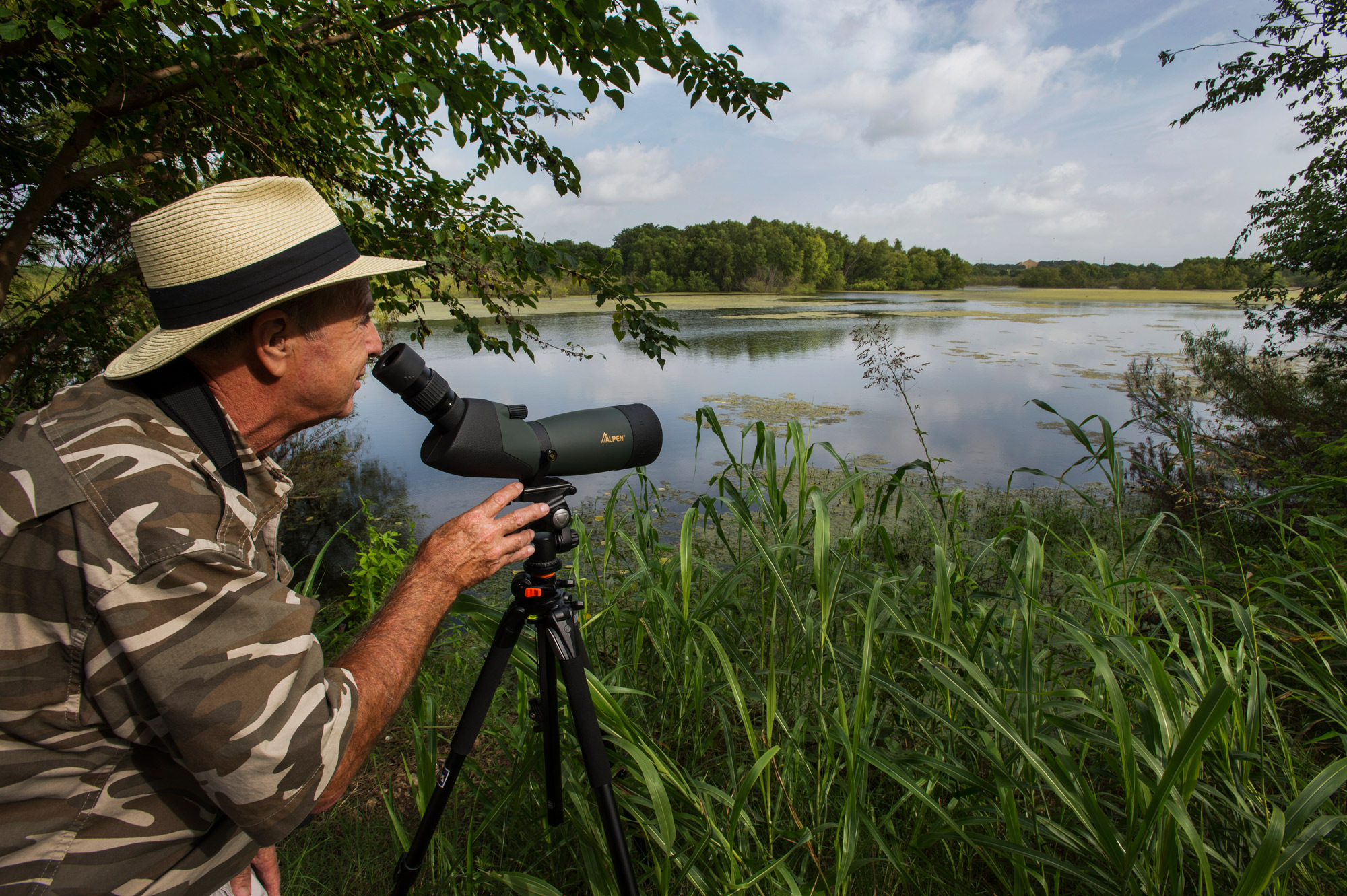
Established in 2004, the 1,200-acre Audubon preserve with 7.5 miles of hiking trails has recorded 359 bird species. While bird populations have been declining globally over the past century, wetland bird numbers are up, a testament to restoration projects like Mitchell Lake. “It’s a critical proof of concept,” says Corey Ames, host of the Texas Field Notes podcast.
Among the Mitchell Lake fall regulars are yellow-rumped warblers, orange-crowned warblers, ruby-crowned kinglets, and American white pelicans, which can be found year-round.
san antonio
Mitchell Lake Audubon Center
10750 Pleasanton Road, San Antonio. audubon.org
RIO BOSQUE
Rio Bosque Wetlands Park near Socorro, 15 miles downstream from downtown El Paso, delivers the goods, while telling a story similar to Mitchell Lake. Wetlands and woodland have all but disappeared along the Rio Grande. The 372-acre city park, managed by the University of Texas-El Paso’s Center for Environmental Resource Management, demonstrates how wetlands and riparian bosque can be restored and managed for the benefit of wildlife and ecosystems in the river valley. Water impoundments and canals in the park are filled to aid waterfowl. Northern harriers, Chihuahuan ravens, and western screech-owls lead the fall parade at Rio Bosque.
el paso
Rio Bosque Wetlands Park
10716 Socorro Road, El Paso. utep.edu
BUFFALO LAKE
Created in 1938 with the construction of the Umbarger Dam on Tierra Blanca Creek for flood control and recreation purposes, the refuge features a lake that dried up in the 1970s when depletion of the Ogallala Aquifer caused the creek to stop running consistently. While boating and sailing are no longer possible, the 7,664-acre refuge remains a magnet for birdlife. The shortgrass prairie, woodlands, marshes, croplands, riparian habitat, and canyon walls attract both migrants on the Central Flyway and year-round residents, with the 300-acre Steward Marsh a waterfowl hotspot.
umbarger
Buffalo Lake National Wildlife Refuge
3 miles south of Umbarger on FM 168. fws.gov
Autumn signals the passage of warblers and other migrants, along with the arrival of bald eagles, golden eagles, hawks, and over-wintering geese and ducks. Burrowing owls and black-tailed prairie dogs, too. The lake sometimes reappears after heavy rains.
CRANE CENTRAL
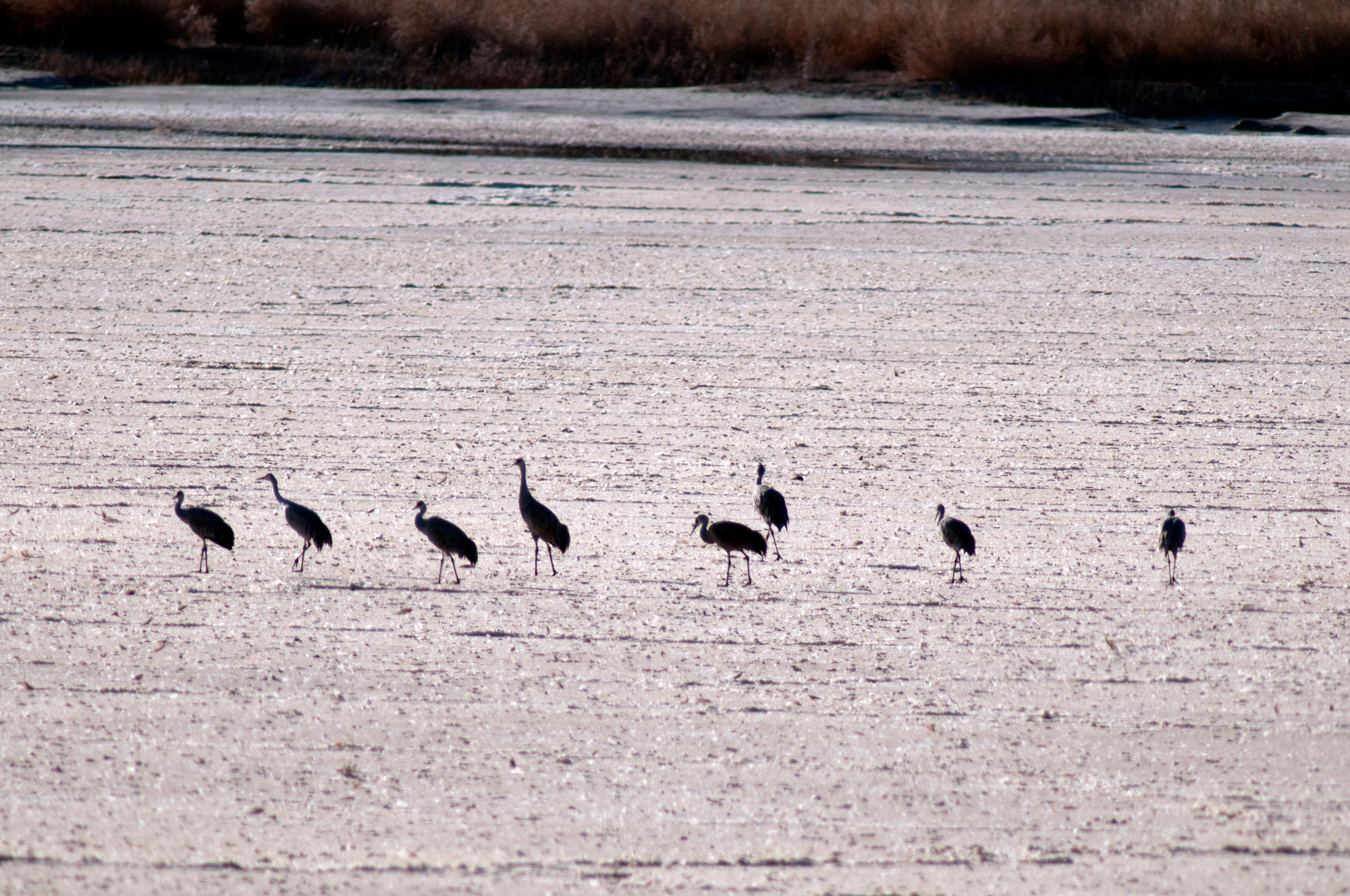
The 5,890-acre Muleshoe is the oldest national wildlife refuge in Texas, established in 1935 via an executive order by President Franklin D. Roosevelt.
It also contains the largest concentration of wintering cranes in Texas, with tens of thousands of sandhill cranes landing on and around the refuge’s three saline lakes at dusk every evening in the late fall and early winter.
muleshoe
Muleshoe National Wildlife Refuge
1531 County Road 1248, Muleshoe. fws.gov
HUB CITY BIRDING
Pretty much all of the city of Lubbock and the surrounding South Plains offer closeups of the fall migration, with more than 400 species recorded in the area. Clapp Park, Canyon Lake, Yellow House Draw, and Buffalo Springs Lake all function as “migrant traps” for birds traveling the Central Flyway. Every cold front brings a new wave of songbirds and waterfowl. “Any place around the Llano Estacado that has water has groups of birds,” Lubbock backyard birder Larry Simmons says. “If the playa lakes are holding water, the birds are flocking. There are lots of cranes and egrets in those catch-alls.”
Lubbock
Lubbock Memorial Arboretum
4111 University Ave., Lubbock.
lubbockarboretum.org
Clapp Park at 46th Street and Avenue U has documented 310 species at the 93-acre spread on the popular birding app eBird. The park’s main attractions for the ducks and geese and southbound hummers, warblers, and vireos are the oasis-like Lubbock Memorial Arboretum on the west side of the park and the wooded playa ponds on the park’s east side.
BLAIR WOODS NATURE PRESERVE
This 10-acre sanctuary in East Austin, once the home of University of Texas-Austin professor and herpetologist Frank Blair, and now under the stewardship of Travis Audubon, is a hidden gem. Situated near a secondary route of the historic El Camino Real de los Tejas, this mini-confluence of prairie, woods, and wetlands attracts downy woodpecker, eastern wood-peewee, hermit thrush, winter wren, the American kestrel, and a variety of vireos and warblers in the fall. Volunteers have removed invasives and reintroduced native plants and trees while constructing a pollinator garden, bird blind, and chimney swift tower.
austin
Blair Woods Nature Preserve
5401 E Martin Luther King Jr. Blvd., Austin. travisaudubon.org
WARBLER WOODS
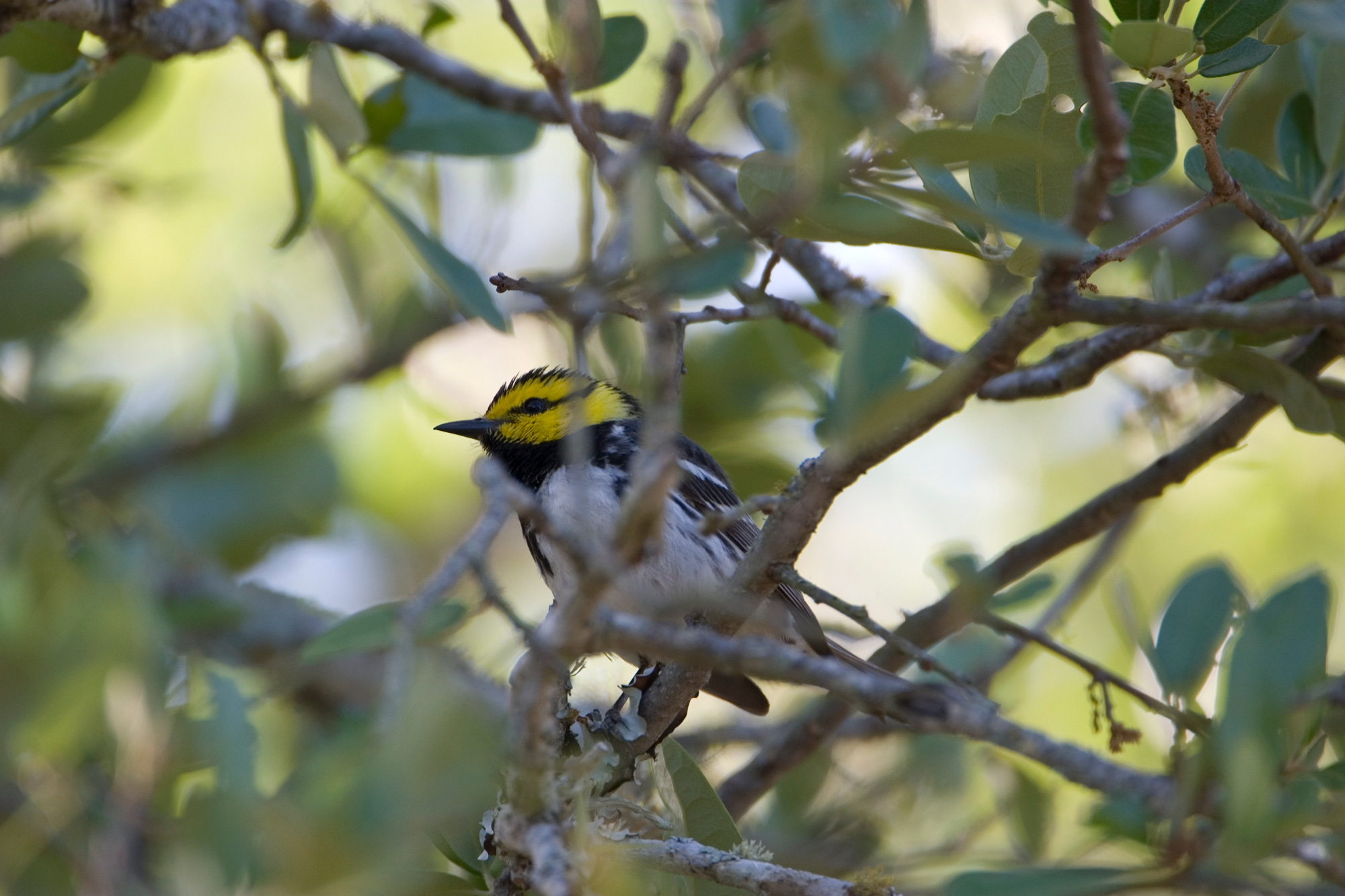
Don Schaezler’s father purchased these 124 acres of rolling grasslands and woodlands northeast of San Antonio in 1950 as a hunting lease and a place to farm. In 1997, Don and his wife, Susan, built a home and moved onto the property and gave it a new name: Warbler Woods Bird Sanctuary.
Since then, 290 species have been documented at this nexus of coastal plain, prairie, and the Edwards Plateau with ponds and other water features. The sanctuary attracts seasonal residents such as the rufous hummingbird, hermit thrush, brown thrasher, northern flicker, sharp-shinned hawk, and loads of warblers in the fall.
cibolo
Warbler Woods Bird Sanctuary
19349 Old Wiederstein Road, Cibolo. warblerwoods.org
The privately owned bird and wildlife refuge and sanctuary is a nonprofit and a Gulf Coast Bird Observatory Site partner. You can plan a trip by contacting Warbler Woods via email.
BALCONES CANYONLANDS
Better known for its rare summer residents like the black-capped vireo and golden-cheeked warbler, the Balcones Canyonlands National Wildlife Refuge in the Hill Country encompasses more than 28,000 acres of oak-juniper woodlands (short forest) with open fields, riparian habitat, and three main birding sites: the Shin Oak Observation Deck, Doeskin Ranch, and Warbler Vista. Hawks and turkey vultures migrate through in early fall. Spotted towhees and sparrows are late fall arrivals sticking around the canyonlands through spring.
Marble falls
Balcones Canyonlands National Wildlife Refuge
24518 Ranch Road 1431, Marble Falls. fws.gov
Who to See
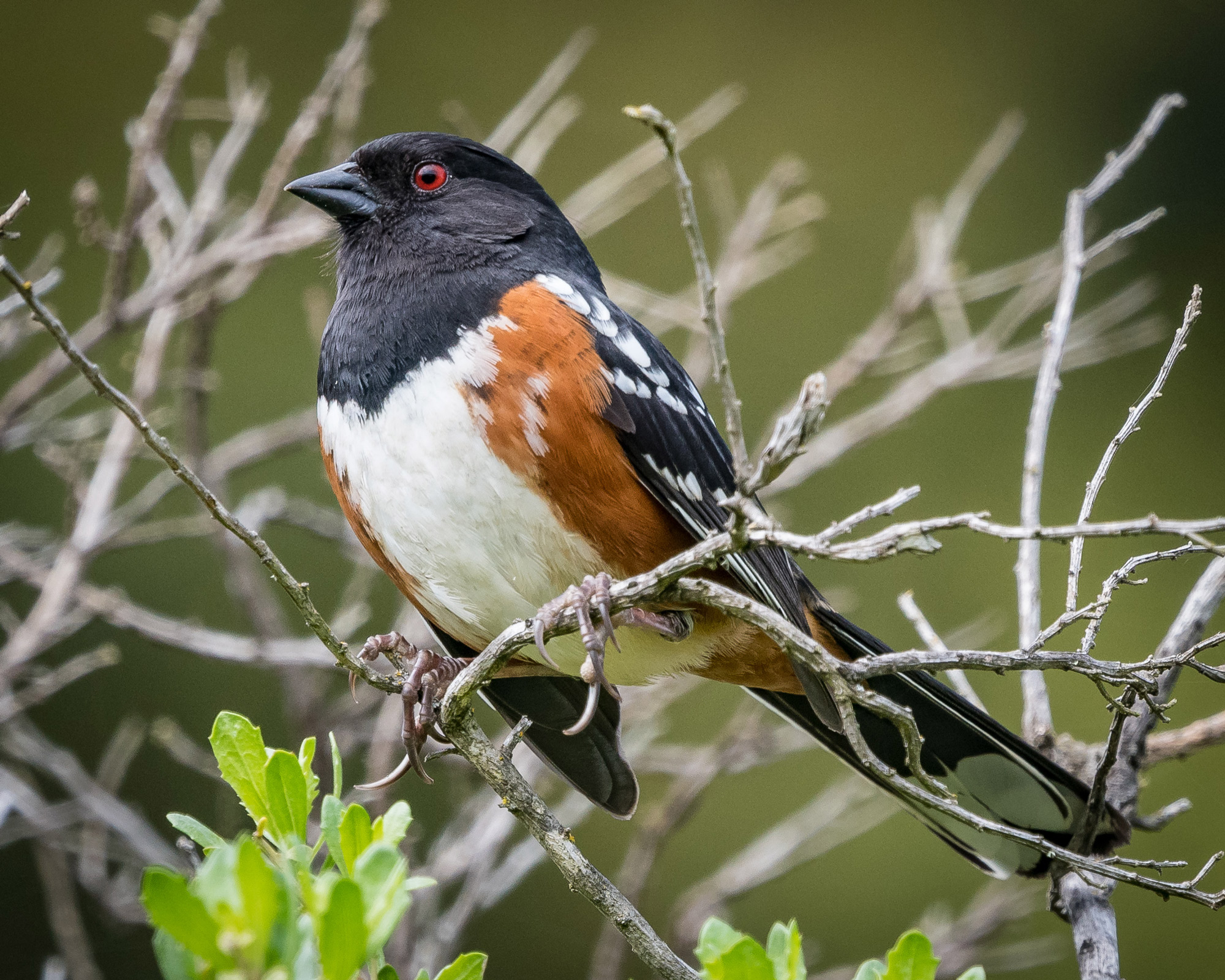
Spotted towhee
This long-tailed sparrow breeds in the Trans-Pecos and throughout the American West before migrating in September to central and southern Texas. Black on top with bright white stripes and spots, its plumage is highlighted by distinctive reddish-brown flanks. The spotted towhee is a ground forager that likes to hang around in brush and thickets.
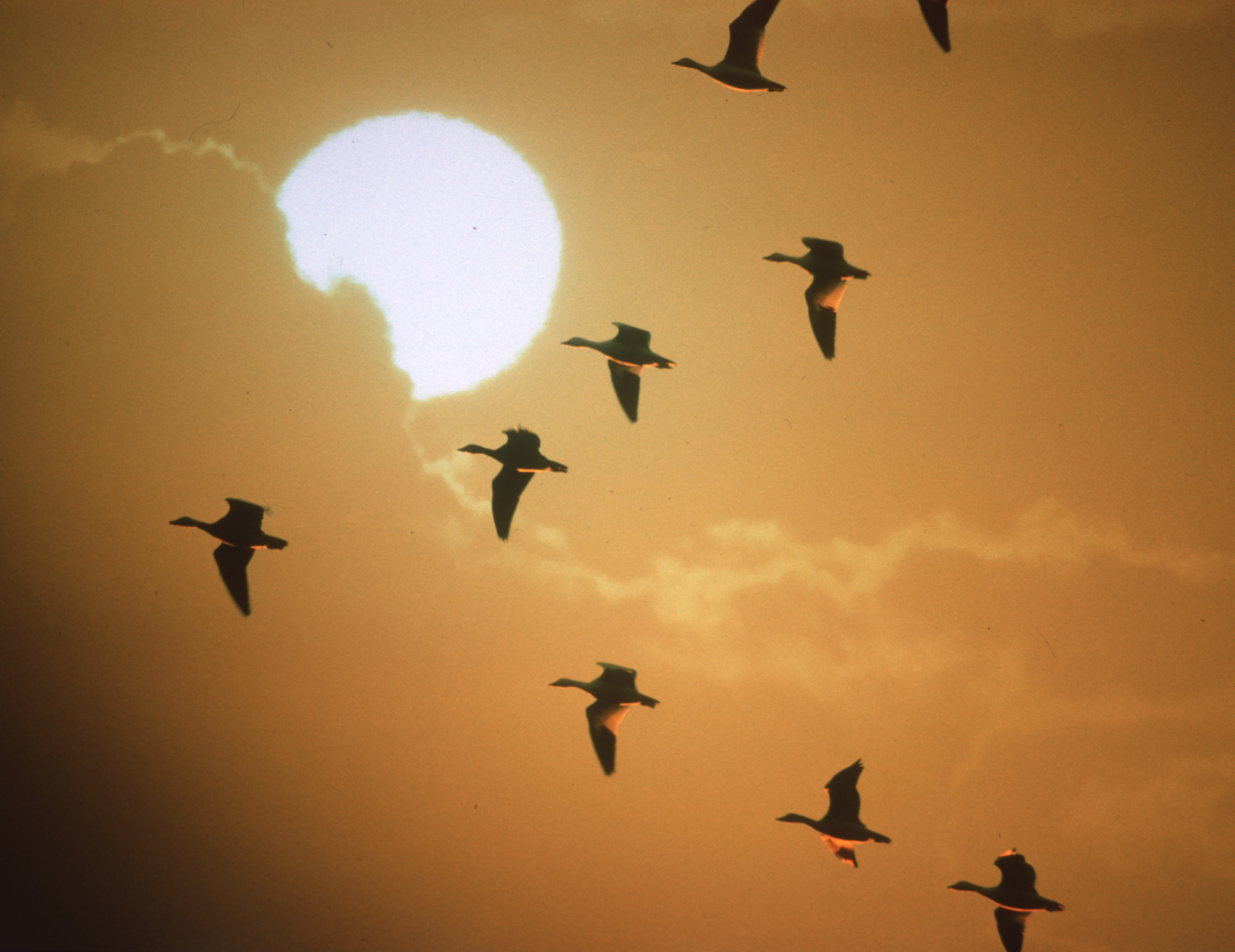
Snow goose
In the 1960s, Eagle Lake earned the title “Goose Hunting Capital of the World,” with millions of winter residents. Since then, the decline of rice farming and disappearance of fields and other cropland, extended drought, and increased competition from other ducks and waterfowl significantly lowered snow goose numbers at Eagle Lake. Meanwhile, the winter snow goose population has exploded in the Panhandle, where agriculture remains robust.
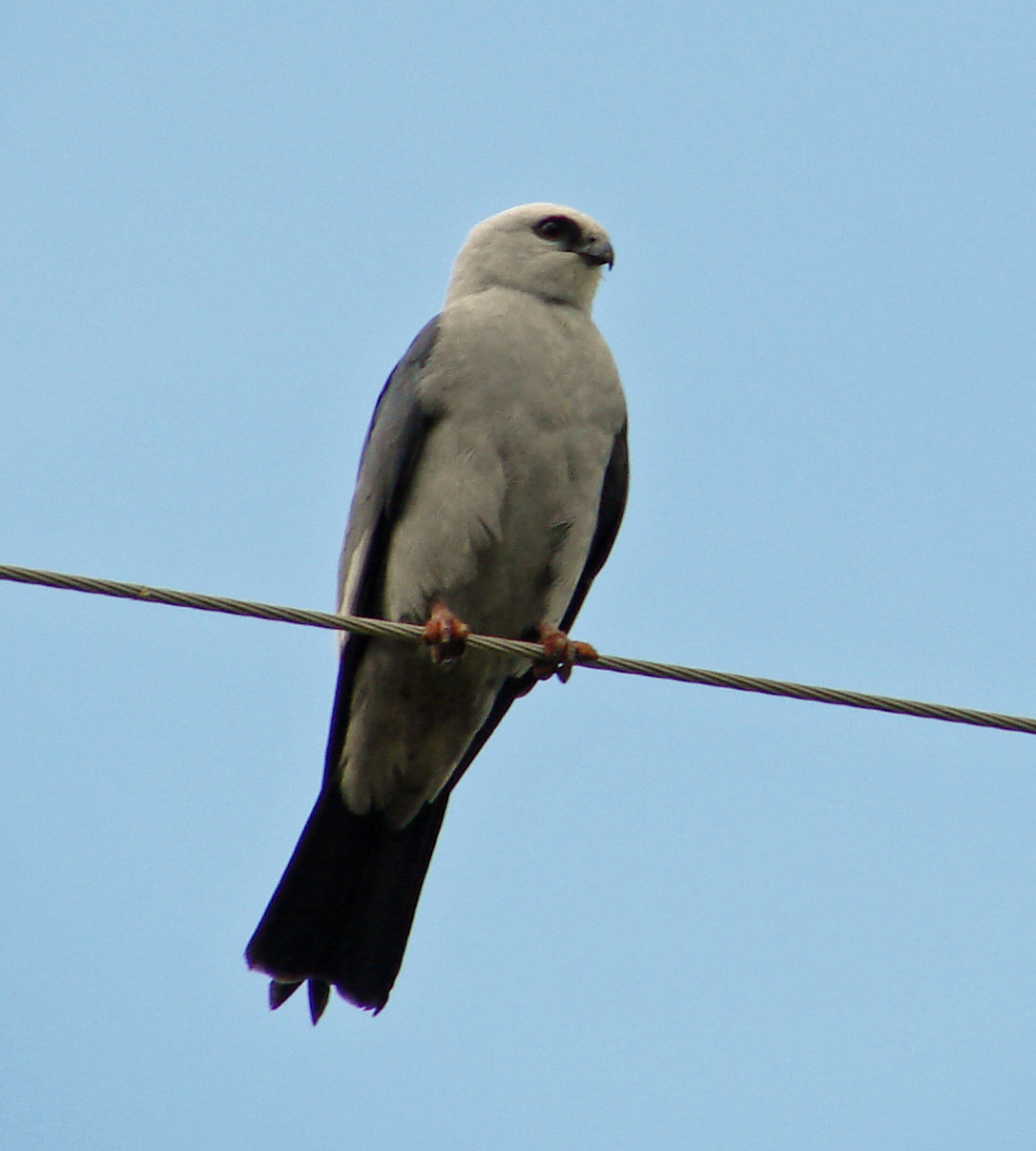
Mississippi kite
These neotropical migrants breed in North Texas and the Panhandle before heading south through the eastern two-thirds of the state in autumn. Similar in build to a peregrine falcon, the Mississippi kite is gray with a whitish head and breast and a contrasting black tail. A graceful soarer and swooper with an ability to appear buoyant, the kite is not much bothered by human presence.
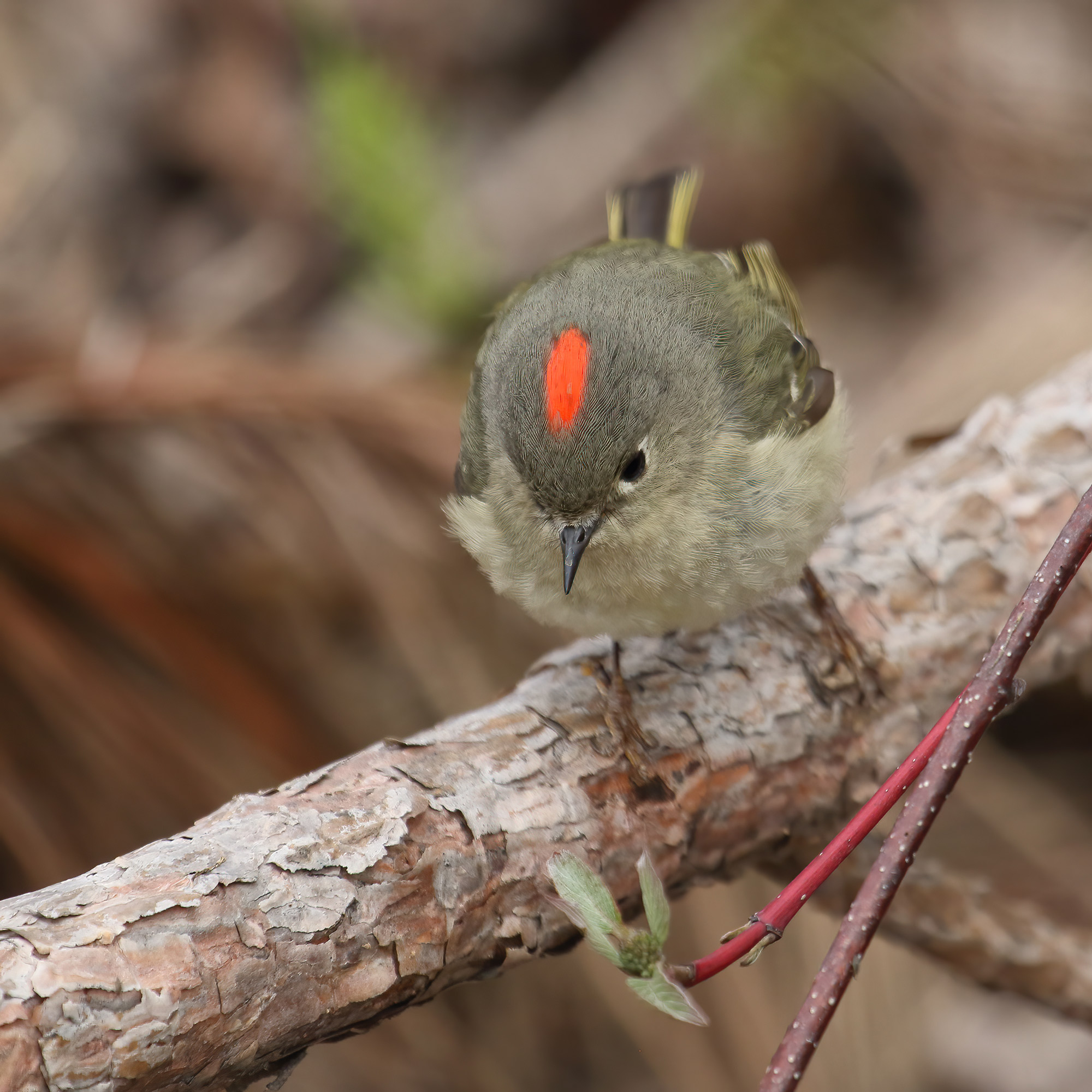
Ruby-crowned kinglet
This short-tailed songbird that measures about 3-and-a-half to 4-and-a-half-inches in length packs a full-throated call. This kinglet has olive green plumage with white wing bars and white eye rings. A tiny red cap is hidden on males—until they get excited or agitated.
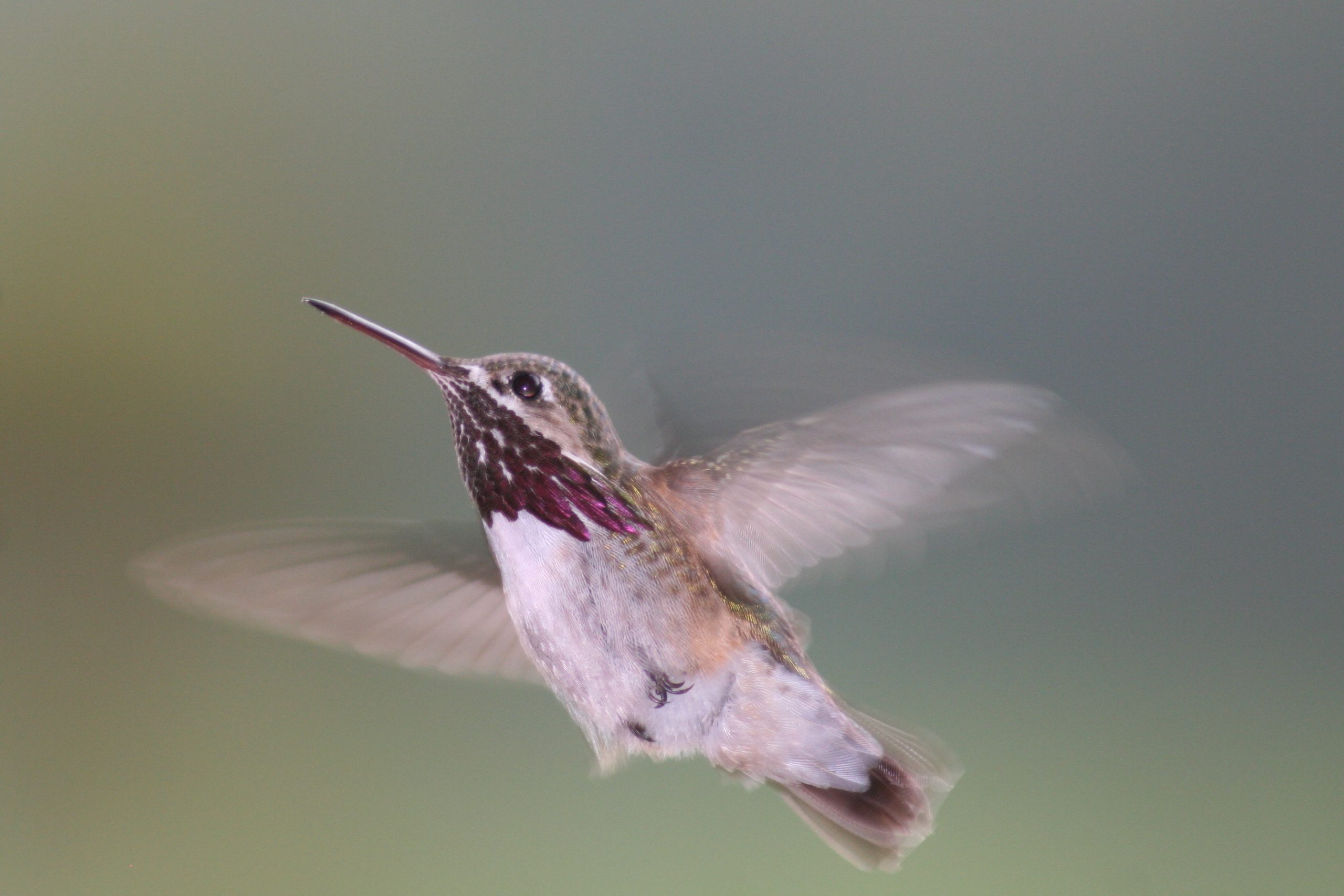
Calliope hummingbird
The smallest breeding bird in the United States—3 inches long at most—the calliope migrates through West Texas from the Pacific Northwest and western Canada in the fall en route to the Mexican Pacific, one of nine migrating hummingbird species found in Brewster and Presidio counties every autumn. Bright magenta streaks mark the throats of males.
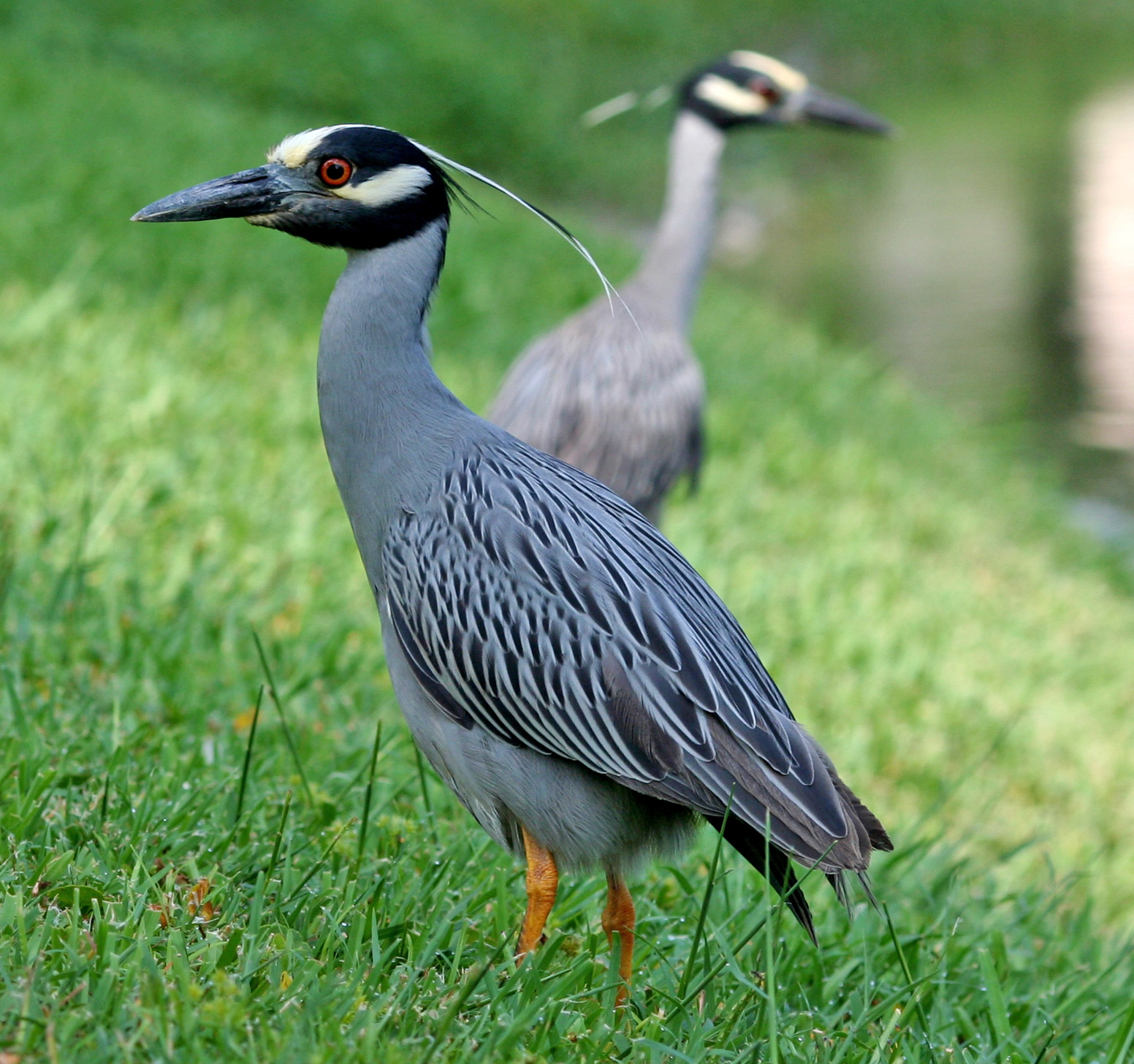
Night heron
This short heron with a stout trunk is both a winter visitor along and near the coast and a year-rounder in deep South Texas. Black-crowned and yellow-crowned night herons seek shallow freshwater and salt water for the leeches, worms, insects, crabs, crayfish, and fish that sustain them. Elusive and relatively inactive by day, night herons come alive at dusk and hunt mostly during the night.