
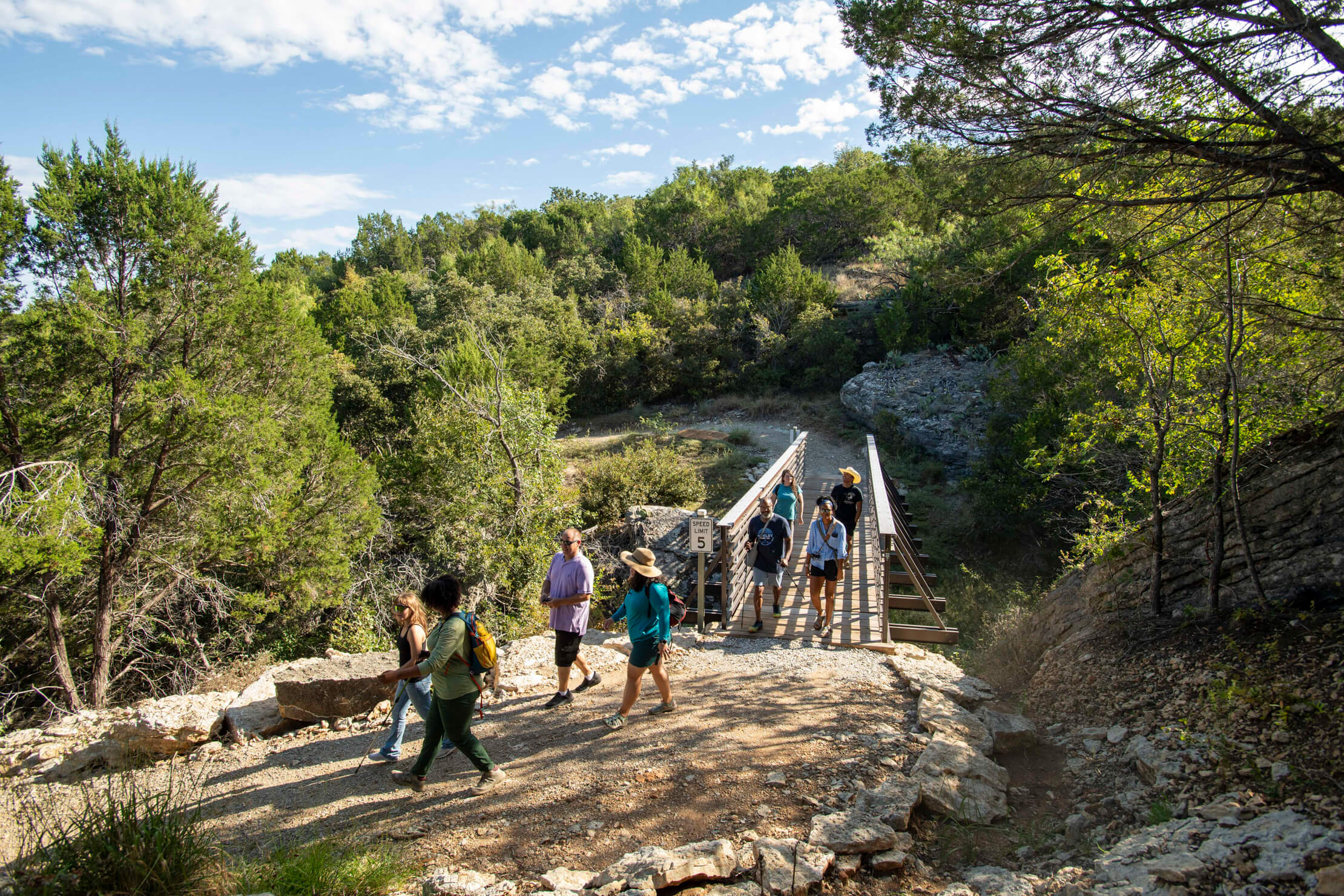
On a brisk New Year’s afternoon, Texas Parks and Wildlife ranger Kate Fisher leads our group down a path lined by blueberry junipers in the Palo Pinto Mountains, located nearly 100 miles west of Dallas-Fort Worth.
“These are more commonly referred to as cedar trees,” Fisher explains of the little green shrub responsible for seasonal allergies. Red rocks and soil tinted by iron-rich sediment populate the earth. The sun peeks through the clouds.
She leads the group deeper into the mountains, as part of a series of first day of the year hikes hosted by TPWD statewide. But this one is different from the rest. For the last few years, outdoors enthusiasts have waited with bated breath as Palo Pinto Mountains State Park has set—and unfortunately missed—numerous opening dates. I’m one of 500 people who ventured to this sparsely populated area of the state just to get a look at a new state park.

TPWD purchased the land for Palo Pinto in 2011, but construction on the park began a decade later, amid the pandemic. “[The year 2021] was a tough time to start a construction project,” says Park Superintendent James Adams. He cites long lead times for materials, production, and delivery, as well as supply chain issues, as factors that have delayed the park’s opening.
“We’ve made various changes—some for aesthetic reasons, safety reasons, constructibility, cost savings,” Adams says. Although the park is not officially open, the superintendent adds, “we’re getting really close now.”
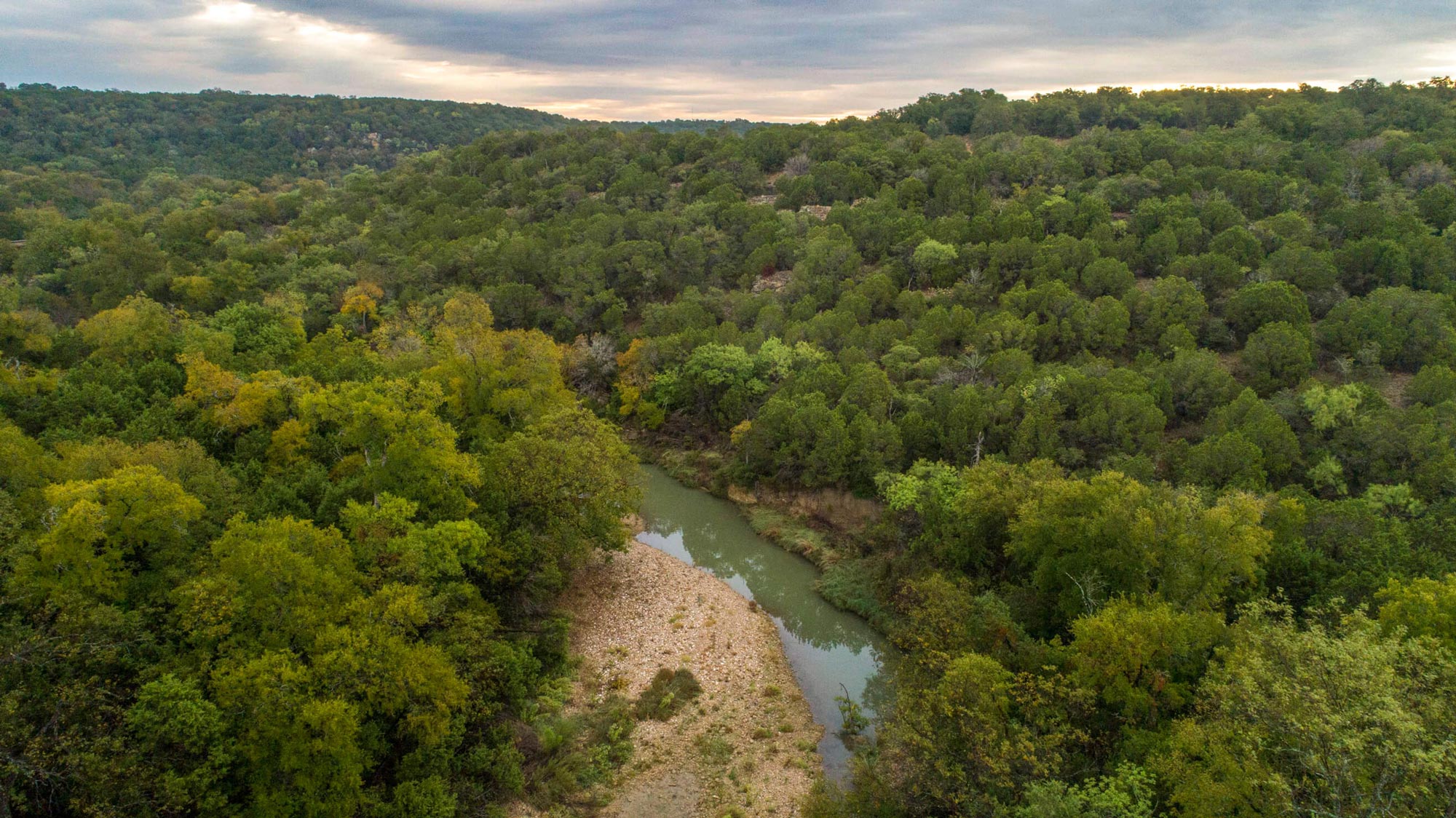
The 4,871 acres of former ranch land that now make up Palo Pinto Mountains State Park feature canyons, creeks, a lake, and more. “There’s a ton of history here,” Adams says, “and a lot of great ecological benefits.”
Adjacent to Palo Pinto is the tiny town of Strawn. Visitors to the park will have to drive through the former oil boomtown that thrived when the Texas and Pacific Railway started servicing the area in the 1880s and was officially incorporated in 1940. Though the town has grown sleepy since, it’s expected to benefit greatly as the anticipated 100,000 or so visitors each year to Palo Pinto will pass through Strawn.
The area is also home to several critters, including the whiptail lizard, bobcats, red-eared turtles, and several migratory birds, including the golden-cheeked warbler. This endangered species migrates from Mexico and Honduras to nest in the junipers of Central Texas between March and August. Because the shrub’s branches are malleable, the birds can form them to shape their nests, Fisher says.
Later, our group detours from our trek on Ben’s Trail down Cross Timbers Trail, taking a gentler downhill slope, which is rugged and curves sharply upward. The elevation change is a constant throughout the park, as it is situated amid what Fisher calls a “baby mountain range.” Palo Pinto is actually a cuesta, meaning “slope on one side” in Spanish.
“It’s gonna look like a mountain on one side, but on the other, it’s gonna be a gentle slope with a flat top,” Fisher says.
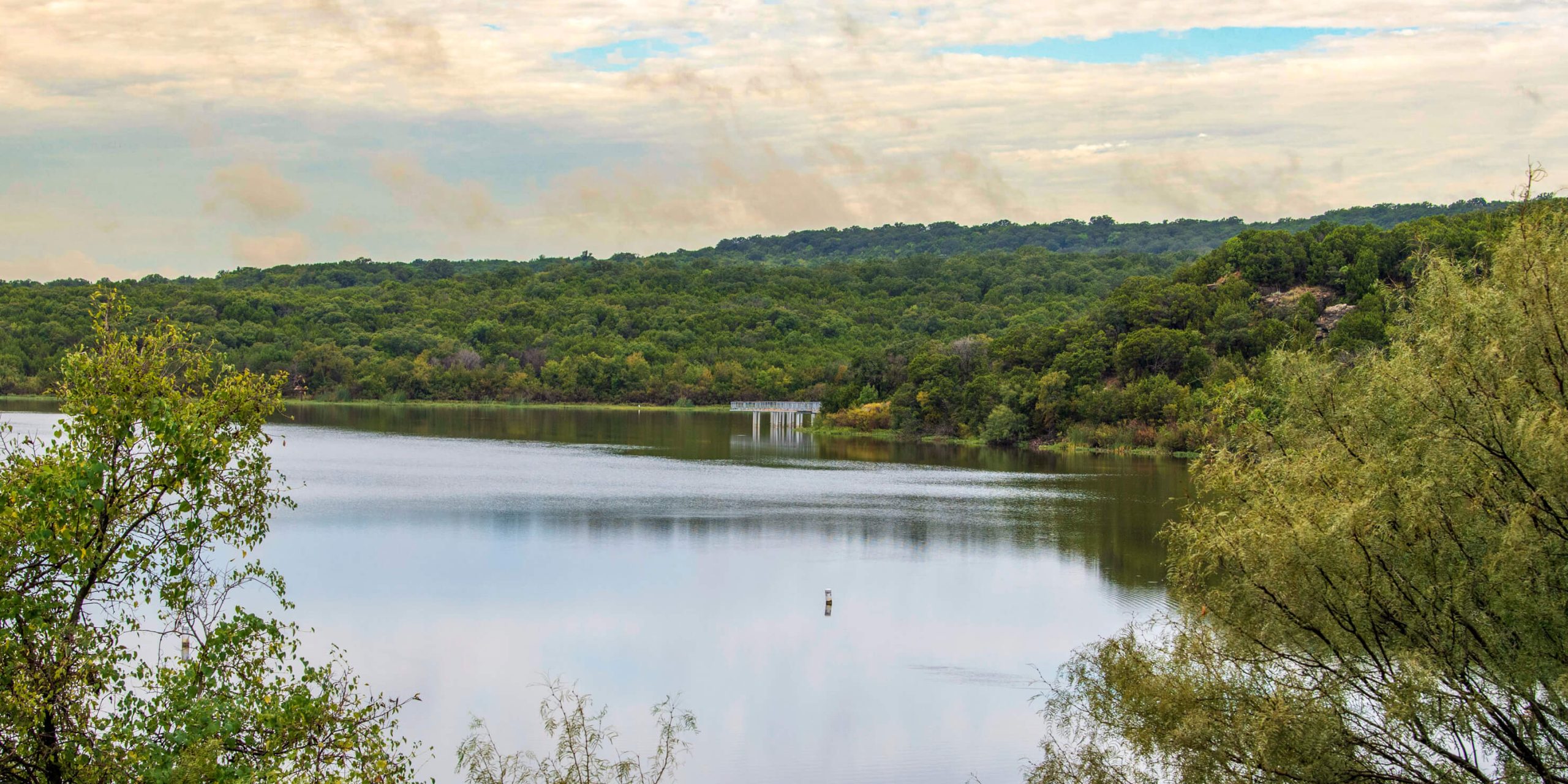
The higher elevation points allow visitors to peer through trees at the grasslands below and the 90-acre body of water known as Tucker Lake. Built under the New Deal by the Works Program Administration (WPA), the lake was intended for water supply to the nearby city of Strawn, and also for recreation, Fisher says. It has now been incorporated into the park for fishing and boating.
For now, I get just a fleeting glimpse at the beauty that this place has to offer, as the park will shutter behind us until the yet-to-be-determined official opening. Palo Pinto Mountains State Park is set to open to the public sometime this year, according to Adams, but he could not give a more specific timeframe. Nevertheless, it’s clear—the wait for Palo Pinto is close to over.