
In 2023, the spring that feeds Jacob’s Well stopped flowing. It hasn’t flowed since. Despite above-average rainfall in the spring of 2026, swimming at Jacob’s Well remains off limits—primarily due to the amount of water still being pumped from the Trinity Aquifer that feeds Jacob’s Well.
While the summer forecast remains sunny in the Hill Country, the outlook for the beloved swimming hole is anything but: Hays County Parks Director Karl Flocke puts the odds that this year’s wet El Niño weather pattern will restore a healthy flow of water from Jacob’s Well at about 1%.
“Jacob’s Well really is the canary in the coal mine when it comes to water in the area,” he says of the iconic Wimberley swimming hole.

A Wimberley native, Flocke spent his childhood summers deciding which natural swimming area he and his friends should hop into that afternoon. Today, he’s educating Hill Country residents on the need to preserve and recharge the Trinity and Edwards Aquifers that provide municipal and commercial water and also feed the Hill Country’s abundant springs, creeks, and rivers. “It’s not just the years-long drought and the changing climate,” Flocke says. “It’s also the change in water use.” He compares the Hill Country’s rapidly growing population and subsequent strain on central Texas aquifers to a bank account in which one withdraws more money than they deposit.
The rise of artificial intelligence may put additional pressure on Jacob’s Well. Hays County officials, along with county governments across Texas, are grappling with how to regulate the extensive water demands of multiple planned data center projects fueling AI. In January, Hays County Commissioners initiated a yearlong water study to plan for future needs. County Commissioner Morgan Hammer, a Texas State graduate, noted the need for subdivision regulation. “This study will help us see what’s really going on,” she says.
Flocke maintains hope his own kids will one day swim in Jacob’s Well. “It’s easy to focus on things like a sprinkler that shouldn’t be running,” he says, but many Hill Country residents are already conserving water. Following the enactment of outdoor watering restrictions in 2023, domestic water use in the Wimberley area dropped by about 50%.
However, additional education needs to occur in urban areas like Austin and San Antonio.
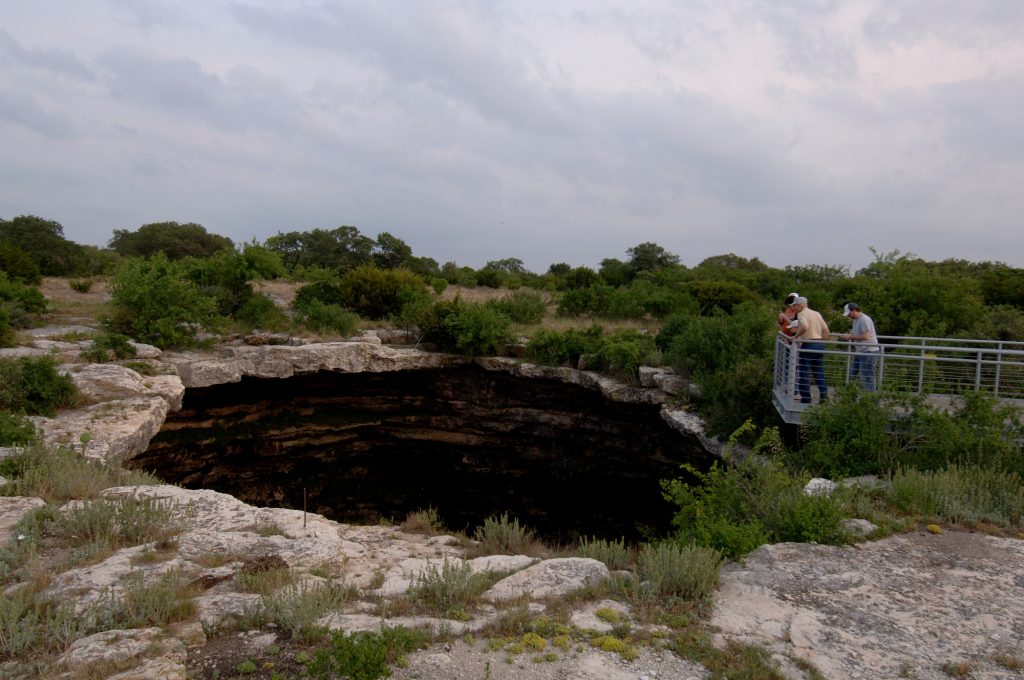
“The further you get from nature, oftentimes, there is less of a connection with where your water supply is coming from,” Flocke says. The newly opened 176-acre Karst Canyon Preserve at Jacob’s Well Natural Area helps visitors draw a line between spring-fed swimming holes and the source of their drinking water. A roughly four-mile trail takes hikers past large limestone fissures that funnel surface water down into Hill Country aquifers.
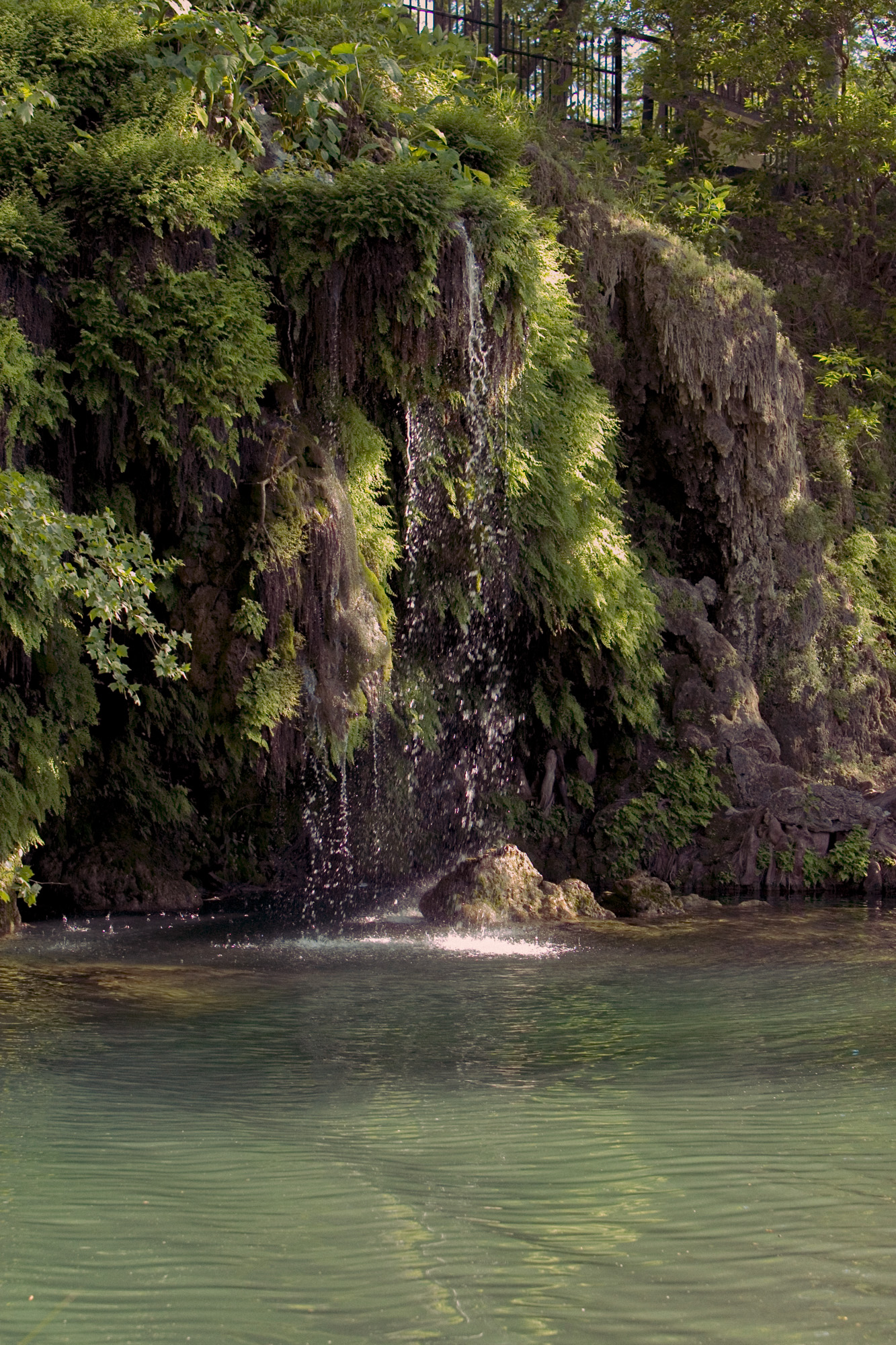
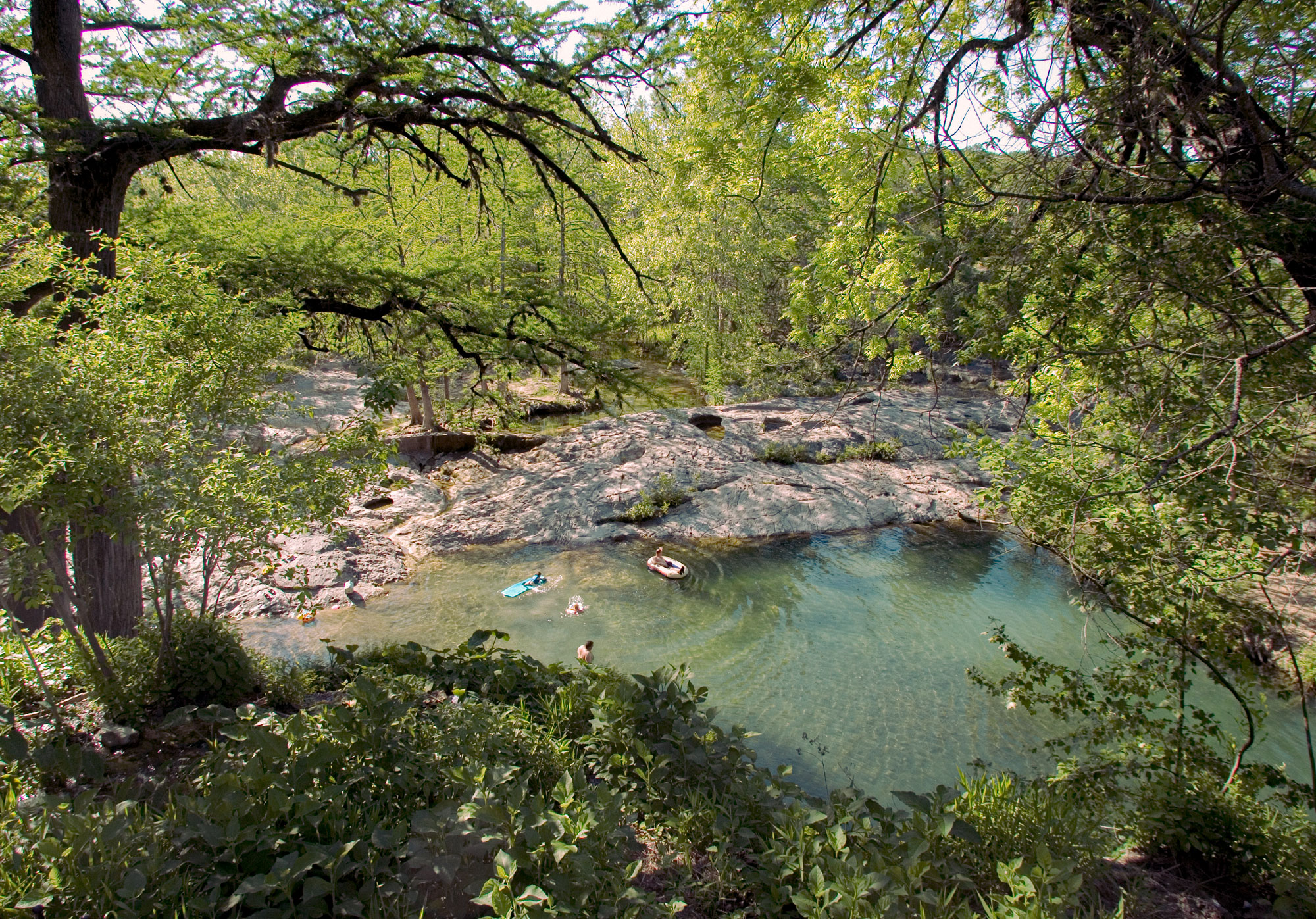
Though water restrictions persist across the Hill Country, the above average rainfall in 2026 has helped many area swimming holes begin to recover from critical drought conditions. Here’s how four other popular Hill Country swimming holes are faring.