
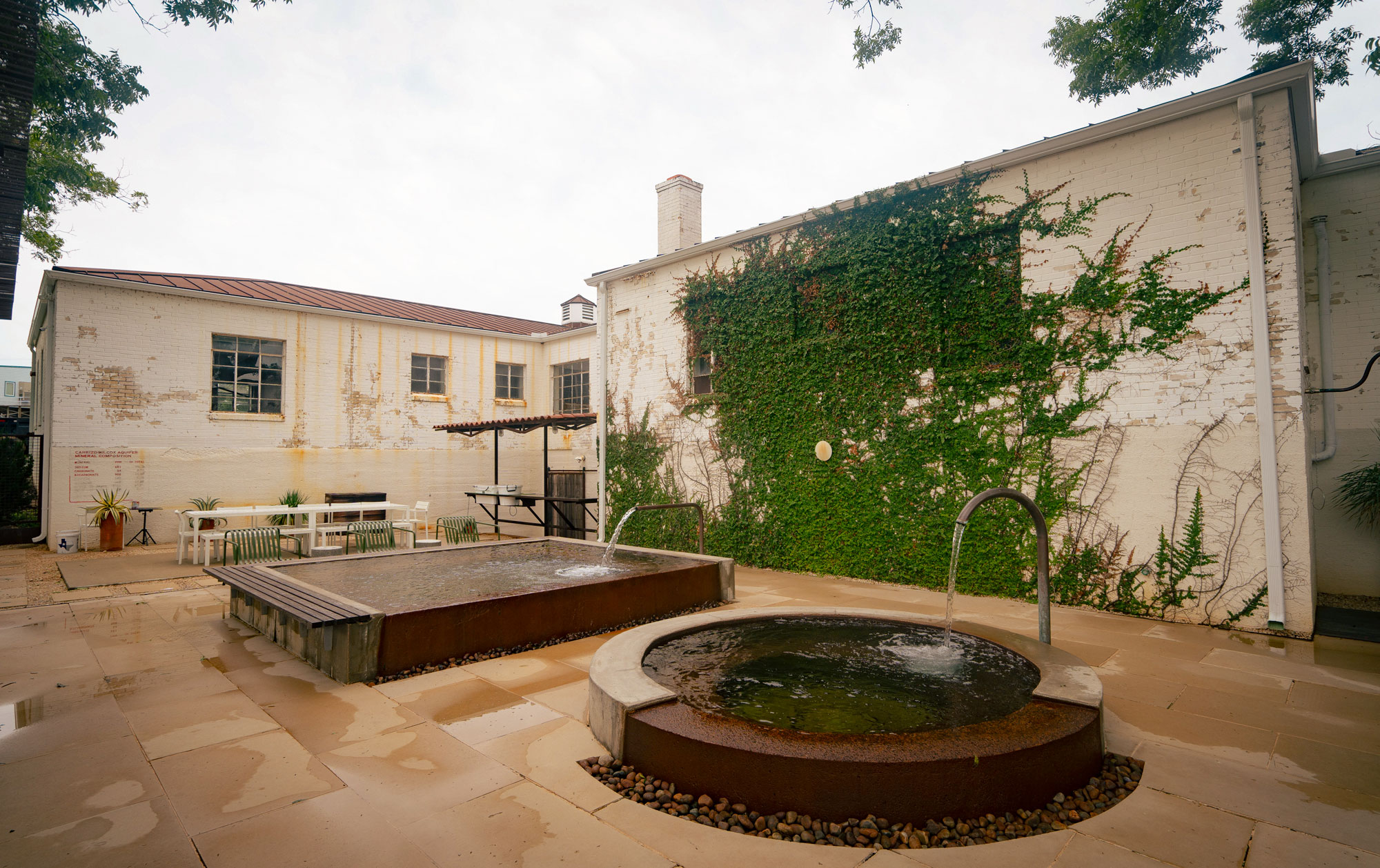
I’m floating like a dumpling in one of the soaking pools at Ottine Mineral Springs, gazing up at the vine-covered walls of what was once a rehabilitation hospital where polio patients sought treatment.
I hoist myself out of the warm water, ease myself briefly into a small, 53-degree plunge pool, then retire to a hammock under an awning, where I wait for the goose bumps to fade. Fifteen minutes later, I wake myself up snoring. I’m just in time for my massage appointment inside what was once a patient room.
Ottine Mineral Springs
2033 FM1586, Gonzales.
830-250-4686
Book your reservation at ottinemineralsprings.com.

Decades after the last patient checked out of Warm Springs Rehabilitation Hospital, the public can now soak in the naturally heated, mineral-rich waters of Ottine Mineral Springs.
“The original intent of the place is healing and wellness, and we’re committed to keeping that original intent intact,” says general manager DeDe DeStefano, who grew up in Ottine and whose mother once worked at Warm Springs.
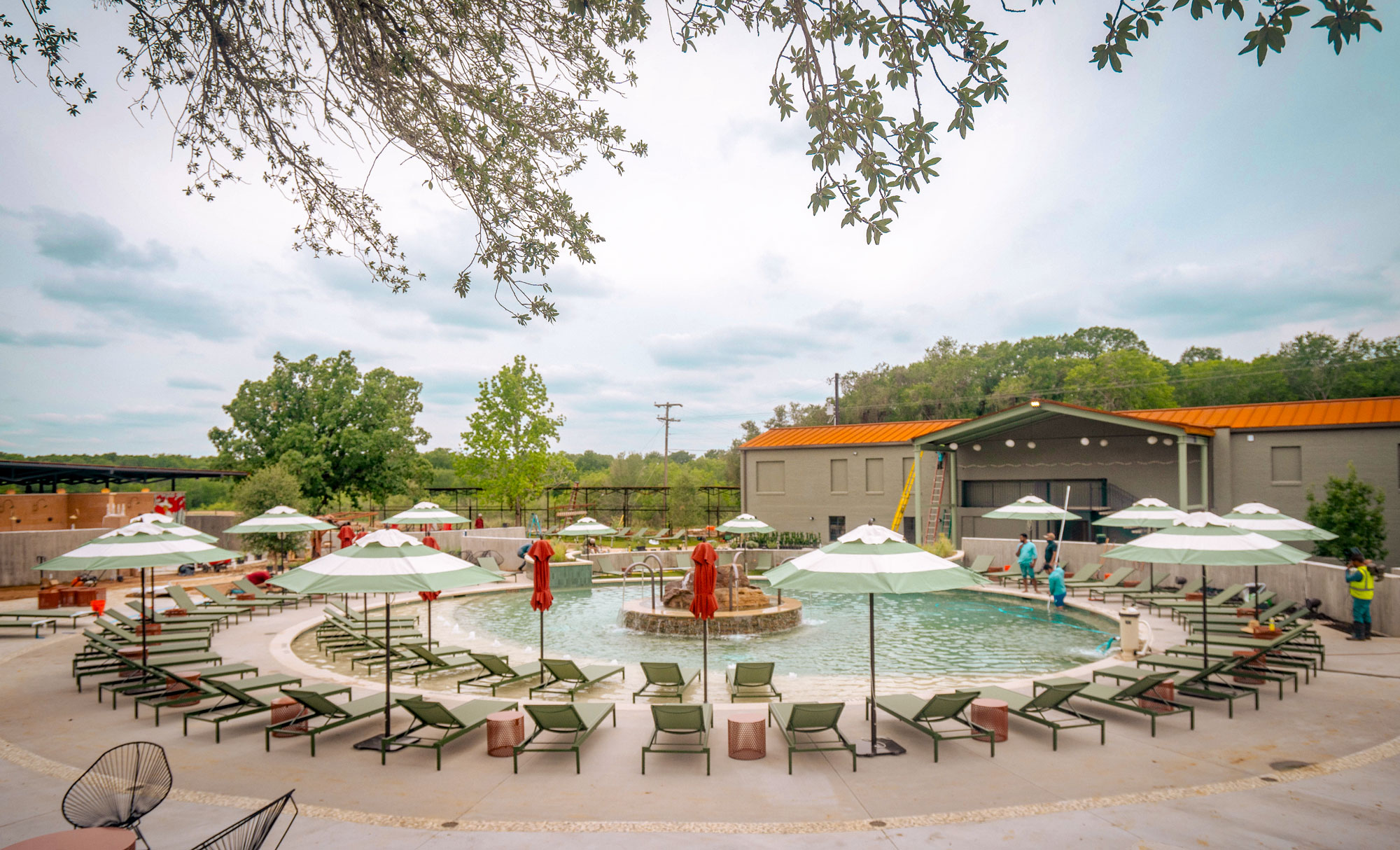
Everything at Ottine Mineral Springs, located midway between Luling and Gonzales, centers around the hot water that burbles up on the 60-acre grounds. There are seven outdoor soaking pools and lots of lounge chairs, plus spa treatment rooms and a café that serves wood-fired pizzas, salads, and margaritas. Cabins and casitas are set to open next year, along with a restaurant and a full-service bar where patrons can dangle their feet in spring water while they sip cocktails. Longer term plans call for hotel rooms in one of the historic buildings; saltwater soaking pools; a steam room, a type of Turkish steam bath called a Hamman; and a “snow room,” where visitors can surround themselves with snow, even on a hot Texas day.
The history here runs as deep as the water, which a crew of wildcatters from Houston hit at 1,550 feet while drilling for oil back in 1909. The 105-degree water has been gushing up ever since, at the rate of about 200,000 gallons a day.
The property wasn’t developed until 30 years later, during the polio epidemic of the 1930s, when eight businessmen from Gonzales surmised that the mineral-rich waters could benefit people who contracted the disease. The archaically named Gonzales Warm Springs Foundation for Crippled Children took in its first patients in 1941.
The facility expanded several times. By 1947 the staff was caring for more than 400 patients a year in Spanish-style structures near the San Marcos River, just down the road from Palmetto State Park. According to promotional materials, the campus was designed to feel like “a beautiful country estate” instead of a medical institution. It was the only polio treatment center at the time that wasn’t segregated, and no patient was turned away based on race, religion, or ability to pay.
“They chose this spot because it was beautiful, close to the park, and they wanted people to feel close to nature because nature was healing,” DeStefano says.
With the development of the Salk vaccine in 1952, the hospital’s mission shifted away from polio and toward treating people with neuromuscular disabilities caused by injury or disease. The hospital closed its Ottine location in 2002 and moved to Luling, where it still operates. The site went up for sale and sat there until 2017, when it was purchased by the Scott family, owners of Ojo Caliente hot springs resort in New Mexico. An old iron lung still stands in the corner of one room that hasn’t yet been remodeled.
To gauge interest in a wellness center, the new owners built two outdoor tubs (including the ones I soaked in) and opened a private, members-only soaking club. It was a hit.
On June 1, five new soaking pools, including a large one surrounded by lounge chairs and pool umbrellas, and a cold plunge opened to the public. (The two original pools are now open to anyone who has a spa appointment.) Besides relaxing in the pools and spa, guests can sign up for yoga, meditation, or forest bathing experiences.
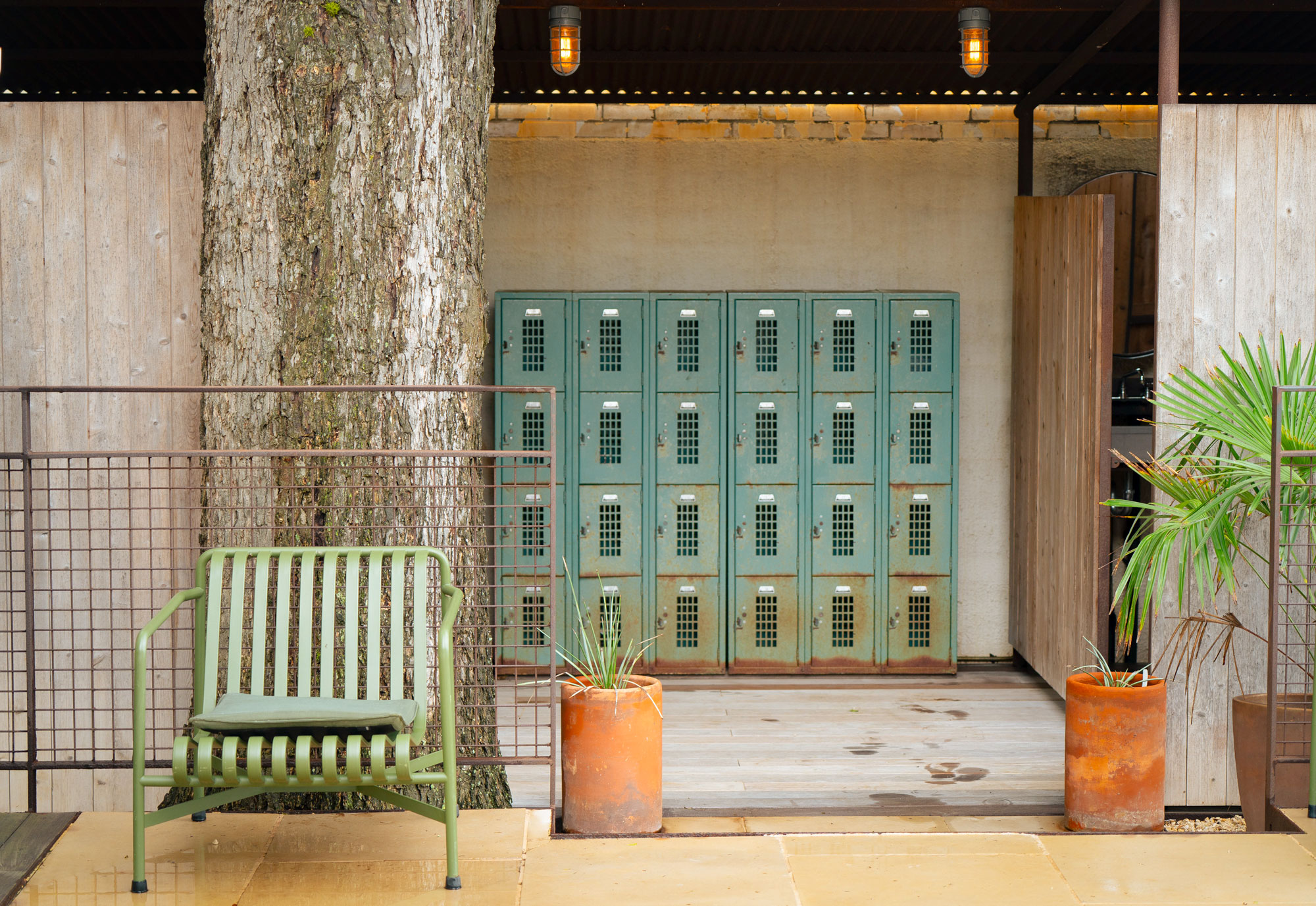
A brightly colored mural depicting a cowgirl floating on an inflatable ring adorns the entry to the women’s locker room; a man in a sombrero marks the men’s side. Prickly pear, sprawling oaks, and other native plants surround soaking pools, and the old buildings are painted forest green and trimmed in rust-colored corrugated metal.
“We’re steeped in nature, and that’s what people need,” DeStefano says.
If you go: Ottine Mineral Springs is open every day but Monday. A day pass costs $65 ($75 on weekends). Hours are 9 a.m.-8 p.m. (9 p.m. Friday and Saturday). Ages 13 and older only.