

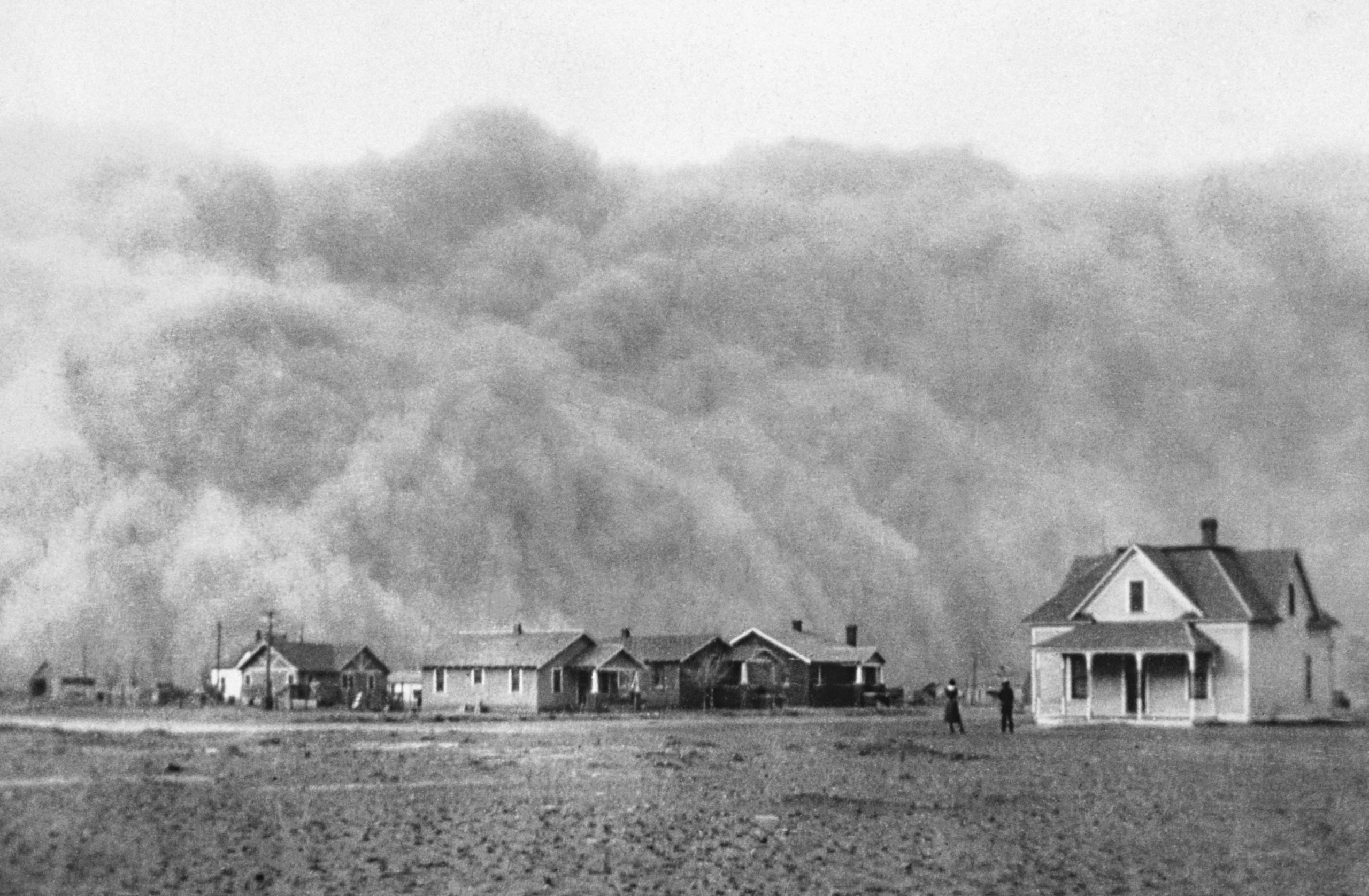
Throughout the 1930s, winds picked up swirls of dust from overplowed farms and blanketed communities across the vast Great Plains in layers of dirt. Storms like these characterized life for millions of residents in the region, comprising 10 states through the middle of the U.S. The environmental upheaval paired with the nation’s economic downturn led many occupants to flee, but a vast majority of locals opted to stay put. To block out the dust, infants slept with wet sheets above their cribs, and the Red Cross distributed masks to protect locals from “dust pneumonia.”

From 1900 to 1930, the amount of farmland in the Great Plains region had tripled, leading farmers to quickly adopt mechanized equipment to till soil. This overworking of the land turned disastrous in 1931, when drought struck and catastrophic winds began.
The worst of the storms in the Texas Panhandle, known as Black Sunday, occurred on April 14, 1935. Now known as a “black blizzard,” the muddy storm destroyed buildings, cut power, and displaced thousands of tons of soil. “We couldn’t believe it, just rolling in like a freight train,” Gayle Bowen, who grew up in Post during the Dust Bowl, said in a 2014 Texas Highways article. “We had seen many a dust storm, but this was fearful.”
Though the state has experienced droughts in recent years, preventative measures are staving off another catastrophic wind event. Habitat restoration has been key to this success: The Rita Blanca National Grasslands north of Dalhart preserves both the history and the stability of the Great Plains landscape.
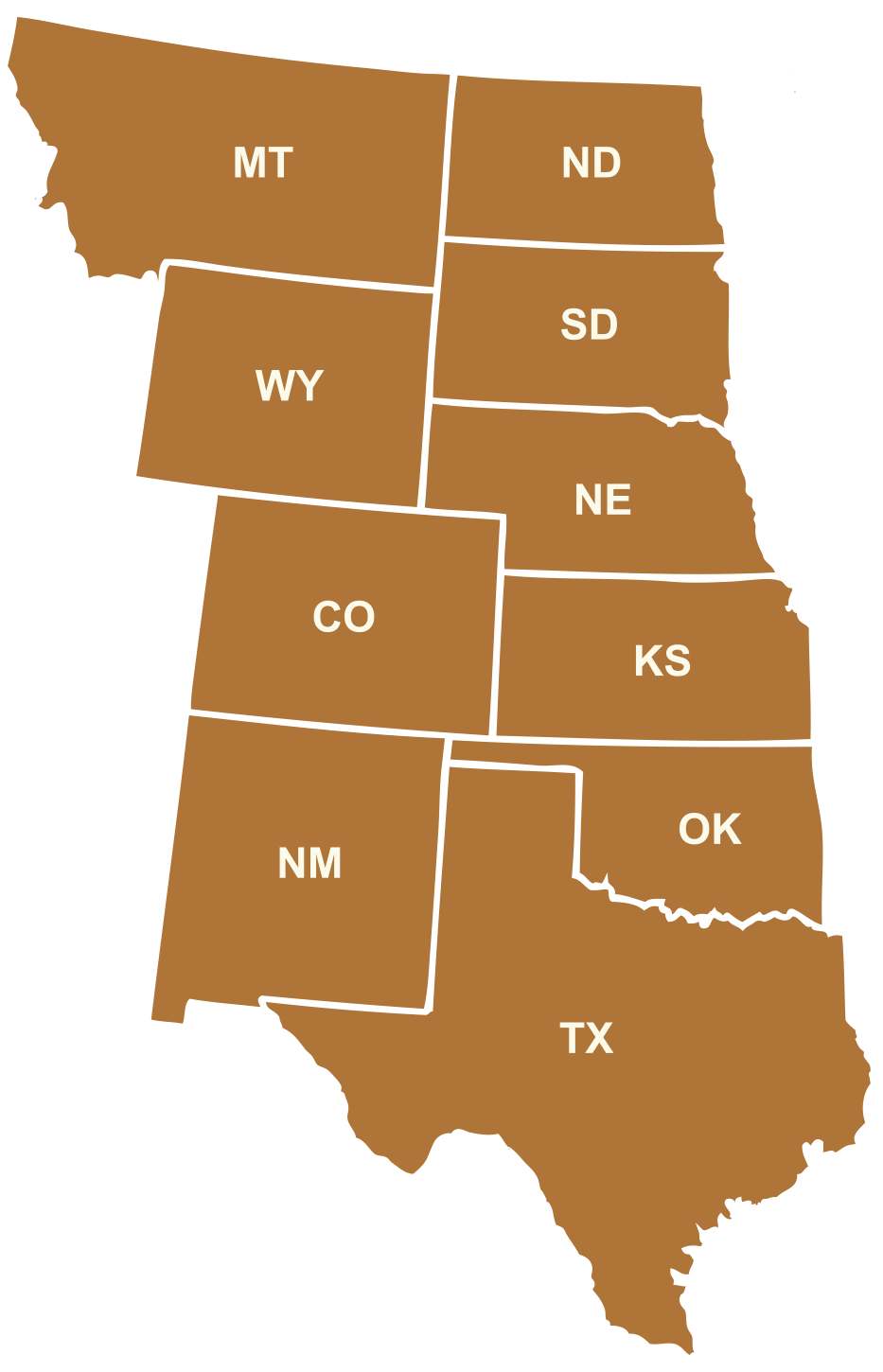
10
STATES DIRECTLY HIT BY THE DUST BOWL
8,000
Height, in feet, of “black blizzards,” devastating storms made of dirt and mud
100 MILLION
Acreage covered by the Dust Bowl in the U.S.
908
Hours of storms in Amarillo in 1935, the worst year of the Dust Bowl for the city

The Golden Sandstorm
Amarillo High School’s team mascot
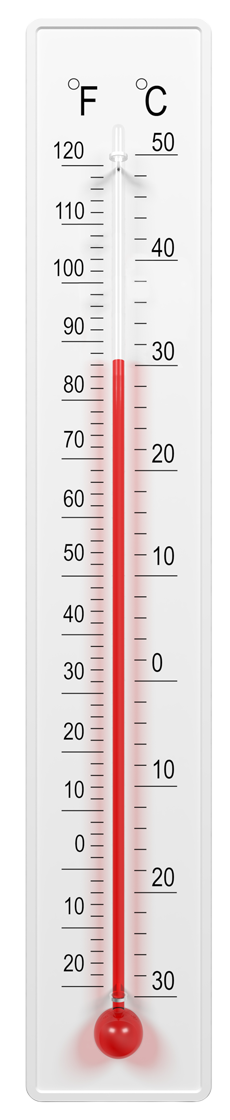
2011
Year a Texas summer heat wave set a new national record, besting a record formerly held by Oklahoma in 1934. The average 24-hour statewide temperature during the summer was 86.8 F—more than a degree hotter than Oklahoma’s 1934 summer at 85.2 F.
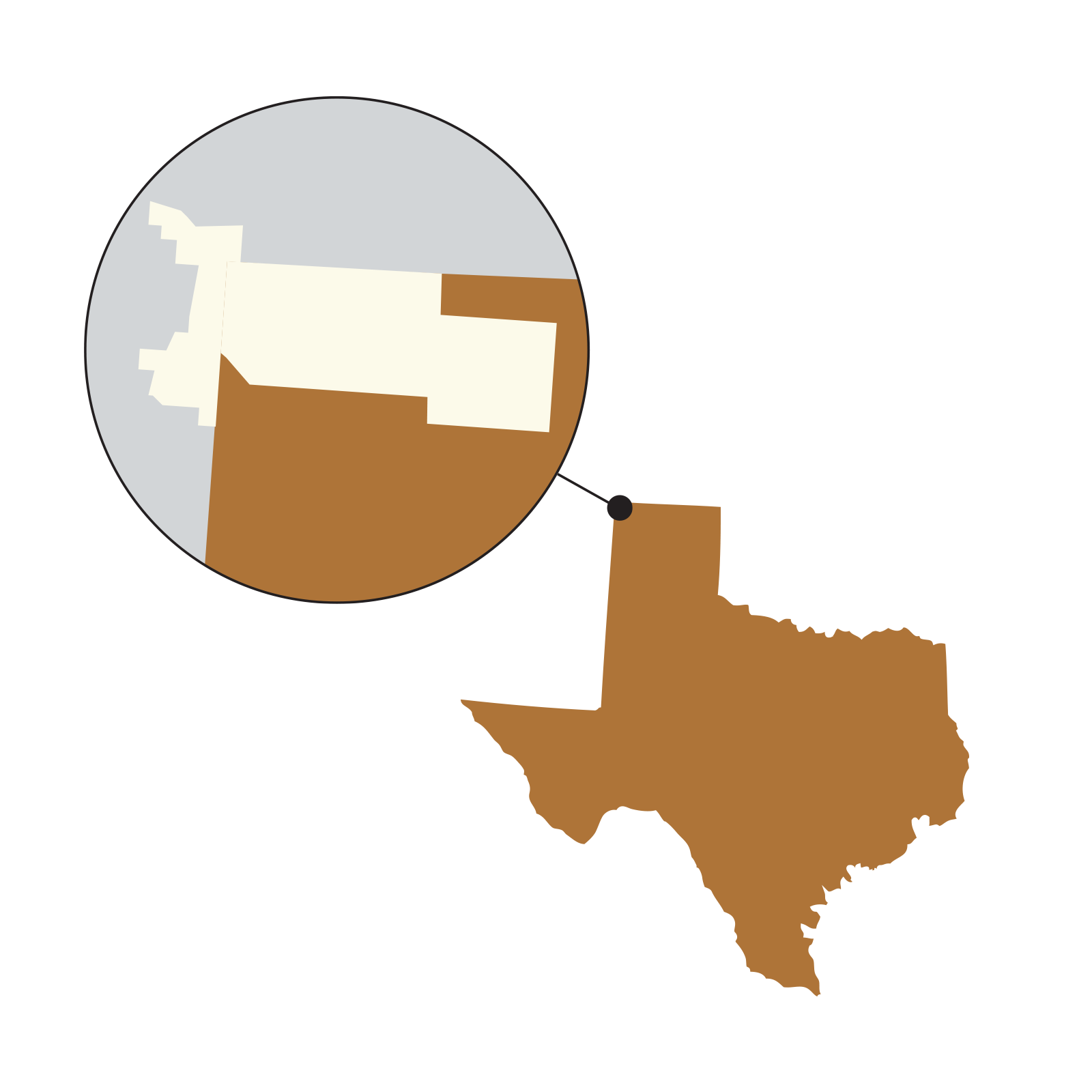
93,763
Acreage of the Rita Blanca National Grasslands preserve purchased by the U.S. government to restore eroded Dust Bowl land

75% of the U.S. was affected by the 1934 drought, the worst in history.

0
Visibility level reached in Amarillo seven times between January and March 1935. One of these complete blackouts lasted 11 hours.
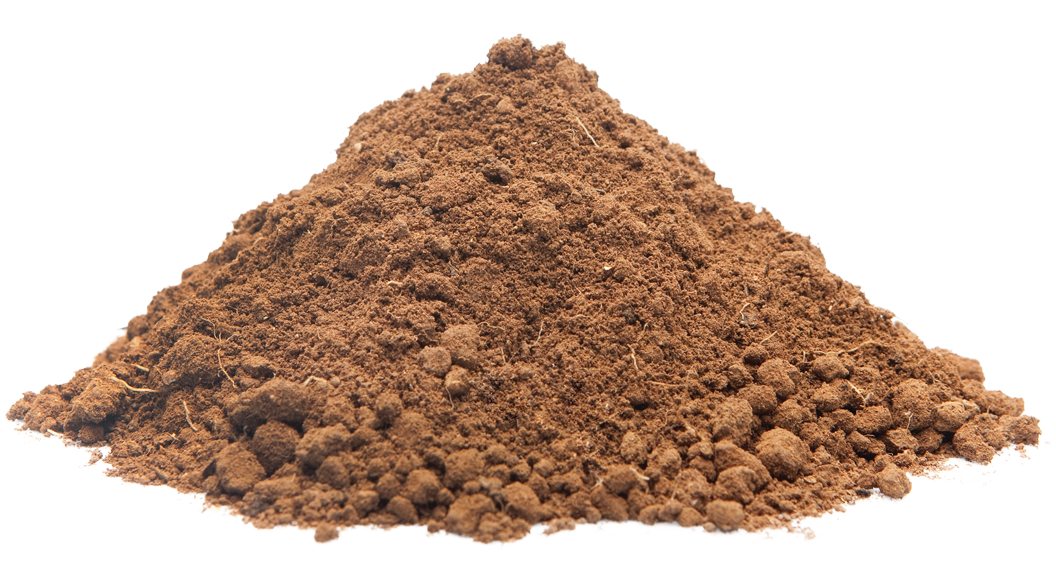
3
Depth, in feet, of dry soil in some growing seasons in the Dust Bowl