
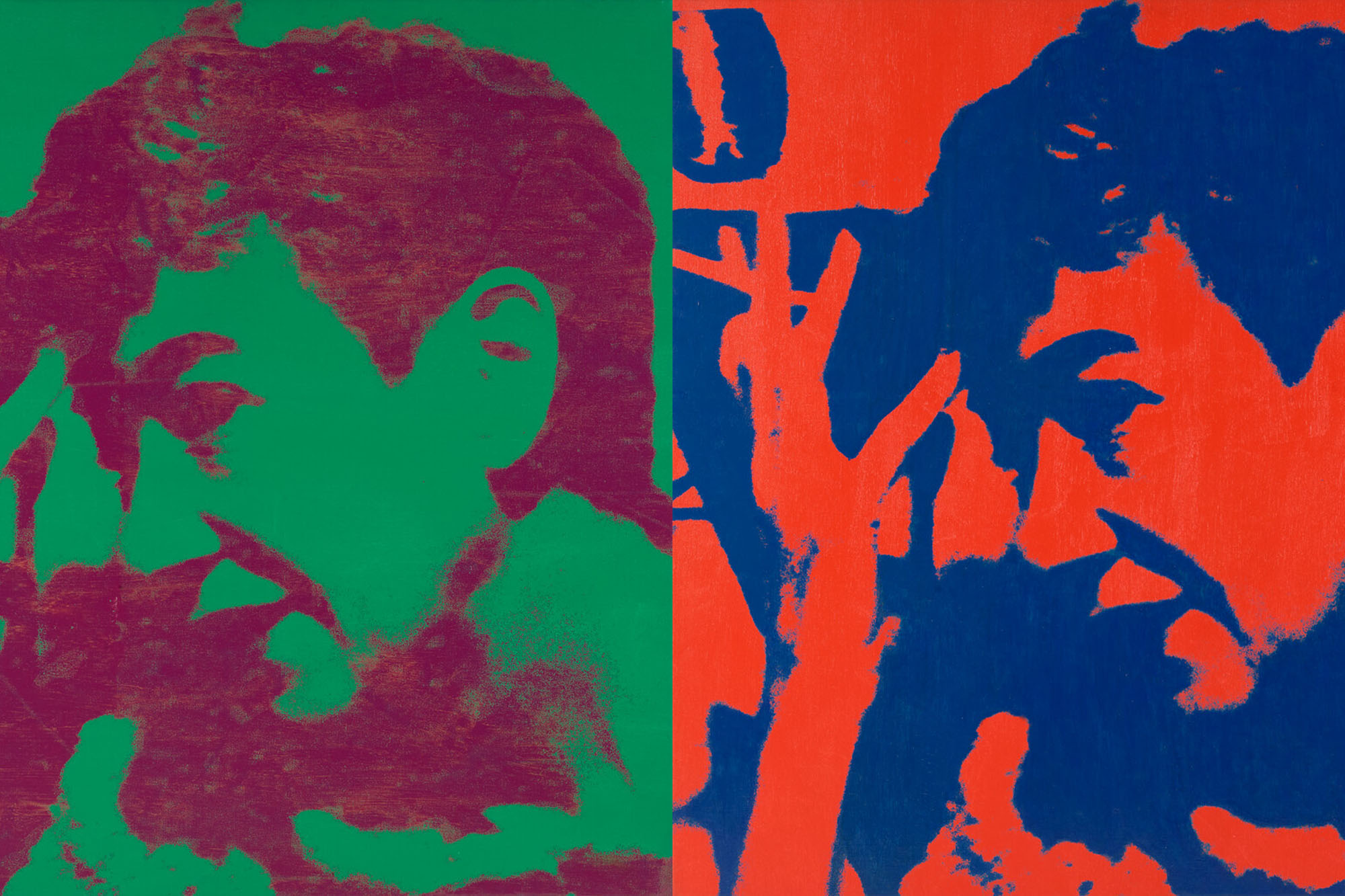
Andy Warhol’s 1968 silkscreens of a dark-haired woman with a cigarette have hung, on and off, in Houston’s Menil Collection since its 1987 opening—among the very first of the 40-by-40-inch society portraits that became his candy-colored signature. Before Mick Jagger, before Diana Ross, Warhol accepted a rare private commission: to portray Jermayne MacAgy, a Houston curator who, in the postwar era, had rethought what an exhibition could be.
This December, the Menil revisits MacAgy’s legacy. How to Make an Exhibition: The Story of Jermayne MacAgy traces her career through personal effects and artworks she bequeathed to the museum, including works by René Magritte, Marcel Duchamp, and Pablo Picasso. The show runs through July 18, 2027, during the museum’s 40th anniversary.

“MacAgy had a tremendous impact on the Menils, yet the research hasn’t been done to illuminate her story,” says Michelle White, the Menil’s senior curator. “This gave us the perfect opportunity.”
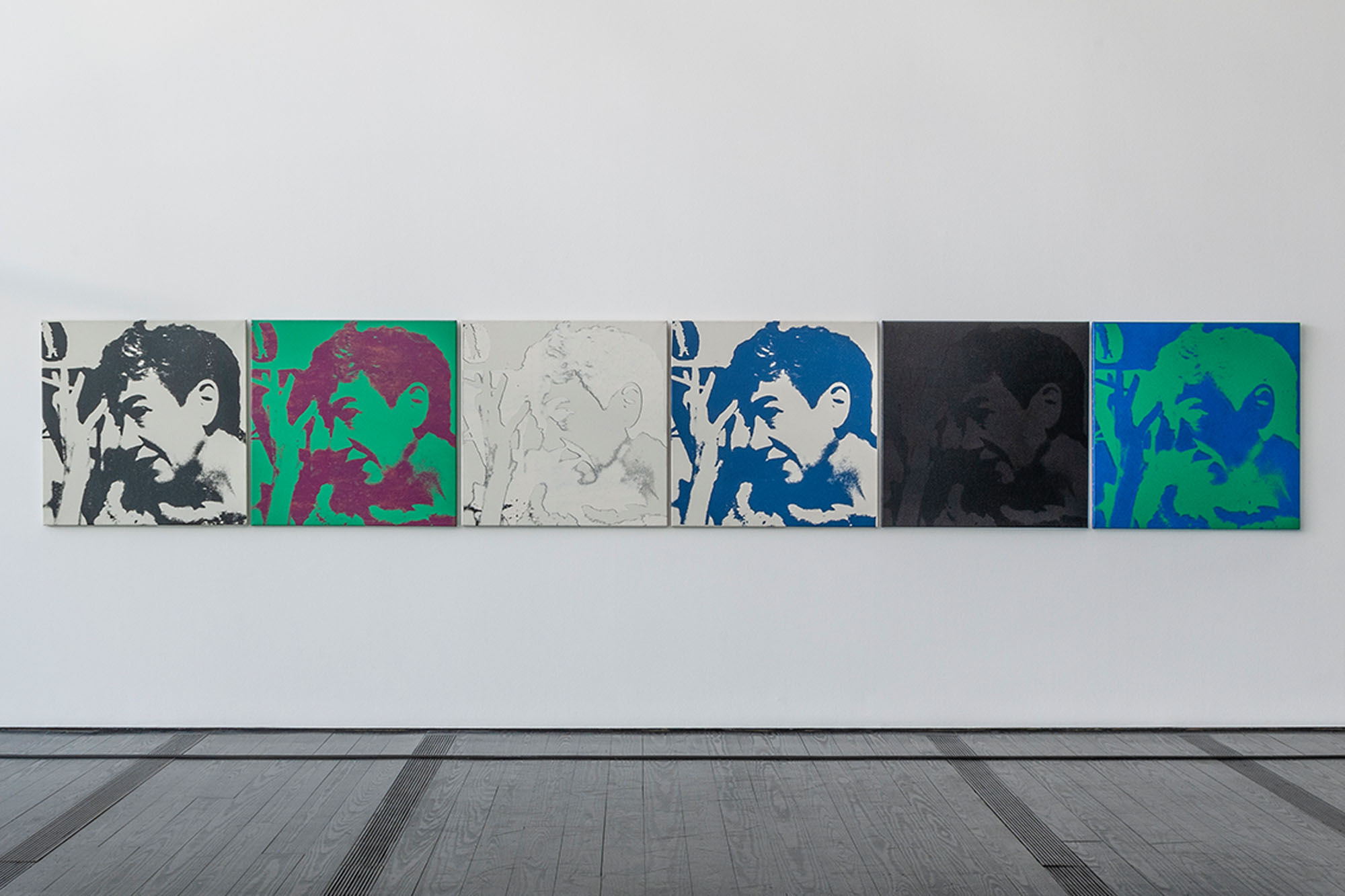
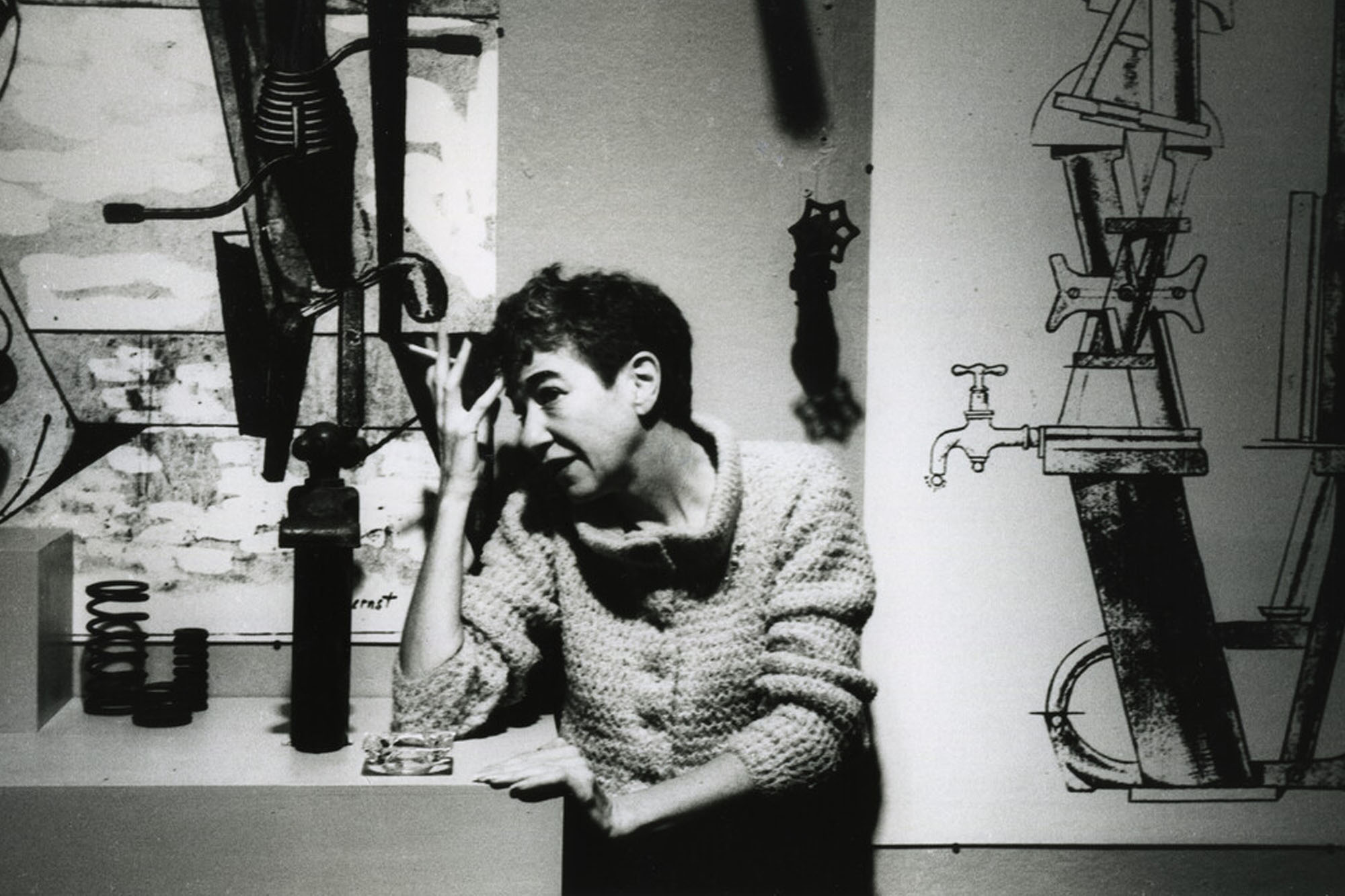
The portrait itself is a case in point. MacAgy died in 1964, at 50, and John and Dominique de Menil—visionary French-born collectors whose oil fortune helped put Houston’s art world on the map—commissioned the silkscreens to honor their dear friend. But her Warhol connection ran deeper. Years earlier, MacAgy had taught a Houston kid named Fred Hughes, who grew up to manage the artist’s studio and finances. After Warhol was shot in 1968 and found himself short on resources, White says, it was Hughes who steered him toward accepting the de Menils’ commission.
Known to friends as Jerry, the Cleveland, Ohio, native, born in 1914, was a force long before she reached Texas. At 29, she became the country’s youngest museum director, running San Francisco’s California Palace of the Legion of Honor. She landed in Houston in 1955, almost by chance.
In 1952, Houston’s Contemporary Arts Association invited her husband, curator Douglas MacAgy, to counsel the young organization. He had fallen ill, so he sent his wife instead. The de Menils, taken by her insight, recommended her to be the CAA’s first full-time director three years later. And at a fortunate moment: the city, flush with oil money, was just beginning to spend it on culture. Houston’s Grand Opera and Ballet Academy would be established the same year she accepted their appointment. During her tenure at the CAA (now the Contemporary Arts Museum Houston), MacAgy mounted 29 exhibitions in four years.
“We take for granted now that an exhibition is organized and displayed in a way that makes the work of art accessible to the public, but that was not always the case,” White says. “MacAgy was at the forefront of thinking about the audience.”
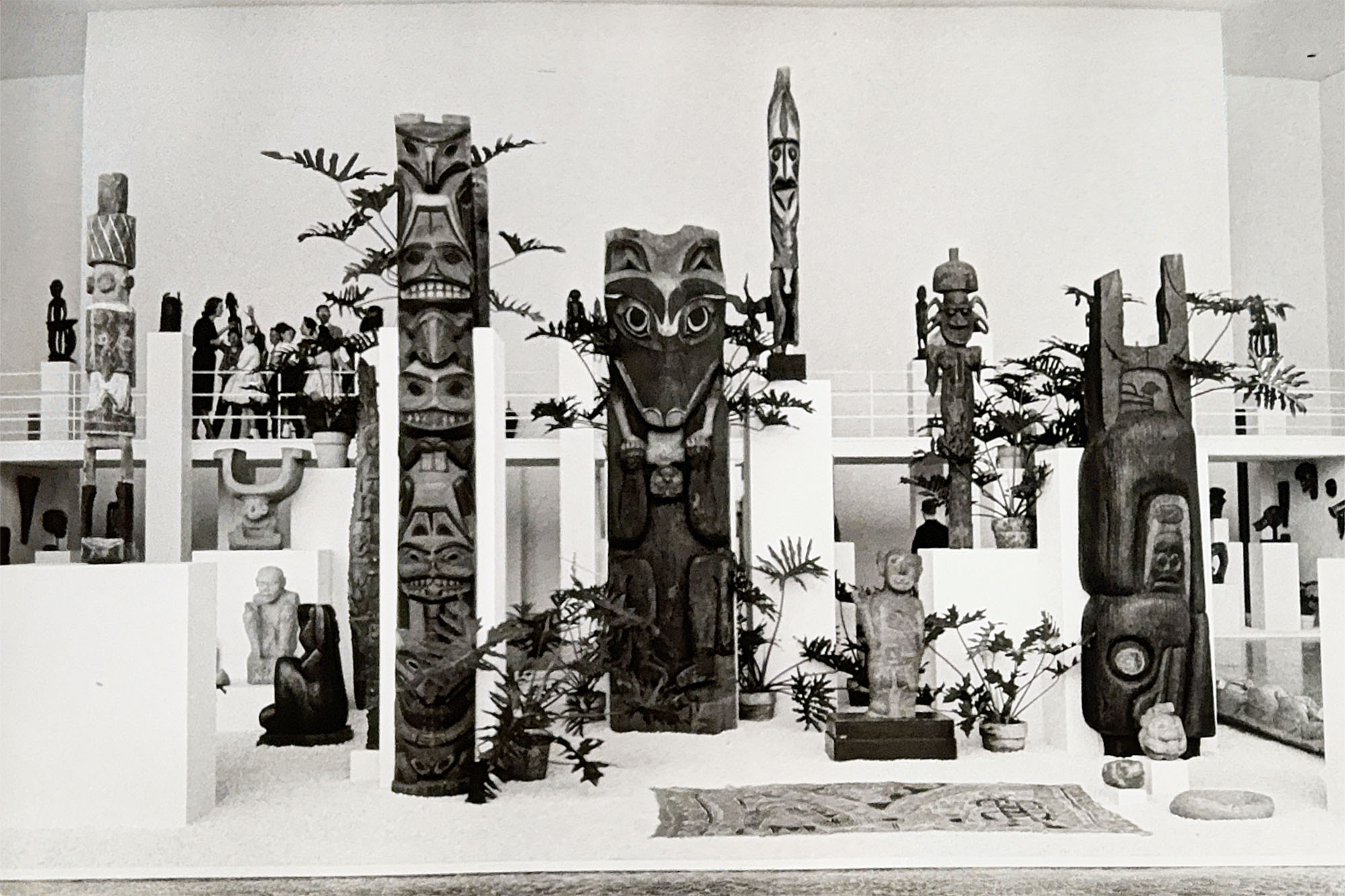
When most museums lined their white, unadorned walls with art and left it at that, MacAgy moved audiences away from the traditionally passive viewing experience. She regarded gallery spaces as sets to be built anew each time, designing theatrical learning spaces that encouraged the public to connect with the art being shown using their perceptual intuition.
She would bring in potted plants, gravel beds, pedestals of every height, and dramatic lighting, believing a display should be, as she wrote in 1953 for the Legion of Honor’s Bulletin, “more or less like a well-dressed woman.”
In her catalog for a 1968 memorial show at the University of St. Thomas, Dominique de Menil likened her friend’s immersive installations to alchemy: “The dullest abstract painting, the most musty object from a museum closet became extraordinary when seen through her magic lantern.”
For one celebrated 1959 exhibition of African, Pacific Islander, and Indigenous American art, Totems Not Taboo, she raised walkways through the Museum of Fine Arts’ soaring Cullinan Hall—the second show ever mounted in the space—so visitors could meet each piece head-on. MacAgy had an instinct for juxtaposition, White says, pairing two potentially unlikely things from different cultures and time periods to “ignite an unexpected conversation.” The Menil show re-stages several of these pairings, including Japanese Haniwa funerary sculptures beside Cycladic figures from the ancient Aegean.
By the time Terrell-born sculptor James Surls helped found Houston’s Lawndale Art Center in 1979, MacAgy had already set the cornerstones for a viable art community decades prior.
“She handed my generation what we needed to build on, and we did,” Surls says. “Her gift was inclusion marked by vision and generosity. She gave us a directive, and we took it.”
White hopes visitors leave with a sharper sense of MacAgy’s conviction: that physical confrontations with art, staged through unexpected environments, can educate viewers and challenge their preconceptions. For nearly 40 years, her Warhol portrait has watched over the museum she helped dream into being. This winter, the Menil exhibits the rest of her story beside it.
How to Make an Exhibition: The Story of Jermayne MacAgy opens Dec. 11 and runs through July 18, 2027. More information can be found at menil.org.