
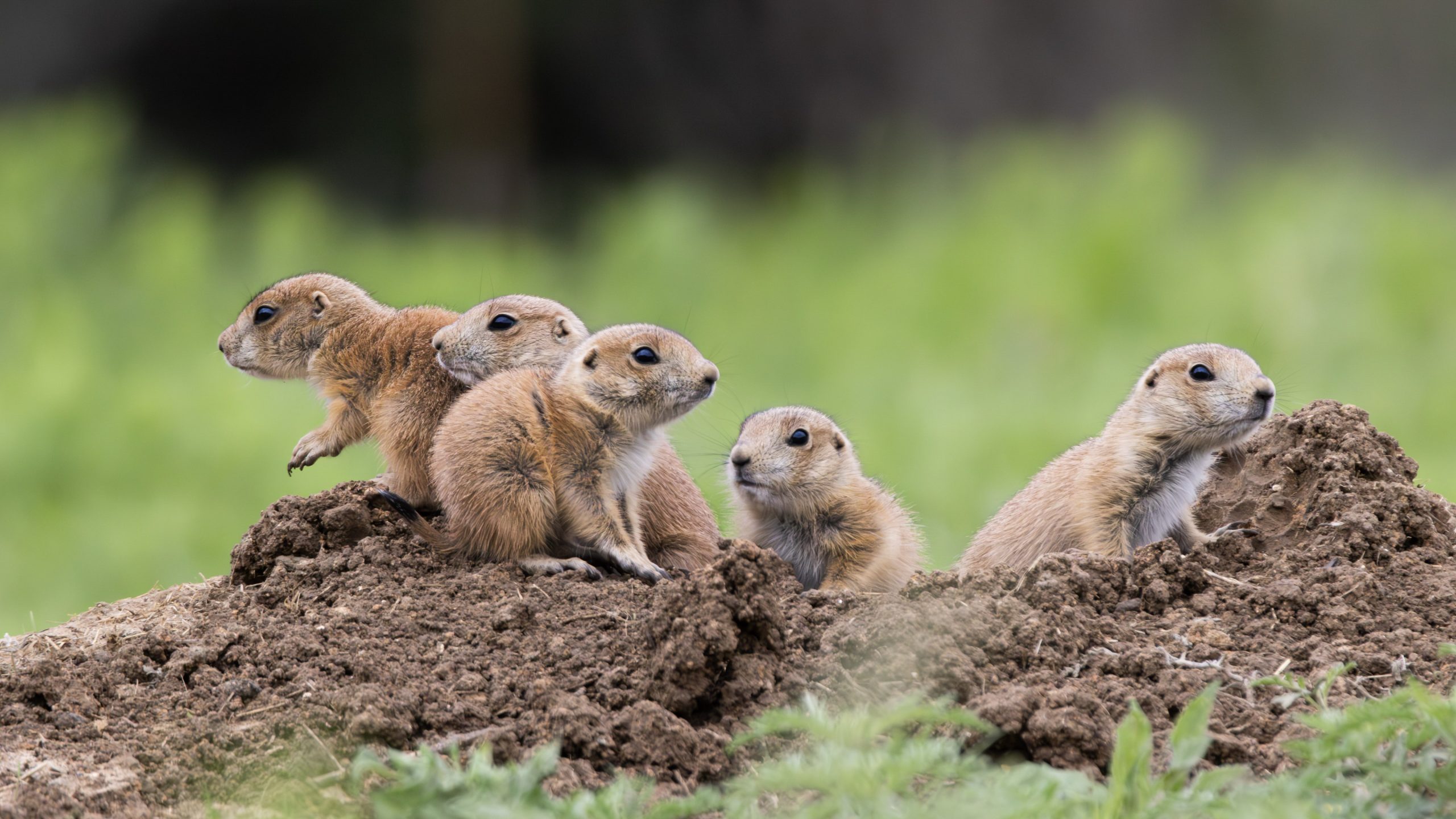
Across a shrubby plain in northwest Fort Worth, baby prairie dogs poke their heads out of burrows and prop themselves up on their hind legs. Some of the gerbil-sized pups even attempt a bark, which, at their age, sound more like squeals. They are a joy to watch.
Alongside Fort Worth Nature Center and Refuge manager Jared Wood, I stand on the newly-completed Prairie Dog Town boardwalk and viewing deck, which overlooks one of two prairie dog colonies here. I interrupt our conversation every few seconds to point out a pup tussling with its sibling or something similarly adorable.
Fort Worth Nature Center and Refuge
9601 Fossil Ridge Rd., Fort Worth.
817-392-7410; fwnaturecenter.org
Wood and his staff are excited about the pups, too. The center used to be home to hundreds of black-tailed prairie dogs. But in 2015, disaster struck and the entire population—about 100 adults in total—died out. Staff still are not sure why.

“Not having the Prairie Dog Town vibrant with prairie dogs was hard,” says Michael Perez, who has been a natural scientist supervisor at the center for 20 years.
When Wood came on as manager in 2023, he wanted to bring the critters back. In the last two years, he’s led the rescue and relocation of two colonies facing eradication, the first due to a housing development near Amarillo and the second due to a rancher who wanted them off his land. Black-tailed prairie dogs, like the ones at the center, currently occupy less than 1% of their historic range due to habitat destruction and extermination at the hands of ranchers, who worry about cattle breaking their legs in burrow holes.
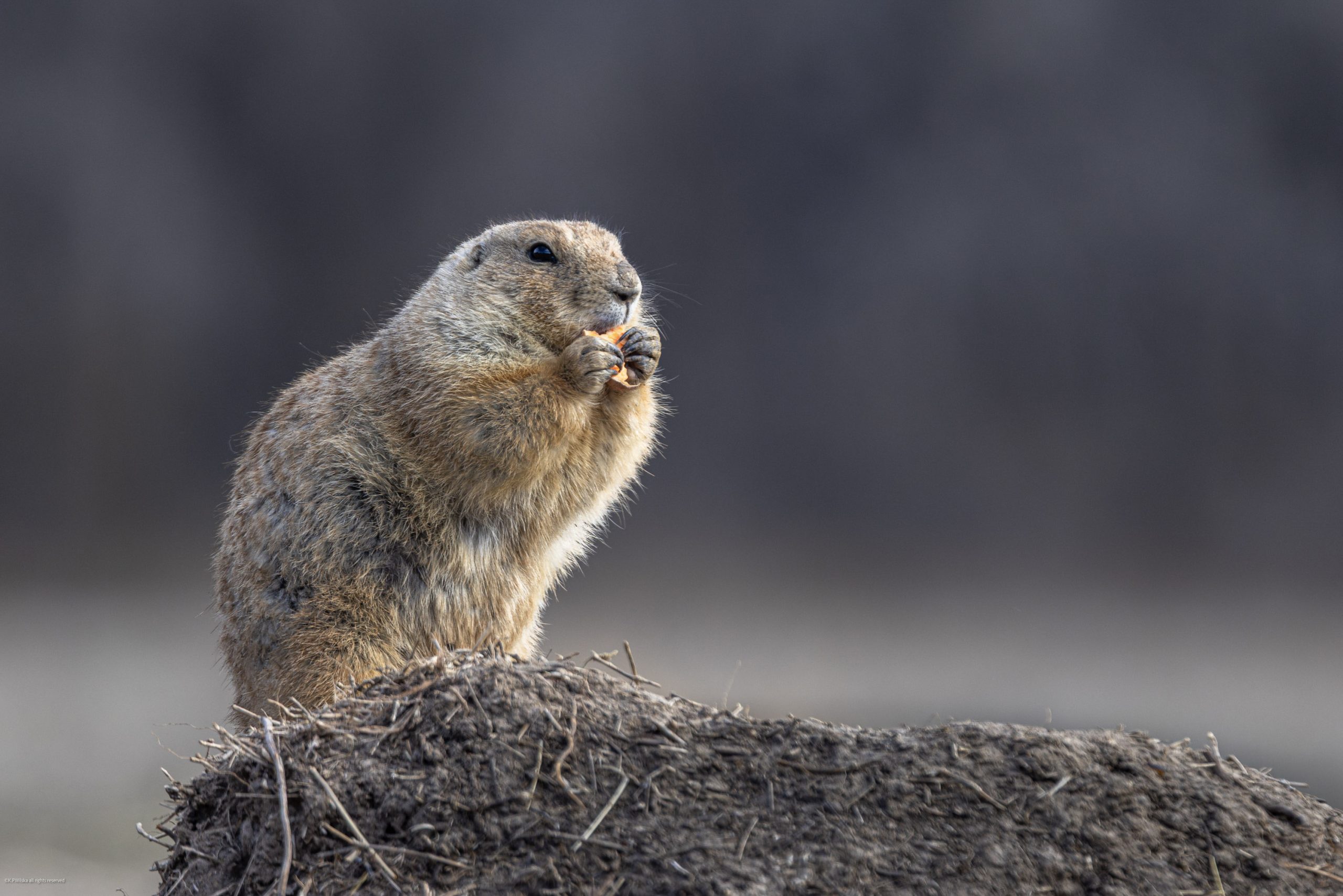
Translocated prairie dogs can also have as low as a 10% survival rate due to stress and a wide range of predators. Wood affectionately refers to them as “nature’s snack.” He also points out the sharp claws and teeth of the “scrambly” rodents.
“Prairie dogs are 100% more difficult to handle than alligators,” he says of the reptiles in the nearby Trinity River.
But the colonies’ reproduction is a sign that relocation was successful; it’s hard to get an exact count, but staff think that 40 to 80 adult prairie dogs call the Fort Worth Nature Center and Refuge home. I ask Wood how he and his team reacted when they saw pups at the Prairie Dog Town for the first time in 10 years. “You wanna talk about grown men crying,” he says, chuckling.
Visitors are happy, too. Jeff and Terry Griffith visit the center about every two weeks to hike the trails with their 14-year-old chihuahua, Bandit. Jeff, a Fort Worth native, remembers the old prairie dog colony and wondered for years what happened to them. The couple is excited to see their return and the restoration of the prairieland.
“I hate seeing all the development. More buildings, more houses, and more traffic,” he says. “I want to keep things the way they were when I was younger.”
For other visitors, the center marks their first experience with prairie dogs. Will Chuang is visiting from Taiwan with his friend from Oklahoma. Chuang describes the prairie dogs as “cute and peaceful.” He points at an adult prairie dog on its hind legs, surrounded by tiny pups. “He is teaching a lesson,” Chuang says.
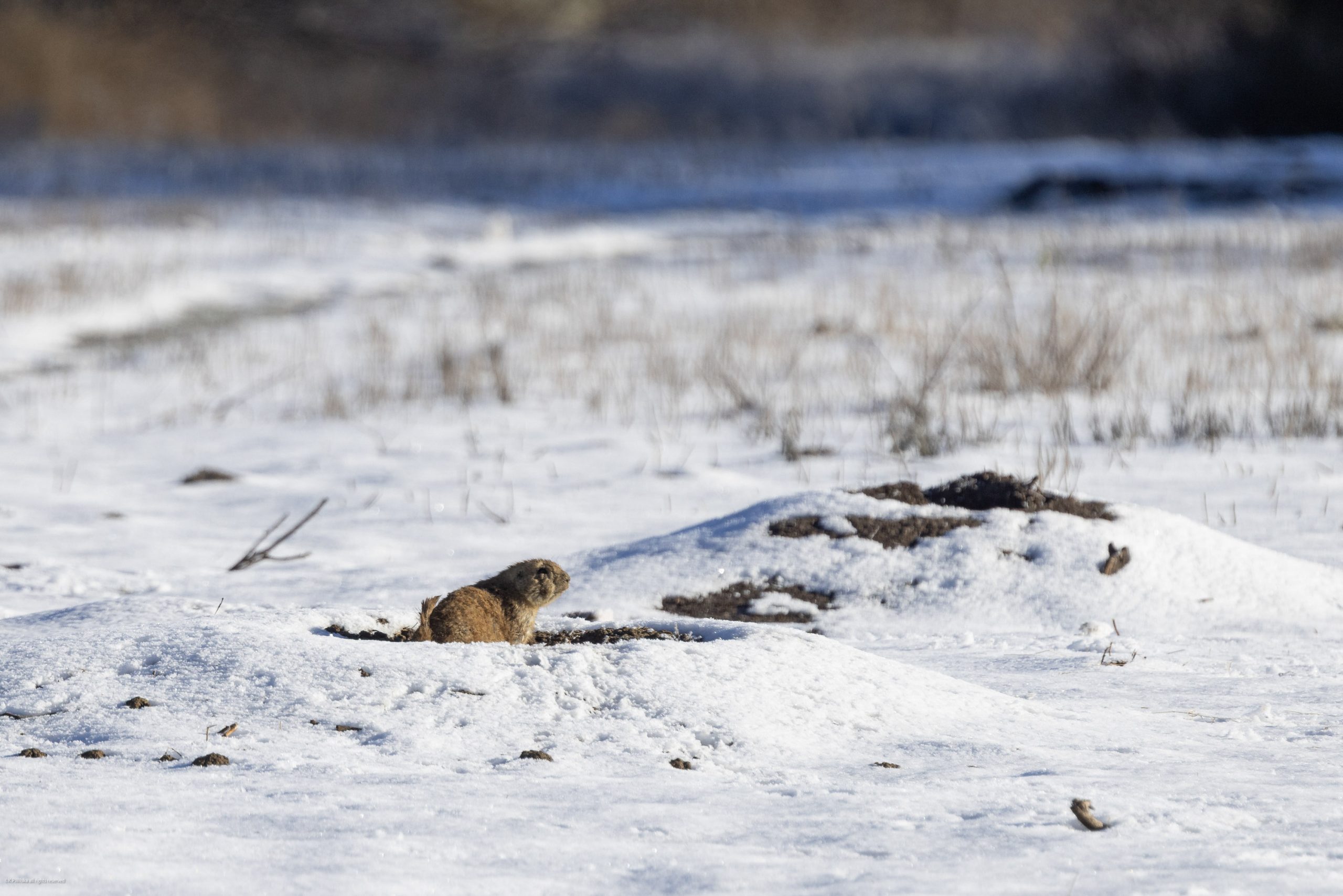
Aside from being plain delightful, the critters are a key piece of the center’s mission to restore Texas’ natural history. The prairie, a quintessential piece of Texas culture, has mostly vanished across the state. Through mass tree removal, calculated burns and reintroduction of keystone species—like the prairie dogs—the center has started to restore some of the Lyndon B. Johnson National Grassland that once flourished north of Dallas-Fort Worth.
The revitalization efforts, Perez says, have led to an increase in prairieland birds. He’s spotted scissor-tailed flycatchers, painted buntings, and grosbeak, which he hasn’t seen at the refuge before.
“We’ve invited back the fauna that are part of the native ecosystem,” he says.
Overall, the return of the prairie dogs have been a huge draw for the refuge. Laura Veloz, also a natural scientist supervisor, leads most of the guided tours to the center, including field trips. She says kids won’t hike a mile just to peek at some wildflowers. But they’ll do it for the prairie dogs.