
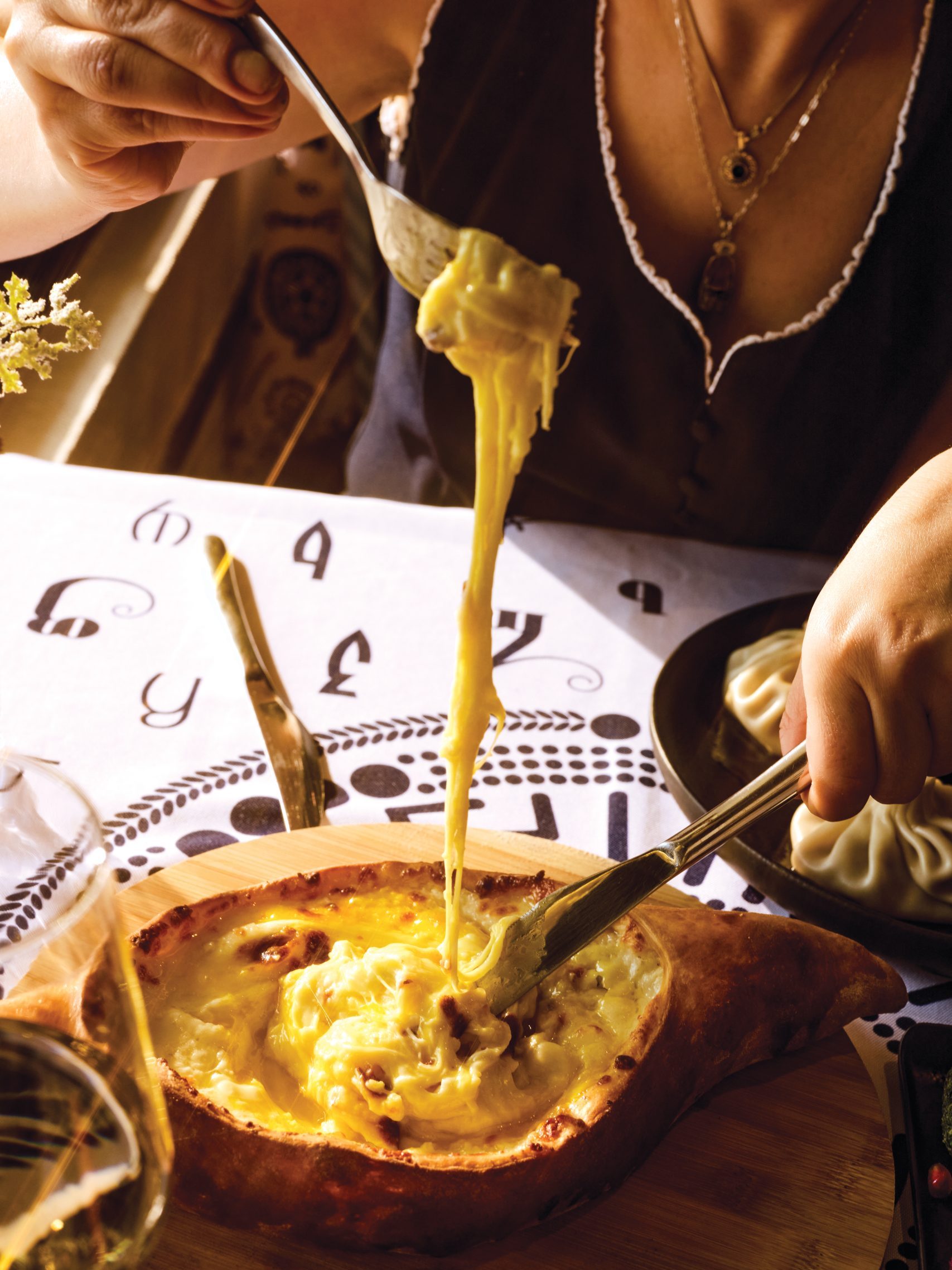
Steam rises from the oblong, canoe-shaped bread dish as it reaches the table at Nikala in Round Rock, 18 miles north of Austin. Fresh from the oven, its center of melted mozzarella-like sulguni cheese and milky Imeruli curds bubbles alongside an orange egg yolk and a melting slick of butter. This photoworthy composition called adjaruli khachapuri is short-lived if you’re doing it right, because the dish demands that the yolk and butter are quickly stirred with the cheese to create a tangy, salty dip ready to be scooped up with the bread’s pull-apart crust.
Ornate hand-knotted wool rugs, a traditional Georgian dance costume, and other family heirlooms provide the ideal environment for partaking of the quintessential culinary export of the Caucasus region connecting Eastern Europe and Western Asia. The cuisine—which can best be described as Mediterranean meets Middle Eastern meets Slavic—dates back thousands of years. But outside of New York City and Washington, D.C., which have the highest concentration of Georgian immigrants, the country’s food and wine have largely been ignored domestically. That is, until a recent Central Texas boom.

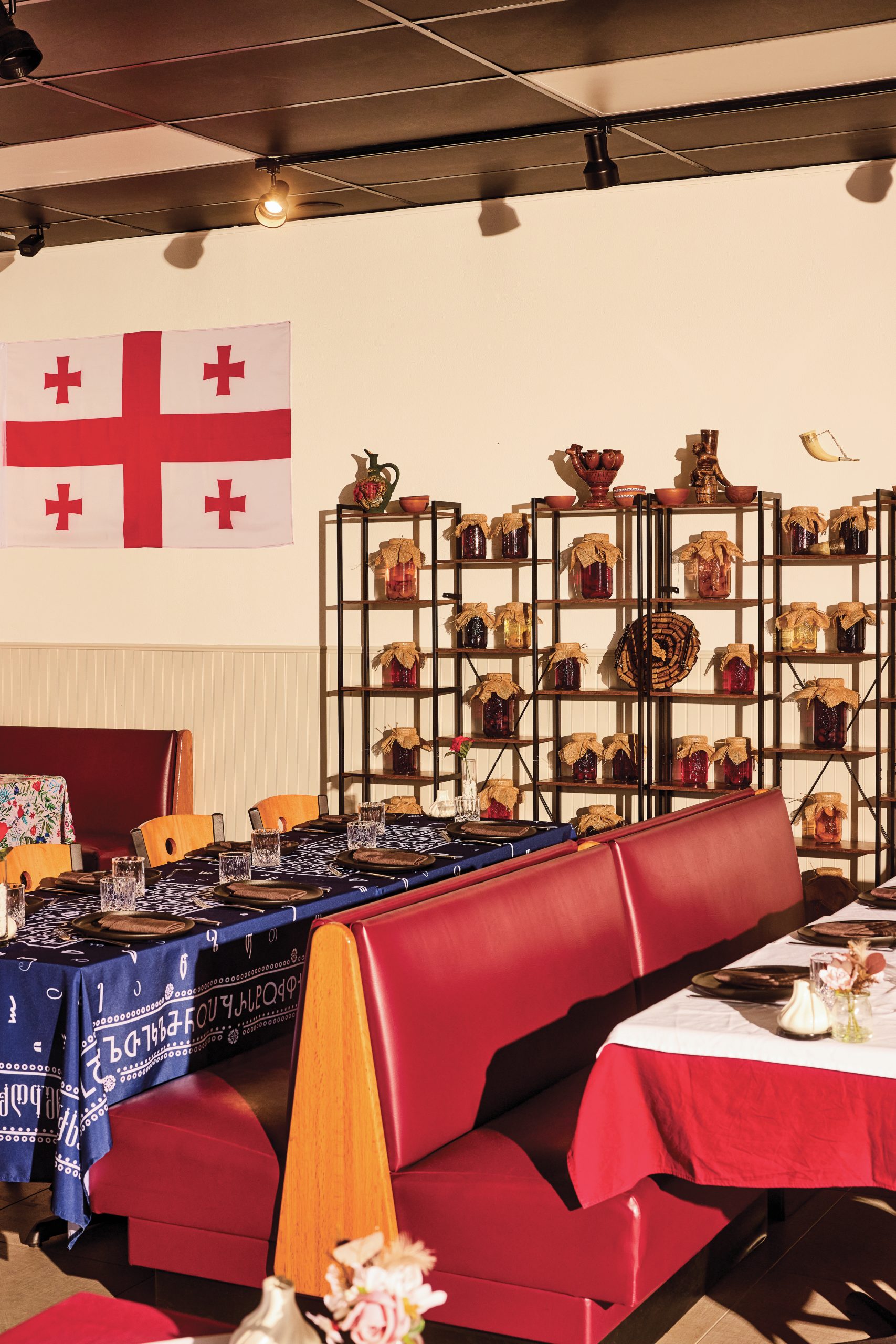
Starting in the late 2010s, Georgian expats began settling around the Austin area because of affordability and opportunities provided by the city’s burgeoning tech sector. The pandemic increased that influx, and by the end of 2025 three restaurants and a market had opened in quick succession.
“We saw a strong and growing community with a real interest in trying new and diverse cuisines,” says Nikala co-owner Ketevan Gviniashvili. “The demand has grown so fast, we’ve realized we already need to expand.”
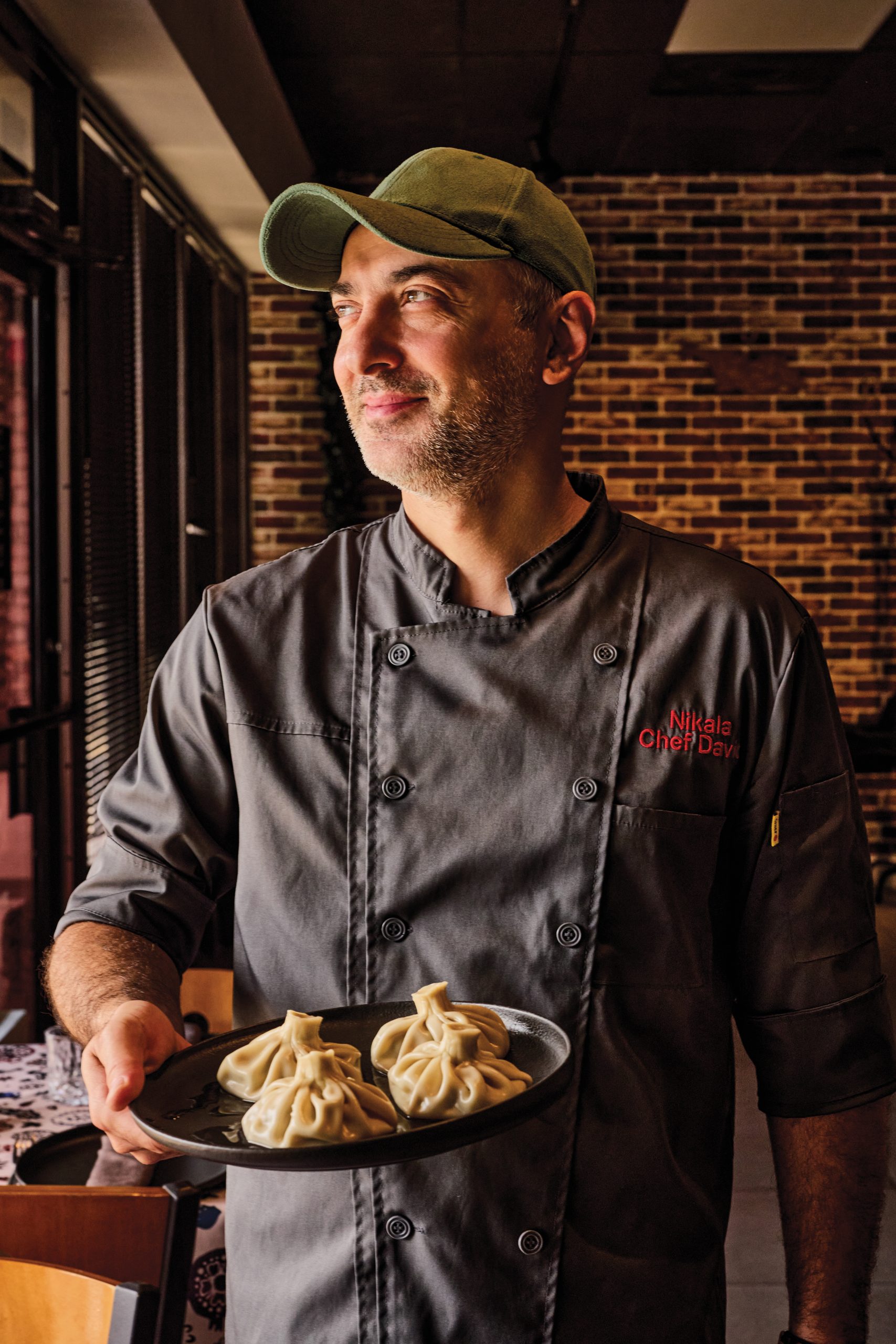
Launched last fall with her husband, Davit Sinjiashvili, Nikala offers a full-service experience with regional favorites derived from family recipes. But their story starts back in 2020, when they arrived from Tbilisi, the capital of Georgia, just before the pandemic. Sinjiashvili worked a series of odd jobs before landing a project leader role for Google in 2021. Three years later, he pivoted to his first love of cooking, testing the waters with a Georgian frozen food delivery service, which they operated out of a commercial kitchen on weekends. With ardent word-of-mouth praise and marketing to local Eastern European Facebook groups, they were able to build a sizable customer base within a year.
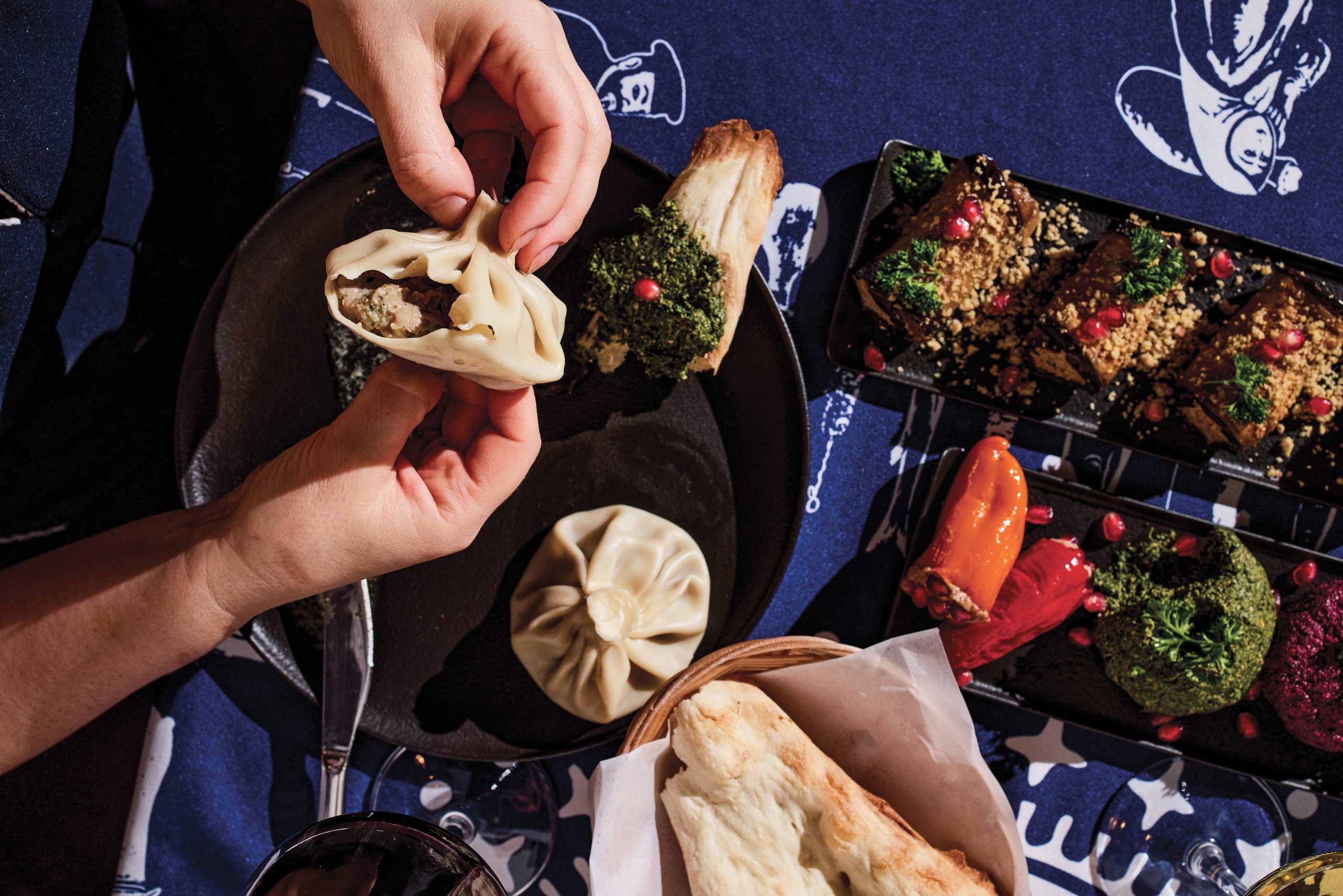
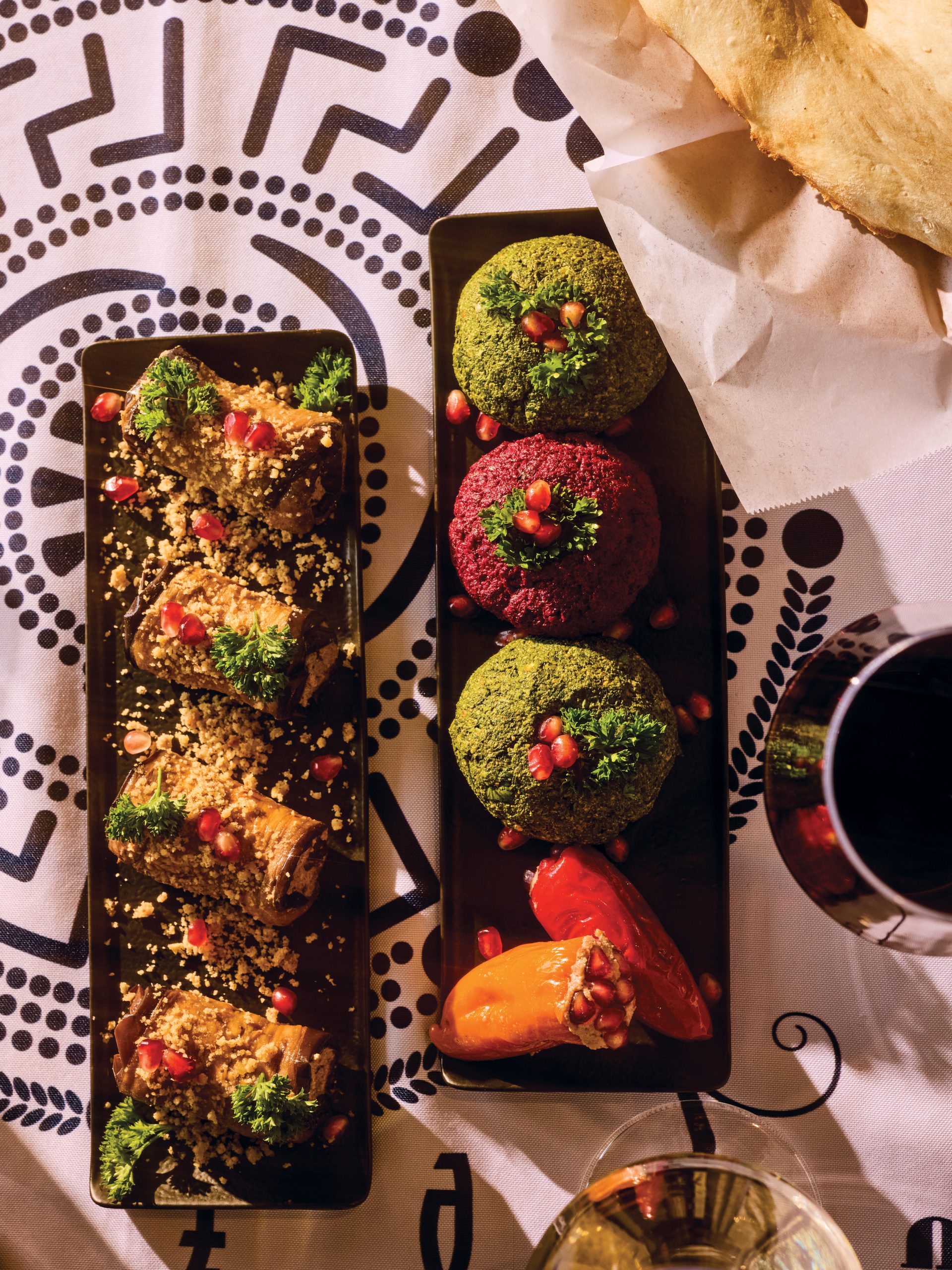
Now, in their permanent brick and mortar, families pass platters of pkhali, a colorful combination of minced spinach, beets, and bell peppers seasoned with walnuts, garlic, and blue fenugreek—a spice that grows wild in the Caucasus. Alongside more ubiquitious dishes like adjaruli khachapuri, there’s also khinkali, soup dumplings that manifest as taut orbs shrouding pork and beef bobbing in a salty umami broth.
“Five years ago, there were probably 38 Georgians in all of Austin,” says Saba Shonia, co-owner of Bread Boat, a small self-service restaurant in East Austin. “But the city is very open-minded. We just had to get them in the door.”
Whereas Nikala has a vast menu stretching from Georgian stews to dumplings and desserts, Shonia and his business partner, Giorgi Sharabidze, take a far more streamlined approach at Bread Boat. The open kitchen allows guests to watch chef Khatuna Kopaliani prepare savory pies and, as the name of the restaurant implies, variations of the crowd-pleasing adjaruli khachapuri. In addition to a classic version, Kopaliani explores more eclectic iterations such as the bacon bean boat, which complements the cheese on one side with kidney beans seasoned with marigold and blue fenugreek.
For homesick Georgians wanting to recreate these recipes at home, Qvevri Georgian & European Market in Round Rock has become a go-to spot for more esoteric ingredients like smoked sulguni cheese and adjika paste, a popular condiment made from chiles, garlic, blue fenugreek, and coriander.
Helmed by Davit Gzirishvili and Khatia Pipia, the market has become a playground for gastronomic discovery. Shoppers can pick up Natakhtari tarragon soda, walnut preserves in honey, and pickled jonjoli, an appetizer made from the flower buds of the Caucasian bladdernut shrub.
Gzirishvili’s family hails from Kakheti, known for its naturally fermented skin-contact wines made in large clay pots called qvevris. So, guests can expect to leave with a crash course in a civilization that was fermenting grapes before most of the ancient world had a written language. These include Georgian varietals like Rkatsiteli—a crisp, aromatic, minerally wine—and Saperavi, a tannic red with notes of black currant and dark cherry.
However you arrive at Georgian cuisine, everyone should know the term ghmertis stumari, which translates to “A guest is a gift from God.” In its native country, it’s an ingrained philosophy of hospitality that treats every stranger as an honored guest. Pipia sees it reflected back in her customers. “They don’t say ‘I’m not going to try this; I don’t know what it is,’” she says. “It’s 100% the opposite.” It’s the reason she doesn’t take her new home for granted, and perhaps why a culture built on welcoming strangers has found such fertile ground in Central Texas.