
The high-pitched strumming of a requinto guitar, played by a trío romántico, might feel like an appropriate soundtrack to a night on the town in El Paso. But at Paco Wong’s, the amorous ballads weave through a brightly colored dining room decorated with Chinese dragons and an imposing battalion of terracotta warriors. What might seem like a peculiar juxtaposition—at least to the uninitiated—has become a beloved part of the cultural makeup of the city.
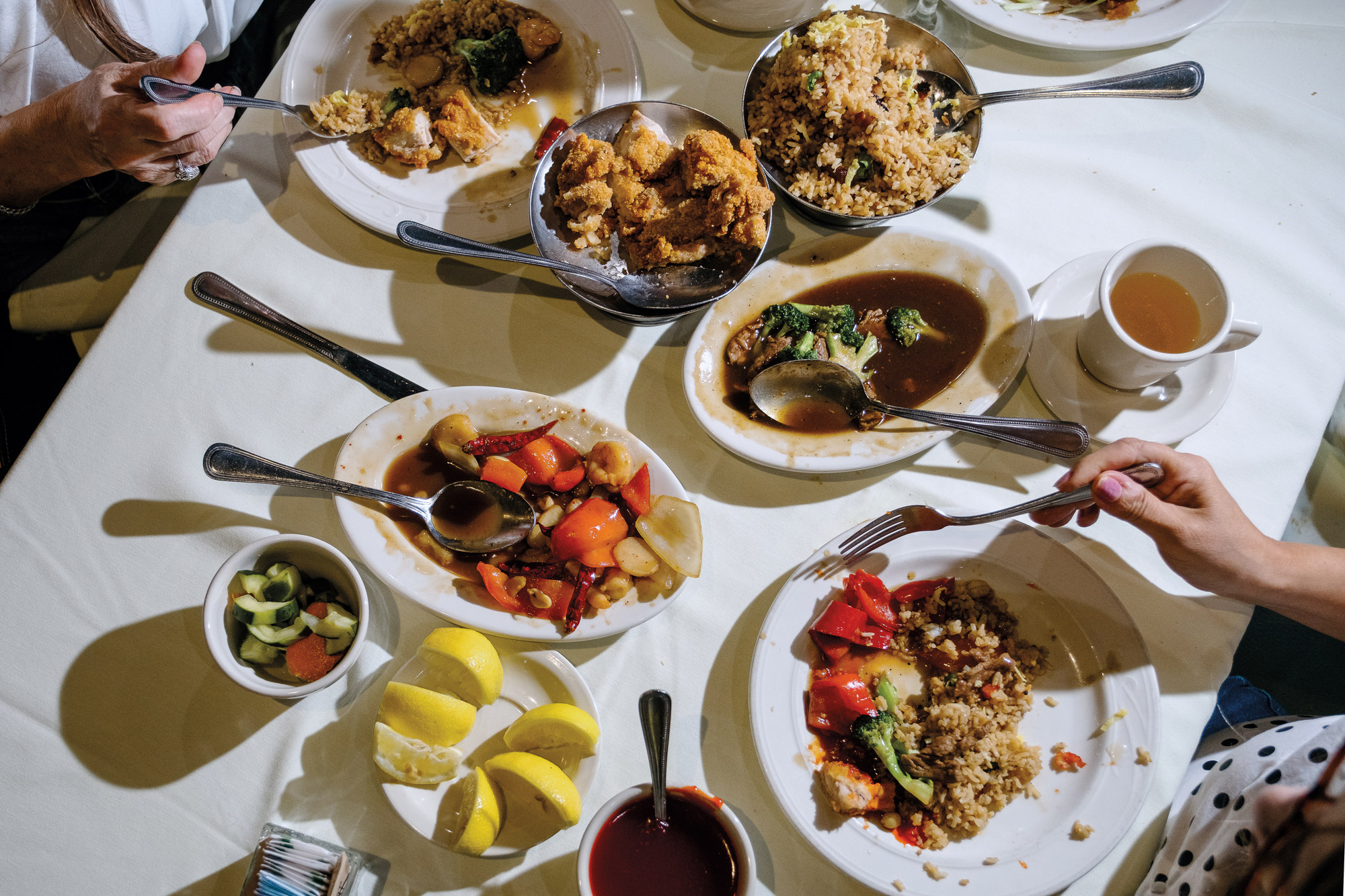
A West Side staple now for 20 years, the restaurant captures that particular East-West dichotomy in its culinary DNA. Hints of Mexican influence appear in traditional Cantonese recipes, like a lo mein served with cilantro and jalapeño. There’s also owner Paco Wong’s famous Fish a la Pekin, in which deep-fried Alaskan pollock bathes in a fermented soybean sauce with bell pepper, onion, jalapeño, and bacon.
“Those spices are what set us apart from other Chinese restaurants,” Wong says. “Where most Chinese places focus on sweeter foods with plum sauce or sugar and honey, we add just a little bit of spice.”

But it’s not just the subtle blending of cuisines and design that keep El Pasoans coming back. For many, Paco Wong’s upholds a culinary legacy that extends across borders—back to a time when Ciudad Juárez and El Paso were more closely connected. Wong’s father, Francisco “Paco” Wong Esquivel, pioneered formal Chinese dining in Juárez when he opened his first restaurant, Shangri La, from their family home in 1960.
“We’ve been building this tradition through generations,” Wong says. “Most of my customers are people I served when they were just kids coming to Shangri La.”
Though this mixing of cuisines may seem unexpected, it reflects the fluidity of border culture. A downtown plaque on West Mills Avenue commemorates El Paso’s Chinatown—once the the largest in Texas. Some residents were rail workers who arrived in the 1880s, while others had migrated to southern parts of Mexico and moved north to Juárez. Almost all were merchants or restaurant owners—a loophole to bypass the Chinese Exclusion Act of 1882.
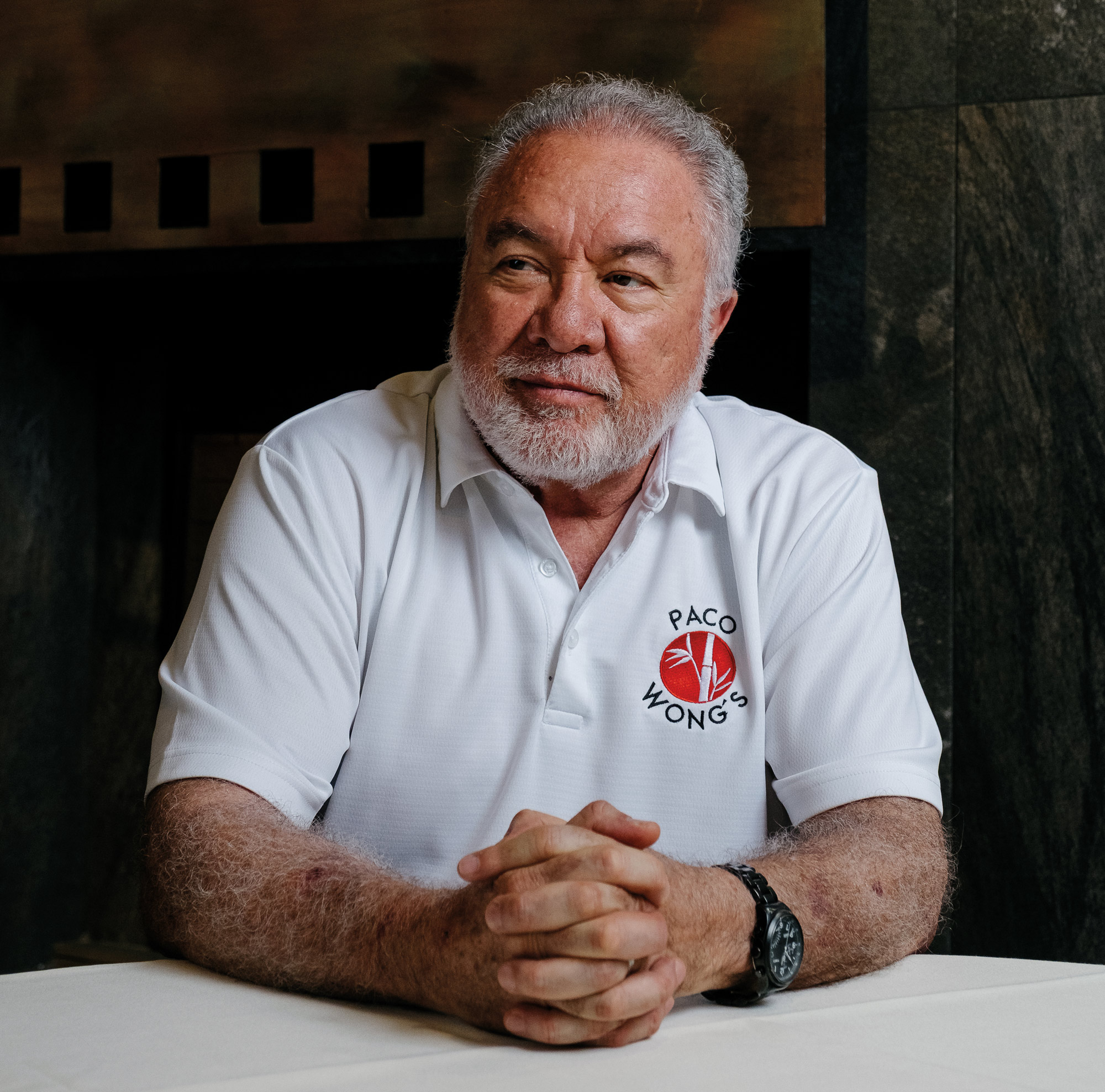
While Wong’s father, Francisco Wong Sr., was born in Torreón, Mexico, his grandfather was a native of Guangzhou, China, the cradle of Cantonese food. Moving to Torreón in 1907, the latter established a department store called Almacenes Globo but died when Wong’s father was just 10 years old. While the family lost the living connection to their Chinese heritage, Francisco retained his love for Cantonese food—and a keen eye for spotting unique business opportunities.
When Francisco relocated to Juárez in the early 1950s, he saw that local Chinese fare was limited to cafés selling chop suey alongside tacos and enchiladas. Since no formal Chinese dining options existed, he created his own at Shangri La, counting on the soon-to-open Córdova de las Americas International Bridge to convey visitors from Texas. The gamble paid off, with a perpetually full waitlist from customers fueling up before shopping or frequenting the city’s racetrack.
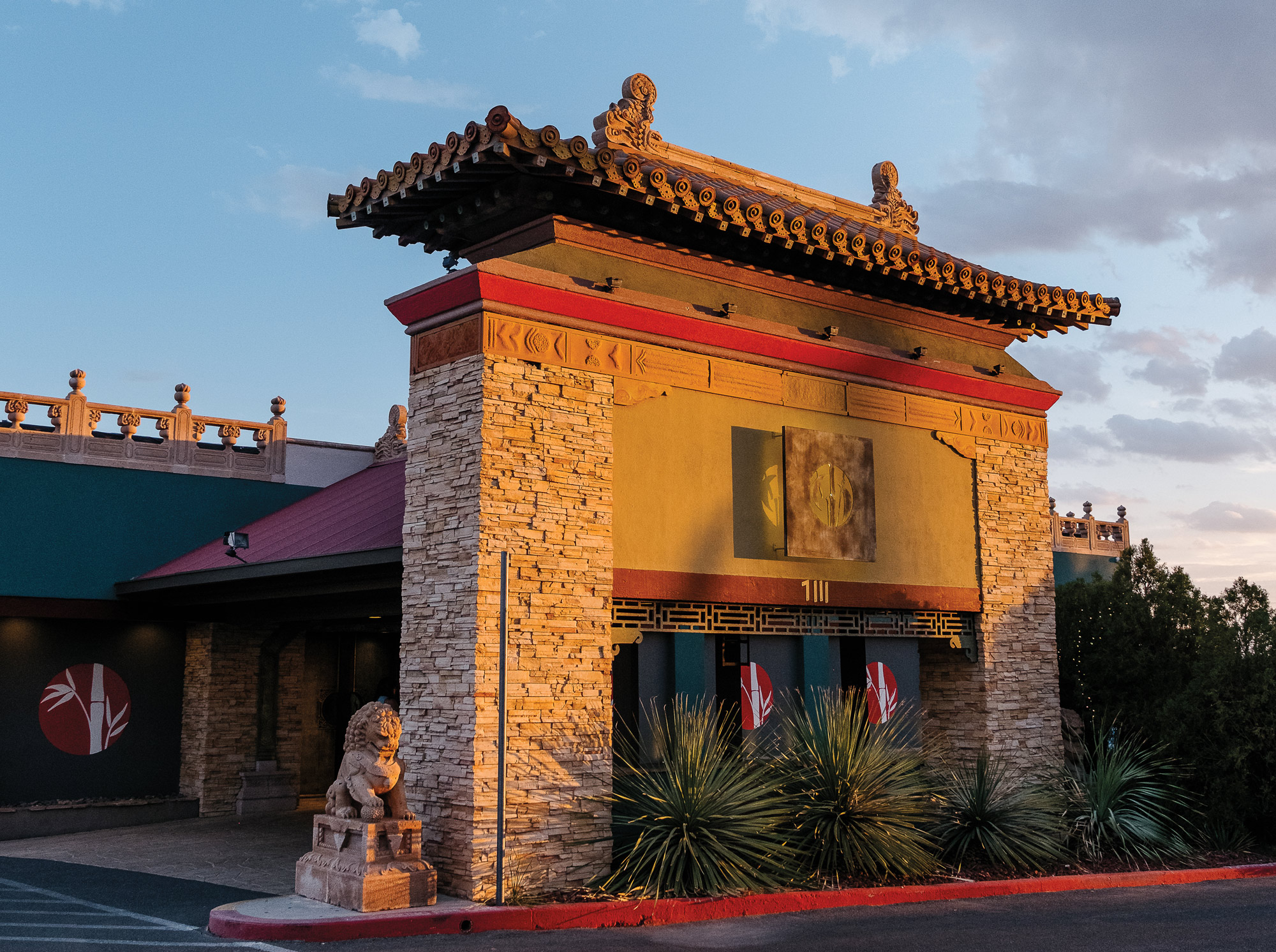
At the time, Juárez and El Paso still felt like one city, Wong explains, and the international crossing lacked today’s bureaucratic challenges. Their first effort on the U.S. side was a cafeteria-style version of Shangri La called Chopsticks, which opened in Cielo Vista Mall in 1982. Even as the fast-casual concept successfully expanded to five other locations, Wong was eager to bring a more formal Cantonese experience to El Paso. Opened on North Mesa Street in 2006, Paco Wong’s features white tablecloths, as well as local musicians who serenade the weekend rush. Most importantly, the restaurant honors its Juárez roots in its blending of Mexican and Cantonese cuisines.
Wong estimates that as much as 80% of the recipes hail from his father, including some of the fusion originals like deep-fried Don Paco chicken wings, marinated in soy sauce and jalapeño, and tortilla-shrouded chicken rinds cooked in soy sauce, oyster sauce, sesame oil, and a house-made fried tomato salsa. Some offerings have even developed a cult following, such as the crispy shrimp, which can be doused in a special fiery hot sauce—for “macho people who really love heat,” Wong says.
Over two decades, Wong has worked hard to maintain the type of consistency and quality that distinguished his father’s culinary legacy—especially to those making the reverse pilgrimage from Mexico to the U.S. Today, a newer checkpoint in nearby Santa Teresa, New Mexico, funnels traffic to Paco Wong’s the same way the Cordova bridge channels El Pasoans to Shangri La.
“We have a lot of customers from Torreón or Chihuahua City who cross on the West Side,” he says. “They come over and dine with us and then go shopping. And they always tell us exactly the same thing we used to hear in Mexico: ‘We came straight from the bridge to eat at Paco Wong’s.’”