A large wooden photo op board depicting Gandalf and Frodo from The Lord of the Rings is propped up next to a crouching 2-foot-tall model of Gollum inside the Hobbit Cafe in Houston. The décor is a cheeky mood-setter for a restaurant that has ushered guests into the whimsical world of J.R.R. Tolkien for more than five decades.
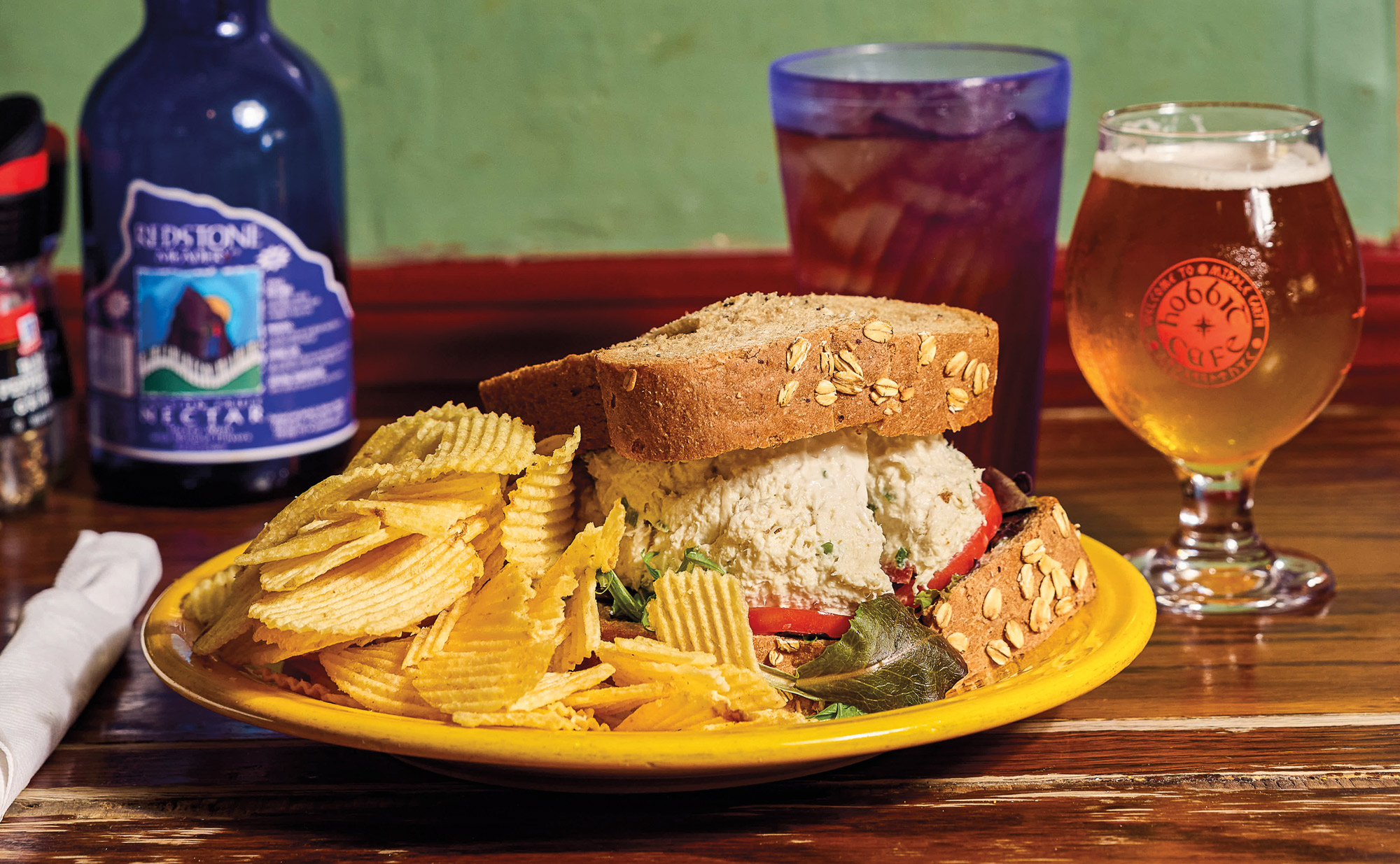
With its warren of arched passages and collector’s ephemera, the Hobbit Cafe gives off museum vibes—or maybe a comic-con installation. But one look at the variety of wild game burgers and 70-plus meads on its menu, and it’s clear the Upper Kirby restaurant is serious about its food.

Hanging on the wall is a print of the restaurant’s original menu, the calligraphic font inspired by Tolkien’s fantastical tomes. A closer examination reveals its initial vegetarian-only offerings, falling in line with the hippie ethos of the ’70s. The adjacent pictures seem to corroborate their bohemian beginnings, with photos of the long-haired owners—all resembling its early clientele, like ZZ Top’s Billy Gibbons.
“We used to be known as the psychedelic mushroom restaurant because our customers looked like rock stars,” says owner and cofounder Raymond Edmonds.
Edmonds attended the University of Texas at Austin in the late ’60s, along with his brother Forrest and fellow cofounder John Butler. In the capital city, the trio became enamored with a vegetarian restaurant that would eventually serve as inspiration for their own entry point into the counterculture health movement.
The three partners found a home near the Montrose area and opened their first concept in 1972. Craig Weller of Clarksville Natural Grocery in Austin encouraged them to name it after a mutual college friend nicknamed The Hobbit. After clearing the idea with Tolkien’s widow, the restaurant originally known as The Hobbit Hole was free to lean into its Middle-earthian theme.
The menu of smoothies and veggie sandwiches all tapped into Tolkien’s works. For instance, a mixture of avocado and carrots on wheat bread was dubbed Gandalf, after the central wizard of the novels. It was joined by the Thorin Oakenshield sandwich made from tabbouleh and mushrooms.
The blend of mysticism and healthful offerings in a town better known for Tex-Mex proved an instant hit. Hippies descended upon the eatery, but a photograph in the Houston Post of artist Peter Max dining at the restaurant in its first year also lured in the bediamonded oil-and-gas crowd.
“Before that, it was bicycles and Volkswagens,” Edmonds says. “After that, it was Mercedes, bicycles, and Volkswagens.”
The clientele wasn’t the only thing that changed. The merry pranksters of the Shire felt competition arrive in the salad bars of the 1980s. To differentiate themselves, The Hobbit Hole decided to expand its offerings to give their clientele a place where they could drag their meat-eating friends.
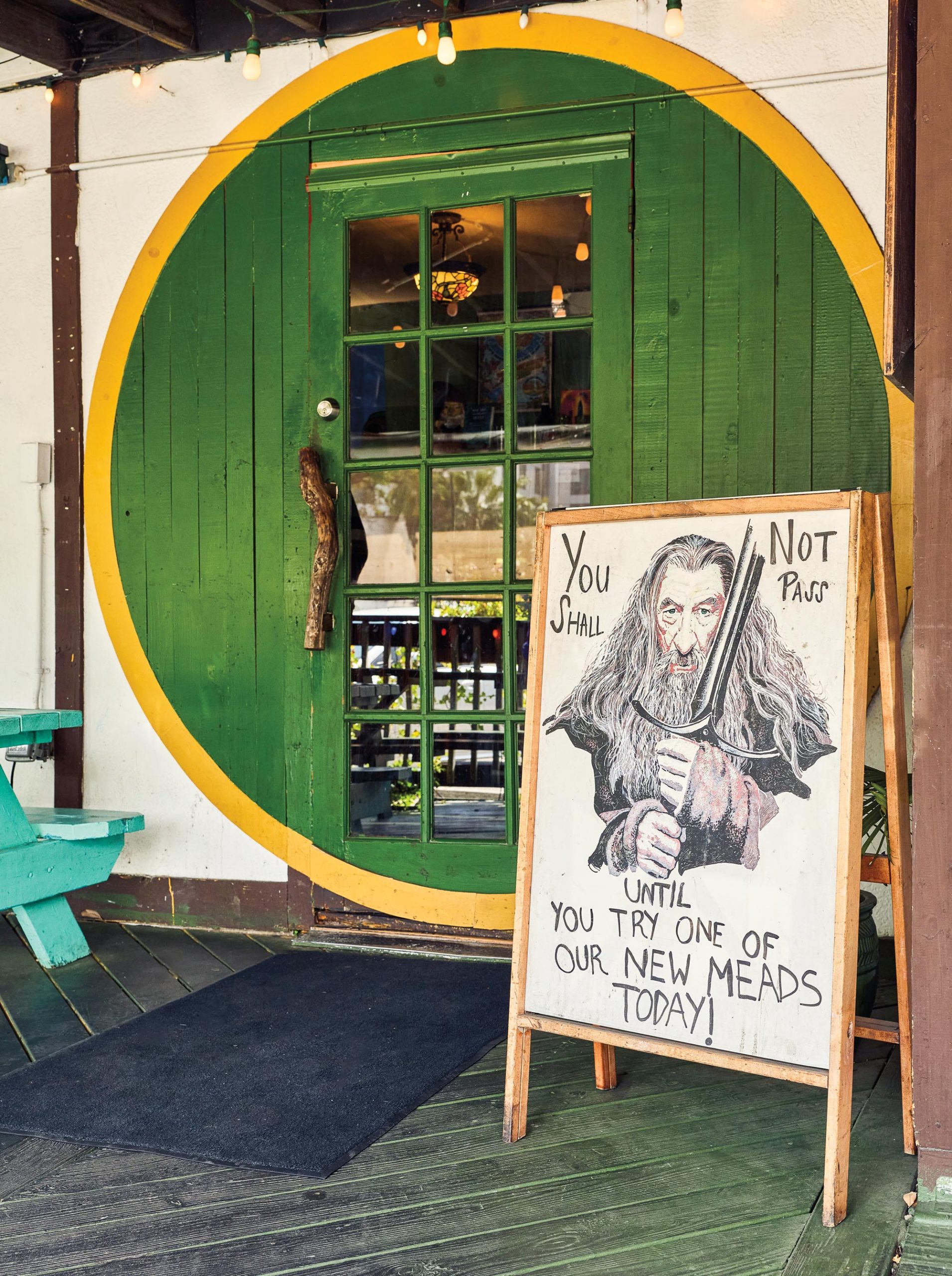
Butler left the venture after almost a decade, and the brothers eventually moved the restaurant to an old stucco house on Richmond Avenue in 1999. With its circular doorway and a massive live oak twisting out of its foundation, the newly dubbed Hobbit Cafe even better resembles something plucked from the misty hills of Frodo’s homeland.
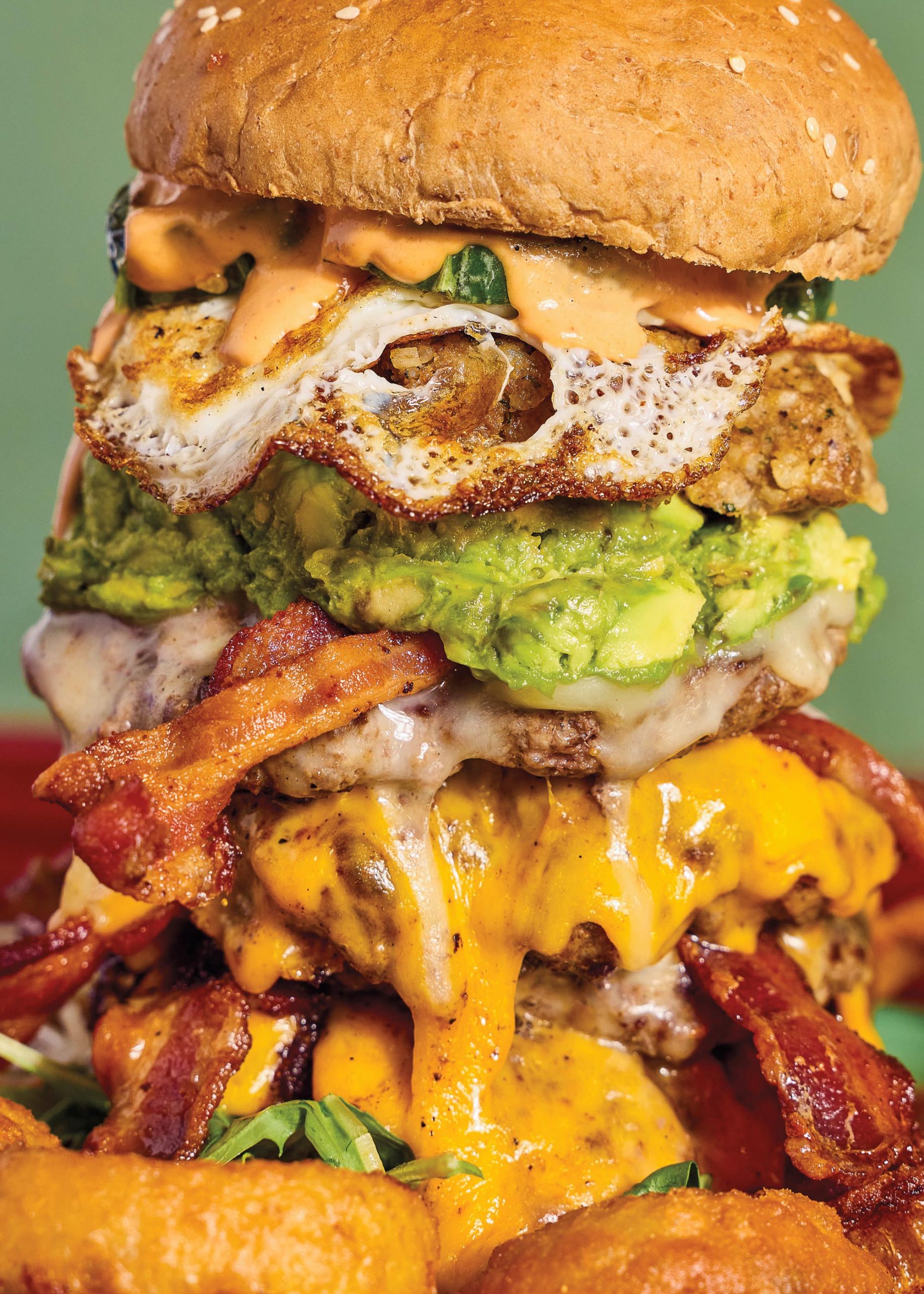
Today, vegetarian staples are joined by jalapeño “orc” poppers and a roster of almost 20 burgers stuffed with everything from lamb to elk. Combined with its transportive aesthetic, the café is an irresistible draw for Hobbit scholars, including Rice University students studying “Tolkienology.”
Edmonds’ shaggy-haired son, John, now oversees the day-to-day operations. At 44, he gets a kick out of a restaurant that predates his birth and has built deep connections to a Houston that used to be just a little bit weirder.
“I love it,” he says. “I’m here; I’m in the Shire.”