

Editor’s Note: An earlier version of this story said there were only 11 Carnegie libraries in Texas. There are 13. Our list and the story has been updated with their locations
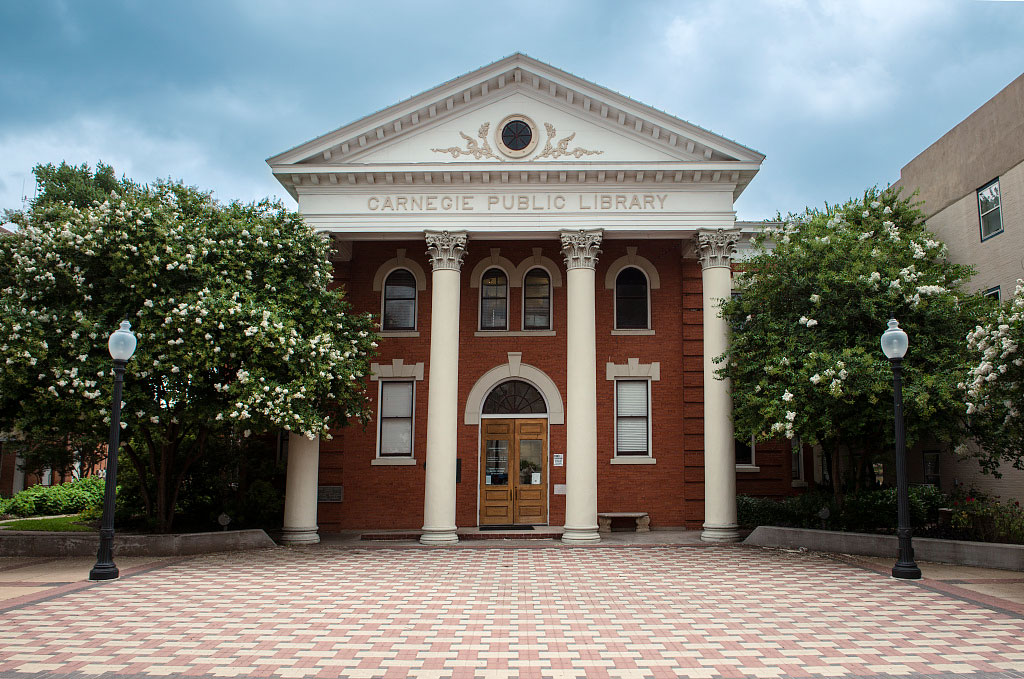
The Carnegie History Center is an imposing presence on South Main Street in downtown Bryan. Built 123 years ago to house the public library, the two-story red brick building features Greek Revival-style architecture, with four Corinthian columns standing tall and sturdy, as if guarding this special property.
Over the years, the building has been converted into city offices, sat empty, and then reopened as the history center, maintaining Brazos Valley archives and providing genealogy research. But its original pressed metal ceilings, pine flooring, and steep wooden staircases remain intact.
“Somebody from 1903 could easily walk in and recognize the building,” says library assistant Joleen O’Dell, a Bryan native who recalls the building being an integral part of her childhood. “This was my library until I was 10. When I was growing up, it was God, family, and library, pretty much in that order.”
There’s another reason why this building has a special place in the community: It’s the oldest existing Carnegie library in Texas.

In the late 1800s, steel magnate Andrew Carnegie, once the world’s richest man, began giving out grants, part of a philanthropic mission he wrote about in his essay The Gospel of Wealth. He funded church organs, exhibition halls, swimming pools, and gymnasiums, but the bulk of his philanthropy went into libraries.
In the United States, his grants built 1,681 public libraries, including 32 in Texas, starting in Pittsburg in 1898, and ending in Vernon in 1915. The two libraries burned down in 1939 and 1928 respectively, and when Vernon city officials asked for a grant to rebuild theirs, they were denied; the grant program ended by 1918.
Today, only 13 of the Carnegie library buildings in Texas remain, and only four—in Ballinger, Franklin, Jefferson, and Stamford—still function as libraries. The rest have been repurposed into museums, event facilities, history centers, and office buildings. Tyler’s library, built in 1904, has been home to the Smith County Historical Society for more than 40 years. Gainesville’s library, opened in 1914, has housed the Butterfield Stage Players since 1979.
Grants to smaller communities were in the ballpark of $5,000 to $12,500, while cities like Dallas, Houston, and San Antonio received initial grants of $50,000 in 1899 and 1900. The result in Houston’s case was an ornate palace that emphasized flourish over function. None of the big city libraries survive.
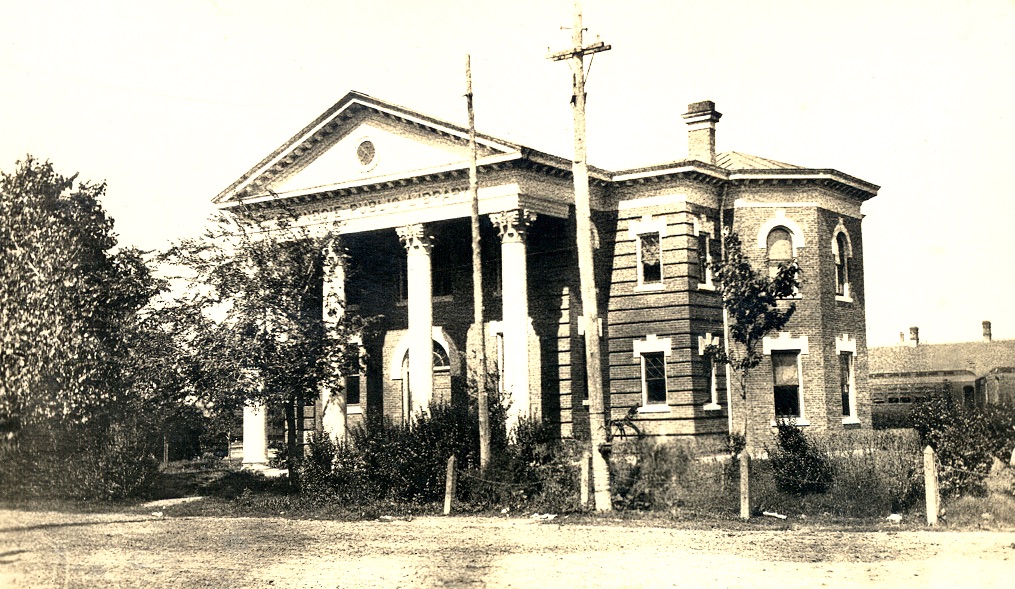
Efforts to build a library were often spearheaded by women’s organizations with names like the Mutual Improvement Club (Bryan) and Woman’s Wednesday Club (Belton). They hoped a library would bring culture and society to their communities—and clean them up.
“Bryan was a very rough-and-tumble town,” O’Dell says. “There were at least 12 bars on Main Street alone. Animals roamed, dung was all over the place.” The city set aside parkland for the library and downtown developed around it.
There were conditions to receive a grant. “It wasn’t just a giveaway,” says Jennifer Comins, archivist of the Carnegie Collections at Columbia University in New York City. “The towns had to make sure there was a tax base, they had to raise the funds, they had to select sites, they had to have a lot of things done before Andrew Carnegie or later the [foundation] would pay these sums.”
City officials would often correspond over a period of years with James Bertram, Carnegie’s private secretary who oversaw the program. He had towns commit to annual operation and maintenance budgets of 10% of the grant. Belton considered a $20,000 grant, but went with $10,000, figuring they could handle a $1,000 budget. Still, shortly after opening, the library had to close for two months because it ran out of money.
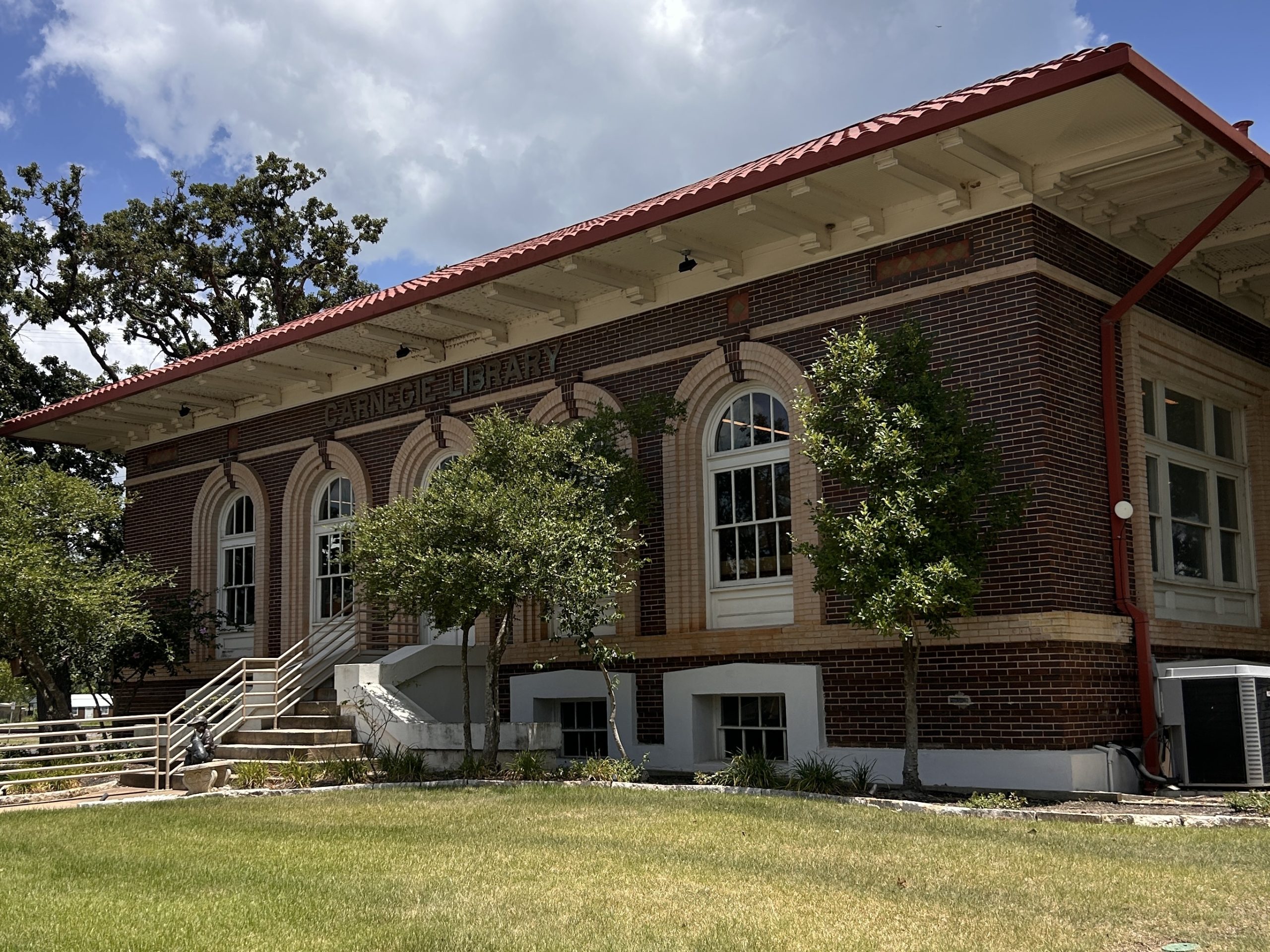
Under Bertram’s watch, libraries became more modest. In Franklin, 30 miles north of Bryan, it constructed a single-story Italian Renaissance structure in 1913. With full-height arched windows and a low-pitch, deep-eave roof with red metal tiles, it’s not as stately as other libraries. But today it stands out on its corner block next to a Dairy Queen on US 79.
Maintenance isn’t easy, says librarian Melanie Redden, the only employee. The basement is no longer usable from water leakage and entrance steps make it difficult for people with mobility issues, including Redden, who uses a wheelchair.
Earlier this year, for the nation’s 250th birthday, the Carnegie Foundation gave $10,000 grants to all affiliated libraries. Redden is still figuring out how to put the money to best use. Despite the struggles, she loves the building.
“To me, it’s a treasure. It’s one of the few buildings in downtown Franklin that is historic,” she says. “We’re right on 79. It’s been neat to make friends that come by regularly when they come through town.”
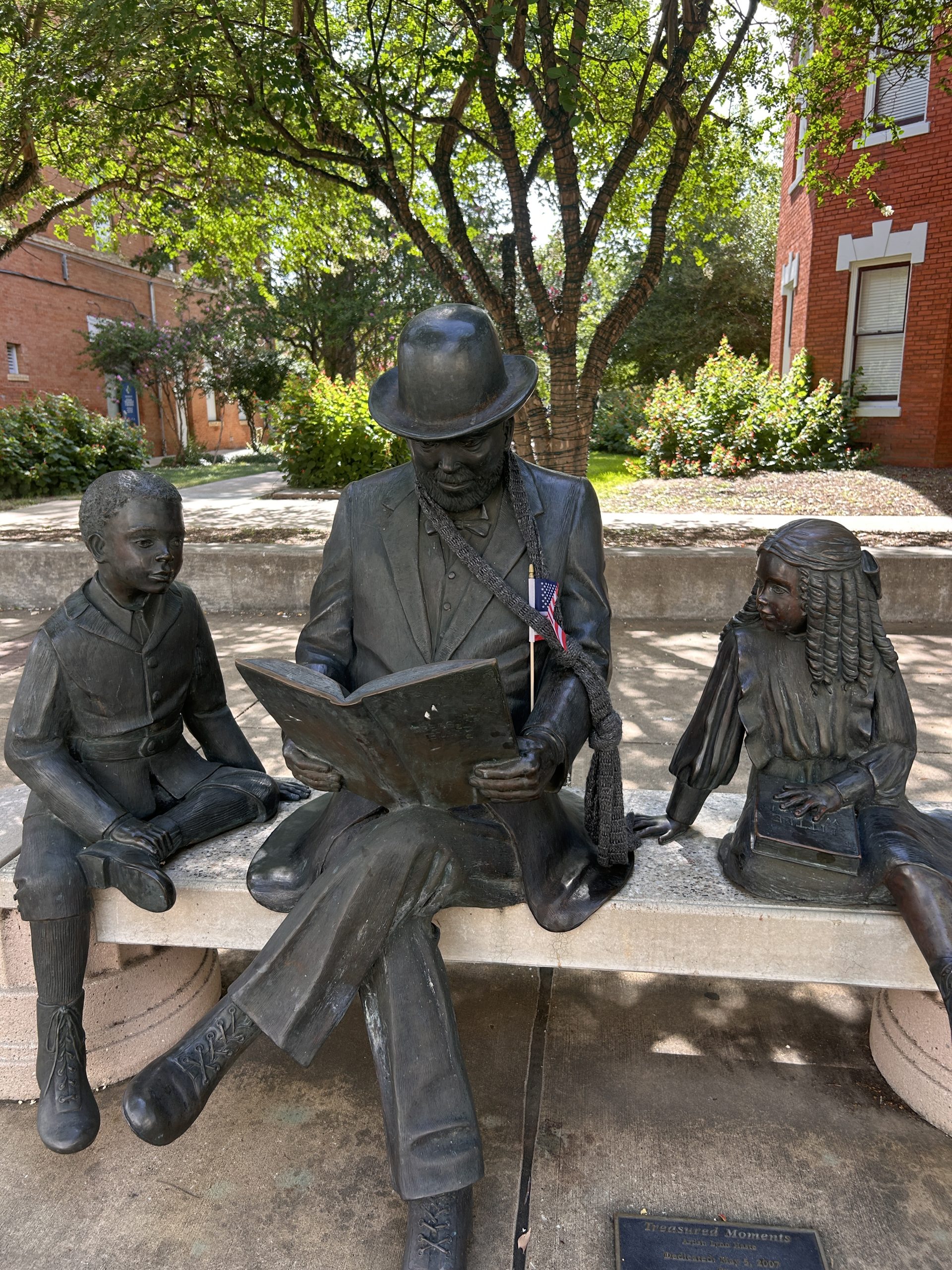
Carnegie’s presence can be felt all around these buildings. At the Bryan History Center, portraits of him hang on the walls and a bronze statue near the entrance depicts him reading a book to children, although there is no known record of him ever reading to kids.
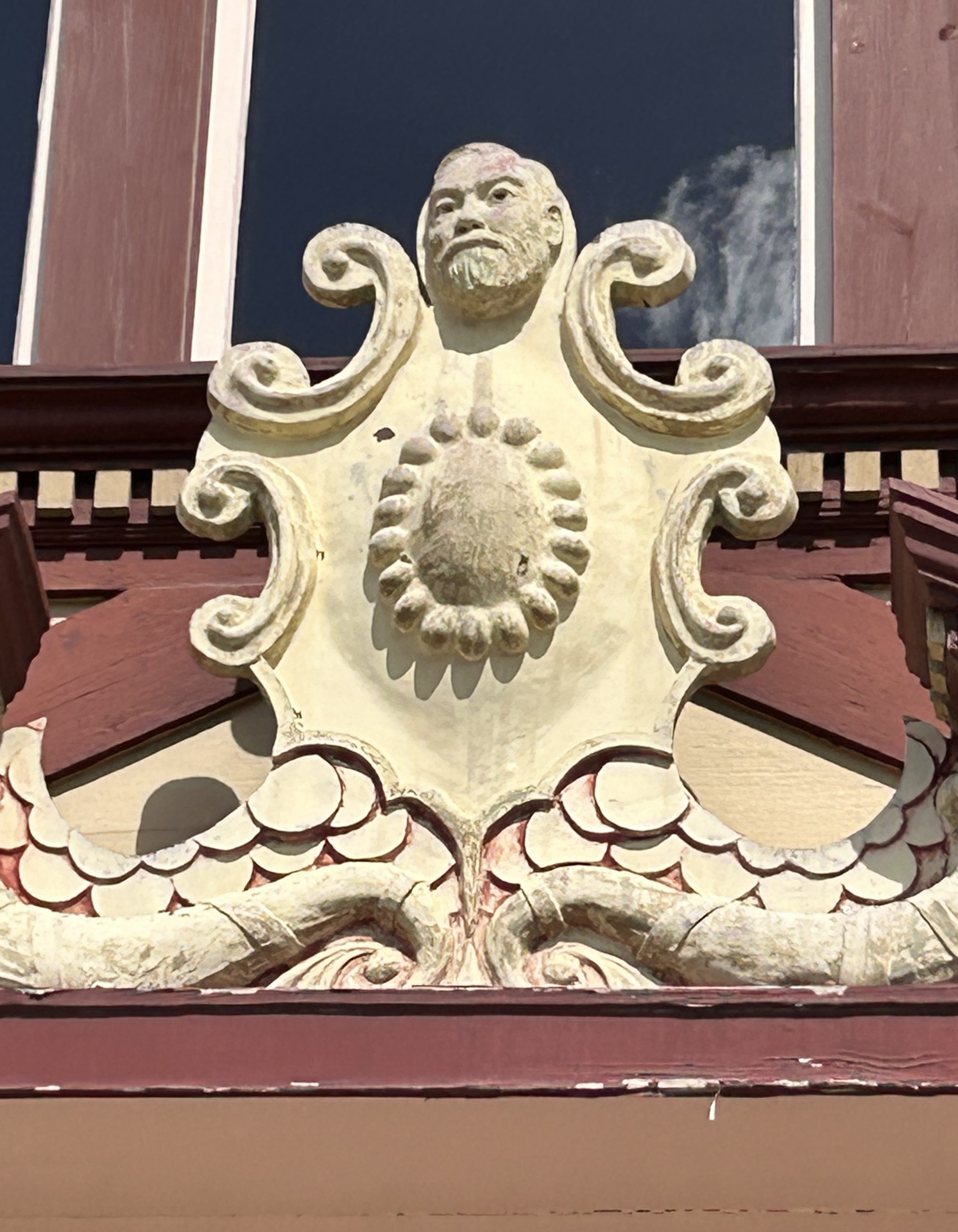
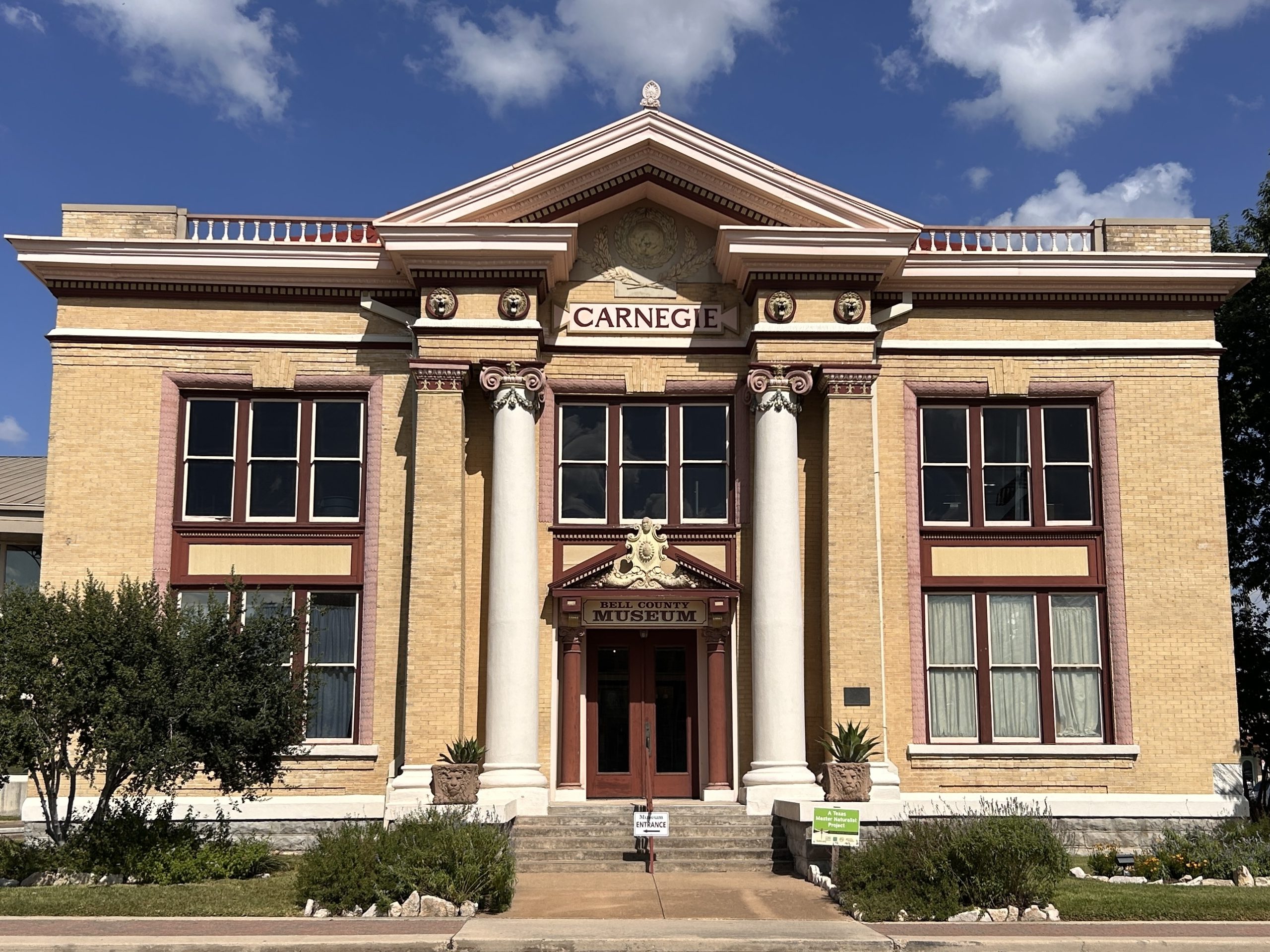
In Belton, its library, now the Bell County Museum, has a mold of Carnegie’s face on its exterior. Designed in the beaux arts classical style, the museum dates to 1905 and has ornate moulding and large alcoves inside. Unlike other libraries, the museum does not stand alone: It added an extension, connecting it to a former car dealership in 2006.
About 25,000 people visit the museum every year, says director Coleman Hampton. Many come to see its award-winning exhibit Discover Bell County, but quite a few come for the building.
“We get visitors all the time that are just interested in Carnegie libraries,” he says.
Like the other libraries, Belton’s was built to also function as a center for civic events and assemblies. Hampton says there are townspeople who remember the “teen canteens,” chaperoned parties that provided a safe environment for teenagers in the 1950s. The building’s second floor continues to host events, including a popular annual spring lecture series.
“It’s such a pleasure to come in every day and be in a place that’s been a hub of learning and education for 120 years,” Hampton says. “You can feel that in the building, the history, the number of lives that the building has touched.”

.jpg)