

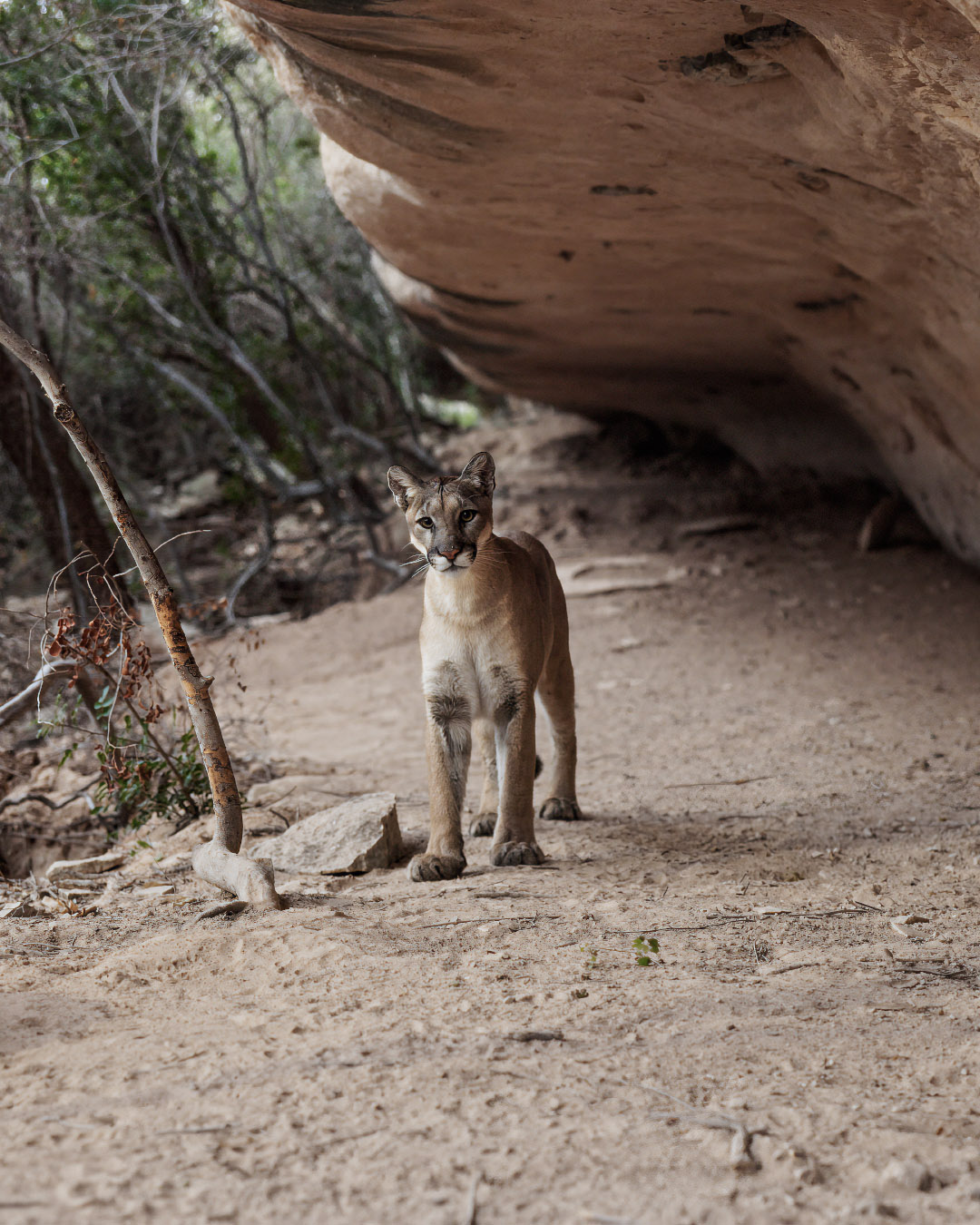
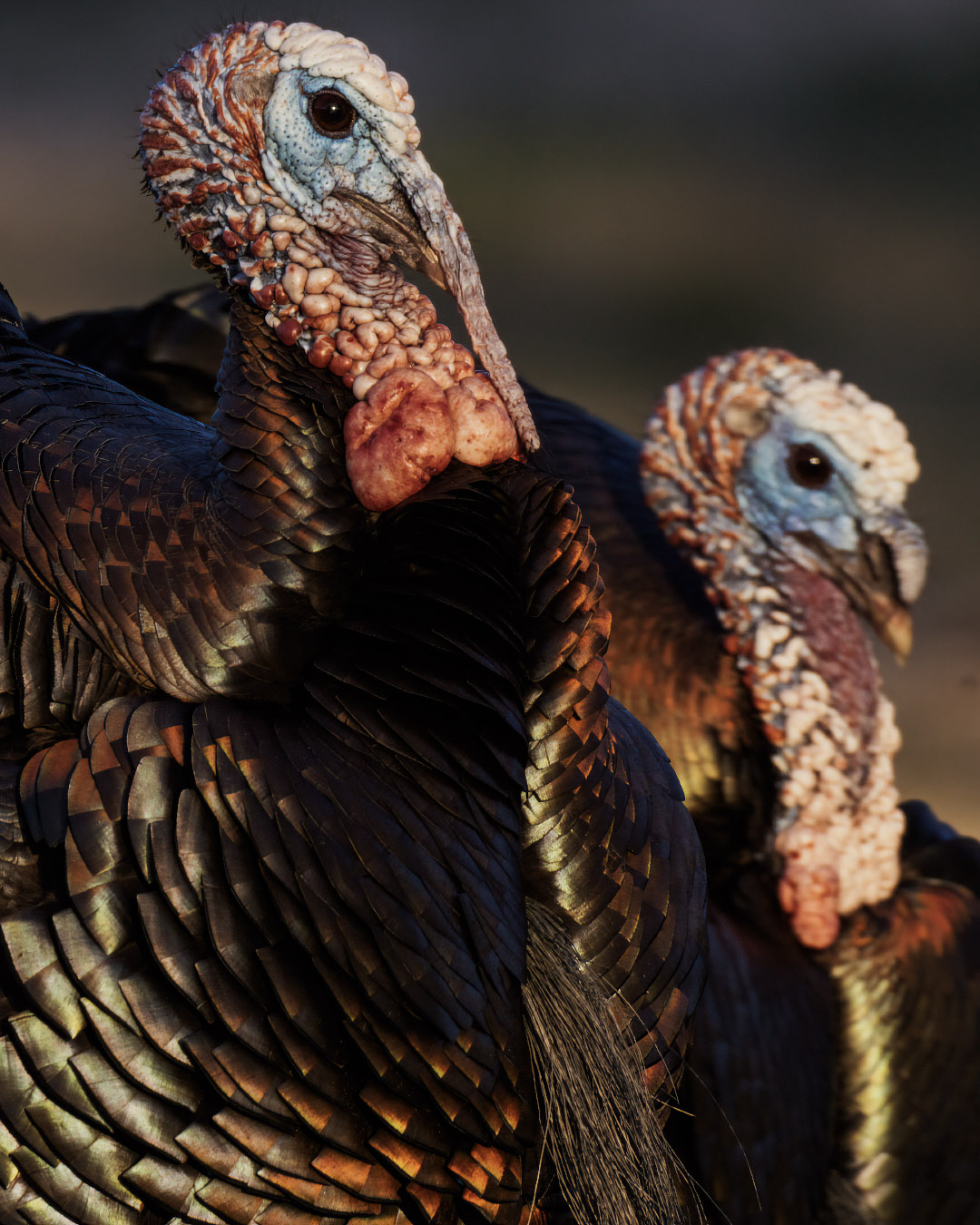
Filmmaker Ben Masters has traveled all over Texas documenting the natural wonders of his home state. His films have captured everything from mountain lions slinking along the rocky terrain of West Texas to wild turkeys strutting in the High Plains of the Panhandle. Along the way, he has layered storylines with the complexities of conserving Texas’ natural resources, particularly its water systems, some of which are disappearing as others thrive.
Before catching the film bug, the Amarillo native earned a degree in wildlife biology from Texas A&M University and considered a career in ranch management. Then he released Unbranded, a documentary featuring footage he filmed of him and a group of friends riding wild mustangs from Mexico to Canada. It led to hundreds of horses being adopted, he says, and made a meaningful impact on their management.
“That was when I realized films have a lot of power and do a lot of good to reach a lot of people and inspire folks to do things,” he says. “After Unbranded, I started making movies and I’ve been doing it for 14 years now, which is kind of wild.”
In 2022, Masters released Deep in the Heart, a film narrated by Matthew McConaughey and the first in a documentary series made by his production company, Fin & Fur Films. The second installment, Deep in the Heart 2: Texas Rivers, premieres in Dallas on Sept. 22. As the name suggests, it focuses on Texas waterways. Ethan Hawke takes over as narrator, and the storylines revolve around the animals that make these riparian places their homes and the increasingly important need to protect them for future generations.

Texas Highways: You went from ranch management to documentary filmmaking. How did you learn how to write for film?
Ben Masters: I watched a lot of movies that I really liked. And then I rewatched them, and I wrote down all the words, how many cues there were, how long their shots were—with great films, all of the secrets are there for you to see. With Deep in the Heart, I watched Our Planet, the David Attenborough series, and pretty much broke down how to do it from the best and then adapted it to Texas. I was tempted to call it Planet Texas.
TH: How do you even start to make a nature documentary like Deep in the Heart: Texas Rivers?
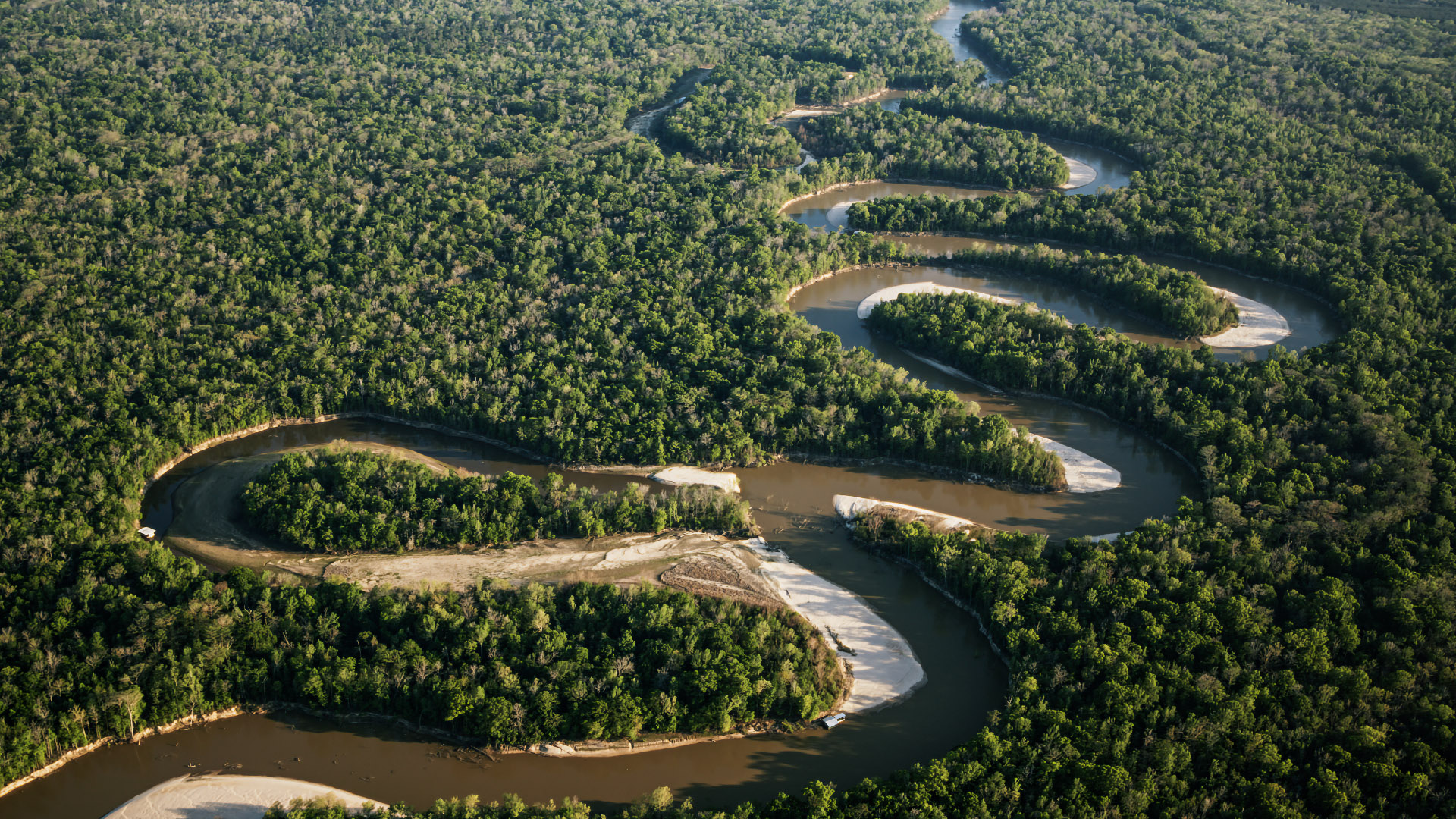
BM: The first step is to identify the greater story, and the big story of Texas rivers is how water works in Texas and our evolving relationship with water. The movie roughly follows two storylines: one is the chronological use of water by humanity—from native people’s times to modern day—and the second is the flow of water from springs to the rivers, bays, and estuaries. Once we kind of identified that main overarching storyline, we were then able to figure out what species and what behaviors would best illustrate the storyline that speaks to something greater than just a cool animal doing something interesting.
TH: There’s a sequence on how the Texas fatmucket mussel in the Gulf Coast lures an unsuspecting fish into its reproduction process. How long did it take to film that?
BM: One of my favorite sequences, it talks about river health, how mussels purify our rivers, and how we have this natural filtration system. We built out this elaborate sequence where the river mussels fool fish into thinking that they’re minnows so that they get bitten. They squirt their offspring into the fish’s mouth and use the host fish as transportation to spread their seed. We probably spent 20 or so days on river mussel filming to get a good fatmucket. Each sequence takes a different strategy to get the behavior of what we’re looking for. Some scenes, like the turkey strut, are predictable. You know the turkeys are going to be doing that, and you know where to go and how to set it up.
TH: There must be so much planning involved before shooting a wildlife sequence.
BM: With all these sequences, there’s a lot of preproduction that goes into identifying the storyline and how best to film it, then the actual execution and cinematography. And everything always changes. We’ll go out to a shoot, have the shot list and storyline that we want, but what we end up getting is always different than what we originally envisioned. Sometimes it’s a lot better than what we originally envisioned.
TH: What was a change that occurred when you were filming this documentary?
BM: As we were in the middle of cinematography, the horrific flood occurred on the Guadalupe that tragically took the lives of so many people. It shook us all to our cores. We were there filming it, not knowing it would be the tragedy that it would become. It became very apparent very fast that we had to put our cameras down and start helping out our fellow Texans. We felt it was appropriate to include some of that footage in the film and to acknowledge that our rivers are these arteries that deliver life across the state, but they can also be deadly. We have to give them space.
TH: What are some of your favorite rivers to visit?
BM: All rivers are special and unique in their own way, but my first choice would be to float the lower canyons of the Rio Grande. The landscape between Presidio and Lake Amistad is one of the most beautiful, magnificent, dramatic, gorgeous—I don’t even have the words to describe how spiritual that place is. It’s just incredible.
TH: Do you have any advice for people visiting rivers in Texas?
BM: My advice is just to go every chance you get. Every river trip that you decide not to go on is one less river trip that you’re going to have in your life. They are not only the arteries that deliver life across the state, but they’re also the big opportunity that we have to get out and explore the wonders of our state.
TH: What are you planning for a third film in the Deep in the Heart series?
BM: If the demand is there, we should totally do Deep in the Heart 3: Born in Texas. Our film team has 5-year-olds right now. We’re like, maybe we should make the ultimate family-friendly, hilarious movie with baby armadillos. Just hilarious cuteness. That would be fun. The world needs that right now.
Deep in the Heart 2: Texas Rivers premieres in Dallas at Moody Performance Hall on Sept. 22 with a live performance of the Noah Sorota-composed score by the Dallas Chamber Symphony. The film opens at 70+ theaters statewide on Sept. 25.