

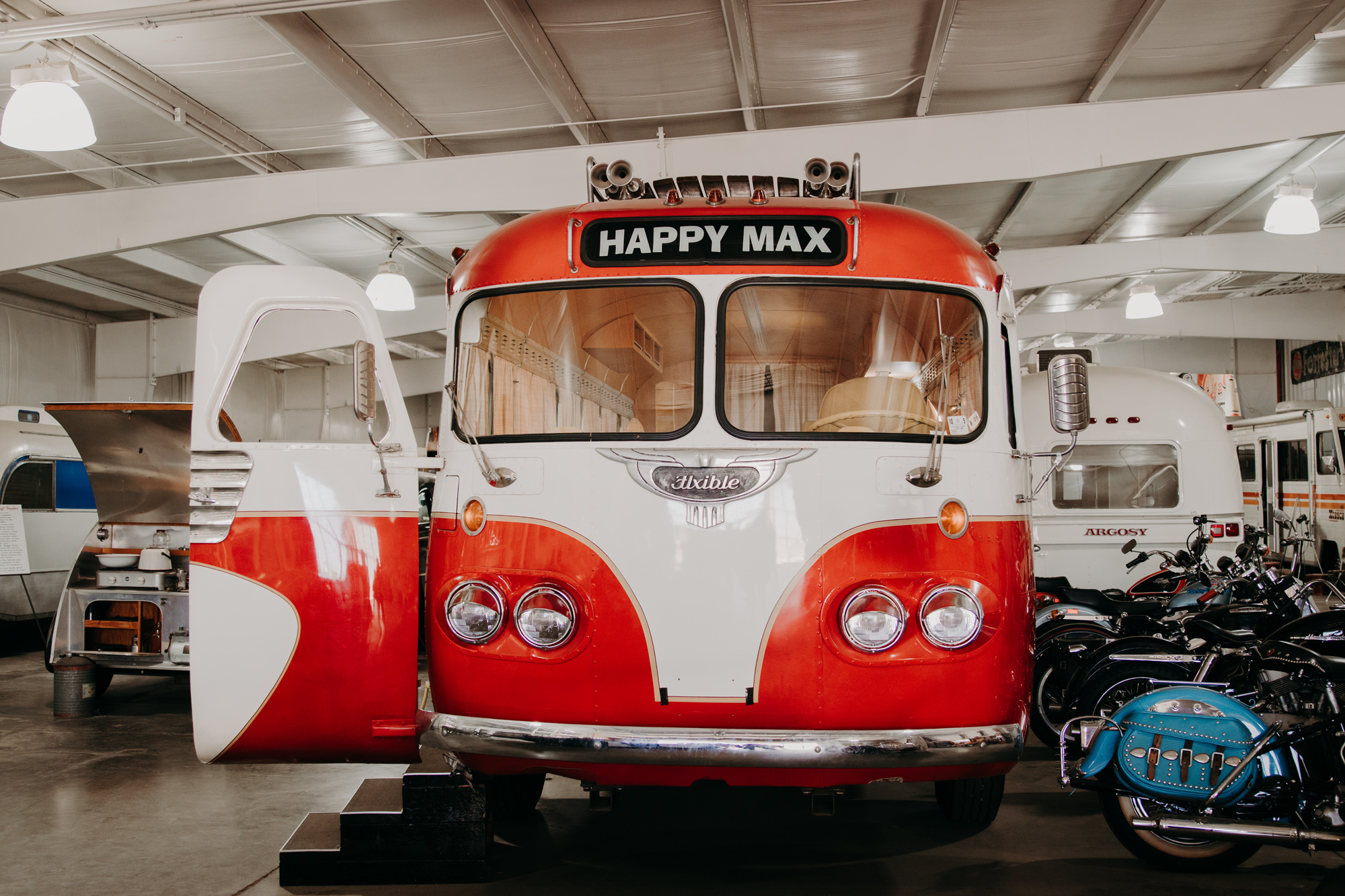
Whizzing down Interstate 27 between Amarillo and Canyon, one could miss the unassuming metal building exterior of the Jack Sisemore RV Museum. But once inside, visitors will find a vintage delight. This makeshift, indoor neighborhood of polished aluminum trailers, brightly colored campers, and wood-paneled motor homes delivers a time capsule of American road trips, complete with avocado-green kitchenettes and vintage coffee tins on tiny shelves. The nostalgia is extremely real. It’s also a little bit of an accident.
“It just got a life of its own,” says Trent Sisemore, a former Amarillo mayor who co-owns the museum with his father, Jack. “We didn’t really try. It just happened.”

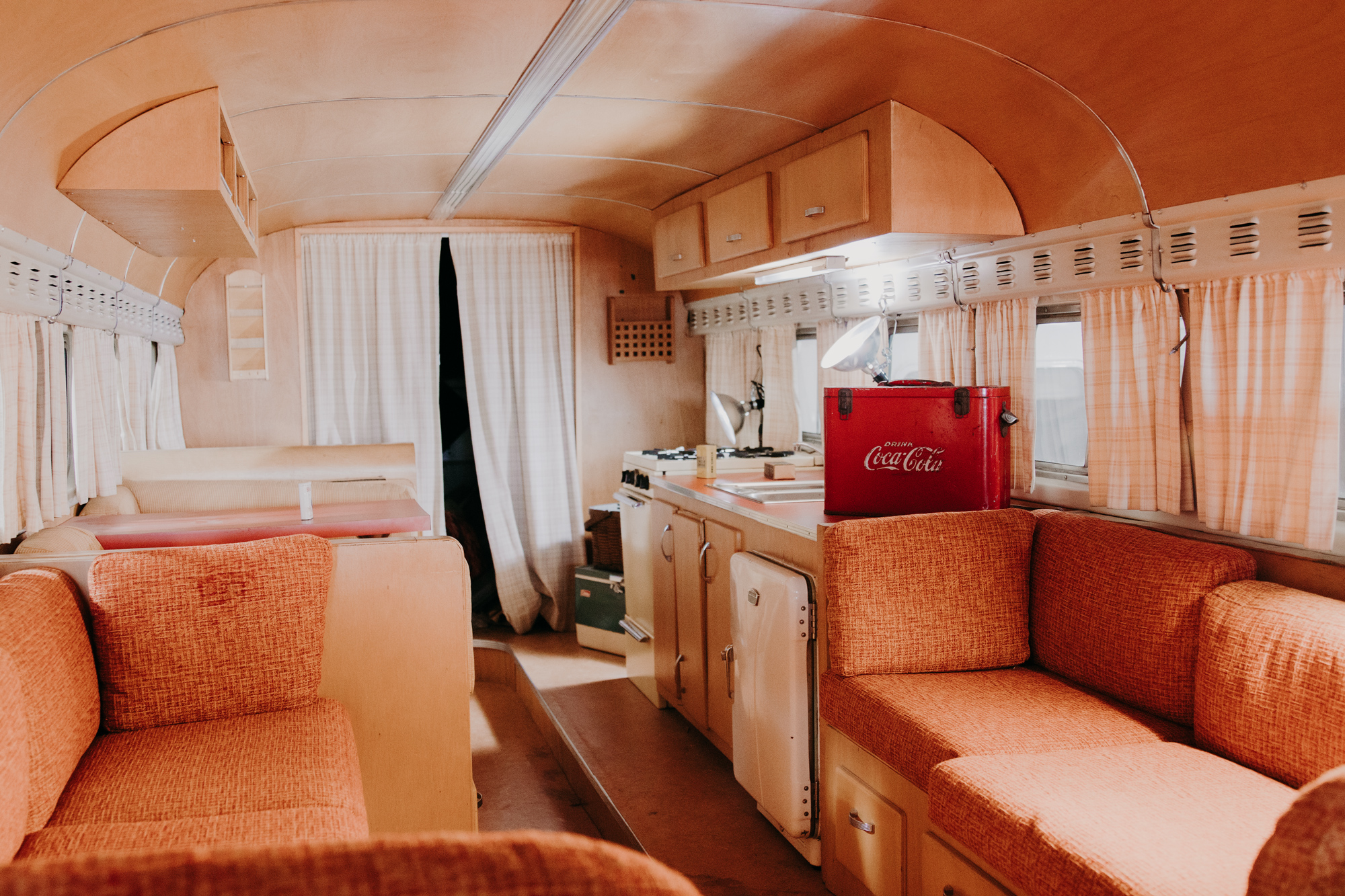
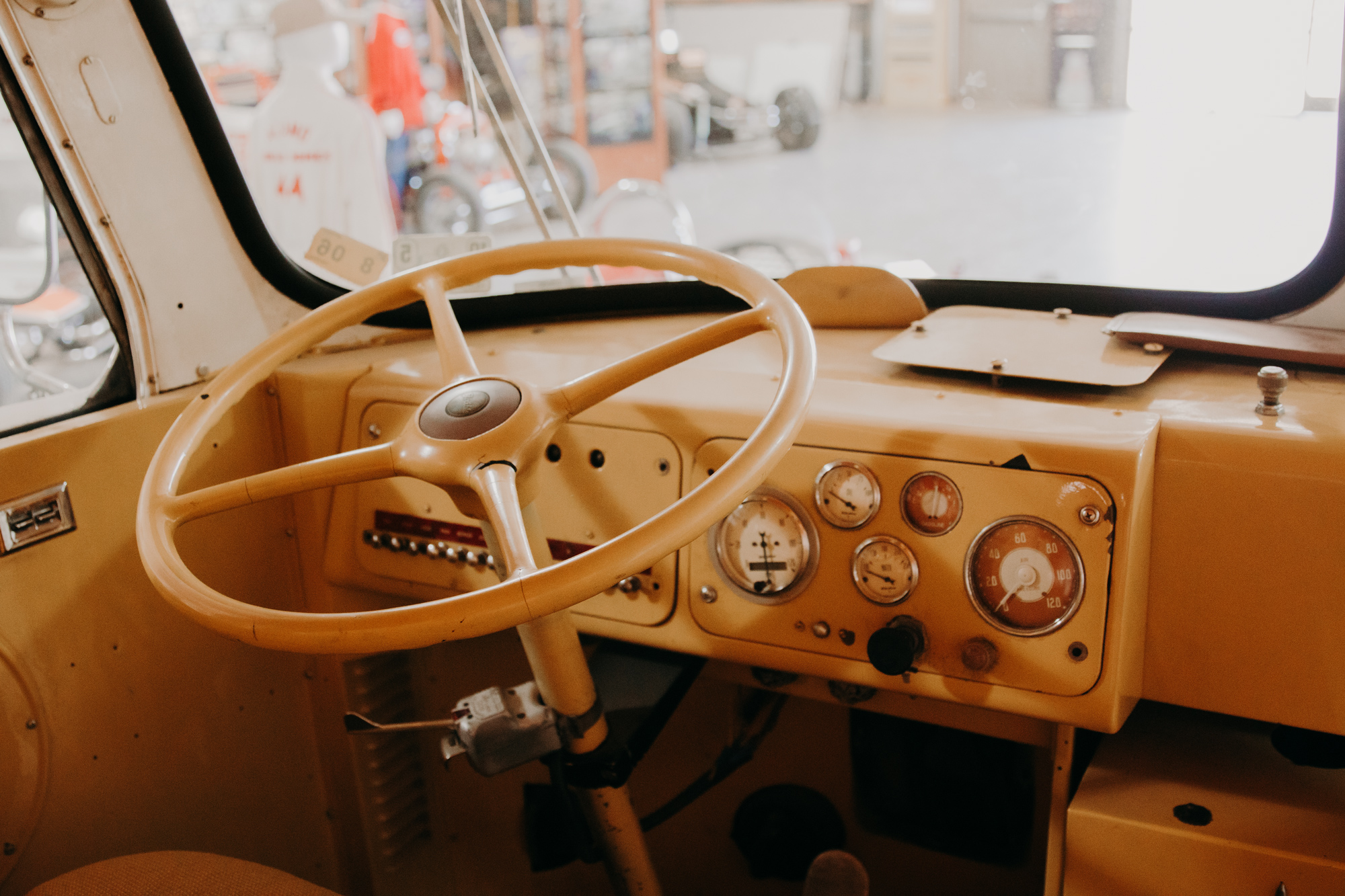
The Sisemore name was already synonymous with recreational vehicle culture when the museum opened in the late 1990s. Amarillo’s Jack Sisemore Traveland had become a major force in the RV market in the 1980s, and the family leveraged decades of retail experience to help cofound Keystone RV Company in 1996, which grew into an industry powerhouse. Meanwhile, the father-and-son duo began collecting vintage campers and trailers, sensing they might someday become scarce. They started with a 1946 Kit Manufacturing “Teardrop,” which they restored and took to RV shows. When they learned of something unusual, they would buy it or trade for it, restoring the vehicles in a metal barn behind the dealership.
“People started asking to see them,” Trent says of the vintage collection. “We would let them go out and wander through the barn while waiting for their RVs to be repaired.”
Then those customers started coming back, often with friends in tow. Around 2008, the duo decided to convert their collection into a small museum. Without advertising, the back-of-the-lot destination eventually drew 100 visitors a day from all over the world.
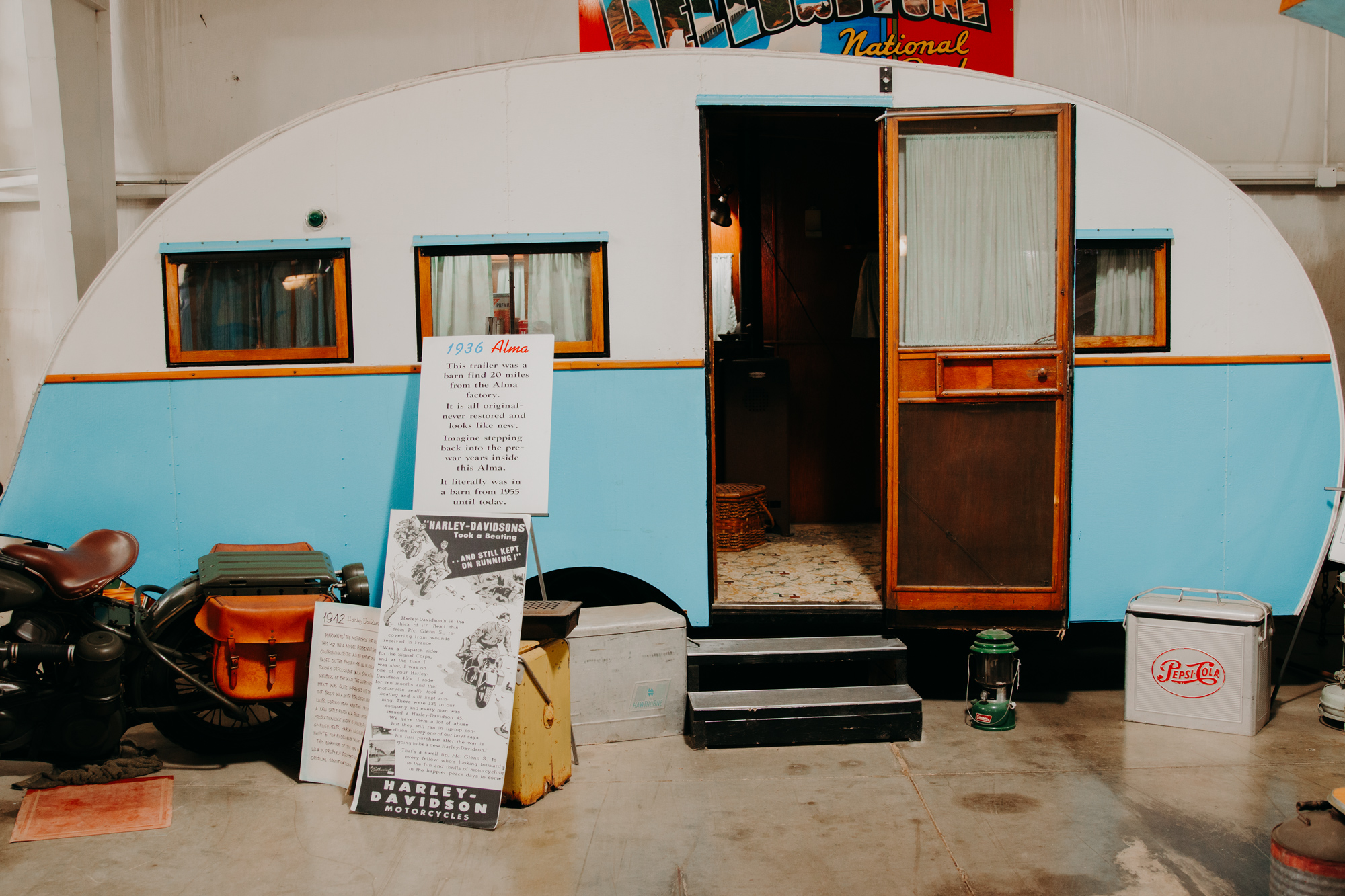
In 2017, Jack and Trent sold the dealership to Camping World, though the museum wasn’t part of the deal. Eventually, Jack and Trent moved the museum into an RV storage facility they owned south of the city. “There were no hard feelings,” Trent says.
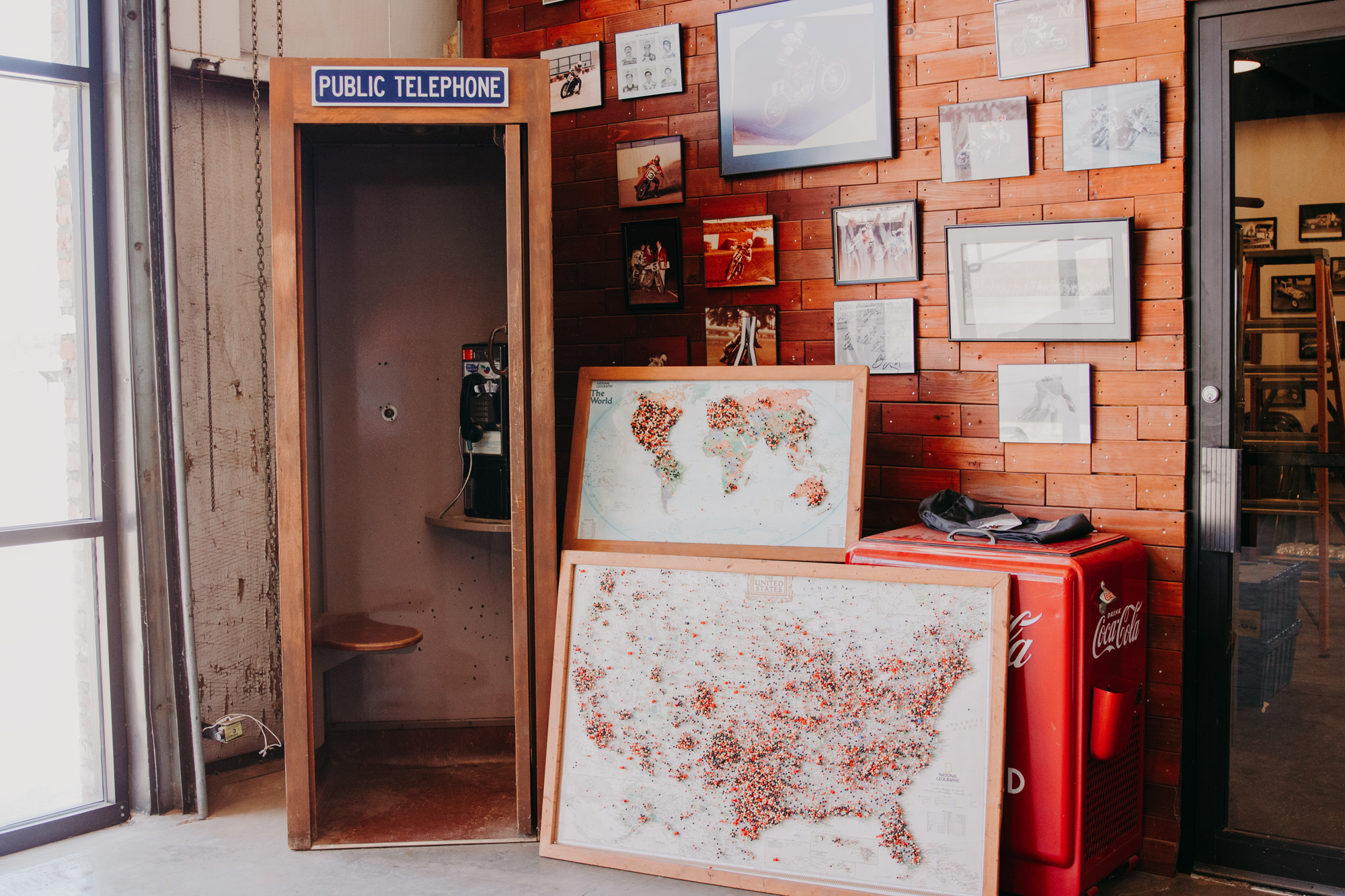
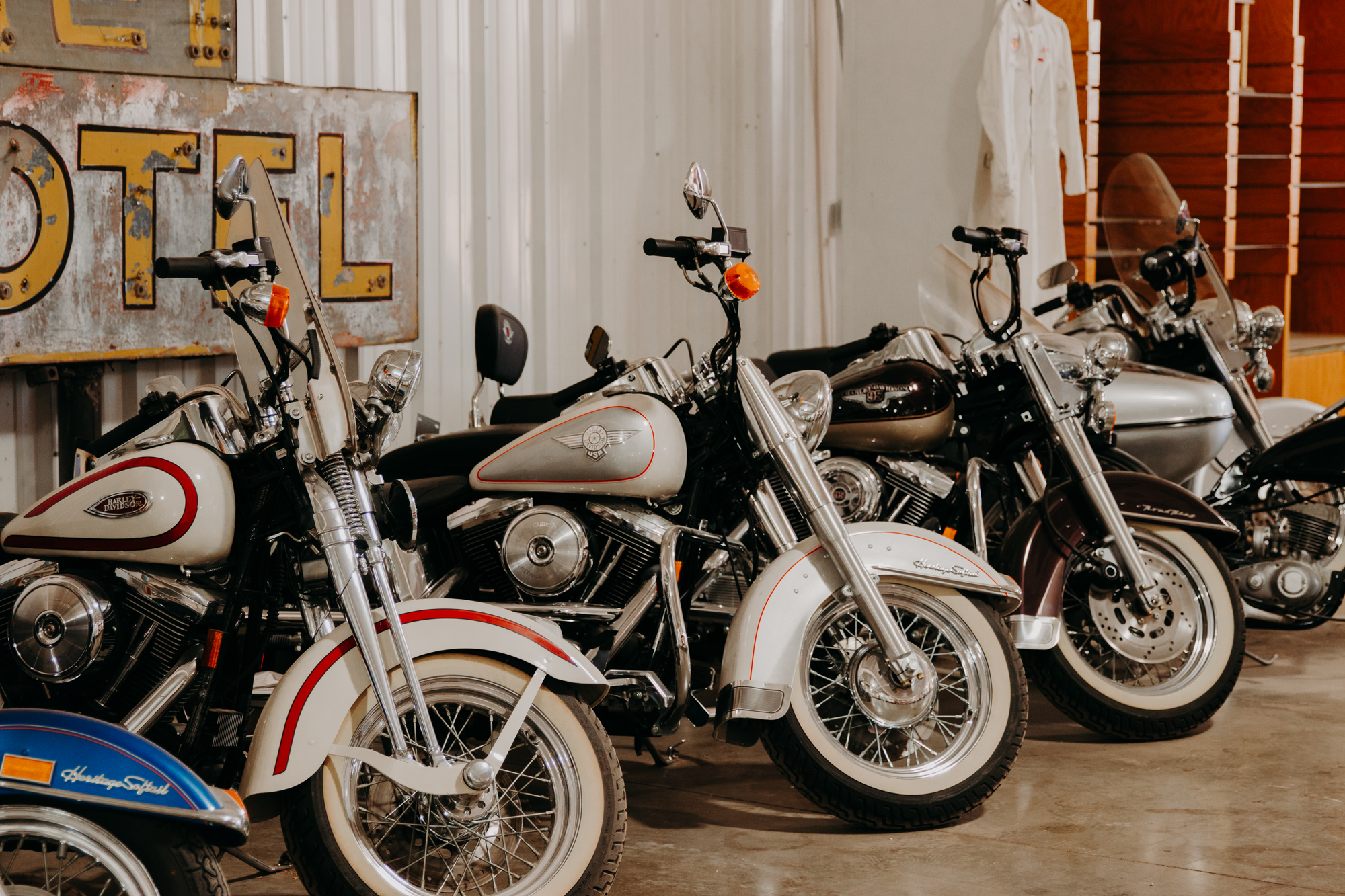
The 18,000 square-foot facility gave them room to expand beyond RVs. On display today are vintage motorcycles, race cars, Route 66 memorabilia, and neon signs.
“It’s not just an RV museum,” Trent says. “It’s the open road.”
But the RVs remain the primary draw thanks to an immersive approach. Trent wasn’t interested in a do-not-touch atmosphere. “It’s hard to enjoy something sitting on a shelf,” he says. Visitors are encouraged to walk inside most of the vintage vehicles, whose interiors are staged with period-appropriate items, ranging from saltine tins to board games.
Trent’s favorite piece is “Happy Max,” the actual cherry-red 1948 Flxible Clipper that served as the main character in the 2006 Robin Williams film RV. Alongside 1970s-era Winnebago and Itasca models, another vehicle draws considerable attention: a pristine 1935 Airstream Torpedo, the world’s oldest existing Airstream trailer.
“Airstream aficionados really come just to see that,” Trent says.
The RV museum shares the building with the Amarillo Motorsports Hall of Fame and Museum, a longtime partner, which handles volunteer staffing and operations in exchange for the space. Due to I-27 construction, most maps recommend entering from behind the museum on Garrison Street, or through an open chain-link gate facing the highway. Look for the big Sisemore sign outside the doors, which are open Thursday through Saturday. Tours are self-guided but explanatory signage is plentiful.
The Sisemores still don’t charge admission. “It’s not about us,” Trent says. “Just people getting to enjoy it.”