
In July of 1975, local Texas newspapers published blow-by-blow accounts of the Apollo-Soyuz Mission. There were headlines on the partnership drafted between space rivals the Soviet Union and the U.S., the launch of Apollo and its successful docking with the Soviet spacecraft Soyuz, their two-day conjoined orbit, the congratulatory phone calls from President Gerald Ford and the Soviet Leader Leonid Brezhnev, the near-calamitous splashdown, and of course—the broadcasted handshake that ended the Space Race.
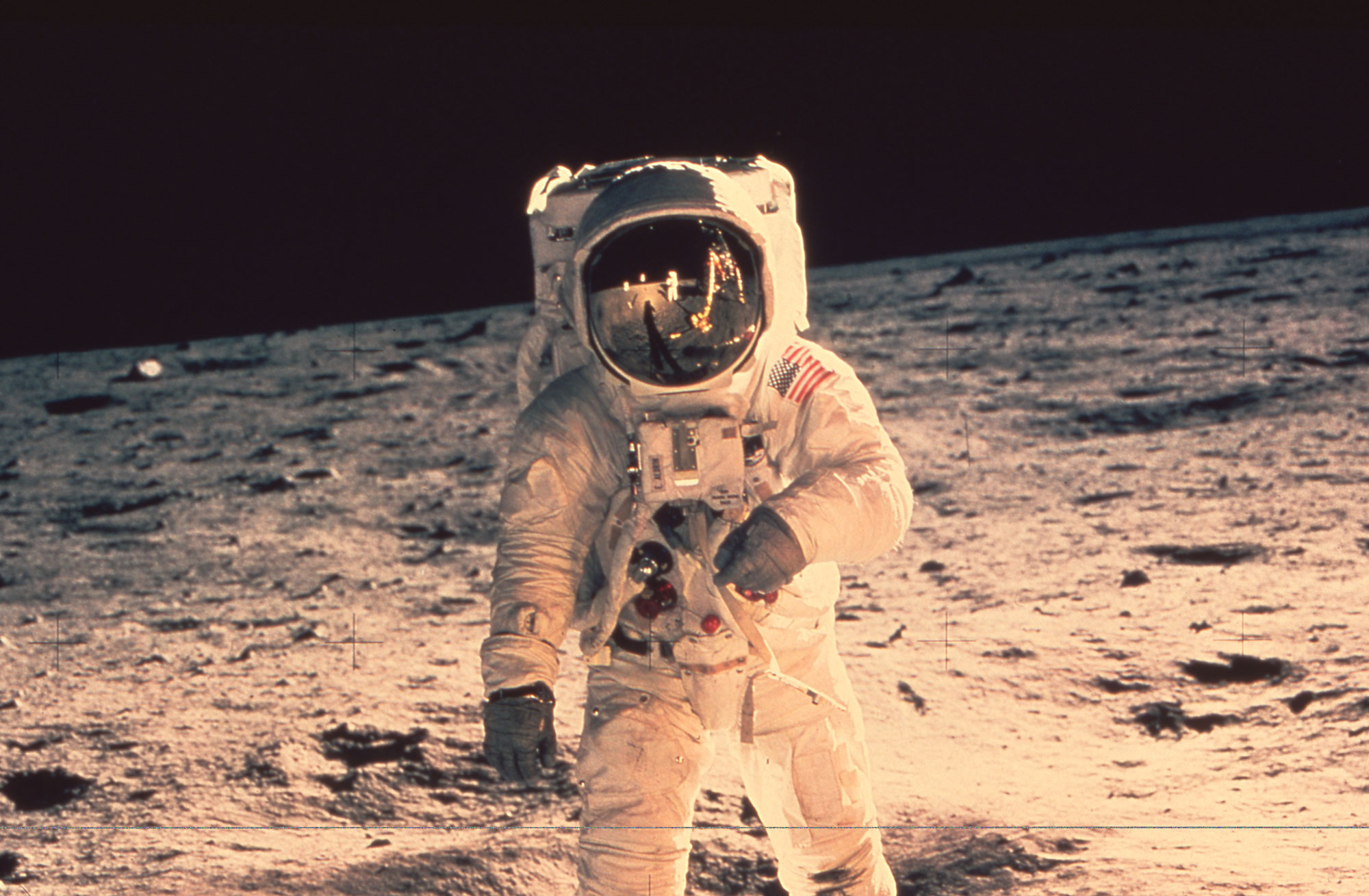
Some Americans believe that the Space Race, an era that lasted nearly two decades during which the U.S. sought to outstrip Soviet advances in space, ended when the Apollo 11 Mission put the first man on the moon in 1969. But the international tension that fueled the competition continued. The Cold War, an arms race and nuclear standoff between the Soviet Union and the U.S., persisted for decades after the moon landing. The Apollo-Soyuz Mission symbolically united, briefly, the two powers. This collaboration laid the groundwork for further space exploration and cornerstones, like the development of the International Space Station in 1998.

This year marks 50 years since tensions eased on Earth and the Space Race concluded. In that time, the U.S. has launched the Voyager mission, developed the James Webb Space Telescope, and created the International Space Station, which was formed in collaboration with the Soviets in 1998. Much of this might not have happened without the Texas-based astronauts and NASA workers, traces of whom still reside in the surrounding Houston area today.
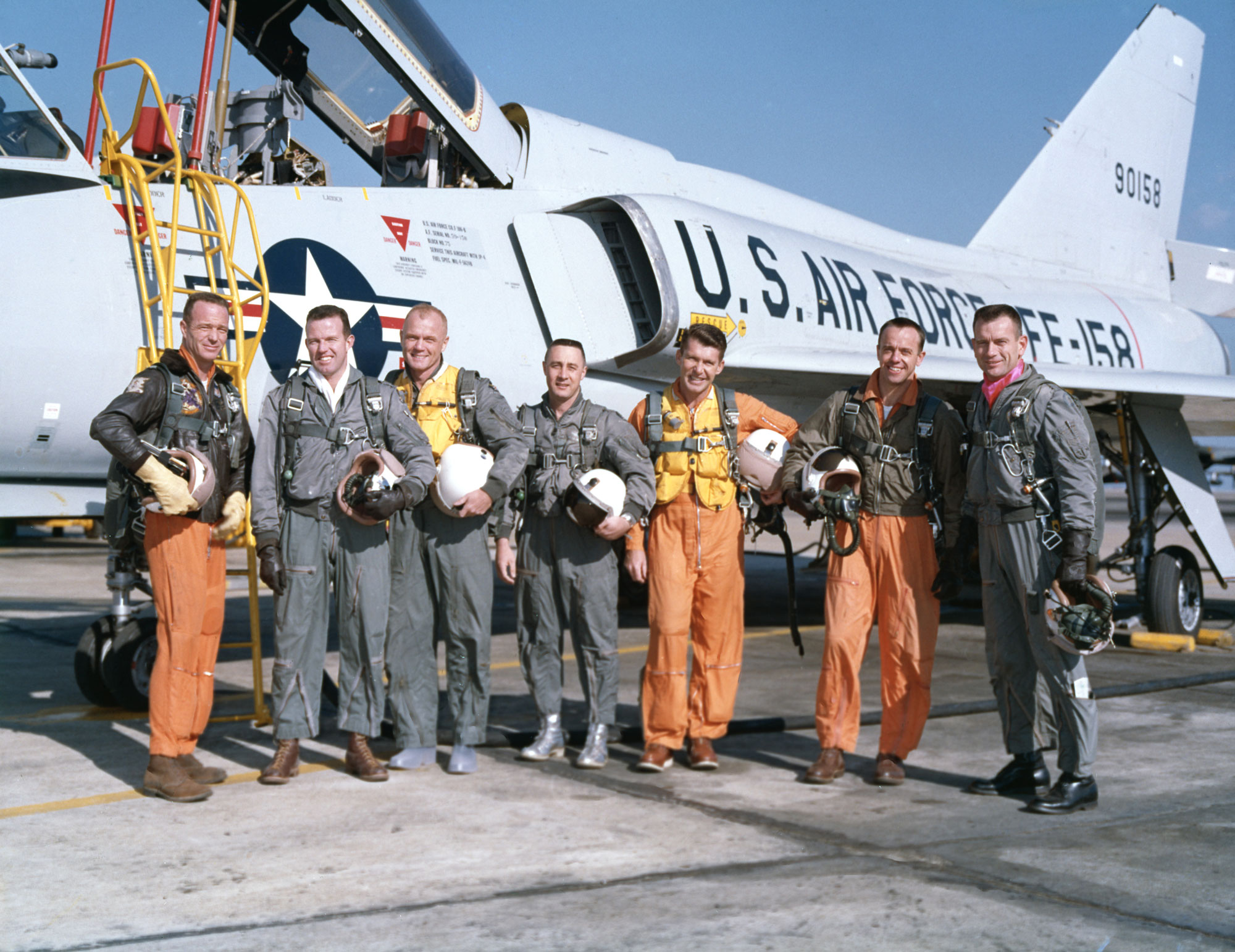
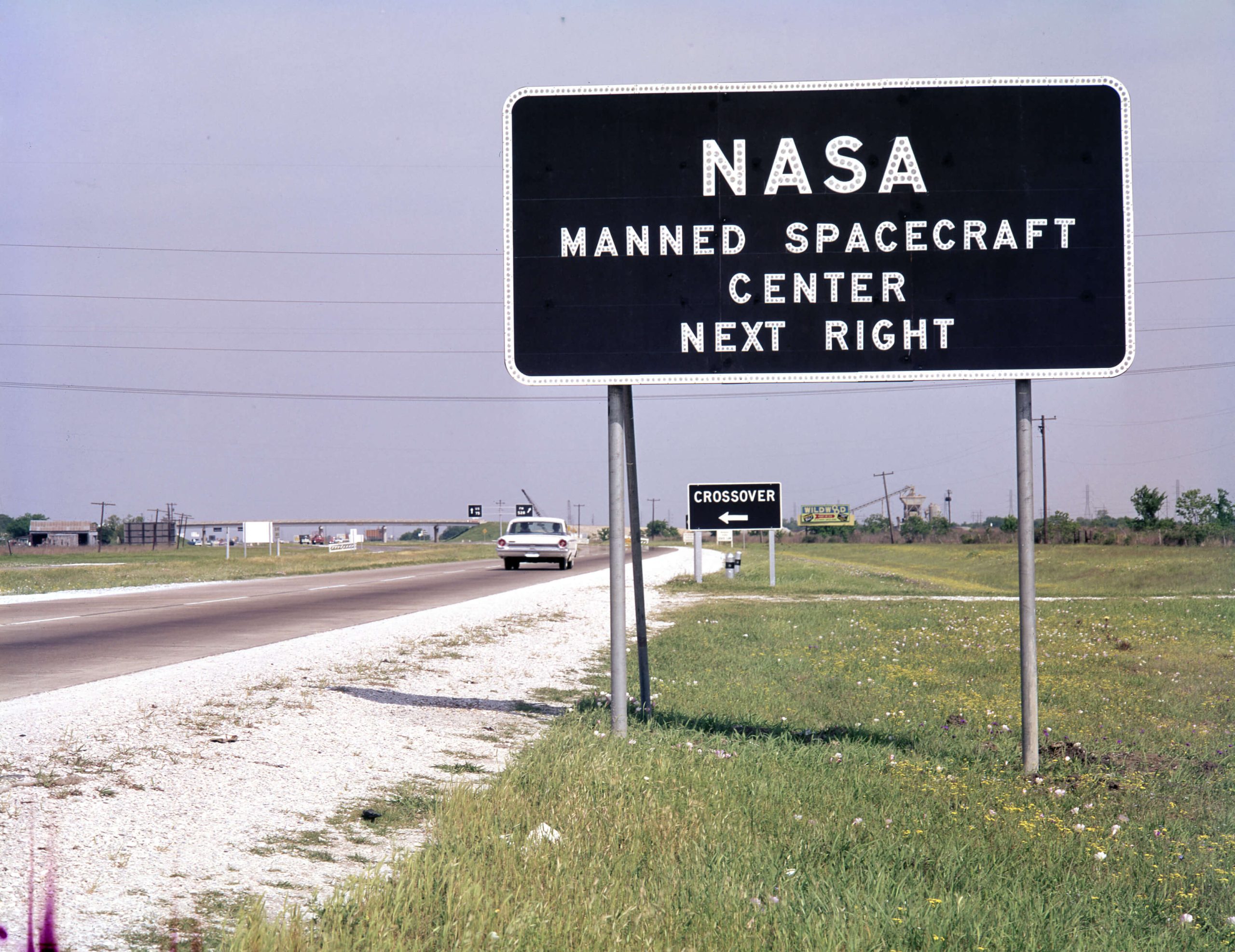
When the 1961 national mandate drove a slew of families to find houses near the then-new Manned Spacecraft Center, now NASA’s Johnson Space Center in Houston, underpopulated developments in El Lago and Timber Cove became thriving residential areas. The astronauts traveled as a group to tour houses, eventually signing contracts nearby one another. That’s how astronauts Wally Shirra and Gus Grissom and Scott Carpenter and John Glenn became next-door neighbors. Nassau Bay, which borders the space center, transformed from ranch land to an incorporated city bustling with workers eager to win the Space Race.
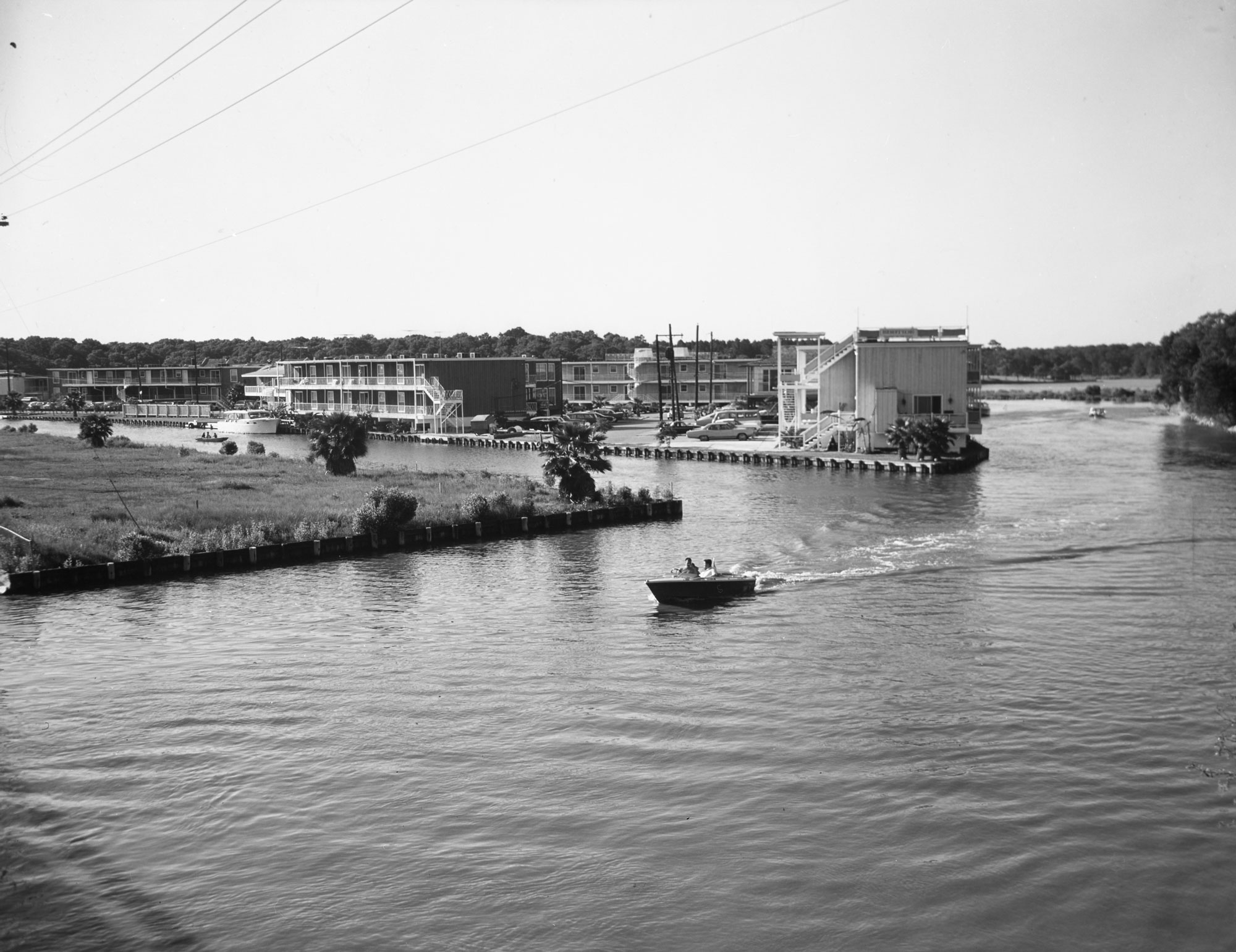
About two decades into the Space Race, Nassau Bay served as a sister city to Star City in Russia, hosting cosmonauts, the then-Soviet astronauts, during the Apollo-Soyuz mission. Cultures intertwined when Nassau Bay hosted festivals with Russian food and dancers. Despite the Cold War feud, Ann Davidson, Nassau Bay’s former city historian, says the neighborhood welcomed the cosmonauts. “Houston has always been the melting pot of the Southwest,” she says. “Houston is kind of a unique city where I don’t think people think about prejudices as much as they do in a lot of other places.”
The NASA neighborhoods also housed the employees who manned and outfitted spacecrafts involved in the Apollo-Soyuz Mission. Among the over 40 astronauts who have lived in El Lago were two of the Apollo-Soyuz astronauts: Thomas Stafford and Vance Brand. One of Timber Cove’s prominent residents, Jack Kinzler, helped to design the docking mechanism that linked the American and Soviet crafts during the Apollo-Soyuz Mission.
Kinzler’s son, James, recalls his father’s challenge of convincing the Soviet and U.S. engineers to agree on the docking mechanism’s design. Known as NASA’s “Mr. Fix-it,” Kinzler also assisted in creating a combination plaque for the mission—each half representing one of the two countries. The astronauts and cosmonauts symbolically joined the plaque while orbiting. “Little did I know that it would be a relatively big deal in the history of the space program and the history of the world, where it ties Russia and the U.S. to doing something cooperatively,” James says.
Although the astronauts concluded conflicts on an international scale, it was the daily, domestic sites that journalists sought to capture. They flocked to the neighborhoods where astronauts’ families wished on the stars for safe returns. After all, the NASA neighborhoods staffed the real ground crew for the Apollo missions. Fifty years after the final Apollo’s return, locals in these areas—Timber Cover, El Lago and Nassau Bay—still cultivate traditions of the Space Race.
For their 50th anniversary in 2007, Timber Cove commissioned a neighborhood-themed decal, modeled after astronaut’s mission patches. The emblem permanently decorates the square, as well as identifies the former homes of some famous astronauts. It’s even rumored that one proud Timber Cove astronaut snuck his fabric patch aboard a space shuttle flight with him.
Visitors can also find traces of history at the Astronaut Hall of Fame, where dozens of astronaut portraits line the walls. Or, they can follow in the footsteps first left on the moon by tracing the route between former astronaut houses, such as that of Neil Armstrong. Additionally, in Nassau Bay, a new dog park named Apollo 11 is dotted with QR codes that link to photographs of astronauts with their own pets. Moon trees, planted from seeds that traveled to the moon before their submersion in Earth, shade the nearby David Braun Park, as well as parks in other neighboring NASA communities.
Perhaps most unique, Timber Cove residents still swim in a pool designed in the shape of a Mercury space capsule. When the astronauts arrived, they pooled their resources to buy shares in a local swimming pool, which they constructed and upkept. Legend attests that astronaut Scott Carpenter even taught kids how to dive there. Although the numerous splashdown parties, where communities celebrated the spacecraft landings, have retired, the Timber Cove Dolphins swim team practice in the capsule shaped pool endures.
Growing up in Timber Cove during the Space Race, James recalls it was “It was ever present that there were astronauts. From my house, I could look down the street there were two and around the corner by the cul de sac were two more.” He says the neighborhood today feels more the same than not with several residents still working for NASA or flying with SpaceX.
Space culture still saturates the neighborhood’s signs and seasons. Every Christmas Eve, residents of several space cities, including Timber Cove and El Lago, gather to light luminaries and sing Christmas Carols, commemorating the holiday eve when they sought to signal James Lovell while he orbited the moon in 1968.
The neighborhoods don’t only celebrate space victories, though. McNair Memorial Park in El Lago commemorates astronaut Ronald McNair, who perished in the Space Shuttle Challenger launch. The Johnson Space Center Astronaut Memorial Grove cultivates life in remembrance of lives lost. A memorial plaque on the Timber Cove esplanade solemnly lists the names of resident astronauts who perished during space missions. Shaded by the Texas and American flags at the memorial’s head, it reads, “Now They Belong to the Heavens.”
Even amidst tragedies, the Timber Cove neighborhood has retained the tight-knit community and excitement of the Space Race days. Deborah Griffin, who compiled the neighborhood’s archive, says the suburb was in the “right time, right place in history to have a moment.” Its moment—its relevance to the NASA community and to history itself– could have ended when Apollo won the race to the moon, but it didn’t. “People in this neighborhood felt such a deep ownership of the neighborhood and of its traditions,” she says, “they just keep stepping up.”