
Nitia Musico recalls the moment she realized that she and her husband, Mike, made the right decision to move from Dallas to Denison more than a decade ago. While walking downtown one night just after they settled there, she could see the stress slide off of him.
Everything they needed was within walking distance. Mostly, though, their new hometown gave them a renewed sense of connection. They talked to their neighbors more than they ever did in Dallas and could stroll two doors down for a glass of wine with friends.
“People, I think, want that again,” she says.

Pick any small town in Texas and chances are you’ll find a Main Street that has served as the heart and soul of a community. Since the 1980s, the Texas Main Street Program has worked to revitalize the downtown districts by helping local communities restore their historical structures and invest in their business owners like Musico.
In 2013, Musico moved her upholstery business into a shop on Denison’s Main Street. In the back, her business was thriving. The storefront, however, was not driving sales. Before a Halloween Festival, she made a window display with monsters she stitched together using scraps of fabric, something she did as a kid when she first learned to sew. She didn’t sell many monsters that first night, but the second year, the monster project “took off,” she says. “It went crazy.”
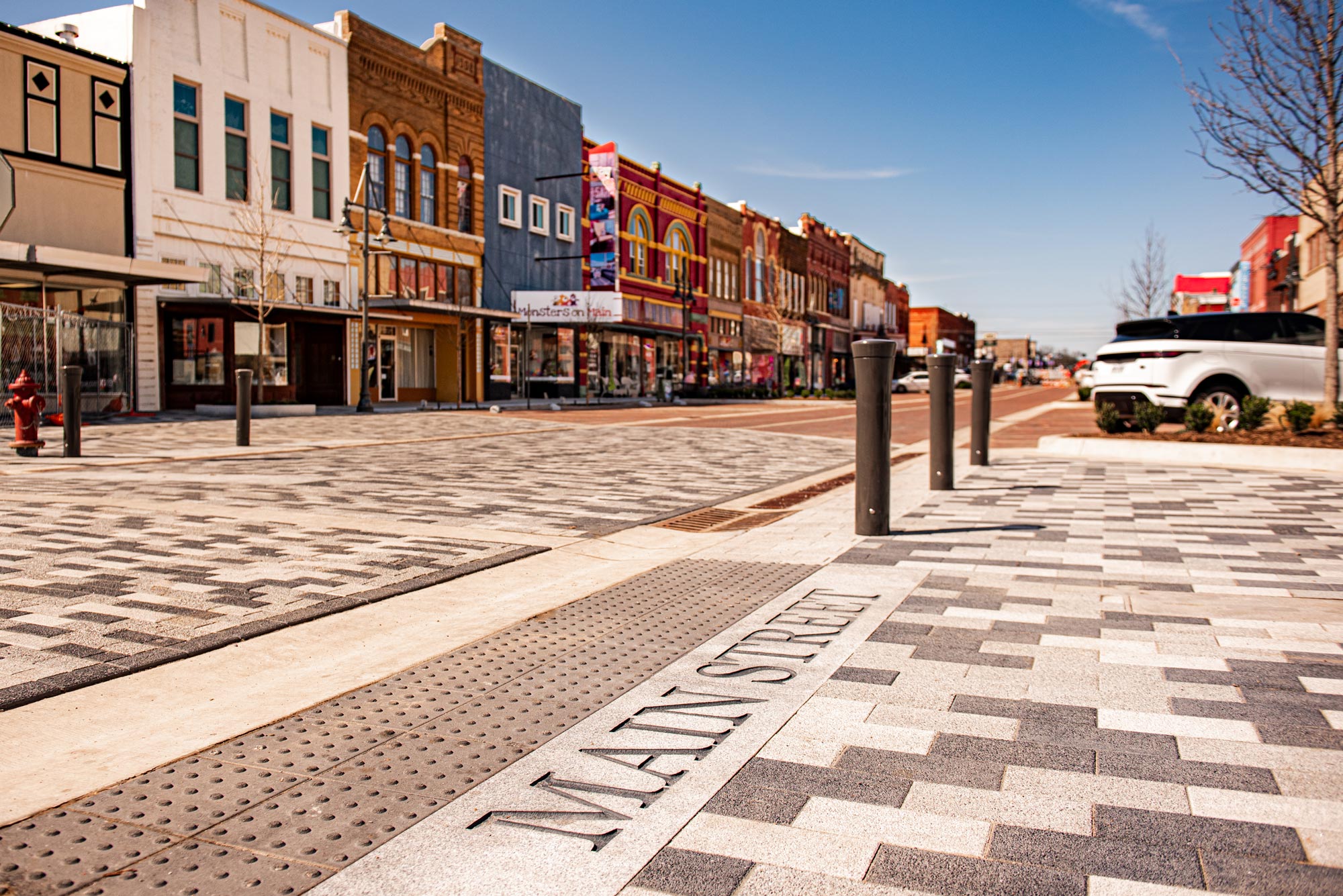
At a weeklong bootcamp funded by Downtown Denison and Denison Main Street, a member of Texas Main Street since 1989, Musico was tasked with figuring out what works for her brick-and-mortar business and to focus on that. Rugs and More turned into Monsters on Main, where she has an entire shop of her stitched creations.
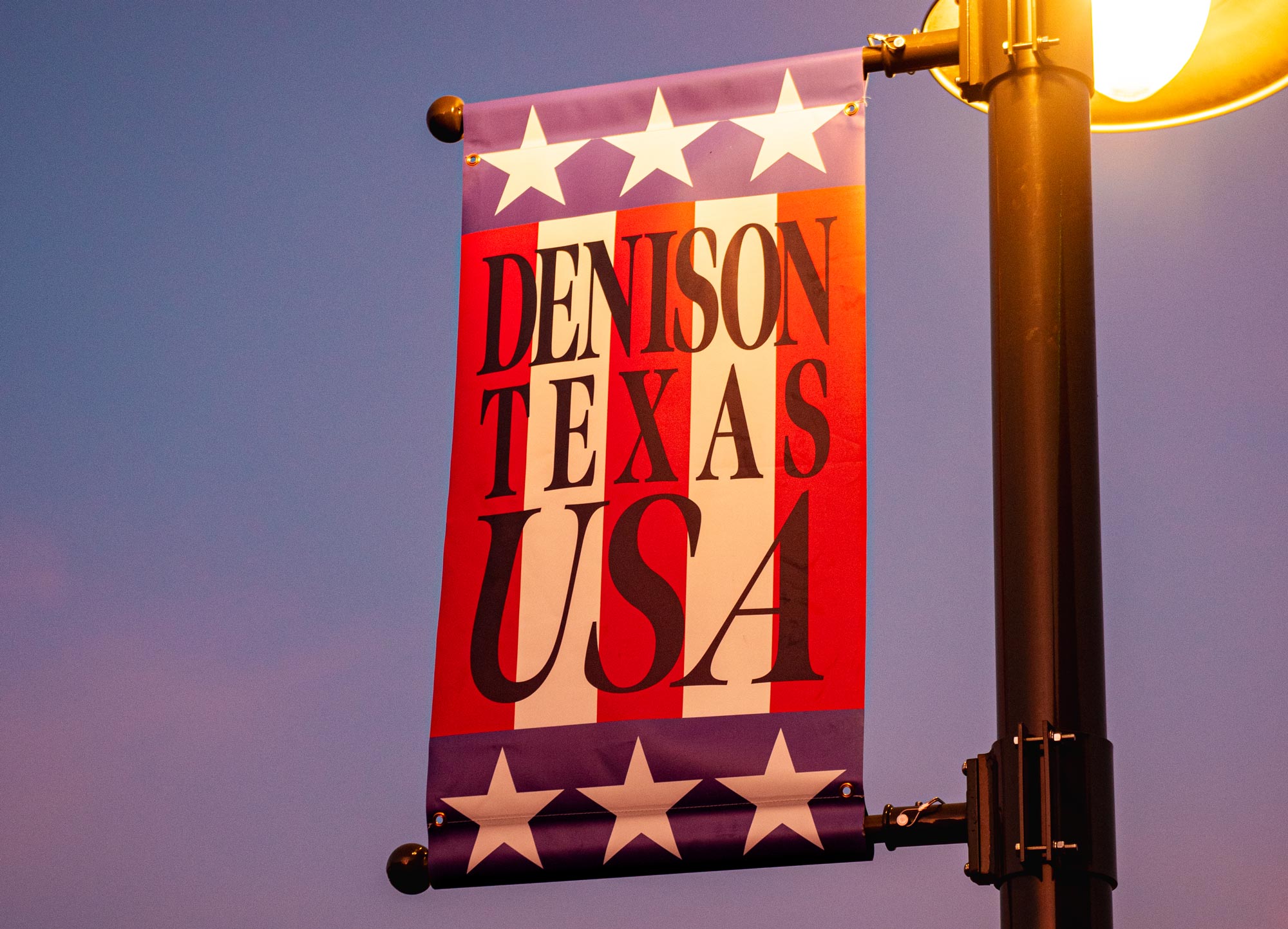
Downtown Denison spans seven and a half blocks—the state’s longest Main Street district—with buildings that are a mix of old and new. Barrett’s Drugs, which had its heyday in the 1950s, is now a storage facility but still bears the family’s name and has lighted signs that advertise luggage and radios. The building next to it, housing the Venue on Main, dates back to 1889. Down the street, a restaurant that’s been open for just over a year serves a dinner plate-sized chicken-fried steak.
Former Texas Historical Commissioner Anice Reed brought the Main Street program to the state in 1980 when the national concept was just taking off. Many downtown areas that popped up around railroad stations in the 19th century began declining over time as big box stores opened and residents moved to the suburbs.
“Each Main Street district tells a unique story of industry, growth, and resilience,” says Amy Hammons, Texas Main Street program coordinator. “The histories of these communities were shaped by the same forces that shaped Texas and national change, including the evolution of rail, petroleum, and agriculture.”
There are 85 communities in the program, and some of them have had the designation for decades. It’s operated by the Texas Historical Commission and mostly funded locally. In total, participants have reported more than $5 billion in reinvestment, half of which was from private investment in those districts.
The end goal for Denison is something most cities are attempting with their historical downtown areas: a trip down memory lane with modern flair.
Denison struggled to find its identity after the Union Pacific’s Katy headquarters left in 1988. The city applied that year to be part of the Texas Main Street Program. It took another year before Denison was accredited, a yearly process that requires filing a lengthy report, logging volunteer hours, and showing reinvestment in the community.
After the city spent several years planning a complete overhaul of its downtown streetscape, crews got to work in 2021 by ripping up Main Street and installing historical red brick. At one point, they found wooden utility pipes and train tracks from the old Interurban Rail Line under the asphalt that ran from Denison to Sherman. Once Main Street is paved over again, there will be more parking and all streets will be curbless, making a seamless transition to sidewalks.
Last year, the city won the Great American Main Street Award, which is given by Main Street America, a national organization. The accolade is given to communities that show a commitment to historical preservation and are able to serve as a model for other downtown areas that need to be revitalized. The award, a one-time designation, comes with a plaque, short documentary film, and public relations support.
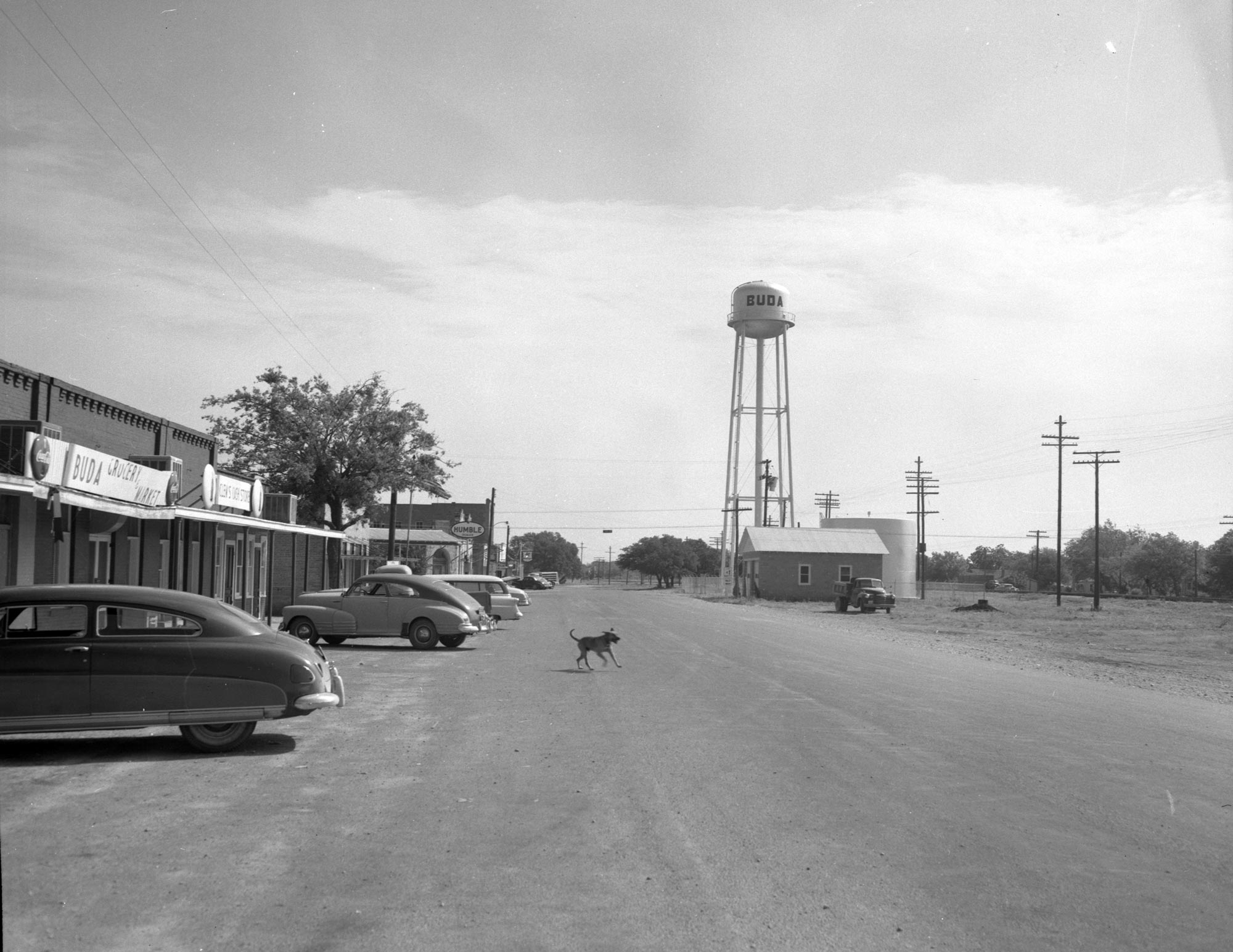
Camaraderie among businesses occurs on Main Streets in towns across the state. The program has added 12,000 small businesses in its four decades.
“The small businesses are the backbone of our community,” says Monica Ramos, executive director for Downtown San Angelo Inc. “These are local citizens that have lived here, that invested their time and energy here.”
San Angelo has been part of the Main Street program since 2005, but the city has housed a retail area since just after the Civil War when Fort Concho was established.
In 1992, the American Institute of Architects’ Regional/Urban Design Assistance Team helped the city come up with a plan to revitalize its downtown. The R/UDAT plan was “ahead of its time,” Ramos says, and within three to five years, there was a farmer’s market and Celebration Bridge to connect downtown with the cultural arts district. The plan helped San Angelo implement Main Street concepts before it was part of the program, Ramos says, so now it can continue with other projects to bring in tourists and increase quality of life for residents.
Like Denison, San Angelo is also amid a street renovation that will lead to wider sidewalks, benches, new landscaping, and street lighting. An old firehouse was just revamped and the Roosevelt Hotel was converted into lofts.
“It shows that you can still have a modern contemporary look to your business and also keep the historic preservation side as well,” Ramos says.
San Angelo hosted the Texas Main Street Retreat a couple of years ago. The annual event is a time for Main Street directors to swap ideas and share solutions. It’s a boon for the host city, Ramos says, because there are several fresh eyes on downtown.
In Cuero, about two hours southeast of San Antonio, Main Street Director Sandra Tague Osman knows how to balance preservation and modernization. Two 50-year-old buildings are set for demolition to make way for a downtown parking lot. But nearby, there are two other buildings that are being restored to their former glory.
And on East Main Street, there’s the Pharmacy and Medical Museum of Texas. Joe Ruess, who was a fourth-generation pharmacist in Cuero, opened the museum in an 1889 building and filled it with equipment he’d collected from his family and other pharmacies in the area.
Amber Fitts-Jones, who manages the museum and helped its late founder renovate the building, says she feels like she is transported back in time every day at work.
“You can feel the people there still,” she says. “It’s not like you’re feeling ghosts, but you can feel people’s presence there. You can feel what they poured their heart into.”
Perhaps Nitia Musico is on to something when she says people want to feel connected to their neighbors again. And if anything can connect a community, it’s honoring its past and future potential.