
Before submarine-size smokers stacked with prime briskets and dino ribs became synonymous with Texas cuisine, there was barbacoa. An Indigenous cooking technique for smoking whole animals in underground pits, barbacoa dates back to pre-Columbian times in the Caribbean. After eventually making its way to the rodeos and cattle-branding picnics of Hidalgo, Mexico, by 1840, vaqueros carried the tradition to Texas.
There, discarded cuts such as cows’ heads wrapped in maguey leaves were transformed into a delicacy of moist chopped meat. Today, pitmasters like Brandon Hurtado of Arlington’s Hurtado Barbecue are further preserving the custom by acclimating to the times—and much more stringent regulatory oversight—giving the Sunday specialty a platform for a new generation of Texans.
Like at his eponymous restaurant, Hurtado has made the dish the focal point of his first cookbook, Barbacoa: The Heart of Tex-Mex Barbecue, released in April. Due to the legal and practical challenges of the original in-ground pit method—currently only available at Vera’s Backyard Bar-B-Que in Brownsville, which was grandfathered into older health code compliance—Hurtado’s book contains modern adaptations to achieve comparable results. For example, readers will find a recipe for beef cheeks on a bed of creamy esquites velouté, inspired by a dish Hurtado prepared for Yellowstone creator Taylor Sheridan at his ranch house in Weatherford. There are also entries like his brisket barbacoa tacos that involve slow-smoked mohawks—the flap off the top of a brisket—rubbed down with mustard, chili powder, and cumin.

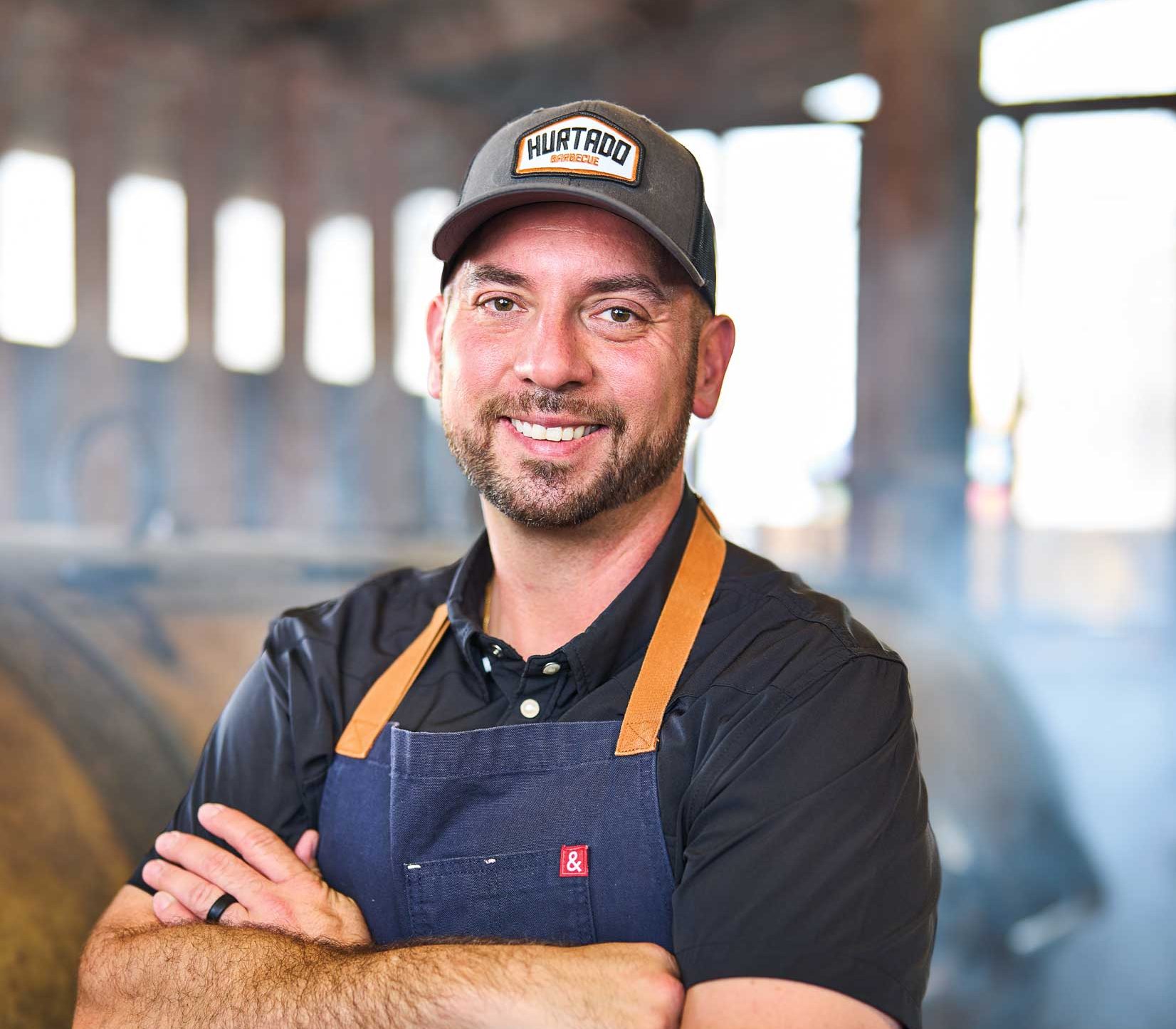
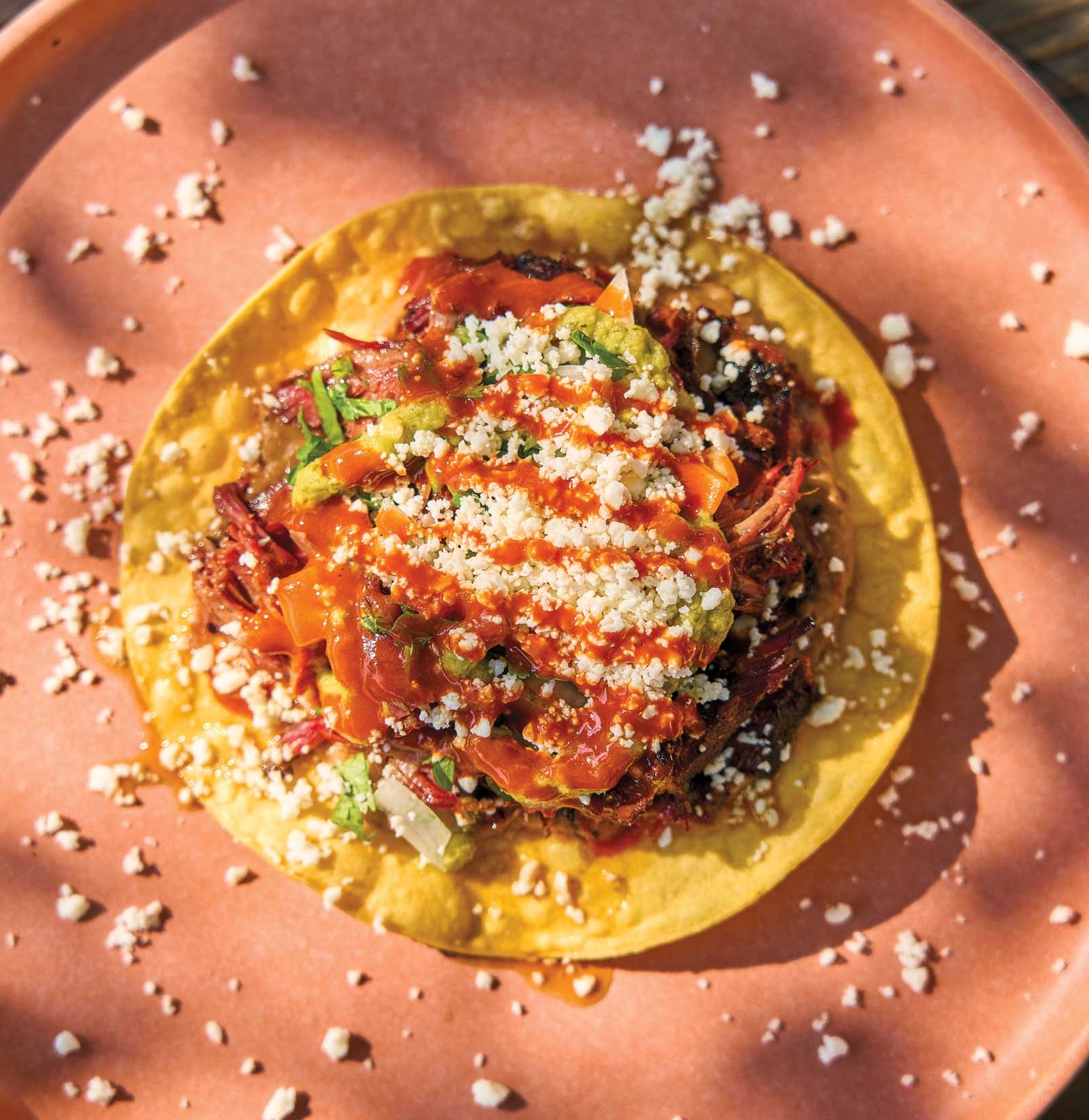
It’s easy to see why Hurtado has such an affinity for the cooking style, as it was a barbacoa tostada that helped put him on the map. After opening his first brick and mortar restaurant in 2020, the pandemic struck and disrupted most of his local sourcing for meat. Faced with a brisket shortage, Hurtado turned to beef cheeks, which he smoked, braised in Big Red soda, and layered on a crispy tostada swiped with refried beans. Texas Monthly barbecue editor Daniel Vaughn quickly took notice and listed it among his favorite bites of the year. Today, the dish has become such a hit at Hurtado’s four North Texas restaurants (including Dallas, Fort Worth, and Mansfield), that he recently expanded the Sunday-only offering to a full weekend, with some locations going through 50 pounds a day.
“That dish means a lot to me,” Hurtado says. “When we started doing it, it just grew legs, and it helped us gain recognition among other barbecue joints. We were the only place doing it in North Texas, maybe in the state, at the time.”
Like Hurtado’s varied approach to barbacoa, today’s practitioners are implementing a number of different cooking approaches—steaming, braising, and slow-smoking—and incorporating a more comprehensive collection of proteins, including lamb, goat, and even turkey. Arnulfo “Trey” Sánchez, co-owner of Vaqueros Texas Bar-B-Que in Allen, playfully suggests that if the old vaqueros had access to custom tools like his 2,000-gallon offset smokers painted like Huehueteotl, the Aztec god of fire, they never would’ve gone through the trouble of digging a pit.
As a second-generation barbacoyero—a person who prepares barbacoa—Sánchez combines traditional Texas barbecue with regional Mexican touches, an approach he honed working for 30 years at his father’s catering business and bygone East Dallas restaurant, Arnold’s Texas Bar-B-Q. Utilizing the more flavorful cheek and tongue cuts of the cow, he serves it by the pound on Sundays or in tacos Tlaquepaque on most Tuesdays. The latter, inspired by recollections of his grandmother’s home cooking, come draped in a smoky, slightly sweet salsa prepared with chiles and coffee.
“The element that Texas brings to barbacoa is the smoke,” Sánchez says. “It’s just a perfect blend with the Mexican influence. The combination creates an extra depth of flavor and takes those regional Mexican dishes to another level.”
For Hurtado, barbacoa is the root of the Tex-Mex barbecue movement, or what he calls “Mexicue.” The Texas-specific cuisine was forged by Latino pitmasters like Andrew Soto of Butter’s BBQ in Sinton and Esaul Ramos of 2M Smokehouse in San Antonio, and it is now becoming ubiquitous as the barbecue industry welcomes in more inspired international flavors.
“I envision all of our pitmasters as barbacoyeros because we’re able to take cuts of meat that for hundreds of years were supposed to be discarded, or thought of as waste, and we’re turning them into a premium product,” Hurtado says. “I think that takes a special type of person to be able to take something that’s trash and turn it into a treasure.”