
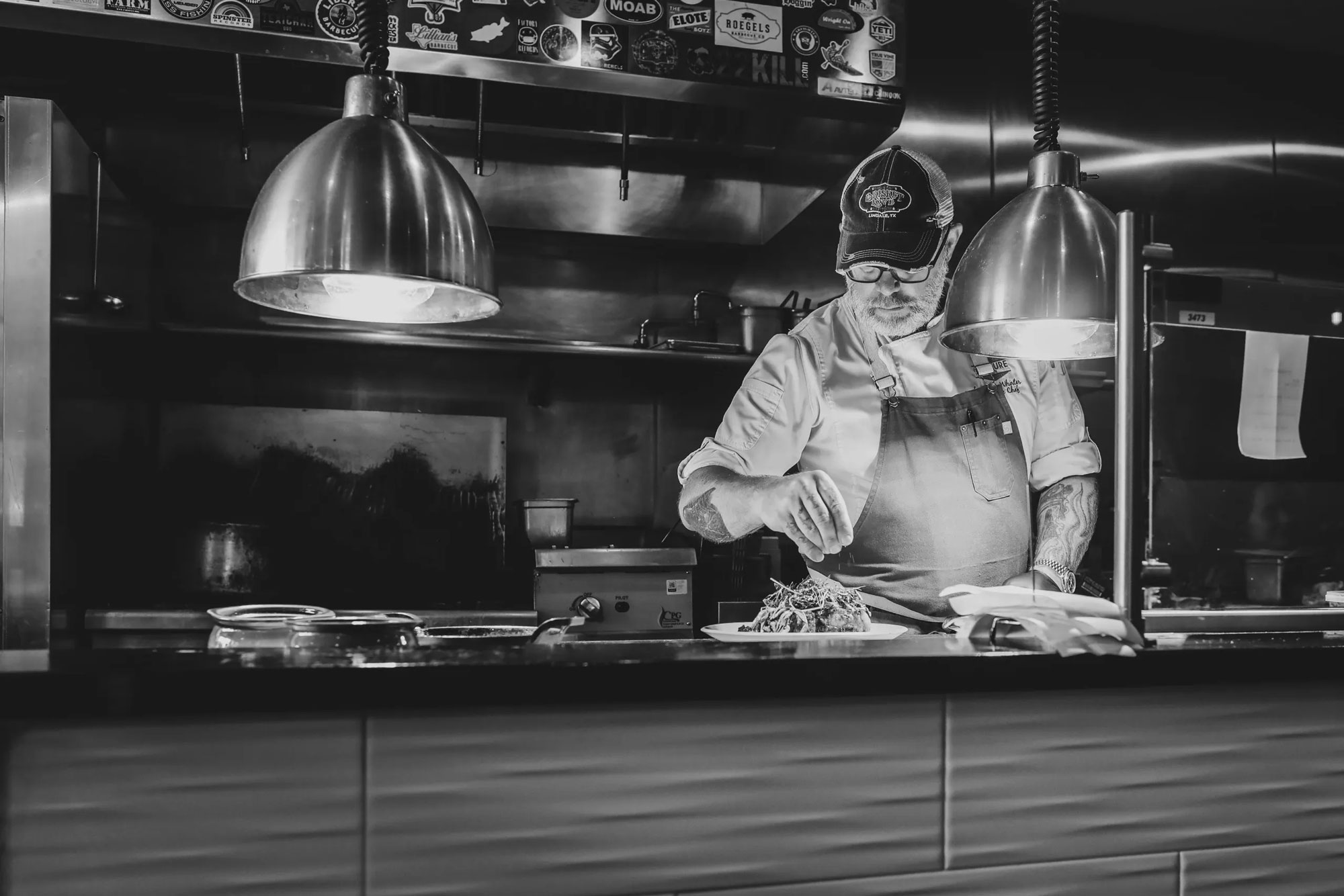
Heritage East chef and owner Lance McWhorter has rebooted his life a half dozen times. The first was as a kid, when his family moved from Texas to Utah, and he found himself couch surfing with friends and in and out of the foster care system. Straight out of high school, he joined the Army, and when that term was up, he went into the Navy. Afterward, he worked as a firefighter, served as a military security contractor, and even played guitar professionally in Southern California. But in 2013, the chef bug bit him.
Stints in Dallas kitchens with lauded chefs, including Matt McAlister and David Uygur, are where he learned to craft a fine-dining menu.
McWhorter eventually found himself back in his home state. A seventh-generation East Texan, he decided that when he was ready to open his own spot, he wanted to do it there. McWhorter traces his lineage back to a settler named Robert Newton McCuistion, who came to Texas from Tennessee before it was a state.

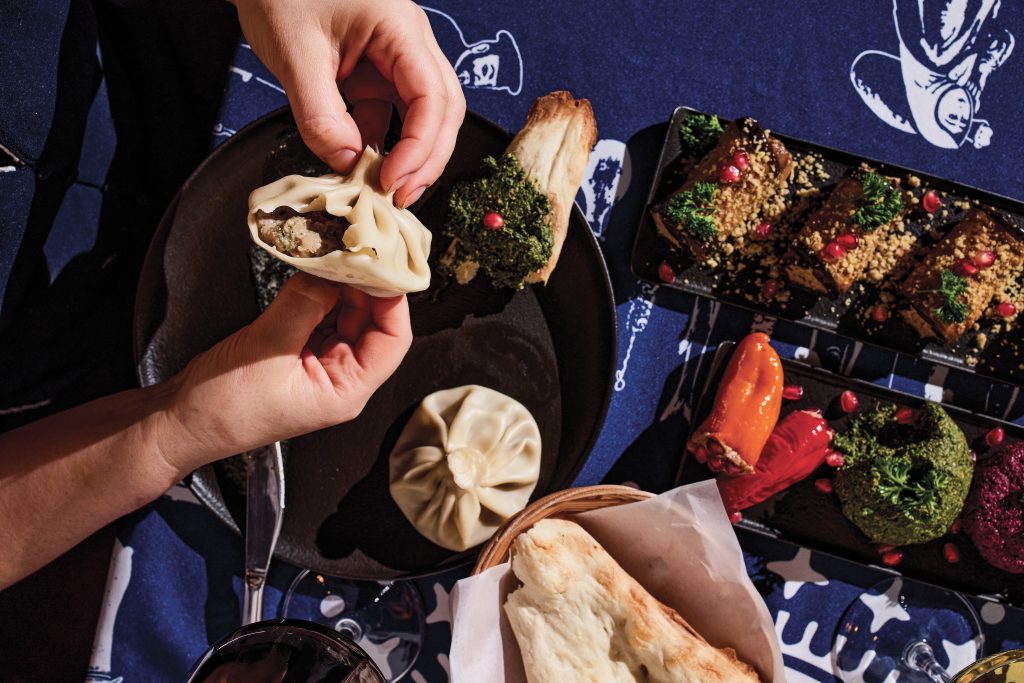
In August 2019, a 40-year-old McWhorter opened Culture ETX in Tyler, with a mission to serve global cuisine, primarily from the Middle East, North Africa, and the southern Mediterranean, drawing on his work and travel experiences.
“It wasn’t my true identity on a plate,” McWhorter says. “It was my experiences.”
After about three years, which McWhorter says is his typical cycle as a creative, he felt the urge to do something new. He and his wife remodeled the restaurant and renamed it Heritage East in the fall of 2024, featuring a menu celebrating the food he grew up eating in East Texas.
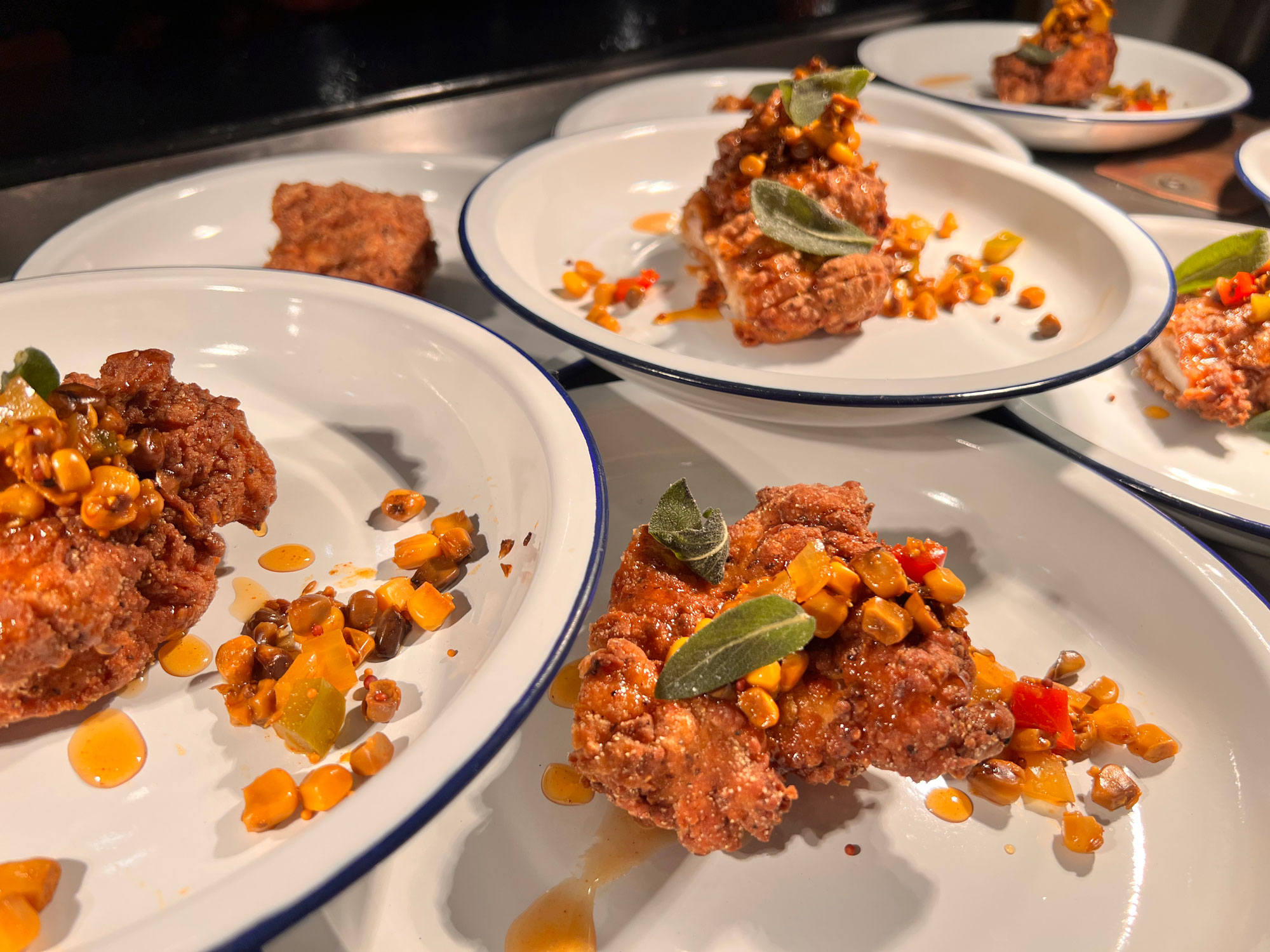
His chicken-fried steak is topped with horseradish-infused cream gravy and served with a rich side of chicken liver mousse and charred onions. An order of the delicata squash aligot brings McWhorter to your table with a giant pan of melted gruyere to pour over the dish in a highly Instagrammable moment laced with French tradition. Not Mom’s Pasta is a tagliatelle dish featuring local beef from Cut Beef, which also supplies its steaks. Okra is big for McWhorter, who serves it as a free side dish to every diner when the vegetable is in season. His preparation is to split it longways, lard it, roast it, grill it with broccoli rabe, and serve it with pickled garlic, buttermilk and cayenne dressing, and a crouton topping made with the house jalapeño cornbread. It’s a supercharged version of the traditional Southern comfort food East Texans are known for.
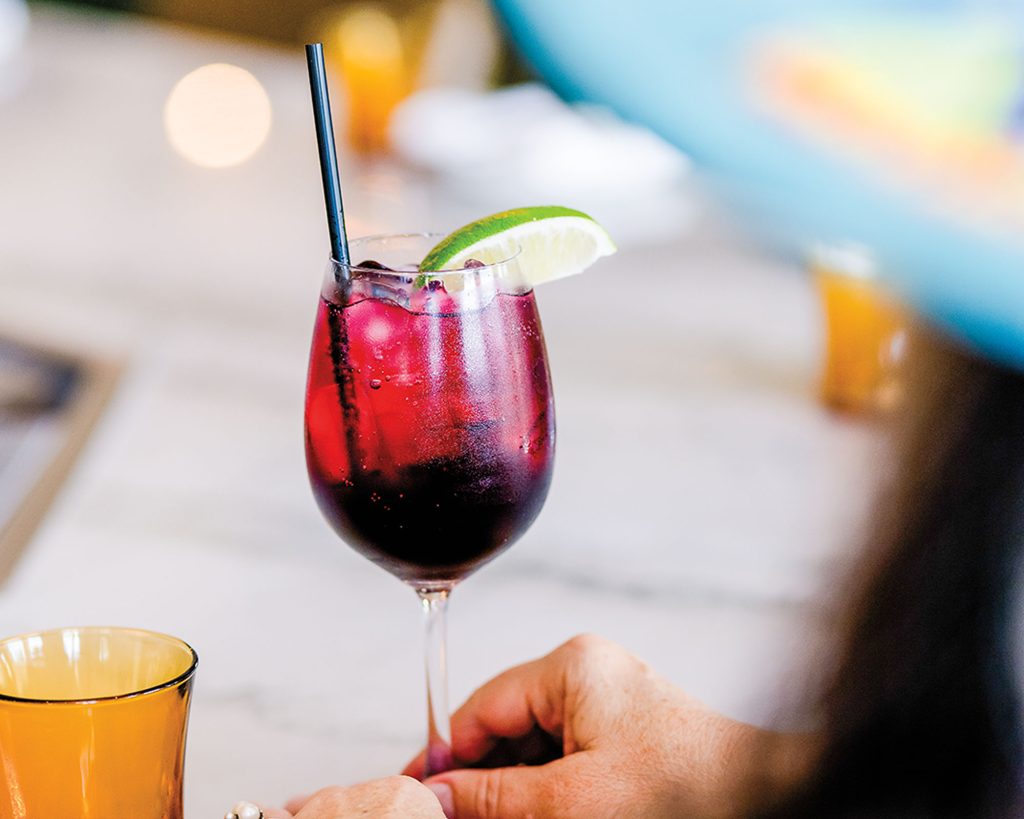
McWhorter is also making waves in the beverage world. In 2022, Heritage East opened a speakeasy next door, The Plaid Rabbit, which serves tried-and-true classics and seasonal craft cocktails even after the restaurant closes for the night. And in 2025, the restaurant received a Wine Spectator Award of Excellence, noting its wine program as one of the best in the country.
During a Travel Texas promotion, McWhorter began researching the origins of these dishes and of Tyler to tell the story of the food he was serving. It led him to write an academic essay on the Black roots of Southern food. It’s a research project for McWhorter, who needed to trace the lineage of the actual seeds he uses, the hands that grew them, and the people who developed these recipes.
It is also how he discovered that the Heritage East building was constructed by Colonel Thomas B. Erwin, who owned enslaved people, had a nearby plantation, opened a distillery, and helped establish the footprint of modern-day downtown Tyler. The whole project changed what he thought he knew about where the food his family had eaten for generations came from. He realized his connection to the oppressed people who were the true originators of some of the dishes he serves at Heritage East.
“Seeds isn’t a finished product,” he says. “It’s flawed…I’m asking as many questions as I’m answering.”
Finding those answers, figuring out how to platform marginalized voices, and finding a way to talk to his community about it will direct McWhorter’s next creative pivot. It’s his next rabbit hole.