
The Greek gods had ambrosia; Texans have Dr Pepper. The soda, created in Waco by pharmacist Charles Alderton in the 1880s, was once thought to hold medicinal qualities and help restore “vim, vigor, and vitality,” not dissimilar to ambrosia’s mythological life-giving qualities. Although its literal health benefits have long been disproven, there are plenty who argue that nothing hits quite like a cold Dr Pepper on a hot day, or after a night of excessive revelry. But I wouldn’t know, because up until a week ago, I’d never tried one.
I can hear you through the screen, and no, I’m not new to this state and its heritage. I’m a born-and-raised Texan by way of Houston, and my mom’s side of the family immigrated directly to this state from Germany some great number of decades ago. Which is to say: I go way back. I have childhood memories of my granny cracking open cans of Dr Pepper from the fridge in her garage while my little brother and I sucked down Kool-Aid Jammers in the bed of my grandfather’s truck. But the soda eluded us. My parents didn’t want us getting hooked on caffeine, so we generally weren’t allowed to drink it. Somehow, this avoidance lasted through my college years and spanned all of my 20s. I’d never developed a taste for Dr Pepper as a kid, and therefore never craved it as an adult.
When I revealed this truth to my coworkers, they were surprised. They also had a solution: I’d go to the Dr Pepper Museum in Waco, birthplace of the soda, for my very first taste.

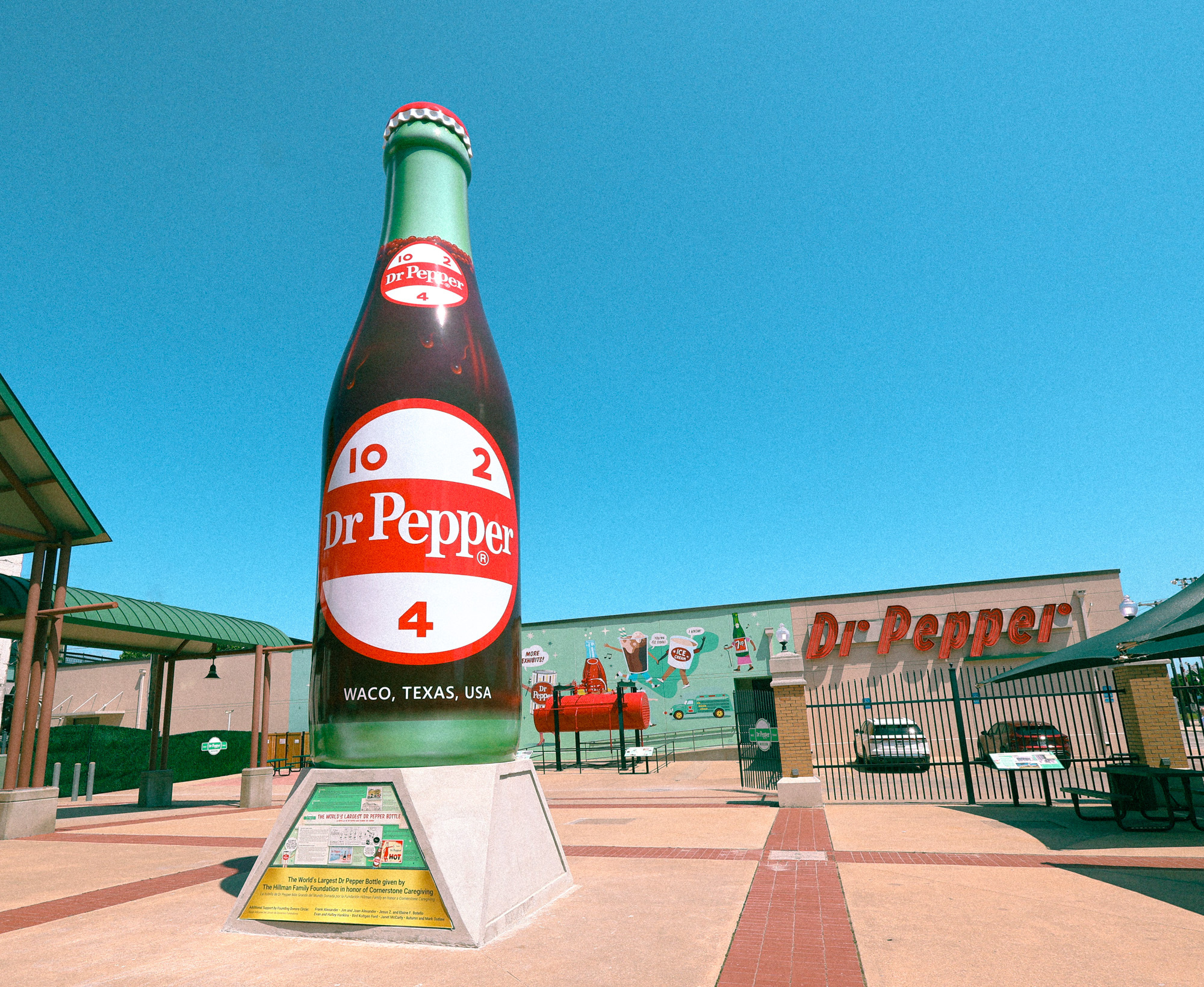
The Dr Pepper Museum is a living monument to the drink for which it’s named. A courtyard between the museum’s two buildings holds the world’s largest Dr Pepper bottle, which people were posing near on the afternoon of our visit. I watched as one man held up an arm to give the illusion that he was holding the giant bottle himself, like he was at the Leaning Tower of Pisa. My colleagues, Chris and Danielle, toured the museum with me, so that I could educate myself on the culture I was about to join. I learned so much, like that the elixir’s ingredients are a trade secret, and that the origins of the name remain unknown.
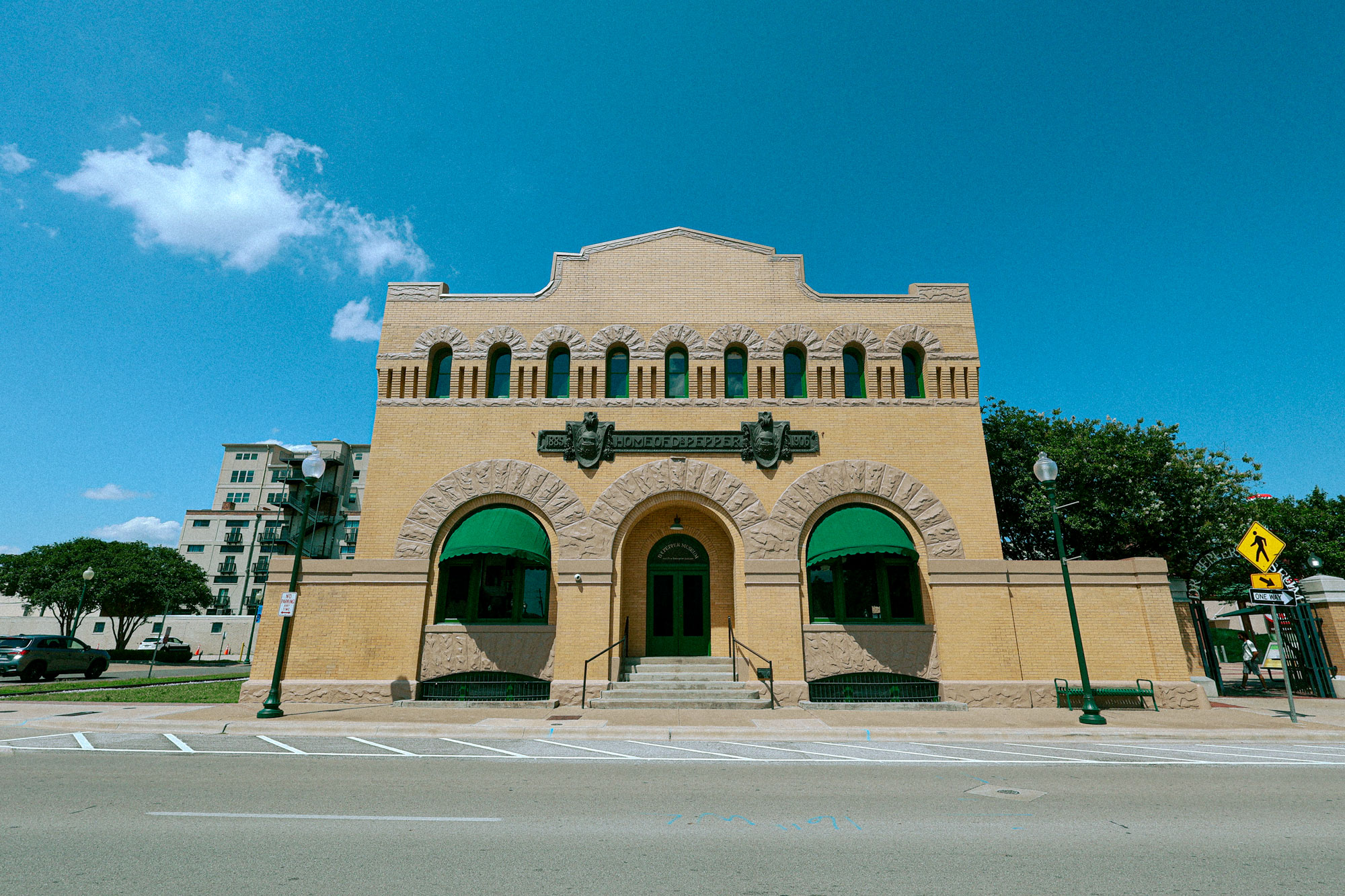
Visiting cemented the notion that Dr Pepper has a loyal, almost cultish following—the museum was bustling on the Thursday afternoon we visited. It makes sense; according to market share data, Dr Pepper is the second best-selling carbonated drink in the United States. As I peered down into the old well that once supplied the water for use in bottling the drink, I felt a sense of misplaced pride. My home state is responsible for so many universally beloved things—Fritos, H-E-B, Buddy Holly—and here I was, missing out on one of its most famous creations.
I wanted to get this right. You only taste your first sip of Dr Pepper once. I learned, from asking around, that Texans have vast preferences for how and when they most like to drink the soda.
“Glass bottle Dr Pepper is the pinnacle of luxury to me. I swear nothing out there tastes better and it feels like a special treat every time,” Juliet McConkey, an Austin-based musician, says. “I’m also fond of the mini cans. My boyfriend’s mom always has them down at the ranch, and we often split one over ice in little juice glasses—the perfect amount, and the sharing feels sweet, given that they’re so little.”
Another friend remembers her own first taste of Dr Pepper, which was recent enough that she was of legal drinking age when it happened. “This is a little unhinged, but I was definitely introduced to it as a mixer with tequila,” says Haley Brown.
Speaking to its former alleged health benefits, another person I spoke with claims that Dr Pepper is what she craves whenever she has a migraine. Another friend swore by its ability to cure a hangover. What had I been missing out on? On a warm afternoon in late May, I found out.
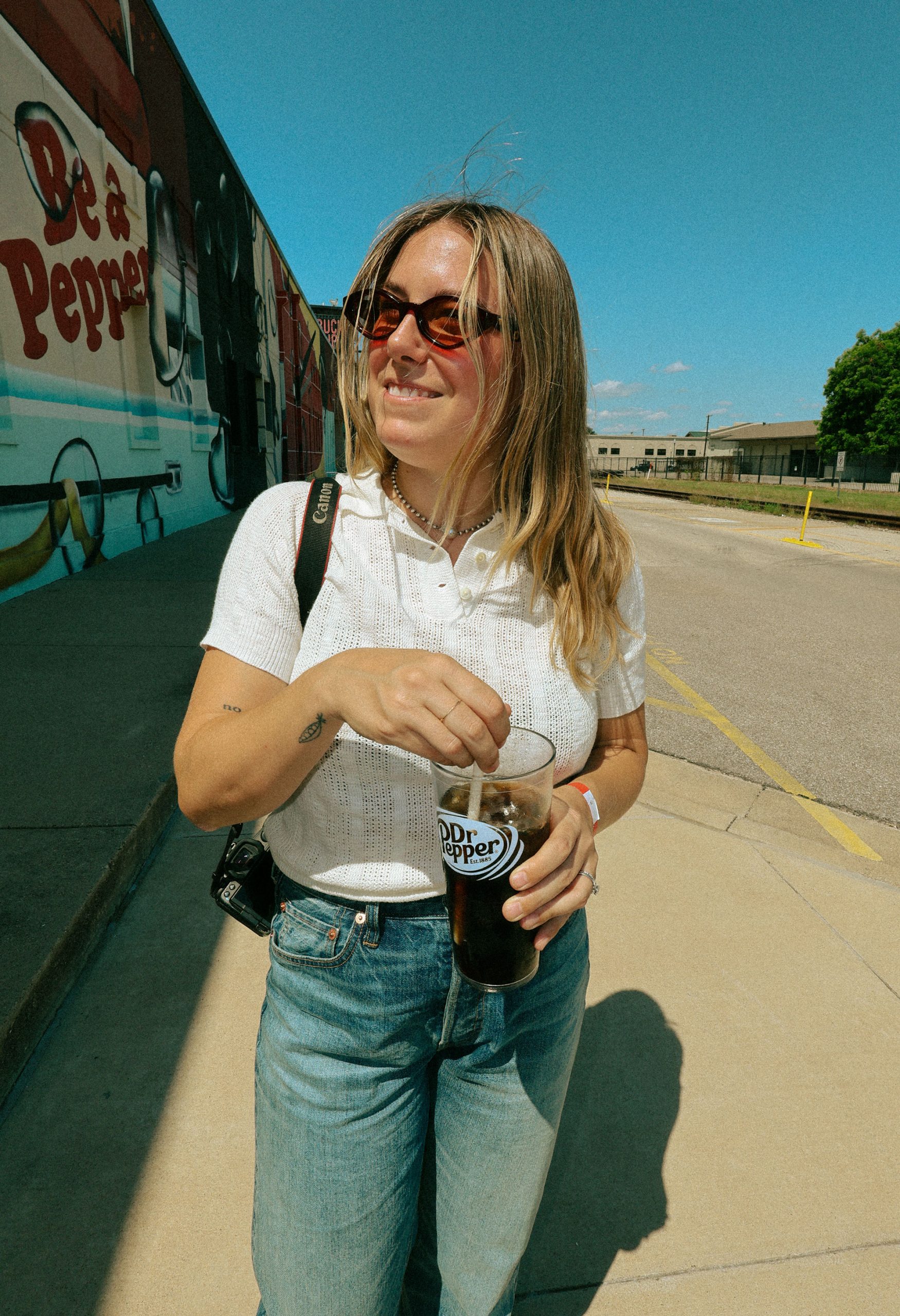
The Dr Pepper museum’s second building holds an old-school soda fountain, where employees mix the drink for you. My colleagues and I decided that the order had to be a classic Dr Pepper over ice, in a textured clear plastic tumbler so large that I had to hold onto it with two hands. We walked our drinks out into the warm sunshine and found the last remaining table in the courtyard that was in partial shade. The Dr Pepper fanatics around me, I realized, had no idea what I was about to do.
I poised the straw in front of my mouth and took my first sip. The soda buzzed against the insides of my cheeks. It tasted like nothing I’d ever had before, a froth of spice and vanilla and sugar. It was delicious.
I’m not sure my life will be markedly different, post Dr Pepper. But when I texted my mom—who’d withheld the soda from me through childhood—about the big moment, she responded that my granny “would be proud.”
At the end of the day, some sensations, like a grandmother’s pride, can’t be bottled and sold. I’m not sure the soda will give me eternal life, but if it brings me closer to my granny and my home state, that’s alright with me.