
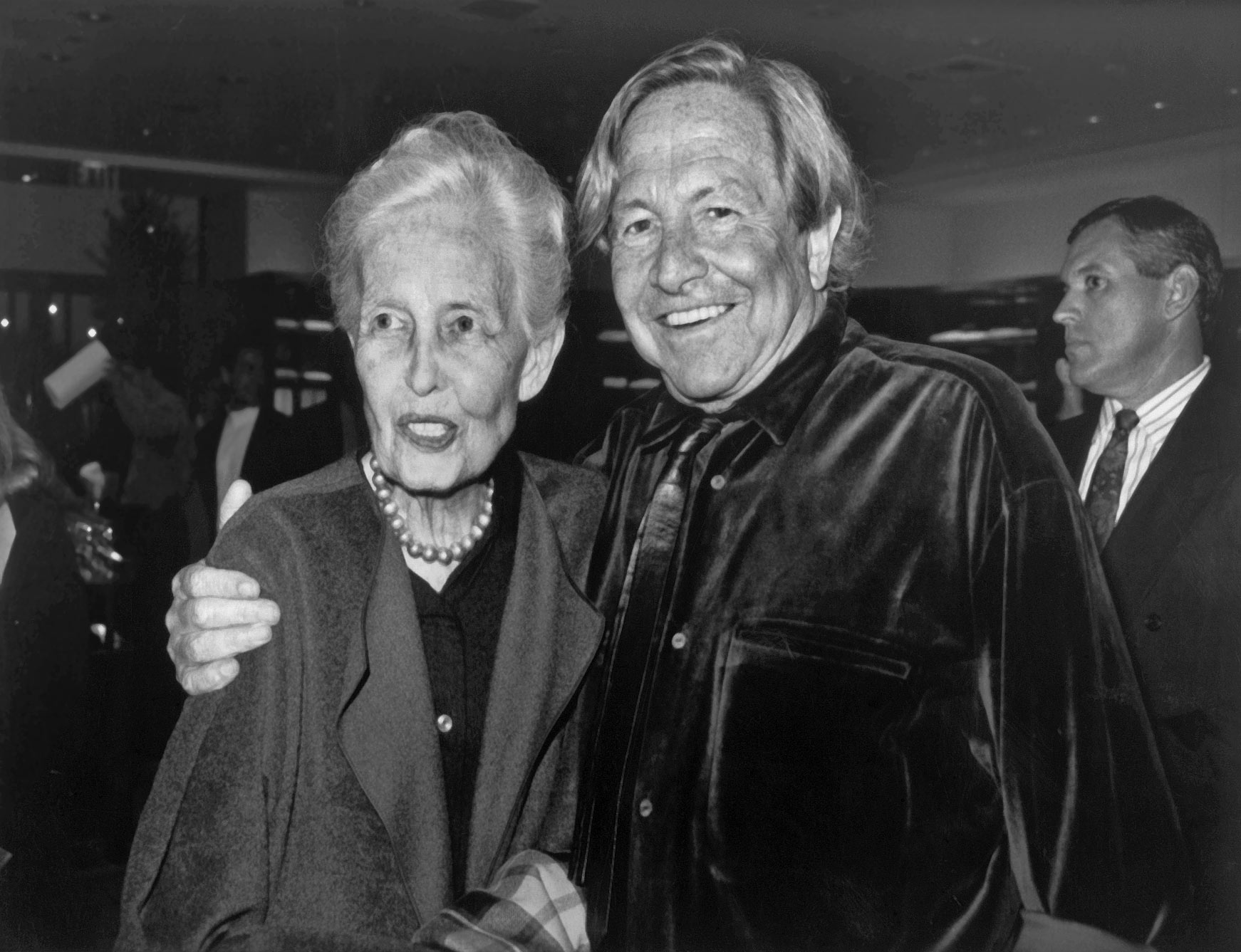
Even if Robert Rauschenberg’s name doesn’t ring a bell, you’ve likely encountered the late artist’s work. He designed the first Earth Day poster, multiple Time magazine covers, and the award-winning limited edition album art for the Talking Heads’ Speaking in Tongues, which is on display at the Museum of the Gulf Coast in his hometown of Port Arthur. Yet, unlike fellow Port Arthur native Janis Joplin, Rauschenberg’s name isn’t often mentioned in connection to Texas.
Like his American art contemporaries Jasper Johns, Andy Warhol, and Georgia O’Keeffe, Rauschenberg reshaped creativity and expression in the modern era. His six-decade oeuvre stretched across mediums, subjects, techniques, and ideas, and was unbound by previous artistic traditions or expectations.
“It’s hard to pinpoint how Rauschenberg did not impact any of the artistic movements within the contemporary era to come,” says Michelle White, senior curator of The Menil Collection in Houston. “I think any art that grapples with the space between and grapples with these questions about boundaries are incredibly indebted to what Rauschenberg did.”

Born in the Gulf Coast refinery town in 1925, Milton Rauschenberg—who changed his name to Robert in the late ’40s—was raised in a fundamentalist Christian family. Creative from an early age, he decorated with images, drawings, paintings, and structures of his own making.
Rauschenberg participated in theater, designing costumes at Thomas Jefferson High School—the same alma mater as Joplin, whom he later befriended in the ’60s. After a brief stint at the University of Texas at Austin, Rauschenberg was drafted into the U.S. Navy, and through a winding path of jobs and opportunities, arrived at Black Mountain College, an experimental art and science school in North Carolina. Eventually, he found his way to New York City, splitting his time between his studio there and on Florida’s Captiva Island.
Art scholars quibble over which period encompasses his best work. There’s Combines, created between 1954 and ’64, which fused painting and sculpture and blurred the line between art and everyday life, with fabrics, taxidermied animals, discarded scraps, twisty pieces of metal, and other unexpected finds. Others point to Rauschenberg’s early incorporation of photographic images in abstract art, positing that he anticipated the Pop Art movement. Still others believe that performance was at the core of his artistic expression, based on his work with collaborators like choreographers Trisha Brown and Merce Cunningham. Rauschenberg has even been called a Neo-Dadaist for his use of everyday, readymade objects in art in the same rebellious spirit as Marcel Duchamp, who famously utilized a urinal in a piece called Fountain.
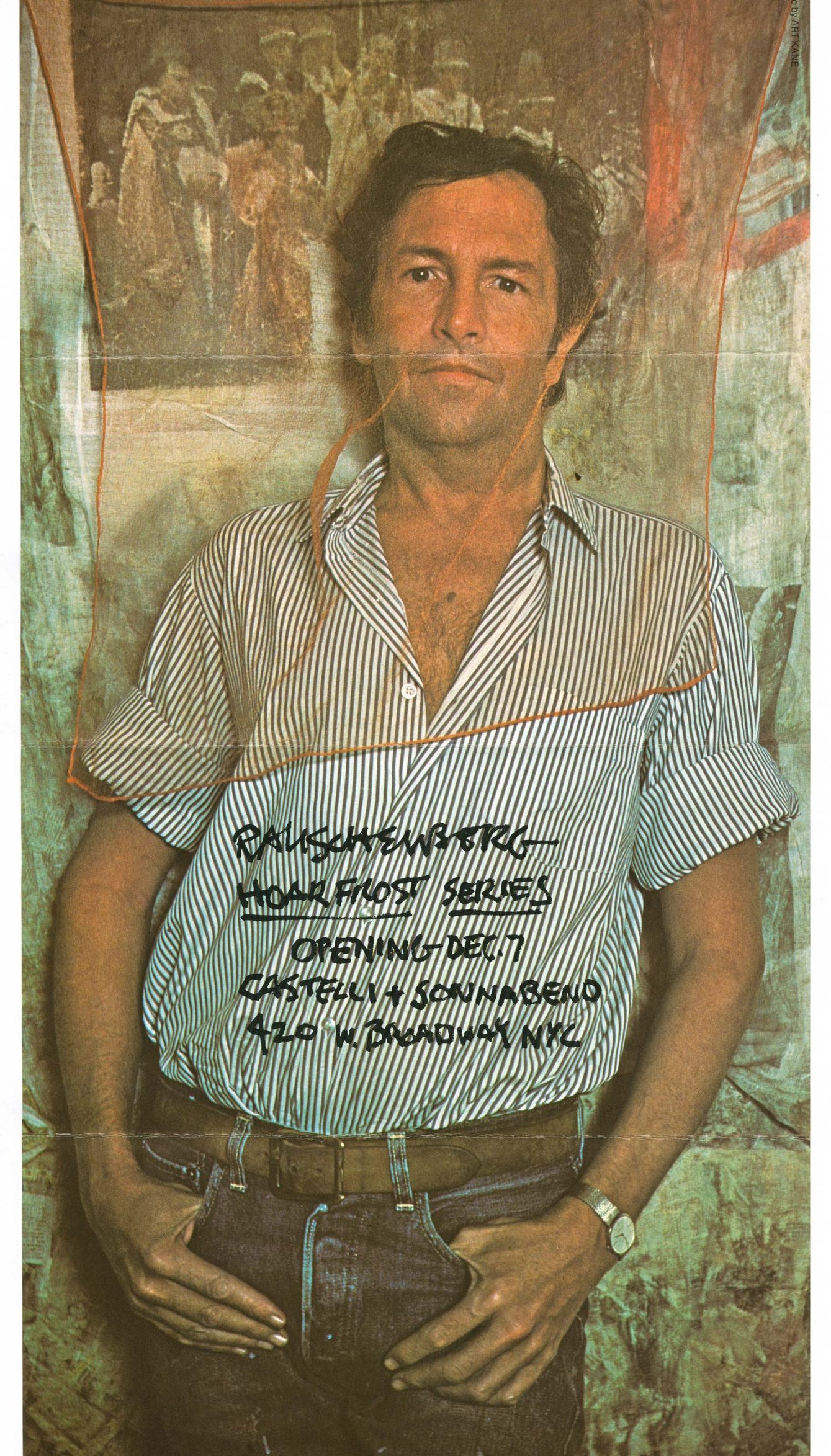
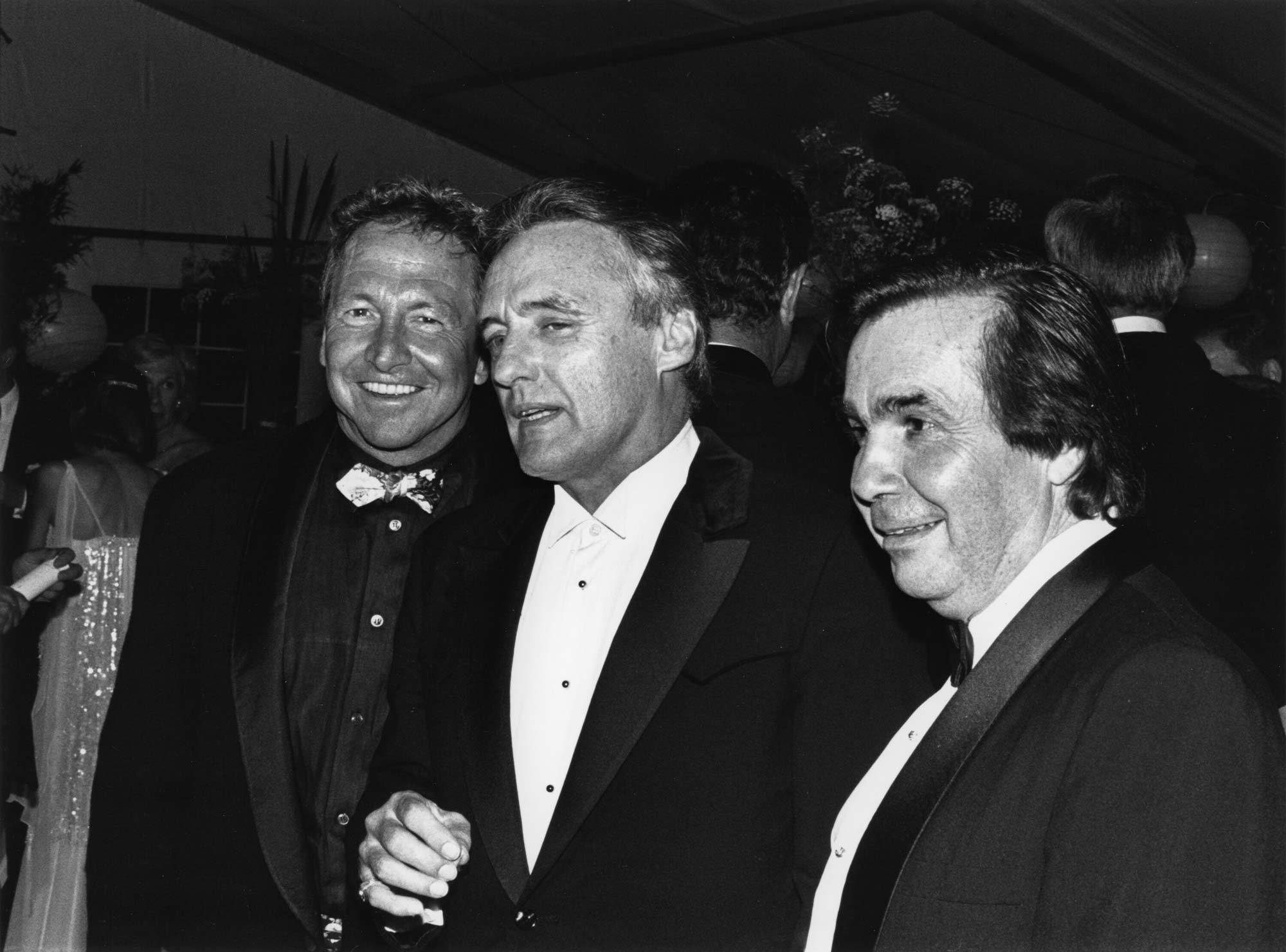
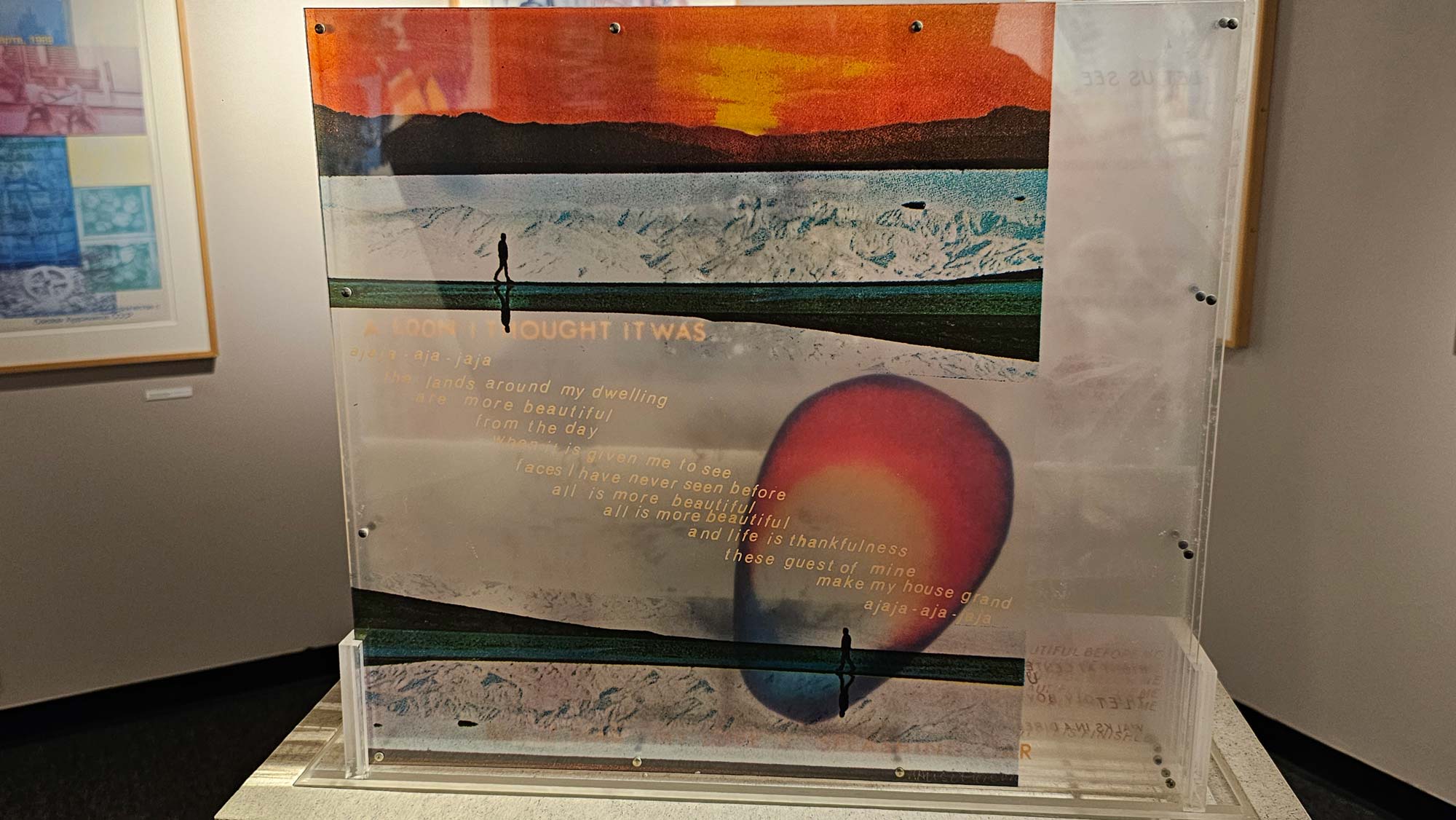
But the truth is, Rauschenberg—“Bob” to those who knew him well—never fit into a tidy, definitive category in the art world. “He had such an expansive view of the world and everything around him and was very original in his thinking,” says Fredericka Hunter, Rauschenberg’s art dealer at Texas Gallery in Houston and original board member of the Robert Rauschenberg Foundation. “As he moved from one series to another, you see certain images or relationships that come back often. There was commentary going on from the start, a kind of journal, going on in his work. He was probably a genius, but genius for Bob, again, becomes too limiting.”
Rauschenberg’s Texas roots aren’t obvious in his works, but the state did inspire him. The artist featured family photos and newspaper clippings in pieces like Autobiography and United (Man With White Shoes). He referenced NASA and the Apollo Program in works after witnessing the Apollo 11 launch. And, following a visit to Houston in 1985, Rauschenberg created his scrap metal-centric collection Gluts, inspired by an economic crisis caused by an oil glut.
But in the 1997 documentary Robert Rauschenberg: Man At Work, the artist, much like Joplin, expressed feeling like an outsider in his hometown.
“I don’t think you learn to be an artist,” he said. “It was not acceptable in Port Arthur, Texas, to be anything other than everybody else, and I didn’t know how. So that gave me a head start.”
And yet, even when the artist achieved international fame, he didn’t forget his Texas roots. Rauschenberg returned to Port Arthur to support the arts, including a show of his work at the Port Arthur Public Library in 1984. Then-Mayor Bernis W. Sadler even declared Feb. 4, 1984, “Robert Rauschenberg Day” to commemorate the homecoming. Rauschenberg also assisted with fundraising and donated pieces to the Museum of the Gulf Coast, which has a road trip-worthy gallery space dedicated to the beloved artist.
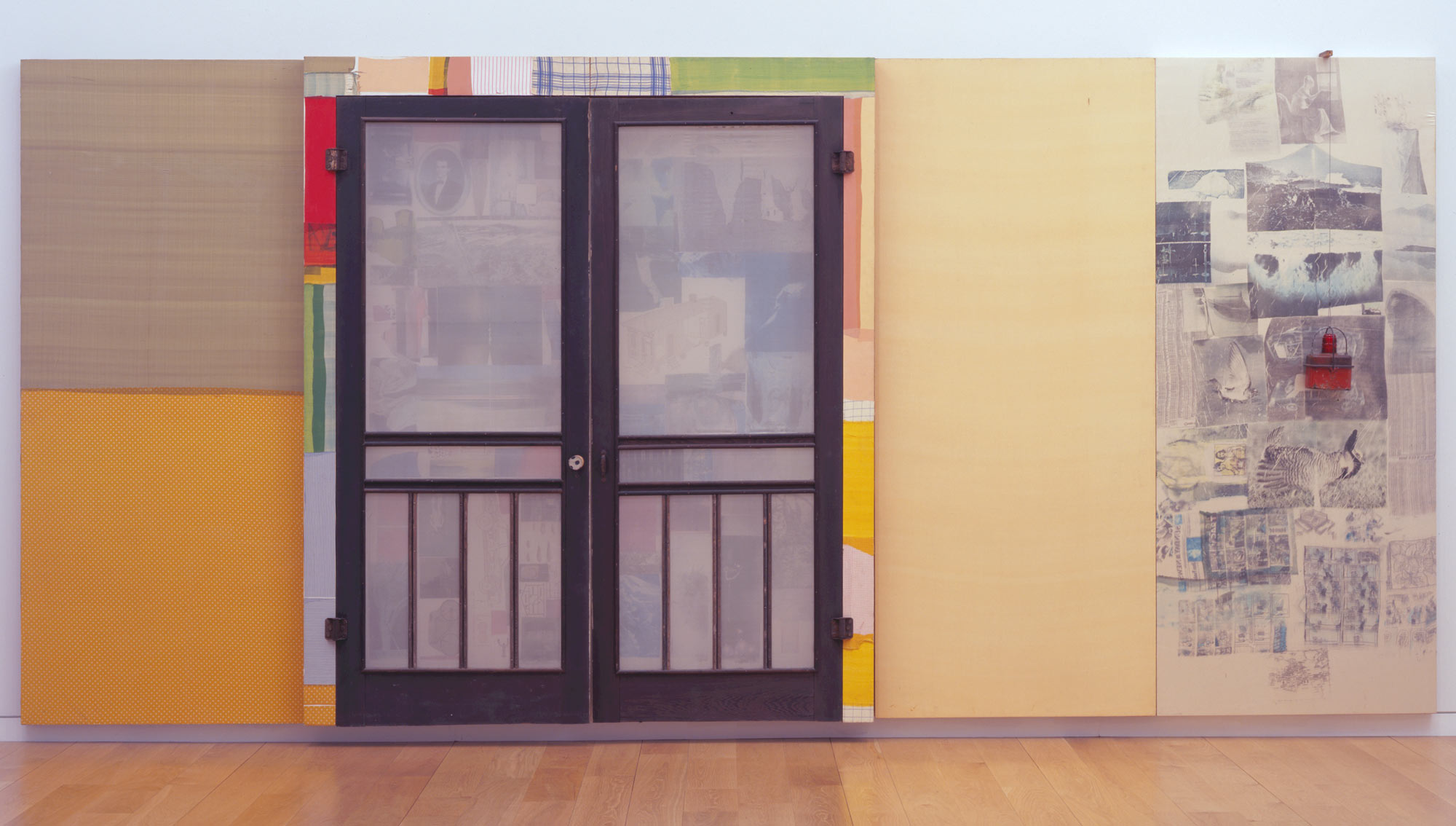
Rauchenberg’s work is currently on display throughout Texas, including the famous Signs at the Museum of the Gulf Coast, Skyway at Dallas Museum of Art, and Whistle Stop (Spread) at Modern Art Museum of Fort Worth. At the end of this month, the Nasher Sculpture Center in Dallas presents Rauschenberg Sculpture, on view until April 26. Meanwhile, The Menil Collection has Robert Rauschenberg: Fabric Works of the 1970s on display until March 1.
Rauschenberg died in 2008, but his influence on Texas artists is palpable. While homegrown artists have subverted the expectations of producing cowboy-centric art and Western landscapes, Rauschenberg opened a door for others to produce beyond the familiar, albeit oversimplified, stereotypes that was expected of Texans, says Alison Greene, curator at the Museum of Fine Arts, Houston.
“When Rauschenberg burst on the international scene in the late ’50s and ’60s, he gave permission to other Texas artists to think about other ways of making art, and that you didn’t have to make art using a paintbrush and a canvas, or casting and bronze if you’re making sculpture,” Greene says. “He had a wide open generosity and great personal charm that was all about possibility.”
Rauschenberg would have turned 100 last year, an event that was marked by a worldwide centennial celebration, with exhibits in Texas, Austria, New York, Madrid, and Hong Kong. His work in postwar American art continues to challenge expectations and inspire new ideas, far beyond the Gulf Coast town where it all began.