
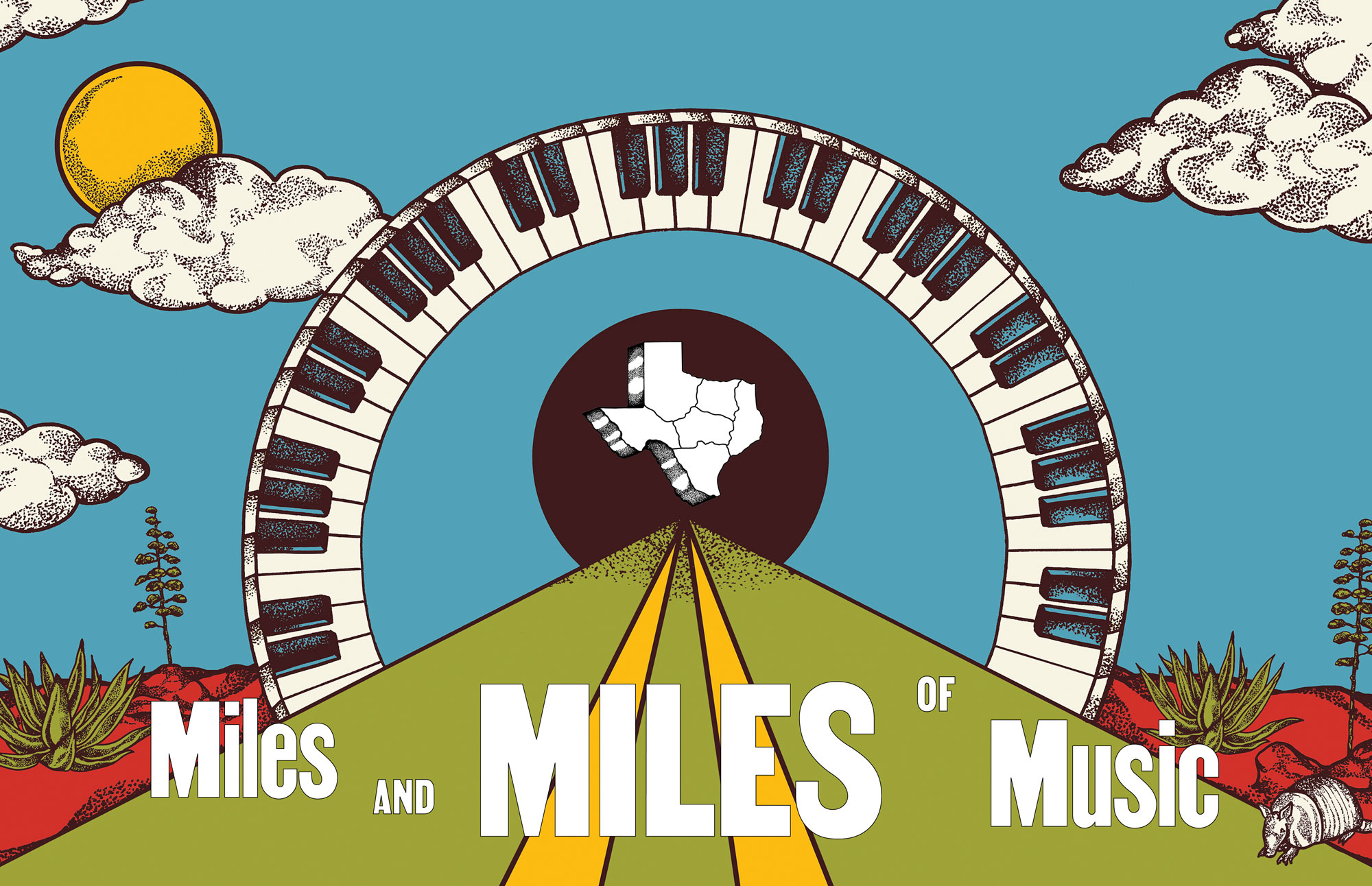
Discover the regional sounds that have made
Texas a key player in American music
Illustrations by Matt Cliff
If Texas were a person, it would be a virtuoso. The state can’t be defined by one genre, one instrument, one musician. Thousands of songs, spanning all styles, pay homage to the Lone Star State, and hundreds of books detail its history and influence on music across the country. Not only is Texas the birthplace of legends like Willie Nelson and Selena, but it continues to produce high–wattage stars like Kacey Musgraves, Megan Thee Stallion, and Leon Bridges.
From the blues of the Piney Woods to Tejano on the South Texas border, every region offers its own sound. Here, we travel through Texas, exploring the regional music that has shaped the state’s signature voices.

From Big Bend to El Paso, the Chihuahuan Desert has motivated musicians for generations
By Rachel Rascoe
WEST OF THE PECOS RIVER, where many people find only endless desert landscapes, decades of music makers have found inspiration. The sound of far West Texas, intense and isolated, is also deeply international: It’s where Texas’ largest border municipality, El Paso, meets its sister city of Ciudad Juárez. Running down the Rio Grande, from Terlingua’s porch pickers to Marfa’s worldwide artists-in-residence, the region represents an essential juncture of music and culture.
This crossover rings true for Tara López, author of Chuco Punk: Sonic Insurgency in El Paso. Raised in neighboring New Mexico, she was drawn to the West Texas town partly by 1990s punk rock. “All the bands from El Paso, I felt that their music was more reflective of the sound of the Southwest,” says López, a professor at Winona State University in Minnesota. “It doesn’t sound like the Beach Boys. It sounds like the culture.”
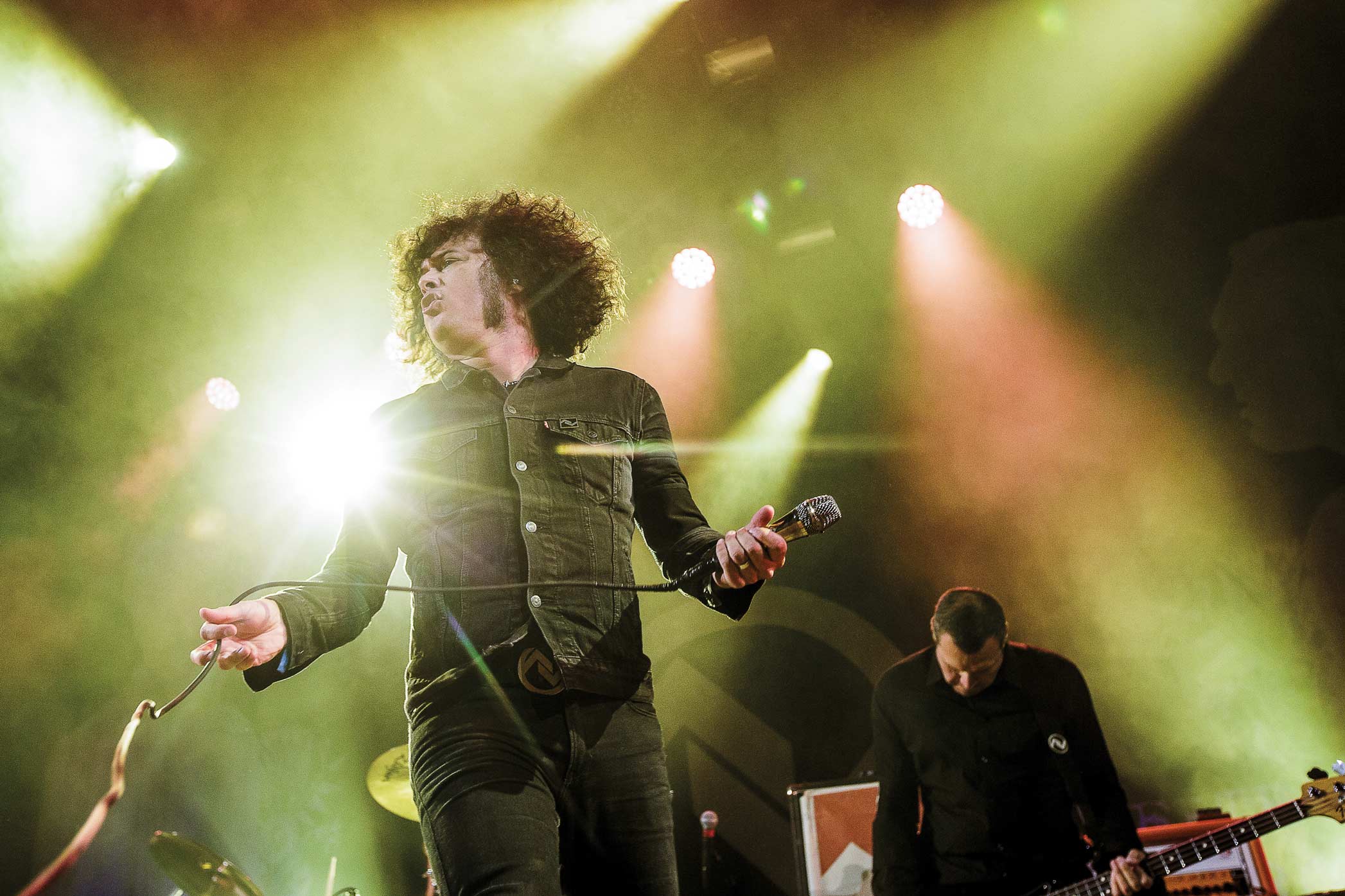
Published last year by the University of Texas Press, her book dives into the history of the city’s predominantly Chicano punk scene from the late 1970s through the early 2000s. López observes El Paso’s punk revolution as an extension of the Chicano movement’s resistance to injustice and anti-Mexican sentiment. She points to El Paso’s At the Drive-In, whose 2000 track “Invalid Litter Dept.” confronts the murder of women in Juárez.
“I don’t think El Paso gets its due, in any of the genres, compared to places like Austin,” López says. “What bands like At the Drive-In did is they showed you could be punk rock and you could be Chicano. That fusion is so important.”
POPULAR GENRES

This zoot-suited countercultural movement captured the Mexican American identity with hybridized jazz, swing, and rhythm and blues through the 1930s and ’40s.

Born in the trail-
driving era of the 1870s, cowboy poetry repurposes old folk songs to tell tales of the rugged landscape. Today, these songs live on at Alpine’s Lone Star Cowboy Poetry Gathering, one of the oldest events of its kind in the country.

Best known for the 1966 hit “I Fought the Law,” El Pasoan Bobby Fuller blended surf, garage, and Southern elements, becoming a noted influence on the Beatles.

Players in the 1990s El Paso punk scene—which merged heavy metal, hardcore, and emo—later became some of the city’s biggest breakouts: At the Drive-In, The Mars Volta, and Sparta.
NOTABLE
MUSICIANS
Vikki Carr
At the Drive-In
Cigarettes After Sex
Esther Jones of The Ikettes
Khalid
Long John Hunter
DESTINATIONS
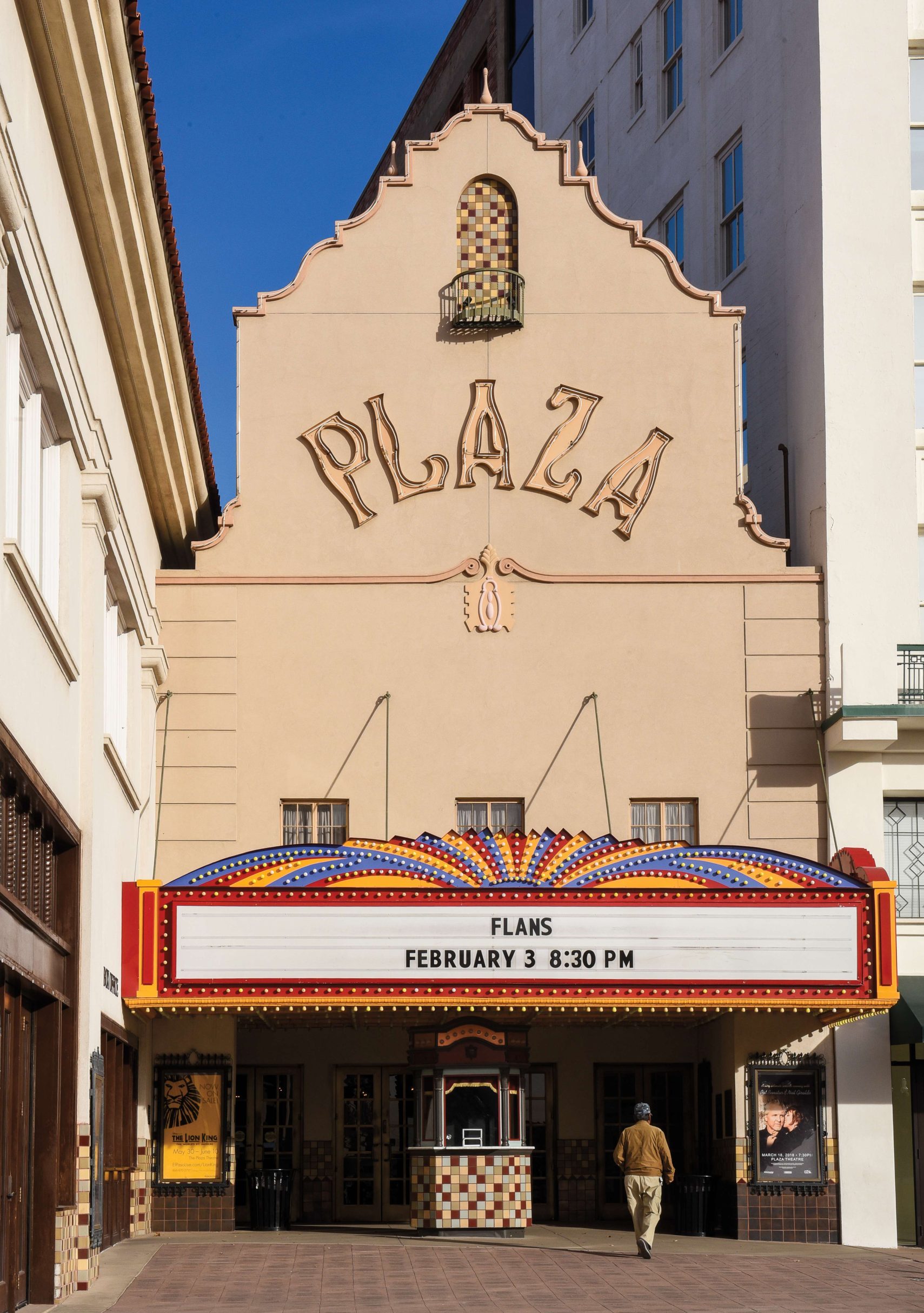
The Plaza Theatre, El Paso
Opened in 1930, this landmark was dubbed “The Showplace of the Southwest” for its intricate Spanish Colonial Revival architecture. The 2,000-seat theater hosts music, film, and Broadway productions under a ceiling of blinking stars. elpasolive.com
Ballroom Marfa, Marfa
For more than 20 years, the contemporary art museum and performance space has commissioned artists and musicians to create works inspired by the Big Bend. ballroommarfa.org
Planet Marfa, Marfa
In the tiny arts haven of Marfa, this laid-back beer garden hosts frequent local and touring acts with no cover charge. Find free peanuts, jalapeño nachos, and a tepee. planetmarfa.com
Railroad Blues, Alpine
Though it cheekily bills itself as the “World Famous Beer and Wine Tourist Trap,” the 1983 venue has hosted musicians Jerry Jeff Walker, Del Castillo, Billy Joe Shaver, and Kinky Friedman. railroadblues.com
VIVA BIG BEND
Terlingua, Alpine, Marfa, Presidio, Marathon, Fort Davis, July
Come summer, this decentralized music fest takes place across over a dozen venues throughout the Big Bend region, showcasing more than 60 local acts of various genres. vivabigbend.com
FLYING ISLAND
Marfa, October
This eclectic four-day gathering premiered after the longtime Trans-Pecos Festival went on hiatus in 2024. See experimental musicians in venues around Marfa. flyingislandmarfa.com
EL FRESCO MUSIC SERIES
El Paso, summer
This free monthly summer music series in El Paso invites folks to hear local bands and celebrate the region’s diverse cultural heritage. elpasolive.com


The Dallas-Fort Worth area has always packed star power
By Natalie Weiner
POPULAR GENRES
The former freedman’s town of Deep Ellum was pivotal for the genre. Blind Lemon Jefferson, Lead Belly, and T-Bone Walker changed American music forever in the 1910s with new guitar techniques and the introduction of the electric blues.

The Light Crust Doughboys revolutionized country music with their inaugural 1931 broadcast on Fort Worth’s KFJZ with the new, totally Texan sound of Western swing. A kind of country big band, they joined jazzy rhythms with country twang.

Red Dirt’s city cousin comes in the form of irreverent, countrified rock tunes that were made nationally famous in the ’90s by Dallas’ Old 97’s, who’ve described their sound as “loud folk.”
MUSICAL INNOVATION in North Texas has long held a note of defiance—a tendency to buck tradition in favor of starting new ones.
Artists urbanized and eventually electrified the blues in 1920s Deep Ellum; Bob Wills married jazz and country music in Fort Worth; Pantera helped revitalize heavy metal with an even edgier sound; and Erykah Badu turned soul music, R&B, and hip-hop into something completely new. North Texas musical history is full of artists intent on going their own ways and inspiring legions of imitators.
It’s a history that often gets overlooked in a region best known for being a fairly straight-laced business hub, a reputation that can obscure just how many different music scenes have flourished in DFW.
One example is the University of North Texas, which boasts a nationally renowned jazz department (Grapevine-raised Norah Jones is a notable dropout), making Denton a mecca for jazz heads.
Fort Worth is where Willie Nelson says he smoked his first joint (between pre-megafame sets at some undisclosed honky-tonk), and where you can still hear dozens of aspiring Willies playing their songs today. Deep Ellum has spent over 100 years as Dallas’ musical core, where country, soul, and rock are in rotation every night of the week.
The many different musical threads running through North Texas are just one way of understanding the region’s diversity. Artists here are perennially looking, as Fort Worth native and jazz legend Ornette Coleman put it in the title to his debut album, for Something Else!!!!
NOTABLE
MUSICIANS
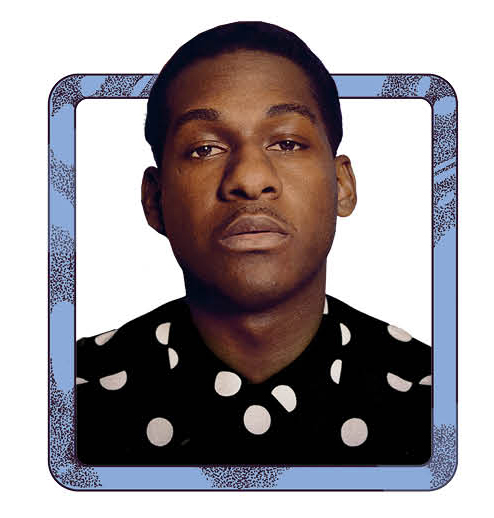
Leon Bridges
Townes Van Zandt
Erykah Badu
The Chicks
Toadies
Kelly Clarkson
Post Malone
Meat Loaf
T-Bone Walker
Freddie King
LeAnn Rimes
Pantera
Gene Autry
Norah Jones
DESTINATIONS
Sherman Jazz Museum, Sherman
Founded in 2010 by DFW native and jazz musician Bill Collins III, this museum is dedicated to preserving jazz music history and ensuring its future. See displays on the genre’s legends like Duke Ellington and Ella Fitzgerald, and watch performances by local jazz artists. shermanjazzmuseum.com
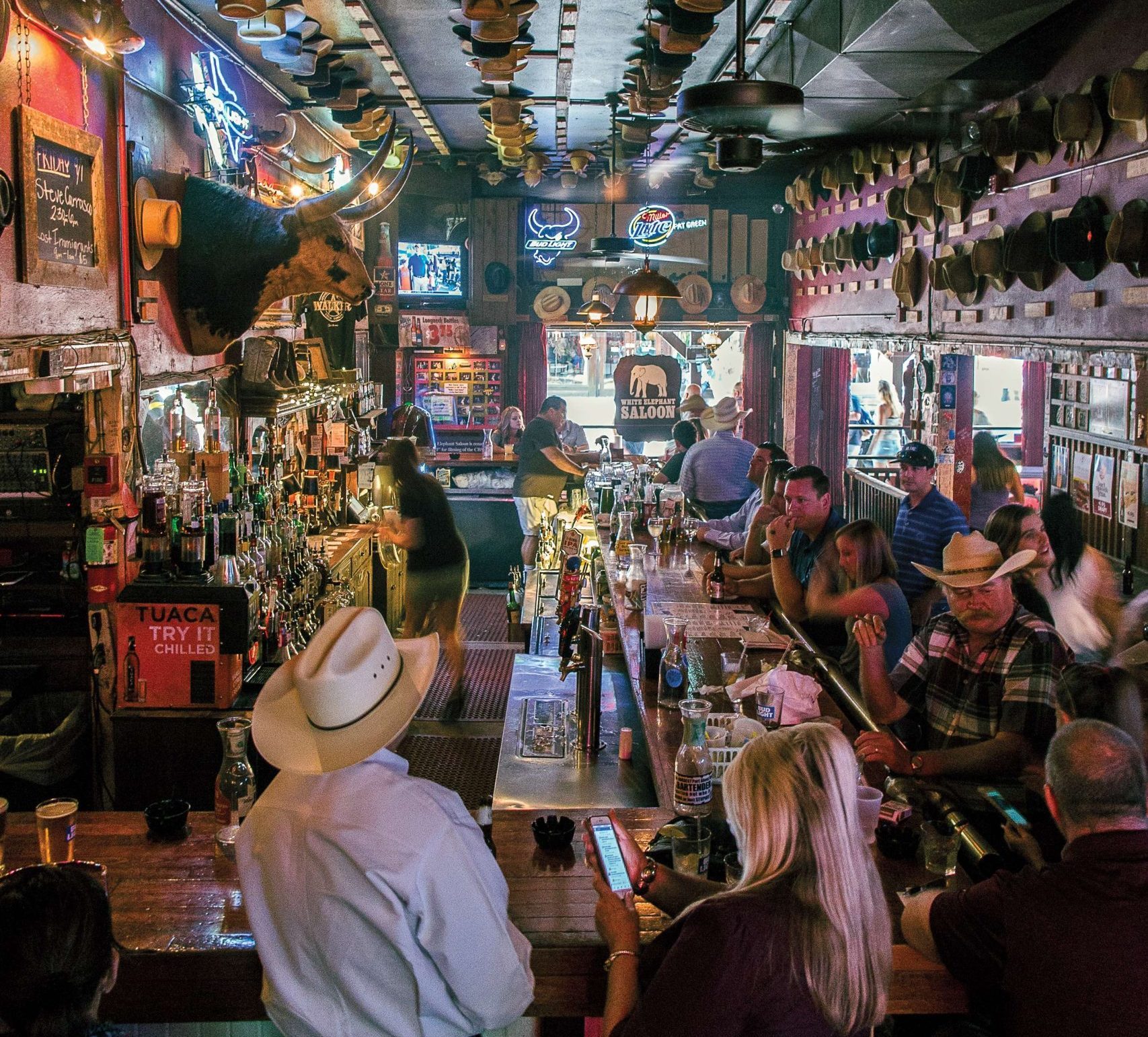
White Elephant Saloon, Fort Worth
Established in the 1800s in the Fort Worth Stockyards, the White Elephant Saloon is the oldest honky-tonk in the city. whiteelephantsaloon.com
R.L.’s Blues Palace, Dallas
Owned by local blues singer R.L. Griffin, it’s the only venue in Dallas where the real-deal blues still reigns supreme. facebook.com/RLBluesPalace2
Billy Bob’s Texas, Fort Worth
The world’s largest honky-tonk is a must-see for any country fan visiting North Texas. Billy Bob’s offers plenty of opportunities to two-step alongside a robust collection of memorabilia from artists who’ve played there. Also, bull riding is held inside on weekends (yes, it’s that big). billybobstexas.com

Deep Ellum Block Party
Dallas, November
This celebration of local music and art includes outdoor stages and bookings at an array of Deep Ellum venues. All are easily accessible from one another. facebook.com/deepellumblockparty
Fort Worth Music Festival
Fort Worth, February-March
This Texas-centric music festival takes place over multiple days and venues. The lineup has featured artists like Ben Kweller, Shinyribs, and Angel White. fortworthmusicfestival.com
Denton Arts & Jazz Festival
Denton, Oct. 3-5
Since 1980, this festival has offered local jazz musicians and other artists an opportunity to perform to crowds exceeding 200,000 annually. dentonjazzfest.com
crooners and country darlings define this Louisiana-influenced region of the state
By Joe Nick Patoski
IT CAN BE argued that East Texas is where all great Texas music comes from. Blues and country, the two basic ingredients of American music, came out of the Piney Woods. The Golden Triangle in the southeast corner produced jukeboxes full of R&B and country-western recording artists, while fostering Cajun and zydeco traditions and championing swamp pop.
“East Texas music is unique, diverse, and community-based, in part because of being geographically isolated,” says Debbie Porter, a musician and educator in East Texas who grew up singing songs of the cotton field learned from her grandmother. East Texas was one of the first regions of the state settled by colonists. Anglos of European descent and enslaved people from Africa brought their music with them. In the new territory, they crafted sounds that resonated far beyond its borders.
Texas’ first music star was Texarkana’s Scott Joplin, who played and wrote over 40 ragtime pieces including “Maple Leaf Rag.” Big Sandy’s Henry Thomas, aka Ragtime Texas, played original music on quills, panpipes fashioned from dried cane stalks. Washington Phillips of Simsboro constructed and played a one-of-a-kind zither–like instrument he called the manzarene. And Blind Lemon Jefferson, the first standout recording artist of American blues, hailed from Wortham.
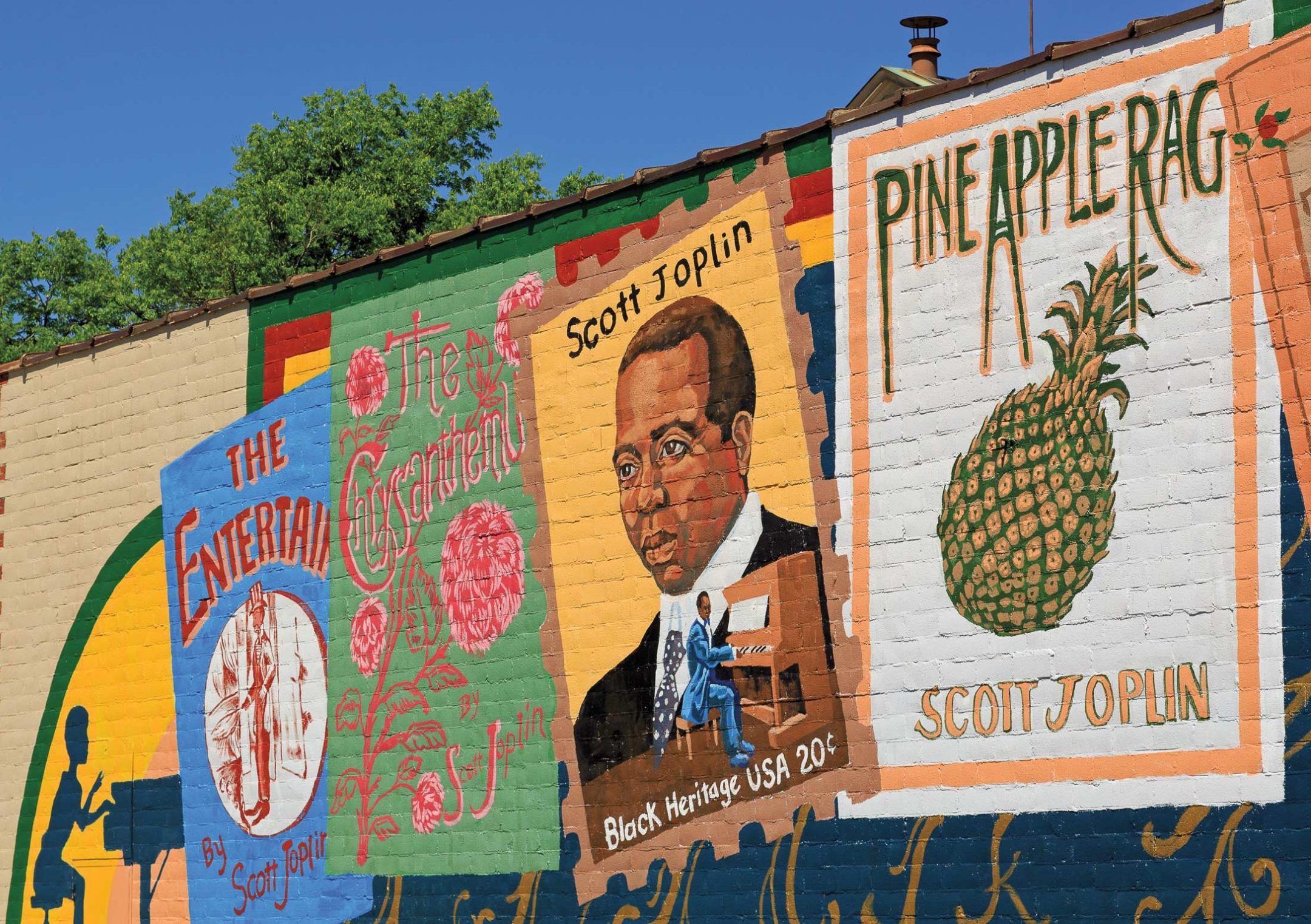
An outgrowth of frolics, where people gathered to hear music and dance, East Texas tunes are heard in dance halls, churches, honky-tonks, and living rooms; on the radio; at picking sessions and festivals; and on patios and porches.
“Folks have had to come up with their own way to make and enjoy music,” Porter says.
POPULAR GENRES

A syncopated rhythmic style where notes play off the beat, ragtime was popular at the turn of the 20th century. The style set the foundation for the arrival of jazz music.

East Texan blues was historically performed by rural African Americans. Accompanied by guitars, its storytelling features themes including love, loss, and hard living.

The piano style born out of Marshall set the stage for rock ’n’ roll. Its roots trace back to East Texas logging camps, where formerly enslaved people played music for respite.

The East Texas Sacred Harp Convention
Henderson, August
The annual gathering of a cappella shape-note singers who interpret the Sacred Harp songbook dates to 1855. It is the oldest known singing convention in Texas.
old mill music festival
Kennard, November
This festival, held in the heart of Davy Crockett National Forest, features roots music, camping, and the old sawmill as a stage backdrop. oldmillmusicfestival.com
boogi woogie marshall
Marshall, Sept. 26-27
Held in the town that embraced the title “The Birthplace of Boogie Woogie,” this event is an indirect tribute to pianists Floyd Dixon and Dave Alexander, both homegrown articulators of the driving left-handed rhythm. boogiewoogie.org
DESTINATIONS
Music City Texas, Linden
Supported by Don Henley of the Eagles and underwritten by Richard Bowden of the Pinkard & Bowden musical comedy duo, Music City Texas is hosted in the old 400-seat American Legion theater in Linden. Local and touring acts are scheduled throughout the year at the venue, which opened in 2003.
musiccitytexas.org
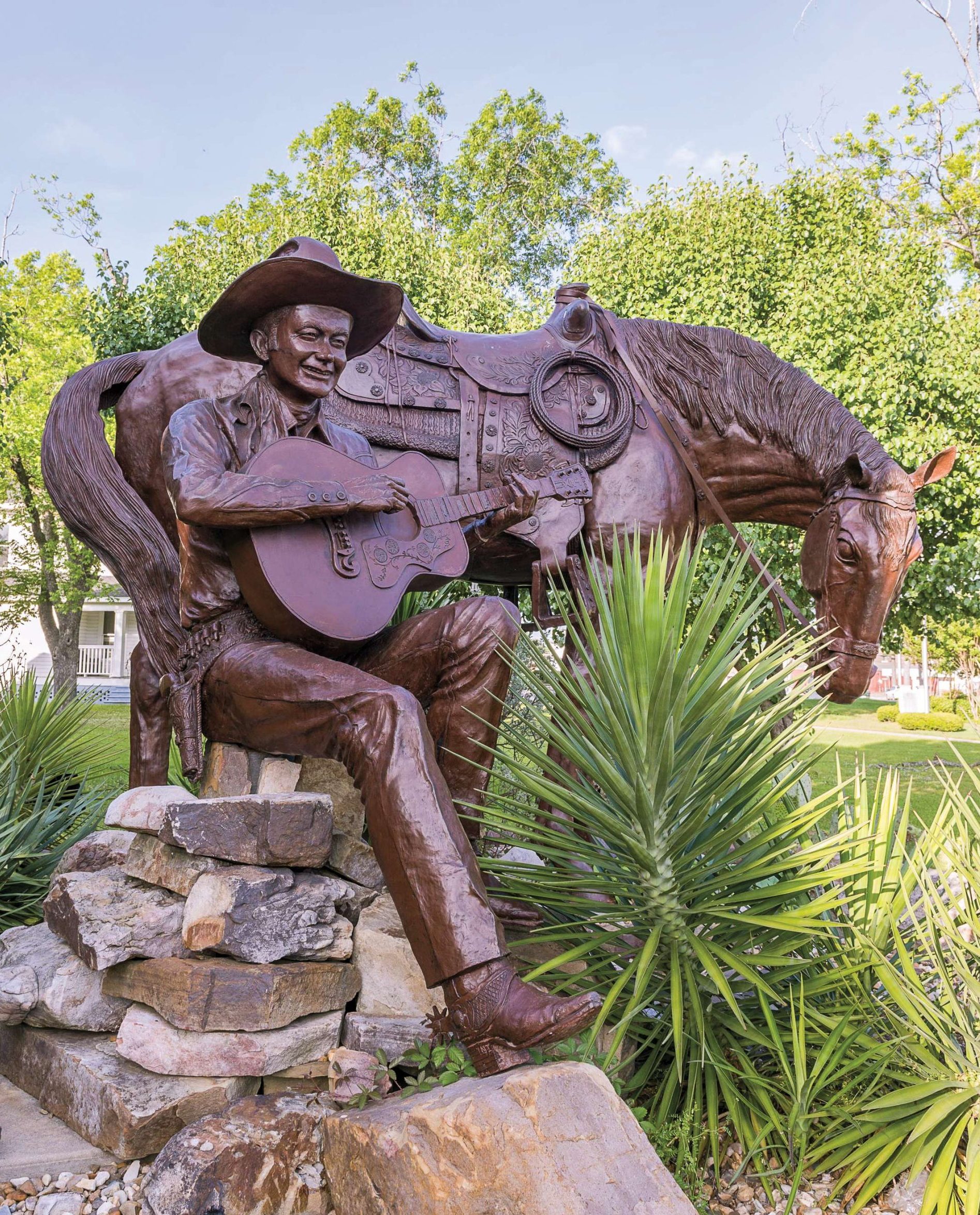
Texas Country Music Hall of Fame and Tex Ritter Museum, Carthage
The venue honors “Tex” Ritter, one of the first and most famous singing cowboys; native son Jim Reeves; area greats like Johnny Horton; and other country stars from Texas. The museum hosts a music festival every August. tcmhof.com
Camp Street Café and Store, Crockett
This historic store dating to the 1930s was revived as a music venue in 1998 by cowboy singers and poets Guy and Pipp Gillette. Camp Street continues hosting an eclectic lineup of folk artists, singer-songwriters, and acoustic roots music. campstreetcafe.com
Museum of the Gulf Coast, Port Arthur
The Port Arthur museum devotes significant space to music. It recognizes more than 82 artists from Southeast Texas, running from the obvious (Janis Joplin, George Jones, Johnny Winter) to the lesser-known such as Jivin’ Gene and The Jokers, Clarence “Gatemouth” Brown, and Frogman Henry. museumofthegulfcoast.org

NOTABLE MUSICIANS
Kacey Musgraves
Miranda Lambert
Janis Joplin
Blind Lemon Jefferson
George Jones
Don Henley
Lee Ann Womack
“Tex” Ritter
DJ Screw
Jim Reeves
Robert Earl Keen
Beyoncé
Megan Thee Stallion
Lyle Lovett
Lizzo
ZZ Top
Kenny Rogers
Johnny Nash
Barry White

The Panhandle winds have carried the region’s tunes across the decades
By Joe Nick Patoski
IN THE REMOTE, sparsely settled Panhandle and High Plains regions of West Texas, music wasn’t just an amusement, dalliance, or accompaniment to scripture. Music was everything—culture, community, and a critical means of communication.
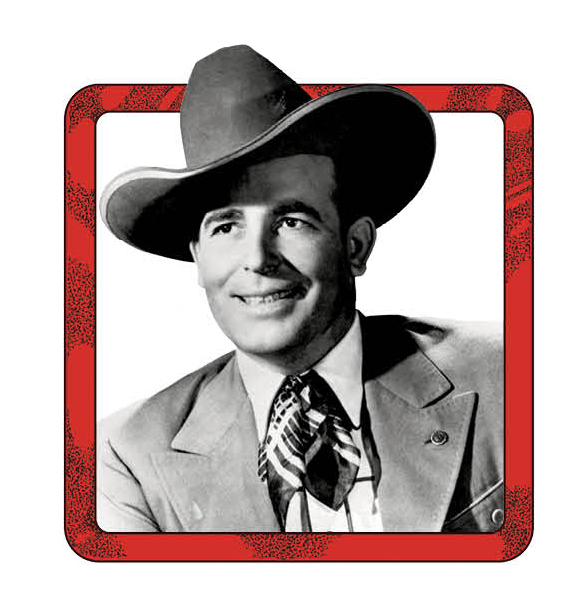
“Eck” Robertson, who grew up on a farm outside Amarillo, is credited as the musician on the first commercial country music record with Henry Gilliland in 1922. Fiddle was the instrument of choice for Bob Wills, who grew up in the town of Turkey and would go on to lead the Texas Playboys, the most popular dance band in the Southwest in the early 20th century.
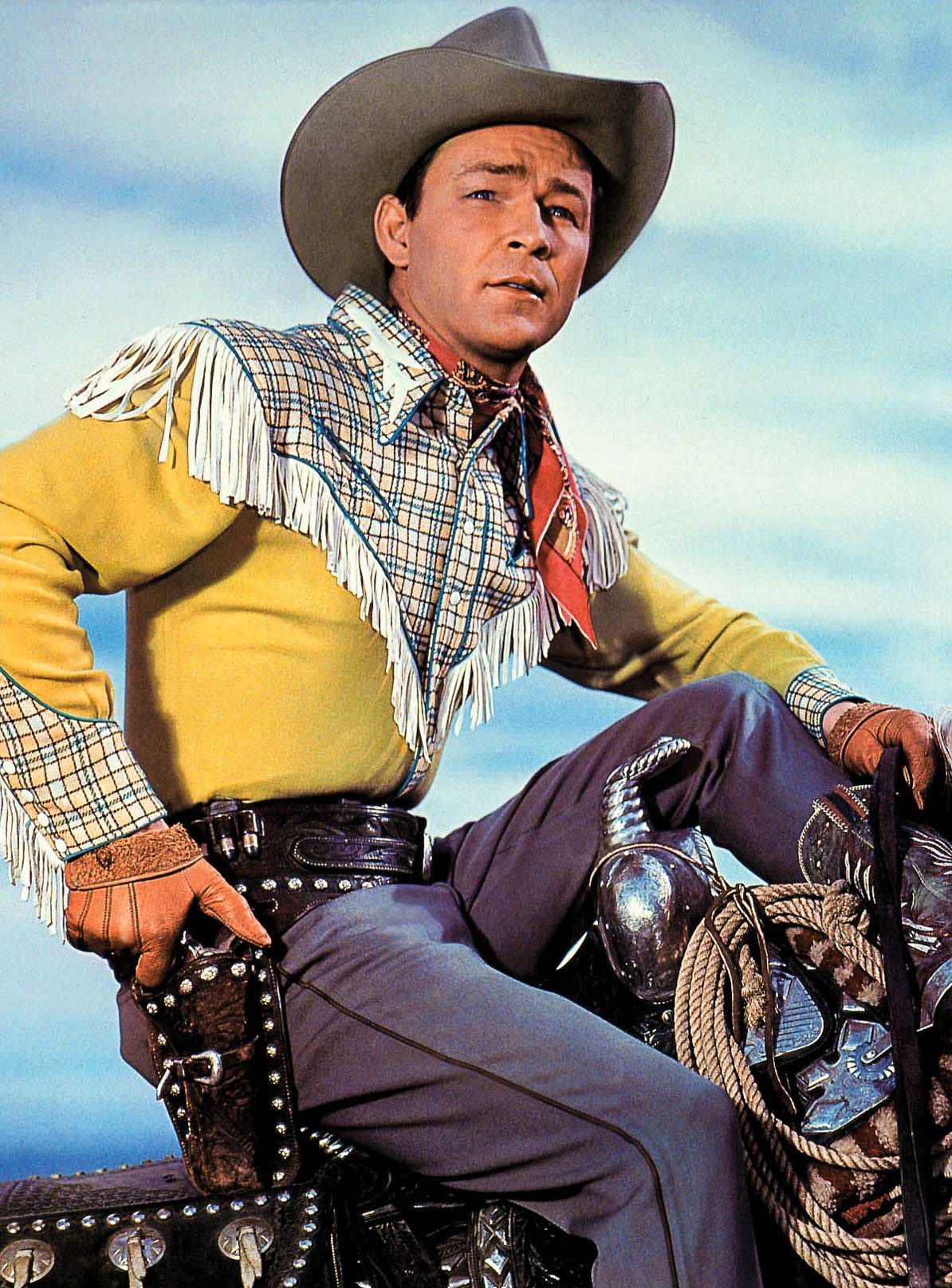
Western gospel has roots here, too, in the Chuck Wagon Gang. The group performed as the Carter Quartet during broadcasts on KFYO radio in Lubbock in 1935, setting the standard for the genre. Leonard Slye, the future cowboy star known as Roy Rogers, performed at the same radio station in 1933.
The folk tradition may be the High Plains’ most enduring sound, starting with Woody Guthrie, the Oklahoma native who spent his formative years in Pampa before ascending to America’s best-known folkie in the ’40s and ’50s.
The High Plains were an early hotbed of rock ’n’ roll in the ’50s and ’60s. Several appearances by Elvis Presley before he became famous inspired a generation of young players in the region, including Buddy Holly and the Crickets from Lubbock and Waylon Jennings from Littlefield.
POPULAR GENRES

Traditional string band music from the 1920s was refashioned into something completely different by Bob Wills and His Texas Playboys in the 1930s when they fused jazz and swing into country music.

The High Plains was on the cutting edge of rock ’n’ roll, producing several bands and a distinctive wide-open sound that captivated teenagers around the world.

Spiritual music made for wranglers on the range became a thing when the Chuck Wagon Gang, performing as the Carter Quartet, took to the airwaves on KFYO in Lubbock in 1935.

Woody Guthrie, the American folk music giant, first picked up his guitar in Pampa. That’s where he started riding the rails to California, giving him plenty of song material to write and sing about.
DESTINATIONS
Golden Light Café and Cantina, Amarillo
This burger joint along Route 66, opened in 1946, added the cantina music room 50 years later. Artists have graced its stage ever since. goldenlightcafe.com
Waymore’s Museum and Drive-Thru Liquor, Littlefield
James and Helen Jennings fashioned a homespun family museum out of the items for sale in their liquor store. Memorabilia show a whole ’nother Waylon from the “outlaw” he was reputed to be.
waymoresliquorstore.com
Buddy Holly Center, Lubbock
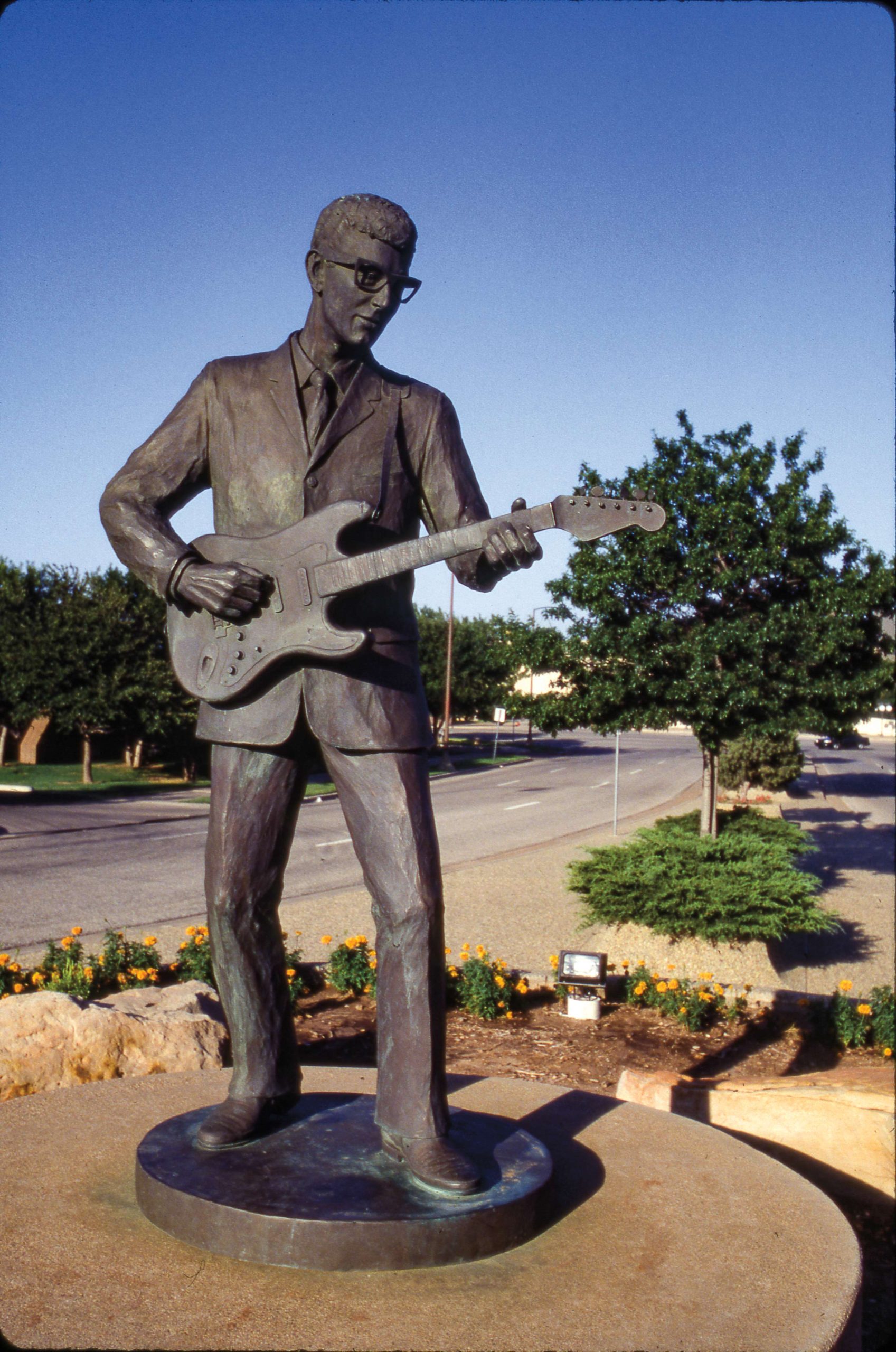
Here is the hub of all things Buddy Holly, starting with his life-size bronze statue rocking a Fender outside the West Texas Walk of Fame. Inside, a permanent exhibit tells the story of the hometown boy who trailblazed rock ’n’ roll and influenced the Beatles. ci.lubbock.tx.us
Woody Guthrie Folk Music Center, Pampa
This spot, now converted into a casual museum and picking parlor, is where the standard bearer of American folk music in the mid-20th century learned guitar. woodyguthriepampatx.com
This Land Is Your Land Fence, Pampa
This roadside oddity is a 142-foot-long steel musical-staff fence honoring Guthrie’s best-known song with 10-foot-tall music notes.
xit rodeo and reunion
Dalhart, August
Since 1936, the Panhandle’s big wingding celebrating what was once Texas’ largest ranch is held the first weekend every August with top-shelf country acts plus the world’s largest free barbecue. xitrodeoreunion.com
bob wills day
Turkey, April
This annual reunion for fans of Western swing and all things Bob brings Turkey to life with performances, dances, and fiddler contests. bobwillsday.com
NOTABLE MUSICIANS
Bob Wills, Natalie Maines, Gary P. Nunn, Joe Ely, Jimmy Dean, Waylon Jennings, Tanya Tucker, Buddy Holly, Roy Orbison

With roots that reach across the Mexican border, South Texas music reflects the region’s multiculturalism
By Danielle Lopez
FREDDY FENDER famously said, “Once you drink water from the resaca, it’s in your blood.” The “Wasted Days and Wasted Nights” singer was referring to the waterways found in his hometown of San Benito in the Rio Grande Valley. Throughout his career as a country and Tejano musician, Fender paid homage to the enduring influence of his life in South Texas.
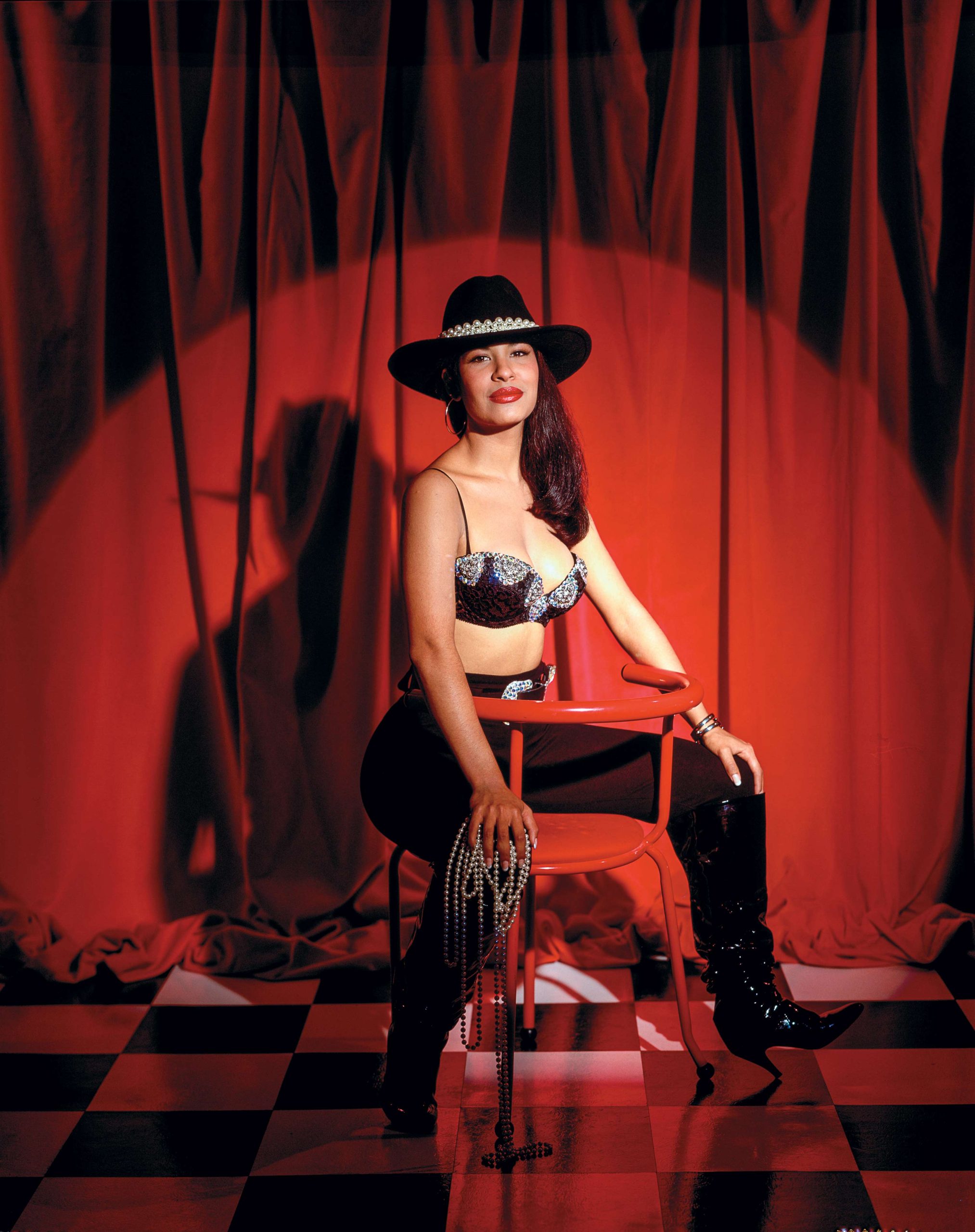
The sprawling region with a predominantly bilingual and Mexican American population has exchanged cultural ideas with our neighbor to the south for centuries. Regional Mexican music fills the airwaves, along with country and Tejano. South Texas is the birthplace of the iconic Selena Quintanilla-Pérez, traces of whom can be found throughout Corpus Christi and San Antonio and whose legacy still influences today’s artists.
Country music is also a big part of the region’s fabric. George Strait, the King of Country Music, was born in the small town of Poteet, and the legendary Kris Kristofferson was born in Brownsville. That’s where he wrote his first song, “Stars and Stripes,” at just 11 years old.
“Brownsville was the best thing I remember of my life,” the late singer-songwriter said in a 2013 interview with the Houston Press. “To me, it was bare feet and dirt roads and good people.”
POPULAR GENRES

South Texas is the birthplace of this genre, a product of the Texas-Mexico borderlands that translates to “small ensemble.” It’s characterized by its combination of the bajo sexto and the accordion.

The genre evolved in the 1970s, blending conjunto and norteño with popular American genres of the time, including disco, rock, and pop, for a specifically Texas sound.

This style refers to when Mexican American teenage musicians in San Antonio first heard rock ’n’ roll in the ’50s. They incorporated rhythm and blues, often with a heavy horn section, and influences of swing, conjunto, and country.

Area teens in the 1980s took an interest in punk rock, metal, and goth music. A counterculture formed around a fusion of Mexican American music and punk, taking cues from chuco punk in El Paso and the cowpunk of 1970s California.
DESTINATIONS
Texas Conjunto Music Hall of Fame & Museum, San Benito
Display items include accordions and stage outfits of notable performers and Freddy Fender memorabilia in an exhibit room dedicated entirely to the Tejano icon. A nearby water tower pays homage to the town’s native Fender. texasconjuntomusic museum.com
South Texas Music Walk of Fame, Corpus Christi
Founded in 2004, this path of stars near the bay honors 100 of the region’s artists, including Kris Kristofferson, Selena Quintanilla-Pérez, and Augie Meyers. southtexasmusicwalkoffame.com
Cine El Rey, McAllen
Built in 1947, it first opened as a Spanish-language theater. During its heyday, Mexican actors—such as Pedro Infante and Cantinflas—and even musician Freddy Fender performed at the 500-seat theater. Today, it serves as a live performance venue and community hub. facebook.com/cineelrey
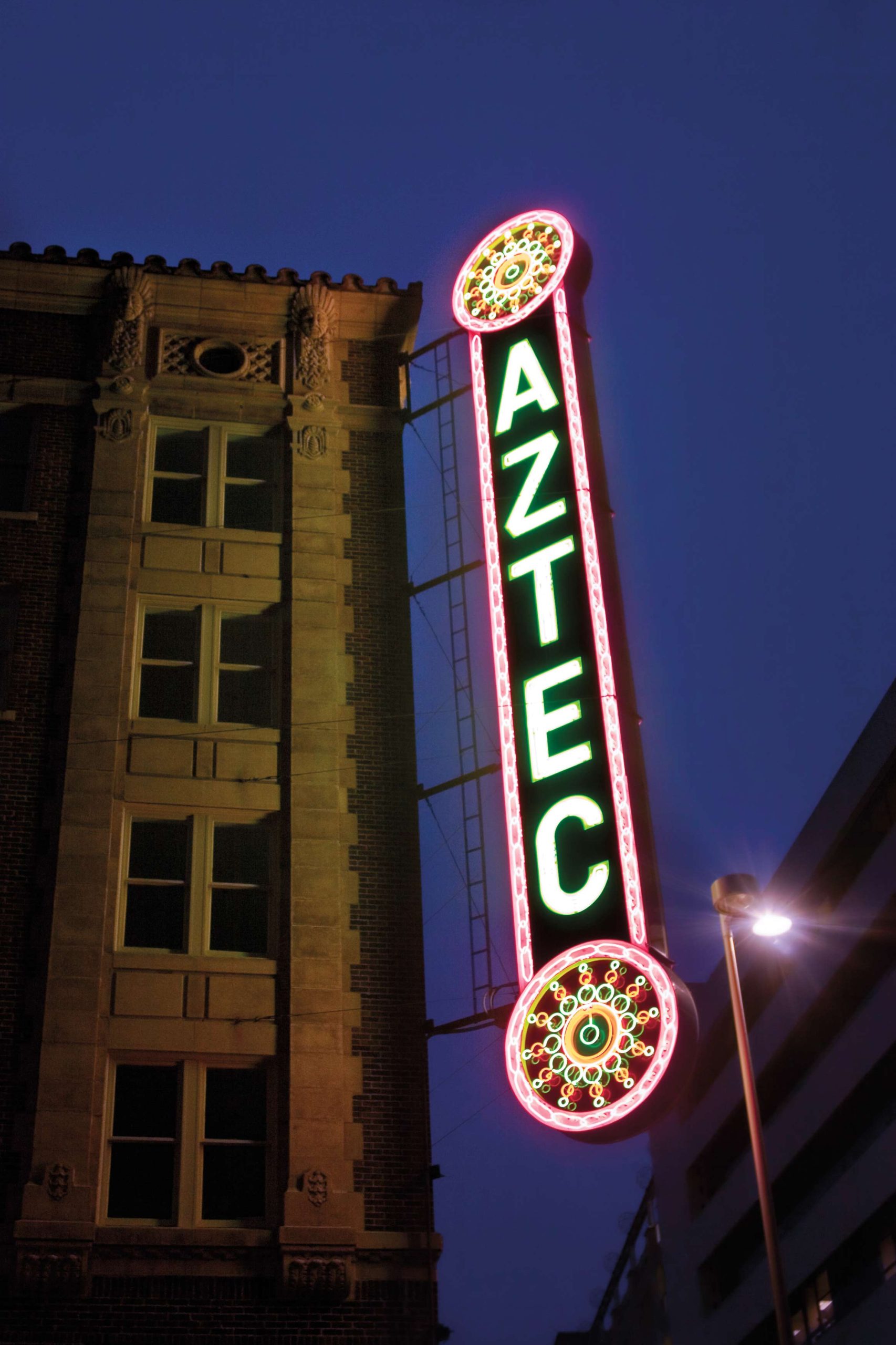
Aztec Theatre, San Antonio
Erected in 1926, this venue is on the National Register of Historic Places and originally served as a movie theater. Today, it hosts acts of all sizes. theaztectheatre.com
Tejano conjunto festival
San Antonio, May
This event began in 1982 and has become nationally known for its presentation of authentic Texas-Mexican conjunto. The musical form was developed by Texas-Mexican working-class musicians like Narciso Martínez, called the father of conjunto music. guadalupeculturalarts.org
Texas jazz festival
Corpus Christi, Oct. 17-19
This annual event started in 1960 and aims to promote the live performance of jazz and showcase both regional and local talent. texasjazz-fest.org
NOTABLE MUSICIANS
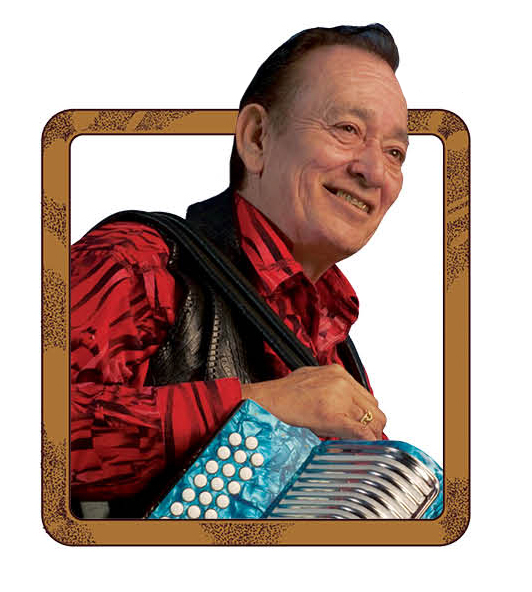
Flaco Jiménez
Grupo Frontera
Freddy Fender
Charley Crockett
George Strait
Kris Kristofferson
Emilio Navaira
Selena Quintanilla-Pérez